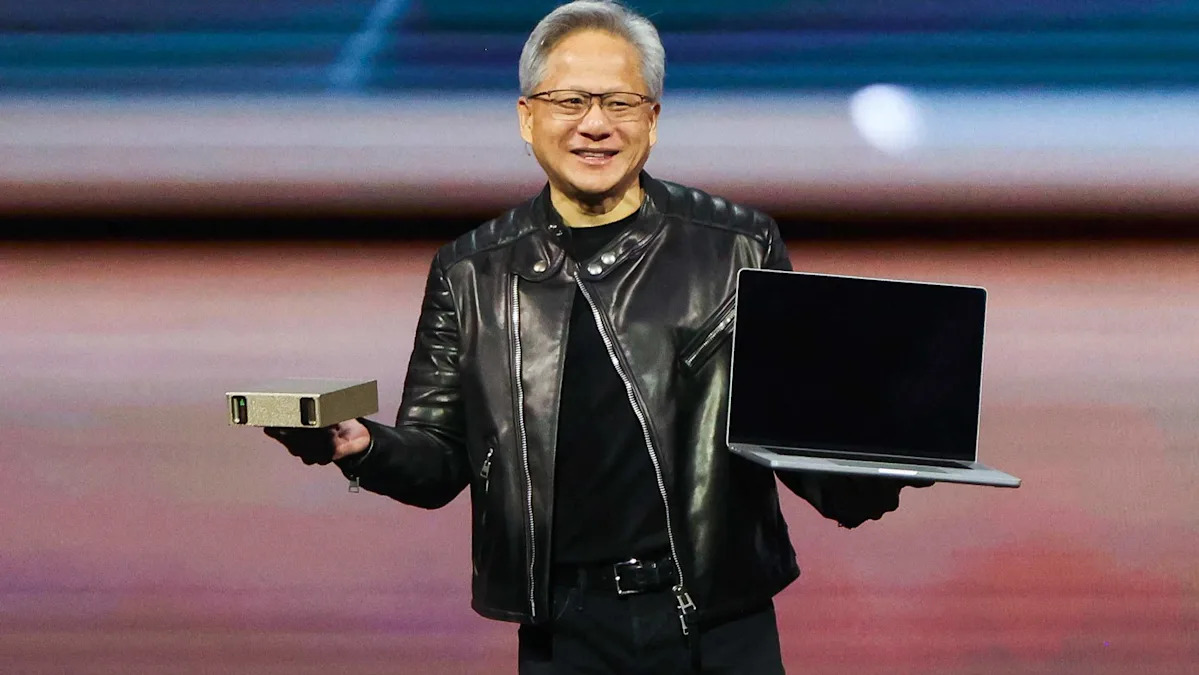
U.S. Embassy in Iraq Targeted Amid Escalating Conflict
Written by Emily J. Thompson, Senior Investment Analyst
Updated: 1 hour ago
0mins
Source: CNBC
- Escalating Attack Intensity: Iraqi security sources reported that the U.S. embassy in Baghdad was targeted by drone and rocket attacks, marking the most intense assault since the onset of the U.S.-Israel conflict on March 17, 2026, indicating a significant escalation in regional tensions that could impact U.S. foreign policy in the Middle East.
- Iran's Retaliatory Actions: The Iranian Islamic Revolutionary Guard Corps announced missile strikes on over 100 military and security targets within Israeli territory, alongside drone attacks on the U.S. embassy in Baghdad, demonstrating Iran's sustained military capability in the conflict and raising the risk of broader regional warfare.
- International Community's Reluctance: While a small number of non-Iranian ships have crossed the Strait of Hormuz, the international community remains hesitant to support President Trump's call for full-scale war, with the French Finance Minister expressing willingness to act only under non-war conditions, which could affect global energy market stability.
- Market Sentiment Shift: Despite the ongoing conflict, Nicolai Tagen, CEO of Norges Bank Investment Management, expressed surprise at the muted market response to the war, voicing concerns over the long-term impact of rising oil prices, highlighting investor sensitivity to geopolitical risks and market uncertainty.
Trade with 70% Backtested Accuracy
Stop guessing "Should I Buy NVDA?" and start using high-conviction signals backed by rigorous historical data.
Sign up today to access powerful investing tools and make smarter, data-driven decisions.
Analyst Views on NVDA
Wall Street analysts forecast NVDA stock price to rise
41 Analyst Rating
39 Buy
1 Hold
1 Sell
Strong Buy
Current: 183.220

Low
200.00
Averages
264.97
High
352.00
Current: 183.220
Low
200.00
Averages
264.97
High
352.00
About NVDA
NVIDIA Corporation is a full-stack computing infrastructure company. The Company is engaged in accelerated computing to help solve the challenging computational problems. The Company’s segments include Compute & Networking and Graphics. The Compute & Networking segment includes its Data Center accelerated computing platforms and artificial intelligence (AI) solutions and software; networking; automotive platforms and autonomous and electric vehicle solutions; Jetson for robotics and other embedded platforms, and DGX Cloud computing services. The Graphics segment includes GeForce GPUs for gaming and PCs, the GeForce NOW game streaming service and related infrastructure, and solutions for gaming platforms; Quadro/NVIDIA RTX GPUs for enterprise workstation graphics; virtual GPU software for cloud-based visual and virtual computing; automotive platforms for infotainment systems, and Omniverse Enterprise software for building and operating industrial AI and digital twin applications.
About the author

Emily J. Thompson
Emily J. Thompson, a Chartered Financial Analyst (CFA) with 12 years in investment research, graduated with honors from the Wharton School. Specializing in industrial and technology stocks, she provides in-depth analysis for Intellectia’s earnings and market brief reports.

Nvidia Reports 73% Revenue Growth in Q4

- Quarterly Revenue Performance: Nvidia reported a fourth-quarter revenue of $68 billion, reflecting a 73% year-over-year growth, which alleviated market concerns regarding a slowdown in AI spending, indicating that the strong performance in AI infrastructure investment will continue.
- Positive Market Reaction: Nvidia's market capitalization crossed the $1 trillion mark in less than three years, with its stock price more than quadrupling since then, currently valued at $4.5 trillion, showcasing investor confidence in its future growth prospects.
- Optimistic Outlook: The company anticipates quarterly sales to reach $78 billion, representing a 77% year-over-year growth, reflecting a continued commitment from large tech firms towards AI spending, further solidifying Nvidia's leadership position in the market.
- Innovation and Ecosystem: Nvidia's recent launch of a new open-weight model designed for complex AI systems indicates that the company is not only relying on existing hardware and software sales but is also continuously innovating to transition from a component supplier to a comprehensive AI platform.
See More
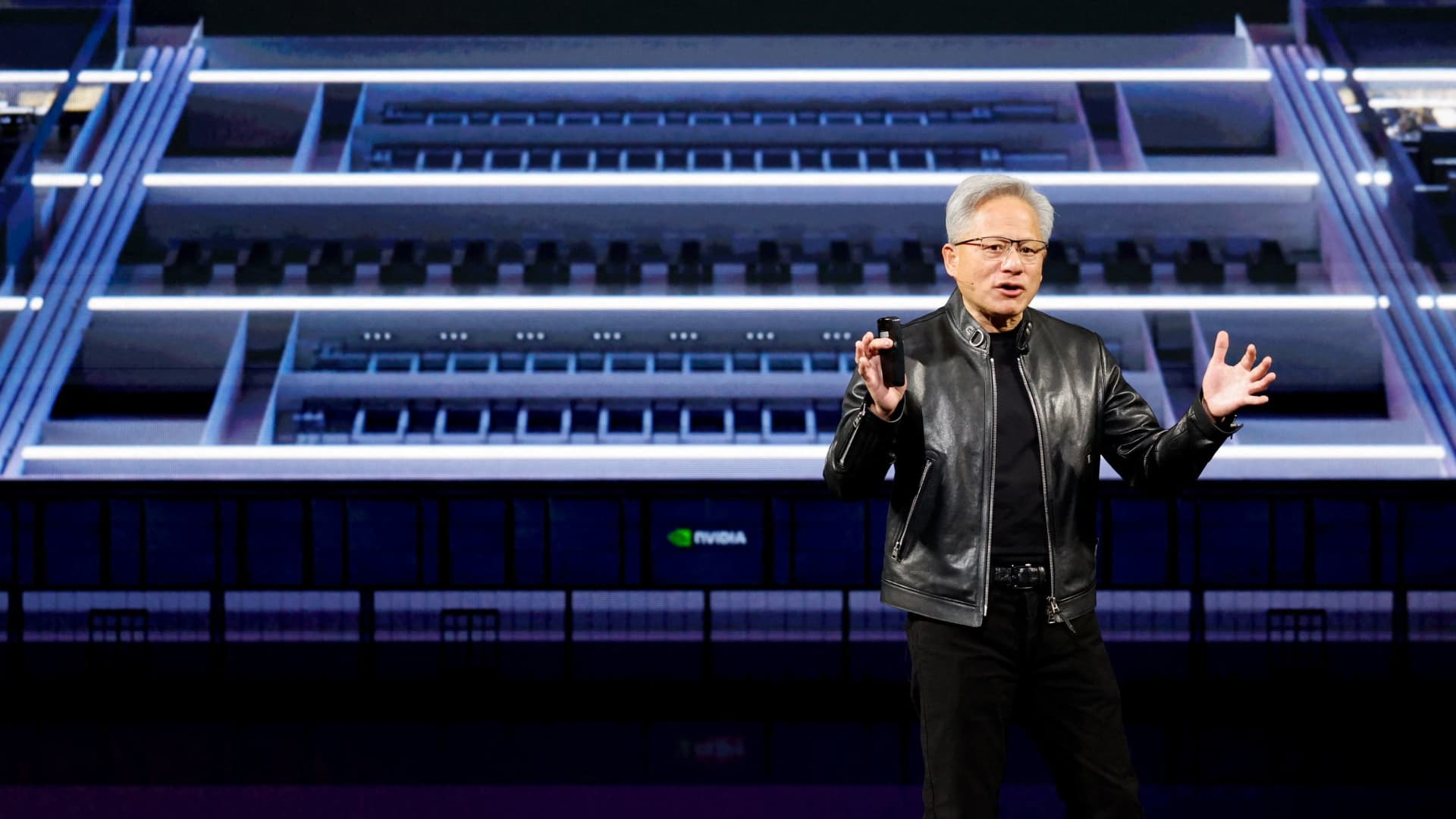
NVIDIA Resumes H200 Chip Sales to China After Delays
- China Market Resumption: NVIDIA CEO Jensen Huang announced that the company has received purchase orders for H200 processors from Chinese customers and is restarting production, marking a significant return to the Chinese market after prolonged export restrictions, which is expected to positively impact future revenues.
- Sales Restrictions Lifted: Huang stated that NVIDIA has obtained sales clearance from both the U.S. and China, despite previous export controls under the Trump administration that nearly halted sales in China, resulting in a $5.5 billion financial hit for the company.
- Strong Financial Performance: Despite the inability to enter the Chinese market, NVIDIA reported a 73% revenue growth in the latest quarter, marking the 11th consecutive quarter of growth exceeding 55%, demonstrating strong demand and resilience in its global operations.
- Optimistic Future Outlook: NVIDIA forecasts approximately 77% growth for the upcoming quarter, assuming zero data center revenue from China in its guidance, indicating that performance in other markets will continue to drive overall growth.
See More
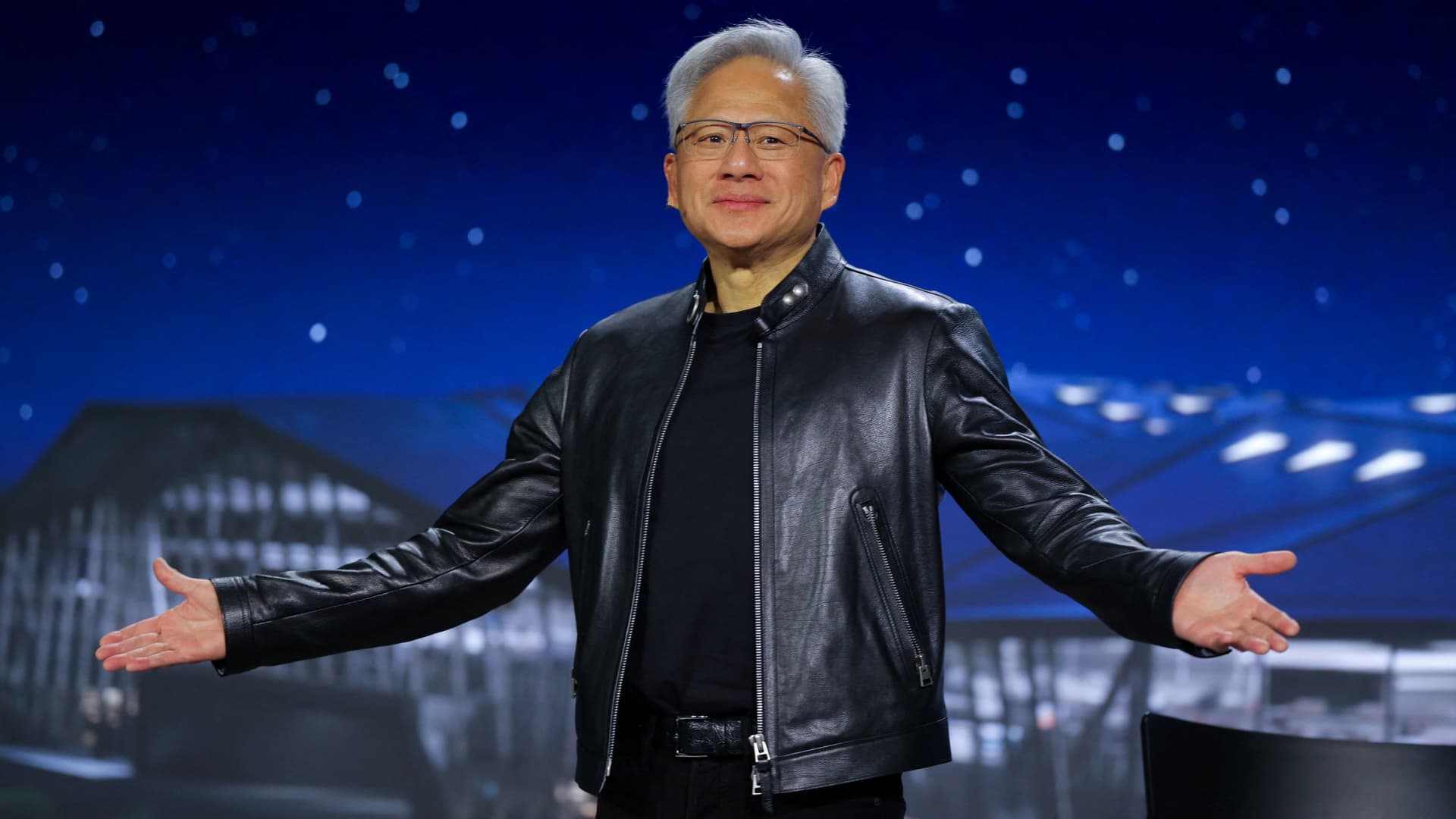
NVIDIA CEO Calls OpenClaw the Next ChatGPT, Boosting AI Stocks

- AI Market Surge: NVIDIA CEO Jensen Huang's statement at the GTC conference that OpenClaw is 'definitely the next ChatGPT' led to a significant rise in Chinese AI stocks, with MiniMax and Knowledge Atlas Technology soaring 22% and 14% respectively, reflecting strong market confidence in AI technologies.
- Impact of OpenClaw: As an open-source AI agent, OpenClaw is being increasingly integrated into products by various Chinese tech companies, driving the proliferation and application of AI technology, marking China's significant position in the global AI market.
- Zhipu's Technological Advancements: Knowledge Atlas Technology's GLM-5 large language model approaches Anthropic's Claude Opus 4.5 in coding capabilities and surpasses Google's Gemini 3 Pro in some tests, showcasing the rapid technological innovation of Chinese AI companies.
- Optimistic Market Outlook: Moody's noted that China's rapid uptake of artificial intelligence reinforces its status as one of the world's leading AI markets, and while adoption varies across sectors, large tech firms are driving the most advanced AI integration, indicating future growth potential.
See More
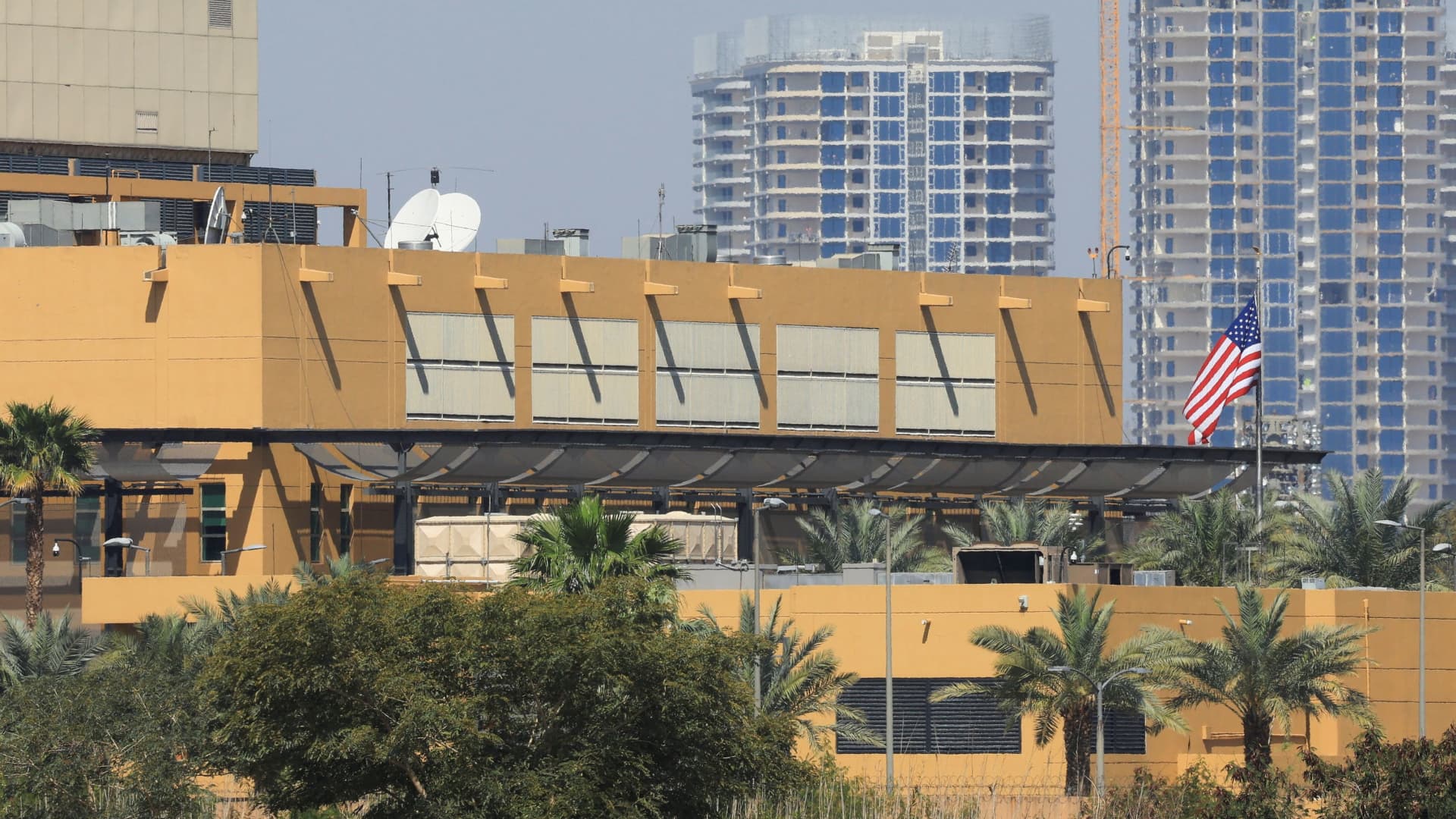
U.S. Embassy in Iraq Targeted Amid Escalating Conflict

- Escalating Attack Intensity: Iraqi security sources reported that the U.S. embassy in Baghdad was targeted by drone and rocket attacks, marking the most intense assault since the onset of the U.S.-Israel conflict on March 17, 2026, indicating a significant escalation in regional tensions that could impact U.S. foreign policy in the Middle East.
- Iran's Retaliatory Actions: The Iranian Islamic Revolutionary Guard Corps announced missile strikes on over 100 military and security targets within Israeli territory, alongside drone attacks on the U.S. embassy in Baghdad, demonstrating Iran's sustained military capability in the conflict and raising the risk of broader regional warfare.
- International Community's Reluctance: While a small number of non-Iranian ships have crossed the Strait of Hormuz, the international community remains hesitant to support President Trump's call for full-scale war, with the French Finance Minister expressing willingness to act only under non-war conditions, which could affect global energy market stability.
- Market Sentiment Shift: Despite the ongoing conflict, Nicolai Tagen, CEO of Norges Bank Investment Management, expressed surprise at the muted market response to the war, voicing concerns over the long-term impact of rising oil prices, highlighting investor sensitivity to geopolitical risks and market uncertainty.
See More
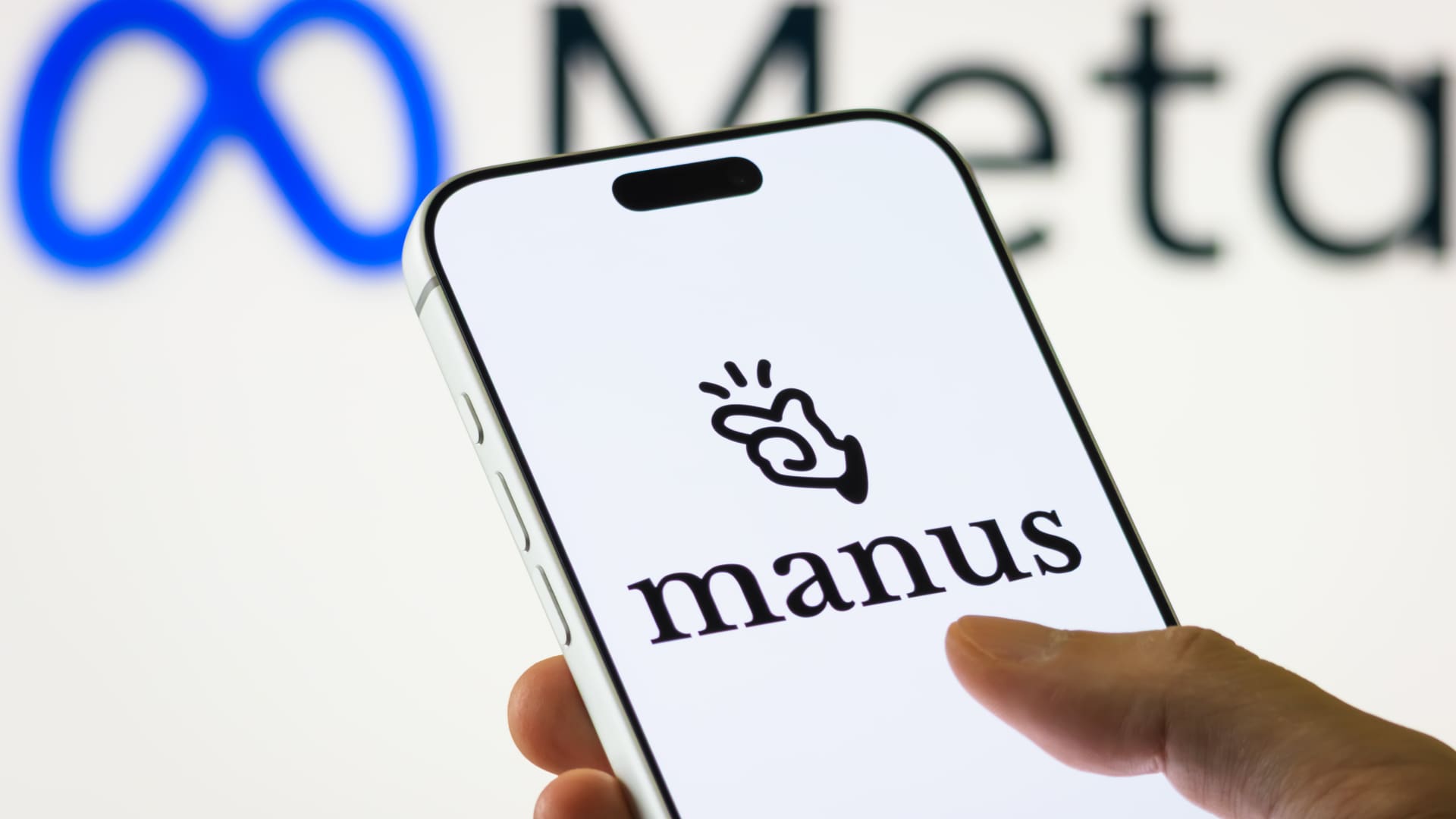
Meta Acquires Manus, Launches Desktop AI Application

- Desktop Application Launch: AI startup Manus launched a new desktop application on Monday, enabling its AI agent to perform complex tasks directly on users' personal computers, marking a shift from cloud services to local applications and enhancing user convenience and efficiency.
- Feature Expansion: The new application's 'My Computer' feature allows the AI agent to read, analyze, and edit local files, enabling users to instruct Manus to organize thousands of internal images on their hard drives, thereby enhancing file management capabilities and improving user experience.
- Increased Market Competition: The launch of Manus intensifies competition with open-source AI agents like OpenClaw, which has gained popularity due to its free and open-source nature, with Nvidia's CEO describing it as the 'next ChatGPT', indicating a rapid growth in market demand for AI agents.
- Privacy and Security Considerations: While the new features offer convenience, experts warn that granting AI agents access to local devices may pose security and privacy risks; Manus promises to maintain user control by requiring explicit approval for task execution, ensuring user safety during operations.
See More

Nvidia CEO Calls OpenClaw the Next ChatGPT, Boosting AI Potential
- AI Project Potential: Nvidia CEO Jensen Huang described OpenClaw as “the largest, most successful open-sourced project in human history” during the GTC event, indicating its significant potential to transform human interaction with AI.
- Market Reaction: Following Huang's bullish comments, Chinese shares related to OpenClaw surged on Wednesday, with MiniMax Group climbing 14% in Hong Kong and Knowledge Atlas Technology (Zhipu) rising 11%, reflecting strong market confidence in AI agents.
- Technological Breakthrough: Huang emphasized that OpenClaw allows users to create their own AI agents with just one line of code, drastically expanding individual capabilities in AI applications, which is likely to attract more user engagement.
- Nvidia Strategic Partnership: Nvidia is collaborating with the creator of OpenClaw to develop NemoClaw, which combines OpenClaw's ease of use with Nvidia's privacy and security controls, aiming to provide a safer AI agent solution for enterprises and further solidifying its leadership in the AI market.
See More
Nvidia Reports 73% Revenue Growth in Q4
- Quarterly Revenue Performance: Nvidia reported a fourth-quarter revenue of $68 billion, reflecting a 73% year-over-year growth, which alleviated market concerns regarding a slowdown in AI spending, indicating that the strong performance in AI infrastructure investment will continue.
- Positive Market Reaction: Nvidia's market capitalization crossed the $1 trillion mark in less than three years, with its stock price more than quadrupling since then, currently valued at $4.5 trillion, showcasing investor confidence in its future growth prospects.
- Optimistic Outlook: The company anticipates quarterly sales to reach $78 billion, representing a 77% year-over-year growth, reflecting a continued commitment from large tech firms towards AI spending, further solidifying Nvidia's leadership position in the market.
- Innovation and Ecosystem: Nvidia's recent launch of a new open-weight model designed for complex AI systems indicates that the company is not only relying on existing hardware and software sales but is also continuously innovating to transition from a component supplier to a comprehensive AI platform.
See More
NVIDIA Resumes H200 Chip Sales to China After Delays
- China Market Resumption: NVIDIA CEO Jensen Huang announced that the company has received purchase orders for H200 processors from Chinese customers and is restarting production, marking a significant return to the Chinese market after prolonged export restrictions, which is expected to positively impact future revenues.
- Sales Restrictions Lifted: Huang stated that NVIDIA has obtained sales clearance from both the U.S. and China, despite previous export controls under the Trump administration that nearly halted sales in China, resulting in a $5.5 billion financial hit for the company.
- Strong Financial Performance: Despite the inability to enter the Chinese market, NVIDIA reported a 73% revenue growth in the latest quarter, marking the 11th consecutive quarter of growth exceeding 55%, demonstrating strong demand and resilience in its global operations.
- Optimistic Future Outlook: NVIDIA forecasts approximately 77% growth for the upcoming quarter, assuming zero data center revenue from China in its guidance, indicating that performance in other markets will continue to drive overall growth.
See More
NVIDIA CEO Calls OpenClaw the Next ChatGPT, Boosting AI Stocks
- AI Market Surge: NVIDIA CEO Jensen Huang's statement at the GTC conference that OpenClaw is 'definitely the next ChatGPT' led to a significant rise in Chinese AI stocks, with MiniMax and Knowledge Atlas Technology soaring 22% and 14% respectively, reflecting strong market confidence in AI technologies.
- Impact of OpenClaw: As an open-source AI agent, OpenClaw is being increasingly integrated into products by various Chinese tech companies, driving the proliferation and application of AI technology, marking China's significant position in the global AI market.
- Zhipu's Technological Advancements: Knowledge Atlas Technology's GLM-5 large language model approaches Anthropic's Claude Opus 4.5 in coding capabilities and surpasses Google's Gemini 3 Pro in some tests, showcasing the rapid technological innovation of Chinese AI companies.
- Optimistic Market Outlook: Moody's noted that China's rapid uptake of artificial intelligence reinforces its status as one of the world's leading AI markets, and while adoption varies across sectors, large tech firms are driving the most advanced AI integration, indicating future growth potential.
See More
U.S. Embassy in Iraq Targeted Amid Escalating Conflict
- Escalating Attack Intensity: Iraqi security sources reported that the U.S. embassy in Baghdad was targeted by drone and rocket attacks, marking the most intense assault since the onset of the U.S.-Israel conflict on March 17, 2026, indicating a significant escalation in regional tensions that could impact U.S. foreign policy in the Middle East.
- Iran's Retaliatory Actions: The Iranian Islamic Revolutionary Guard Corps announced missile strikes on over 100 military and security targets within Israeli territory, alongside drone attacks on the U.S. embassy in Baghdad, demonstrating Iran's sustained military capability in the conflict and raising the risk of broader regional warfare.
- International Community's Reluctance: While a small number of non-Iranian ships have crossed the Strait of Hormuz, the international community remains hesitant to support President Trump's call for full-scale war, with the French Finance Minister expressing willingness to act only under non-war conditions, which could affect global energy market stability.
- Market Sentiment Shift: Despite the ongoing conflict, Nicolai Tagen, CEO of Norges Bank Investment Management, expressed surprise at the muted market response to the war, voicing concerns over the long-term impact of rising oil prices, highlighting investor sensitivity to geopolitical risks and market uncertainty.
See More
Meta Acquires Manus, Launches Desktop AI Application
- Desktop Application Launch: AI startup Manus launched a new desktop application on Monday, enabling its AI agent to perform complex tasks directly on users' personal computers, marking a shift from cloud services to local applications and enhancing user convenience and efficiency.
- Feature Expansion: The new application's 'My Computer' feature allows the AI agent to read, analyze, and edit local files, enabling users to instruct Manus to organize thousands of internal images on their hard drives, thereby enhancing file management capabilities and improving user experience.
- Increased Market Competition: The launch of Manus intensifies competition with open-source AI agents like OpenClaw, which has gained popularity due to its free and open-source nature, with Nvidia's CEO describing it as the 'next ChatGPT', indicating a rapid growth in market demand for AI agents.
- Privacy and Security Considerations: While the new features offer convenience, experts warn that granting AI agents access to local devices may pose security and privacy risks; Manus promises to maintain user control by requiring explicit approval for task execution, ensuring user safety during operations.
See More
Nvidia CEO Calls OpenClaw the Next ChatGPT, Boosting AI Potential
- AI Project Potential: Nvidia CEO Jensen Huang described OpenClaw as “the largest, most successful open-sourced project in human history” during the GTC event, indicating its significant potential to transform human interaction with AI.
- Market Reaction: Following Huang's bullish comments, Chinese shares related to OpenClaw surged on Wednesday, with MiniMax Group climbing 14% in Hong Kong and Knowledge Atlas Technology (Zhipu) rising 11%, reflecting strong market confidence in AI agents.
- Technological Breakthrough: Huang emphasized that OpenClaw allows users to create their own AI agents with just one line of code, drastically expanding individual capabilities in AI applications, which is likely to attract more user engagement.
- Nvidia Strategic Partnership: Nvidia is collaborating with the creator of OpenClaw to develop NemoClaw, which combines OpenClaw's ease of use with Nvidia's privacy and security controls, aiming to provide a safer AI agent solution for enterprises and further solidifying its leadership in the AI market.
See More