Trump's New Tariff Threats Spark European Stock Sell-Off
Written by Emily J. Thompson, Senior Investment Analyst
Updated: Jan 19 2026
0mins

Should l Buy ASML?
Source: Benzinga
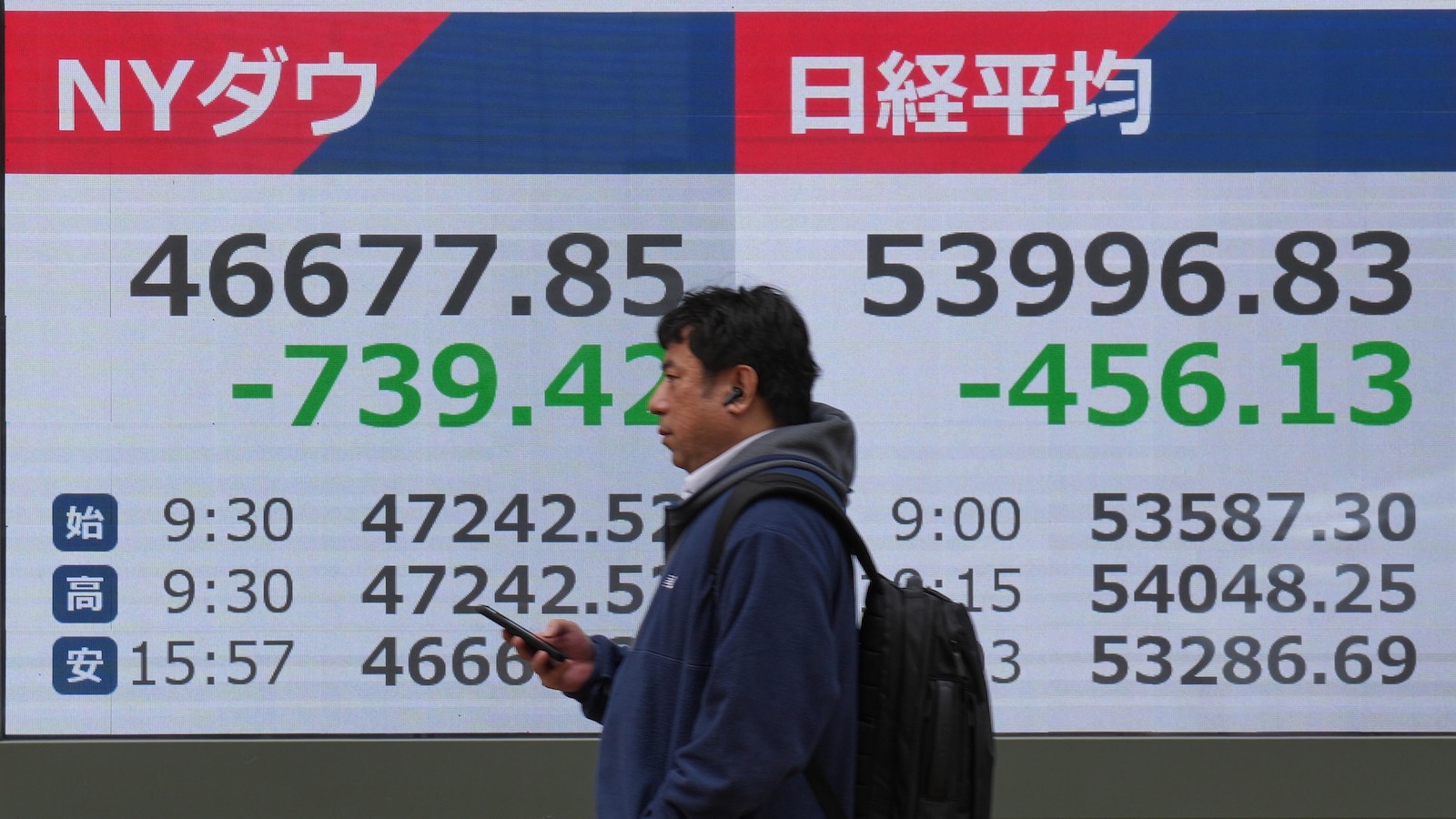
- Global Market Decline: Global equities experienced a significant sell-off on Monday, with the Euro STOXX 50 dropping 1.3% as investors reacted to President Trump's new tariff threats against Europe, highlighting market sensitivity to trade tensions.
- Luxury Stocks Hit Hard: French luxury giant LVMH saw its shares plummet nearly 4%, while German software leader SAP fell 2.4%, indicating that declines in large-cap stocks are exerting considerable pressure on benchmark indices amid economic outlook concerns.
- Gold Prices Reach New Highs: Amid rising market risk aversion, gold prices surged 1.6% to a record near $4,670 per ounce, reflecting strong investor demand for traditional safe-haven assets in uncertain times.
- Market Pricing Greenland Risk: Prediction markets indicate a 39% probability that Greenland-related tariffs will be implemented by February 1, suggesting that investors are increasingly attentive to the potential aggressive policies of the Trump administration.
Trade with 70% Backtested Accuracy
Stop guessing "Should I Buy ASML?" and start using high-conviction signals backed by rigorous historical data.
Sign up today to access powerful investing tools and make smarter, data-driven decisions.
Analyst Views on ASML
Wall Street analysts forecast ASML stock price to rise
12 Analyst Rating
12 Buy
0 Hold
0 Sell
Strong Buy
Current: 1375.560

Low
1385
Averages
1583
High
1911
Current: 1375.560
Low
1385
Averages
1583
High
1911
About ASML
ASML Holding N.V. is a holding company based in the Netherlands. The Company operates through its subsidiaries in the Netherlands, the United States, Italy, France, Germany, the United Kingdom, Ireland, Belgium, South Korea, Taiwan, Singapore, China, Hong Kong, Japan, Malaysia and Israel. The Company operates through one business segment which is engage in development, production, marketing, sales, upgrading and servicing of advanced semiconductor equipment systems, consisting of lithography, metrology and inspection systems. The Company offers TWINSCAN systems, equipped with lithography system with a mercury lamp as light source (i-line), Krypton Fluoride (KrF) and Argon Fluoride (ArF) light sources for processing wafers for manufacturing environments for which imaging at a small resolution is required. TWINSCAN systems also include immersion lithography systems (TWINSCAN immersion systems).
About the author

Emily J. Thompson
Emily J. Thompson, a Chartered Financial Analyst (CFA) with 12 years in investment research, graduated with honors from the Wharton School. Specializing in industrial and technology stocks, she provides in-depth analysis for Intellectia’s earnings and market brief reports.

ASML: The Winner in the AI Industry
- Market Leadership: ASML leads in extreme ultraviolet (EUV) lithography technology, with machines costing up to $400 million, and the AI inference market is projected to grow at a CAGR of 19% through 2030, driving demand for its equipment and solidifying its market position.
- Diverse Revenue Streams: In 2025, approximately 23% of ASML's net sales will come from equipment maintenance, indicating a stable revenue source beyond equipment sales, which not only enhances financial stability but also increases customer loyalty.
- Geopolitical Advantage: Unlike its primary customer TSMC, which operates in geopolitically tense Taiwan, ASML manufactures its EUV machines in the Netherlands, distancing itself from potential conflicts and providing significant advantages in supply chain security and business continuity.
- Technical Barriers: Despite China's intentions to develop competing EUV products, none have succeeded to date, leaving ASML without effective competitors, thus positioning it as the undisputed leader in various sectors of the AI industry, including inference.
See More

Stock Market Gains Fade as Oil Prices Bounce


- Market Performance: Stock market gains faded on Tuesday, primarily influenced by a rebound in oil prices, indicating the market's sensitivity to energy price fluctuations, which may lead to volatility in investor sentiment.
- Oil Price Rebound: The rise in crude oil prices could affect inflation expectations, potentially triggering a chain reaction in the market, particularly impacting the performance of energy-related stocks.
- Fed Meeting Outlook: Although the market generally anticipates that the Fed meeting may not yield significant changes, investors are closely monitoring policy directions to assess future interest rate trends.
- Micron Earnings Focus: Micron's upcoming earnings report is viewed as crucial, with market participants hoping its performance will provide important guidance for the semiconductor industry's outlook, influencing trading strategies for related stocks.
See More

Analysis of SMH ETF's 52-Week Price Range

- Price Range Analysis: The SMH ETF has a 52-week low of $170.11 and a high of $427.94, with the last trade at $397.21, indicating significant volatility over the past year, which investors should consider when strategizing their investments.
- Technical Analysis Tool: Comparing the current share price to the 200-day moving average can provide valuable insights for investors, helping to identify potential buy or sell opportunities and optimize investment decisions.
- ETF Trading Mechanism: ETFs trade similarly to stocks, where investors are buying and selling 'units' that can be created or destroyed based on investor demand, reflecting changes in market interest for the ETF.
- Inflows and Outflows Monitoring: Weekly monitoring of changes in shares outstanding for ETFs highlights notable inflows (new units created) or outflows (old units destroyed), which can impact the underlying holdings of the ETF and subsequently affect individual stock performance.
See More

US Stocks Rise as Oil Prices Drop, Boosting Market Sentiment


- Oil Price Drop Fuels Market Rally: The S&P 500 rose 1.01%, the Dow Jones increased by 0.83%, and the Nasdaq 100 climbed 1.13% as crude oil prices fell over 5% due to hopes of tanker passage through the Strait of Hormuz, reflecting positive market sentiment towards lower energy costs.
- Mixed Economic Data: February manufacturing production in the US rose 0.2% month-over-month, surpassing expectations of 0.1%, and January's figure was revised up to 0.8%, indicating a recovery in manufacturing; however, the Empire State manufacturing index fell 7.3 points to -0.2, highlighting economic uncertainty.
- China's Economic Indicators Impact Global Outlook: China's February industrial production grew 6.3% year-on-year, exceeding expectations of 5.3%, while retail sales rose 2.8%, above the 2.5% forecast; however, the unemployment rate increased to 5.3%, indicating labor market pressures that could challenge global economic recovery.
- Airline and Cruise Stocks Surge: With falling oil prices, airline and cruise line stocks rallied, with Norwegian Cruise Line up over 5% and United Airlines up over 4%, suggesting optimistic market expectations for improved profitability due to lower fuel costs.
See More
US Stocks Surge as Crude Prices Drop Sharply

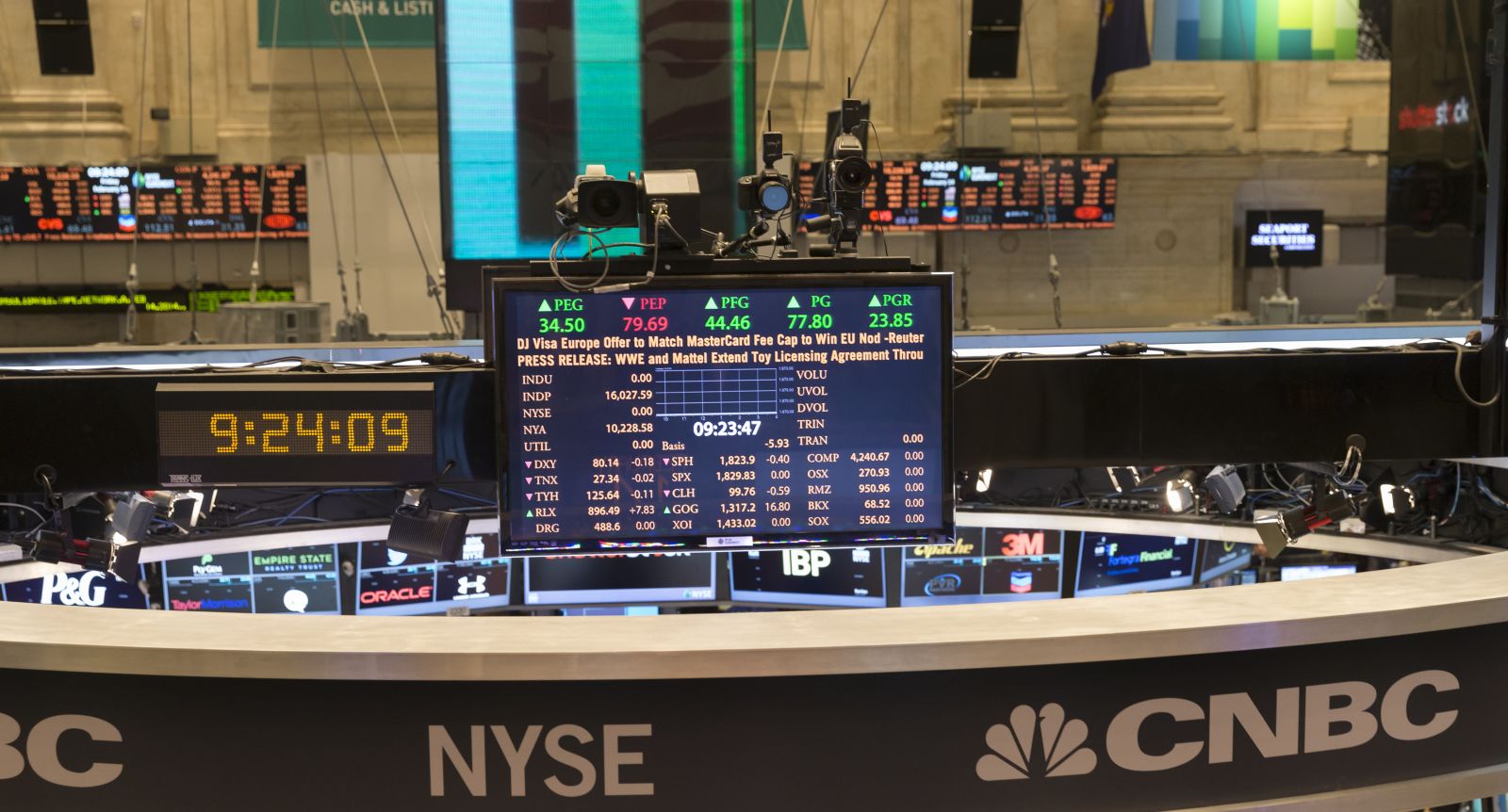
- Crude Price Drop Fuels Market Rally: The successful passage of several oil tankers through the Strait of Hormuz has led to a more than 4% drop in crude prices, directly contributing to a 1.04% rise in the S&P 500, a 0.94% increase in the Dow Jones, and a 1.12% gain in the Nasdaq 100, indicating a positive market response to lower oil prices.
- Mixed Economic Data: February manufacturing production in the US rose by 0.2% month-over-month, surpassing expectations of 0.1%, while January's production was revised up to 0.8%, showcasing manufacturing resilience; however, the February Empire manufacturing survey fell to -0.2, below the expected 3.9, reflecting economic recovery uncertainties.
- Positive Chinese Economic Indicators: China's February industrial production increased by 6.3% year-over-year, exceeding expectations of 5.3%, and retail sales rose by 2.8%, also above the anticipated 2.5%, despite a rise in the unemployment rate to 5.3%, highlighting the complexities of economic recovery.
- Airline and Cruise Stocks Surge: With falling oil prices, airline and cruise line stocks are rising, with Norwegian Cruise Line up over 5% and Royal Caribbean up more than 4%, indicating optimistic market sentiment regarding future earnings prospects.
See More

US Stocks Rise as Oil Prices Decline
- Oil Price Decline Boosts Markets: The successful passage of oil tankers through the Strait of Hormuz has led to a more than 3% drop in crude prices, directly contributing to a 1.23% rise in the S&P 500, a 1.06% increase in the Dow Jones, and a 1.30% gain in the Nasdaq 100, reflecting market optimism about supply recovery.
- Mixed Economic Data: February manufacturing production in the US rose by 0.2% month-over-month, surpassing expectations of 0.1%, and January was revised up to 0.8%, yet the February Empire manufacturing survey showed a decline of 7.3 points to -0.2, indicating challenges in economic recovery.
- Positive Chinese Economic Indicators: China's February industrial production increased by 6.3% year-on-year, exceeding expectations of 5.3%, and retail sales rose by 2.8%, also above the 2.5% forecast, although the unemployment rate climbed to 5.3%, indicating labor market pressures.
- Shifts in Rate Expectations: The market is pricing in only a 1% chance of a 25 basis point rate cut by the Federal Reserve at the upcoming policy meeting, while expectations for a rate hike by the European Central Bank are also decreasing, reflecting investor caution regarding future monetary policy.
See More
ASML: The Winner in the AI Industry
- Market Leadership: ASML leads in extreme ultraviolet (EUV) lithography technology, with machines costing up to $400 million, and the AI inference market is projected to grow at a CAGR of 19% through 2030, driving demand for its equipment and solidifying its market position.
- Diverse Revenue Streams: In 2025, approximately 23% of ASML's net sales will come from equipment maintenance, indicating a stable revenue source beyond equipment sales, which not only enhances financial stability but also increases customer loyalty.
- Geopolitical Advantage: Unlike its primary customer TSMC, which operates in geopolitically tense Taiwan, ASML manufactures its EUV machines in the Netherlands, distancing itself from potential conflicts and providing significant advantages in supply chain security and business continuity.
- Technical Barriers: Despite China's intentions to develop competing EUV products, none have succeeded to date, leaving ASML without effective competitors, thus positioning it as the undisputed leader in various sectors of the AI industry, including inference.
See More
Stock Market Gains Fade as Oil Prices Bounce
- Market Performance: Stock market gains faded on Tuesday, primarily influenced by a rebound in oil prices, indicating the market's sensitivity to energy price fluctuations, which may lead to volatility in investor sentiment.
- Oil Price Rebound: The rise in crude oil prices could affect inflation expectations, potentially triggering a chain reaction in the market, particularly impacting the performance of energy-related stocks.
- Fed Meeting Outlook: Although the market generally anticipates that the Fed meeting may not yield significant changes, investors are closely monitoring policy directions to assess future interest rate trends.
- Micron Earnings Focus: Micron's upcoming earnings report is viewed as crucial, with market participants hoping its performance will provide important guidance for the semiconductor industry's outlook, influencing trading strategies for related stocks.
See More
Analysis of SMH ETF's 52-Week Price Range
- Price Range Analysis: The SMH ETF has a 52-week low of $170.11 and a high of $427.94, with the last trade at $397.21, indicating significant volatility over the past year, which investors should consider when strategizing their investments.
- Technical Analysis Tool: Comparing the current share price to the 200-day moving average can provide valuable insights for investors, helping to identify potential buy or sell opportunities and optimize investment decisions.
- ETF Trading Mechanism: ETFs trade similarly to stocks, where investors are buying and selling 'units' that can be created or destroyed based on investor demand, reflecting changes in market interest for the ETF.
- Inflows and Outflows Monitoring: Weekly monitoring of changes in shares outstanding for ETFs highlights notable inflows (new units created) or outflows (old units destroyed), which can impact the underlying holdings of the ETF and subsequently affect individual stock performance.
See More
US Stocks Rise as Oil Prices Drop, Boosting Market Sentiment
- Oil Price Drop Fuels Market Rally: The S&P 500 rose 1.01%, the Dow Jones increased by 0.83%, and the Nasdaq 100 climbed 1.13% as crude oil prices fell over 5% due to hopes of tanker passage through the Strait of Hormuz, reflecting positive market sentiment towards lower energy costs.
- Mixed Economic Data: February manufacturing production in the US rose 0.2% month-over-month, surpassing expectations of 0.1%, and January's figure was revised up to 0.8%, indicating a recovery in manufacturing; however, the Empire State manufacturing index fell 7.3 points to -0.2, highlighting economic uncertainty.
- China's Economic Indicators Impact Global Outlook: China's February industrial production grew 6.3% year-on-year, exceeding expectations of 5.3%, while retail sales rose 2.8%, above the 2.5% forecast; however, the unemployment rate increased to 5.3%, indicating labor market pressures that could challenge global economic recovery.
- Airline and Cruise Stocks Surge: With falling oil prices, airline and cruise line stocks rallied, with Norwegian Cruise Line up over 5% and United Airlines up over 4%, suggesting optimistic market expectations for improved profitability due to lower fuel costs.
See More
US Stocks Surge as Crude Prices Drop Sharply
- Crude Price Drop Fuels Market Rally: The successful passage of several oil tankers through the Strait of Hormuz has led to a more than 4% drop in crude prices, directly contributing to a 1.04% rise in the S&P 500, a 0.94% increase in the Dow Jones, and a 1.12% gain in the Nasdaq 100, indicating a positive market response to lower oil prices.
- Mixed Economic Data: February manufacturing production in the US rose by 0.2% month-over-month, surpassing expectations of 0.1%, while January's production was revised up to 0.8%, showcasing manufacturing resilience; however, the February Empire manufacturing survey fell to -0.2, below the expected 3.9, reflecting economic recovery uncertainties.
- Positive Chinese Economic Indicators: China's February industrial production increased by 6.3% year-over-year, exceeding expectations of 5.3%, and retail sales rose by 2.8%, also above the anticipated 2.5%, despite a rise in the unemployment rate to 5.3%, highlighting the complexities of economic recovery.
- Airline and Cruise Stocks Surge: With falling oil prices, airline and cruise line stocks are rising, with Norwegian Cruise Line up over 5% and Royal Caribbean up more than 4%, indicating optimistic market sentiment regarding future earnings prospects.
See More
US Stocks Rise as Oil Prices Decline
- Oil Price Decline Boosts Markets: The successful passage of oil tankers through the Strait of Hormuz has led to a more than 3% drop in crude prices, directly contributing to a 1.23% rise in the S&P 500, a 1.06% increase in the Dow Jones, and a 1.30% gain in the Nasdaq 100, reflecting market optimism about supply recovery.
- Mixed Economic Data: February manufacturing production in the US rose by 0.2% month-over-month, surpassing expectations of 0.1%, and January was revised up to 0.8%, yet the February Empire manufacturing survey showed a decline of 7.3 points to -0.2, indicating challenges in economic recovery.
- Positive Chinese Economic Indicators: China's February industrial production increased by 6.3% year-on-year, exceeding expectations of 5.3%, and retail sales rose by 2.8%, also above the 2.5% forecast, although the unemployment rate climbed to 5.3%, indicating labor market pressures.
- Shifts in Rate Expectations: The market is pricing in only a 1% chance of a 25 basis point rate cut by the Federal Reserve at the upcoming policy meeting, while expectations for a rate hike by the European Central Bank are also decreasing, reflecting investor caution regarding future monetary policy.
See More