Amazon Plans Major Cut in Postal Shipments
Written by Emily J. Thompson, Senior Investment Analyst
Updated: 1 hour ago
0mins
Should l Buy AMZN?
Source: seekingalpha
- Reduction in Postal Dependency: Amazon plans to cut its package shipments through the U.S. Postal Service by at least two-thirds before the current contract expires, significantly reducing its reliance on USPS and potentially impacting the postal service's revenue streams.
- Ongoing Negotiations: U.S. Postmaster General David Steiner indicated that while negotiations are still underway, Amazon's postal shipment volumes have already begun to decline, with full reductions expected by fall, highlighting a major shift in Amazon's logistics strategy.
- Increased Market Competition: This decision by Amazon may prompt other e-commerce platforms to reassess their partnerships with postal services, thereby intensifying market competition and affecting the overall business model of postal services.
- Uncertainty in Future Cooperation: Although negotiations between Amazon and USPS are ongoing, Steiner could not provide a clear outcome, indicating uncertainty in their future relationship, which could have strategic implications for both parties.
Trade with 70% Backtested Accuracy
Stop guessing "Should I Buy AMZN?" and start using high-conviction signals backed by rigorous historical data.
Sign up today to access powerful investing tools and make smarter, data-driven decisions.
Analyst Views on AMZN
Wall Street analysts forecast AMZN stock price to rise
44 Analyst Rating
41 Buy
3 Hold
0 Sell
Strong Buy
Current: 211.740

Low
175.00
Averages
280.01
High
325.00
Current: 211.740
Low
175.00
Averages
280.01
High
325.00
About AMZN
Amazon.com, Inc. provides a range of products and services to customers. The products offered through its stores include merchandise and content it has purchased for resale and products offered by third-party sellers. The Company’s segments include North America, International and Amazon Web Services (AWS). It serves consumers through its online and physical stores and focuses on selection, price, and convenience. Customers access its offerings through its websites, mobile apps, Alexa, devices, streaming, and physically visiting its stores. It also manufactures and sells electronic devices, including Kindle, Fire tablet, Fire TV, Echo, Ring, Blink, and eero, and develops and produces media content. It serves developers and enterprises of all sizes, including start-ups, government agencies, and academic institutions, through AWS, which offers a set of on-demand technology services, including compute, storage, database, analytics, and machine learning, and other services.
About the author

Emily J. Thompson
Emily J. Thompson, a Chartered Financial Analyst (CFA) with 12 years in investment research, graduated with honors from the Wharton School. Specializing in industrial and technology stocks, she provides in-depth analysis for Intellectia’s earnings and market brief reports.
Amazon Launches 1-Hour and 3-Hour Delivery Services

- Delivery Options Expansion: Amazon has launched 1-hour and 3-hour delivery services for over-the-counter medicines, electronics, and groceries, charging Prime members $9.99 and $4.99 respectively, while non-members pay $19.99 and $14.99, significantly enhancing customer convenience.
- Wide Coverage: The 1-hour delivery service is available in hundreds of cities and towns across the U.S., while the 3-hour option is offered in over 2,000 locations, indicating Amazon's growing market penetration in the fast delivery sector.
- Enhanced Search Features: To improve user experience, Amazon has added “in 1 hour” or “in 3 hours” search filters and a dedicated shopping page, enabling customers to easily find products eligible for quick delivery, thereby driving sales growth.
- New Service Testing: Amazon is testing the “Amazon Now” service, which offers delivery in about 30 minutes for everyday essentials and perishables, showcasing the company's ongoing innovation in fast delivery and responsiveness to market demand.
See More
Amazon Plans Major Cut in Postal Shipments
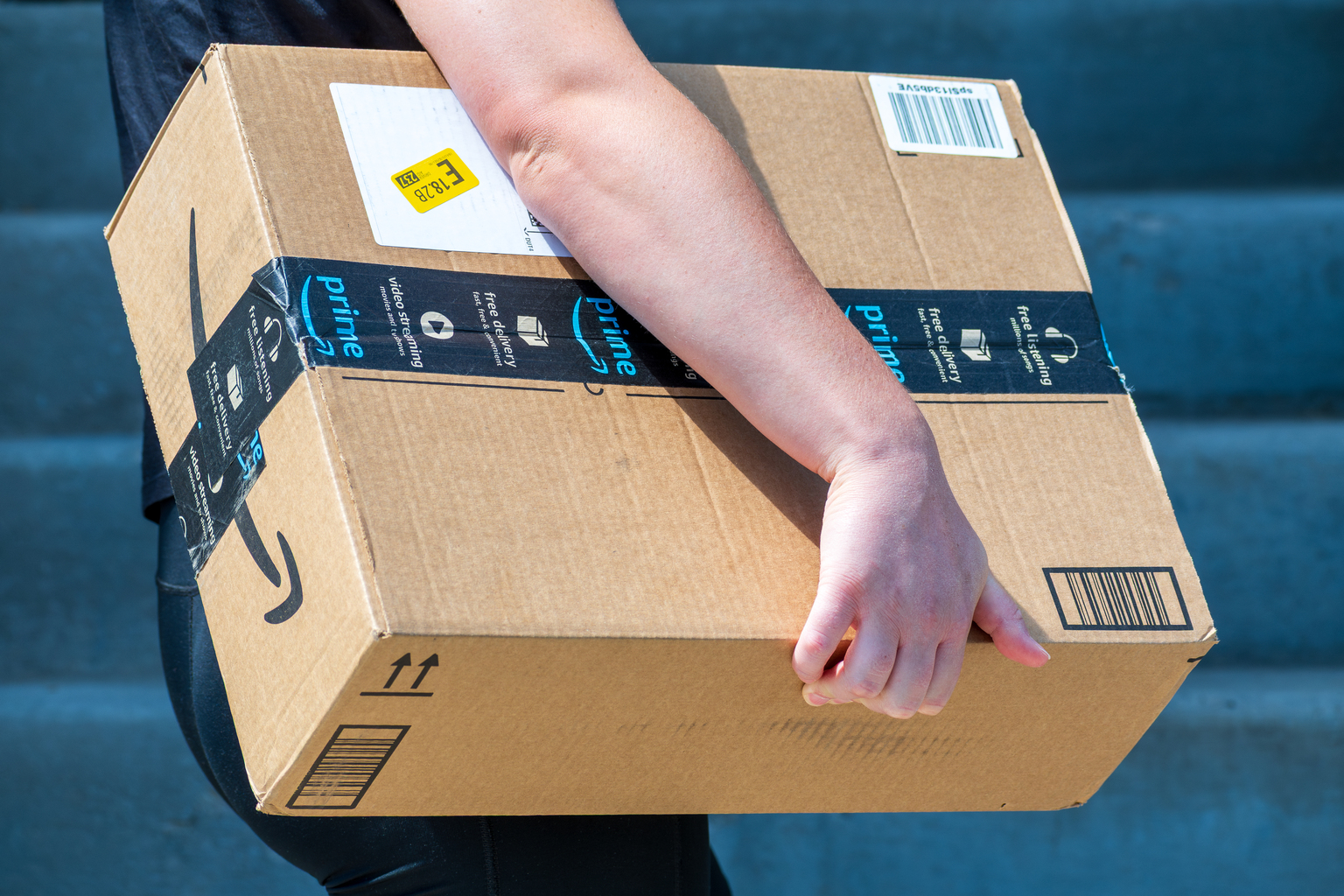
- Reduction in Postal Dependency: Amazon plans to cut its package shipments through the U.S. Postal Service by at least two-thirds before the current contract expires, significantly reducing its reliance on USPS and potentially impacting the postal service's revenue streams.
- Ongoing Negotiations: U.S. Postmaster General David Steiner indicated that while negotiations are still underway, Amazon's postal shipment volumes have already begun to decline, with full reductions expected by fall, highlighting a major shift in Amazon's logistics strategy.
- Increased Market Competition: This decision by Amazon may prompt other e-commerce platforms to reassess their partnerships with postal services, thereby intensifying market competition and affecting the overall business model of postal services.
- Uncertainty in Future Cooperation: Although negotiations between Amazon and USPS are ongoing, Steiner could not provide a clear outcome, indicating uncertainty in their future relationship, which could have strategic implications for both parties.
See More

Uber Expands Robotaxi Services with NVIDIA and Zoox


- Partnership Expansion: Uber has announced new partnerships with NVIDIA and Amazon's Zoox to launch self-driving robotaxi services in Los Angeles and San Francisco by 2027, with plans to expand to 28 cities by 2028, significantly enhancing its competitive position in the autonomous driving market.
- Cost Control Strategy: By collaborating with technology partners, Uber can advance its autonomous vehicle goals without incurring high R&D costs, leveraging existing technology platforms to accelerate market penetration and enhance business flexibility.
- Investment Plan: Uber plans to invest $500 million in its Argentina operations over the next three years, aiming to enhance local operational capabilities and capture growth opportunities in the South American market, further solidifying its global market position.
- Market Reaction Analysis: Following the announcement, Uber's stock rose 5.1%, and despite overall volatility, the positive market response to this expansion plan indicates investor confidence in its future growth potential, even as the stock has declined 6% year-to-date.
See More

Meta Delays AI Model Avocado Amid Spending Concerns


- AI Model Delay: Meta's announcement to delay the release of its latest AI model, Avocado, disappointed investors and highlights concerns over its substantial AI infrastructure spending, projected to reach between $115 billion and $135 billion by 2026.
- Strong Ad Revenue: Despite challenges, Meta's core advertising business remains robust, with revenue reaching $201 billion in 2025, a 22% year-over-year increase, and 98% of this revenue derived from ads, underscoring its dominance in the advertising market.
- High Operational Efficiency: Meta boasts an operating margin of 41%, significantly higher than Alphabet's 32%, indicating strong profitability and operational efficiency in its advertising business, even amid pressures from AI investments.
- Attractive Stock Valuation: Following a recent pullback, Meta's stock trades at just 20 times forward earnings, making it the cheapest among the
See More

Meta Platforms Falls 19% Due to AI Model Delay
- AI Model Delay Impact: The delay of Meta's latest AI model, Avocado, has led to a 19% decline in the company's stock over the past six months, reflecting market concerns about its AI infrastructure spending, despite strong fundamentals.
- Robust Revenue Growth: Meta's advertising revenue reached $201 billion in 2025, marking a 22% year-over-year increase, with 98% of this revenue coming from ads, showcasing the resilience and profitability of its core advertising business.
- Capital Expenditure Outlook: Meta's projected capital expenditures for 2026 range from $115 billion to $135 billion; however, the current stock price drop is viewed as an overreaction, with Meta trading at a forward P/E ratio of just 20, indicating its stock's attractiveness.
- Comparative Industry Advantage: Meta's operating margin stands at 41%, significantly higher than Alphabet's 32%, indicating superior efficiency and profitability in its advertising business, even amidst substantial AI investment pressures.
See More

Oracle's $50 Billion AI Investment Plan

- Surging Market Demand: Oracle reported a more than 300% increase in remaining performance obligations to $553 billion, indicating that customer demand for its AI infrastructure far exceeds supply, reflecting a strong market appetite for AI technologies.
- Significant Revenue Growth: Oracle's multi-cloud database revenue soared over 500%, while AI infrastructure revenue advanced more than 200%, which not only enhances the company's market position but also lays a solid foundation for sustained future growth.
- Robust Financing Plan: Following the announcement of its $50 billion AI investment plan, Oracle quickly raised $30 billion through investment-grade bonds and mandatory convertible preferred stock, demonstrating the prudence of its financing strategy and commitment to maintaining its investment-grade rating.
- Optimistic Industry Outlook: Despite investor concerns about overspending on AI, Oracle's actions are viewed as a strategic decision to continue playing a major role in what could be a once-in-a-generation opportunity, indicating the company's confidence in the future AI market.
See More
Amazon Launches 1-Hour and 3-Hour Delivery Services
- Delivery Options Expansion: Amazon has launched 1-hour and 3-hour delivery services for over-the-counter medicines, electronics, and groceries, charging Prime members $9.99 and $4.99 respectively, while non-members pay $19.99 and $14.99, significantly enhancing customer convenience.
- Wide Coverage: The 1-hour delivery service is available in hundreds of cities and towns across the U.S., while the 3-hour option is offered in over 2,000 locations, indicating Amazon's growing market penetration in the fast delivery sector.
- Enhanced Search Features: To improve user experience, Amazon has added “in 1 hour” or “in 3 hours” search filters and a dedicated shopping page, enabling customers to easily find products eligible for quick delivery, thereby driving sales growth.
- New Service Testing: Amazon is testing the “Amazon Now” service, which offers delivery in about 30 minutes for everyday essentials and perishables, showcasing the company's ongoing innovation in fast delivery and responsiveness to market demand.
See More
Amazon Plans Major Cut in Postal Shipments
- Reduction in Postal Dependency: Amazon plans to cut its package shipments through the U.S. Postal Service by at least two-thirds before the current contract expires, significantly reducing its reliance on USPS and potentially impacting the postal service's revenue streams.
- Ongoing Negotiations: U.S. Postmaster General David Steiner indicated that while negotiations are still underway, Amazon's postal shipment volumes have already begun to decline, with full reductions expected by fall, highlighting a major shift in Amazon's logistics strategy.
- Increased Market Competition: This decision by Amazon may prompt other e-commerce platforms to reassess their partnerships with postal services, thereby intensifying market competition and affecting the overall business model of postal services.
- Uncertainty in Future Cooperation: Although negotiations between Amazon and USPS are ongoing, Steiner could not provide a clear outcome, indicating uncertainty in their future relationship, which could have strategic implications for both parties.
See More
Uber Expands Robotaxi Services with NVIDIA and Zoox
- Partnership Expansion: Uber has announced new partnerships with NVIDIA and Amazon's Zoox to launch self-driving robotaxi services in Los Angeles and San Francisco by 2027, with plans to expand to 28 cities by 2028, significantly enhancing its competitive position in the autonomous driving market.
- Cost Control Strategy: By collaborating with technology partners, Uber can advance its autonomous vehicle goals without incurring high R&D costs, leveraging existing technology platforms to accelerate market penetration and enhance business flexibility.
- Investment Plan: Uber plans to invest $500 million in its Argentina operations over the next three years, aiming to enhance local operational capabilities and capture growth opportunities in the South American market, further solidifying its global market position.
- Market Reaction Analysis: Following the announcement, Uber's stock rose 5.1%, and despite overall volatility, the positive market response to this expansion plan indicates investor confidence in its future growth potential, even as the stock has declined 6% year-to-date.
See More
Meta Delays AI Model Avocado Amid Spending Concerns
- AI Model Delay: Meta's announcement to delay the release of its latest AI model, Avocado, disappointed investors and highlights concerns over its substantial AI infrastructure spending, projected to reach between $115 billion and $135 billion by 2026.
- Strong Ad Revenue: Despite challenges, Meta's core advertising business remains robust, with revenue reaching $201 billion in 2025, a 22% year-over-year increase, and 98% of this revenue derived from ads, underscoring its dominance in the advertising market.
- High Operational Efficiency: Meta boasts an operating margin of 41%, significantly higher than Alphabet's 32%, indicating strong profitability and operational efficiency in its advertising business, even amid pressures from AI investments.
- Attractive Stock Valuation: Following a recent pullback, Meta's stock trades at just 20 times forward earnings, making it the cheapest among the
See More
Meta Platforms Falls 19% Due to AI Model Delay
- AI Model Delay Impact: The delay of Meta's latest AI model, Avocado, has led to a 19% decline in the company's stock over the past six months, reflecting market concerns about its AI infrastructure spending, despite strong fundamentals.
- Robust Revenue Growth: Meta's advertising revenue reached $201 billion in 2025, marking a 22% year-over-year increase, with 98% of this revenue coming from ads, showcasing the resilience and profitability of its core advertising business.
- Capital Expenditure Outlook: Meta's projected capital expenditures for 2026 range from $115 billion to $135 billion; however, the current stock price drop is viewed as an overreaction, with Meta trading at a forward P/E ratio of just 20, indicating its stock's attractiveness.
- Comparative Industry Advantage: Meta's operating margin stands at 41%, significantly higher than Alphabet's 32%, indicating superior efficiency and profitability in its advertising business, even amidst substantial AI investment pressures.
See More
Oracle's $50 Billion AI Investment Plan
- Surging Market Demand: Oracle reported a more than 300% increase in remaining performance obligations to $553 billion, indicating that customer demand for its AI infrastructure far exceeds supply, reflecting a strong market appetite for AI technologies.
- Significant Revenue Growth: Oracle's multi-cloud database revenue soared over 500%, while AI infrastructure revenue advanced more than 200%, which not only enhances the company's market position but also lays a solid foundation for sustained future growth.
- Robust Financing Plan: Following the announcement of its $50 billion AI investment plan, Oracle quickly raised $30 billion through investment-grade bonds and mandatory convertible preferred stock, demonstrating the prudence of its financing strategy and commitment to maintaining its investment-grade rating.
- Optimistic Industry Outlook: Despite investor concerns about overspending on AI, Oracle's actions are viewed as a strategic decision to continue playing a major role in what could be a once-in-a-generation opportunity, indicating the company's confidence in the future AI market.
See More