Trump's Intent to Seize Iran's Oil Market Raises Concerns
Written by Emily J. Thompson, Senior Investment Analyst
Updated: 1 day ago
0mins

Should l Buy BP?
Source: CNBC
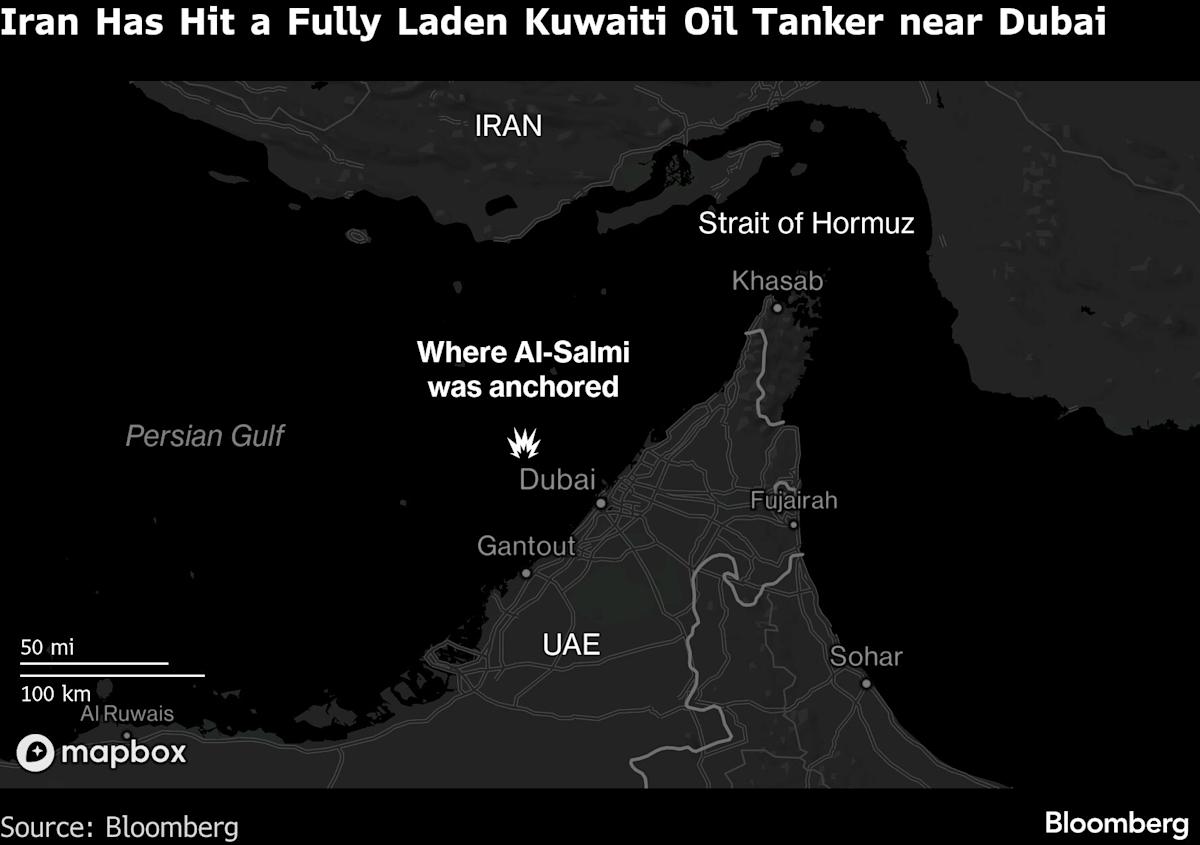
- Cautious Market Reaction: Trump's declaration of wanting to 'take Iran's oil' while suggesting a 'peace deal could be made fairly quickly' has left markets feeling uneasy, leading investors to adopt a risk-averse stance as Asia-Pacific markets fell sharply on Monday.
- Military Deployment Escalation: The Pentagon is reportedly preparing for weeks of ground operations in Iran, with thousands of American soldiers and Marines arriving in the Middle East, raising concerns about an escalation in the Iran conflict that could disrupt global supply chains and increase prices.
- Rising Oil Price Pressure: Oil prices are climbing again as the conflict intensifies, particularly after Yemen's Iran-backed Houthis fired missiles at Israel, heightening fears over energy supply disruptions that could impact the global economy.
- Shipping Route Risks: The Strait of Hormuz, a vital shipping route, is being impeded by the ongoing war, with industry leaders warning that if it does not reopen by mid-April, supply disruptions could worsen significantly, affecting operations across various sectors.
Trade with 70% Backtested Accuracy
Stop guessing "Should I Buy BP?" and start using high-conviction signals backed by rigorous historical data.
Sign up today to access powerful investing tools and make smarter, data-driven decisions.
Analyst Views on BP
Wall Street analysts forecast BP stock price to rise
11 Analyst Rating
5 Buy
5 Hold
1 Sell
Moderate Buy
Current: 46.680

Low
6.38
Averages
84.26
High
503.69
Current: 46.680
Low
6.38
Averages
84.26
High
503.69
About BP
BP p.l.c. is a United Kingdom-based integrated energy company. Its segments include Gas & low carbon energy, Oil production & operations, Customers & products, and Other businesses & corporate. The gas & low carbon energy comprises regions with upstream businesses that predominantly produce natural gas, gas marketing and trading activities and its solar, wind and hydrogen businesses. The oil production & operations segment comprises regions with upstream activities that predominantly produce crude oil, including bpx energy. The customers & products segment comprises its customer-focused businesses, which include convenience and retail fuels, electric vehicle (EV) charging, as well as Castrol, aviation and business-to-business (B2B) and midstream. It also includes its products businesses, refining and oil trading, as well as its bioenergy businesses. The other businesses and corporate also comprises the Company's shipping and treasury functions, and corporate activities worldwide.
About the author

Emily J. Thompson
Emily J. Thompson, a Chartered Financial Analyst (CFA) with 12 years in investment research, graduated with honors from the Wharton School. Specializing in industrial and technology stocks, she provides in-depth analysis for Intellectia’s earnings and market brief reports.
South Korea Proposes ₩26.2 Trillion Budget to Address Energy Crisis


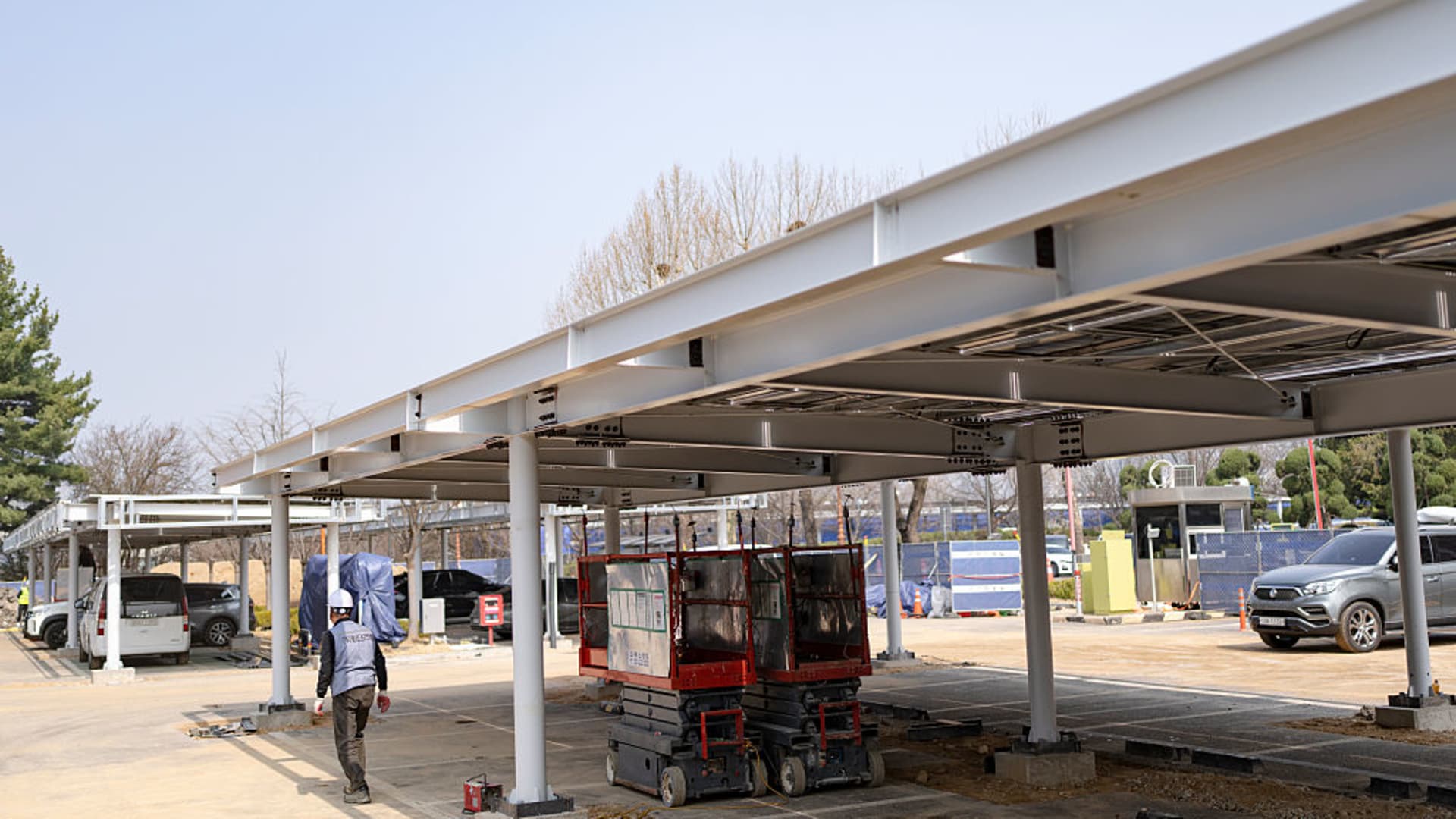
- Budget Proposal: The South Korean government has proposed a supplementary budget of ₩26.2 trillion (approximately $17.1 billion) to address rising energy prices due to the Middle East conflict, aiming to alleviate economic pressure on households and industries.
- Key Measures: Of this, ₩10.1 trillion will be specifically allocated to ease high oil prices, alongside support for exporters and increased grants to local governments, all aimed at fostering economic recovery.
- Need for Fiscal Support: Minister of Planning and Budget Park Hong-geun emphasized the necessity of swift fiscal support to alleviate hardships faced by citizens, ensuring that the momentum of economic recovery is not lost.
- Funding Sources: The budget will be financed through tax revenues from booming chip exports and a rally in the stock market, with expectations for parliamentary approval by April 10, reflecting the government's strong commitment to economic stability.
See More

BP's EV Charging Division Loses Head Again Amid Investment Cuts
- Executive Turnover: BP's electric vehicle charging division has lost its head for the second time in a year, with Martin Thomsen joining Rolls-Royce this month, indicating instability in the company's energy transition strategy that could impact future direction.
- Investment Reduction Trend: Ahead of the new CEO's arrival, BP is scaling back investments in clean energy businesses, having shut down the team responsible for electric, hydrogen, and other low-emission vehicle solutions last year, reflecting a cautious approach to future market dynamics.
- Charging Network Goals: BP Pulse focuses on EV charging in the UK, US, Germany, and China, aiming for 100,000 public charging points by 2030; despite selling over 1.5 TWh of energy last year, a record high, the strategic shift may hinder achieving this target.
- Leadership Change Impact: With Meg O'Neill set to take over as CEO, the leadership transition at BP may lead to a shift in strategic focus within the EV charging sector, potentially affecting its competitiveness in the rapidly evolving electric vehicle market.
See More
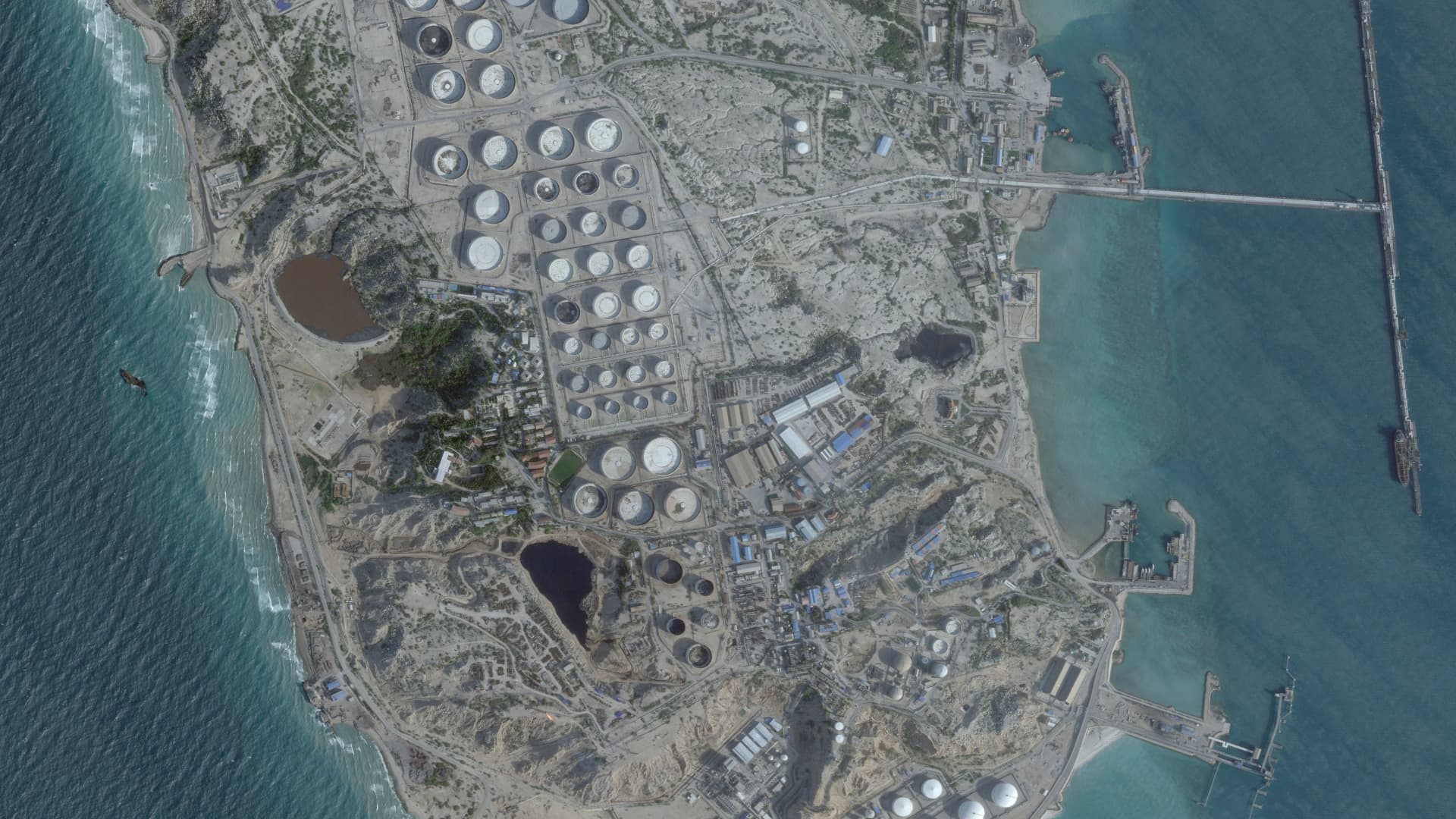
Trump's Intent to Seize Iran's Oil Market Raises Concerns

- Cautious Market Reaction: Trump's declaration of wanting to 'take Iran's oil' while suggesting a 'peace deal could be made fairly quickly' has left markets feeling uneasy, leading investors to adopt a risk-averse stance as Asia-Pacific markets fell sharply on Monday.
- Military Deployment Escalation: The Pentagon is reportedly preparing for weeks of ground operations in Iran, with thousands of American soldiers and Marines arriving in the Middle East, raising concerns about an escalation in the Iran conflict that could disrupt global supply chains and increase prices.
- Rising Oil Price Pressure: Oil prices are climbing again as the conflict intensifies, particularly after Yemen's Iran-backed Houthis fired missiles at Israel, heightening fears over energy supply disruptions that could impact the global economy.
- Shipping Route Risks: The Strait of Hormuz, a vital shipping route, is being impeded by the ongoing war, with industry leaders warning that if it does not reopen by mid-April, supply disruptions could worsen significantly, affecting operations across various sectors.
See More
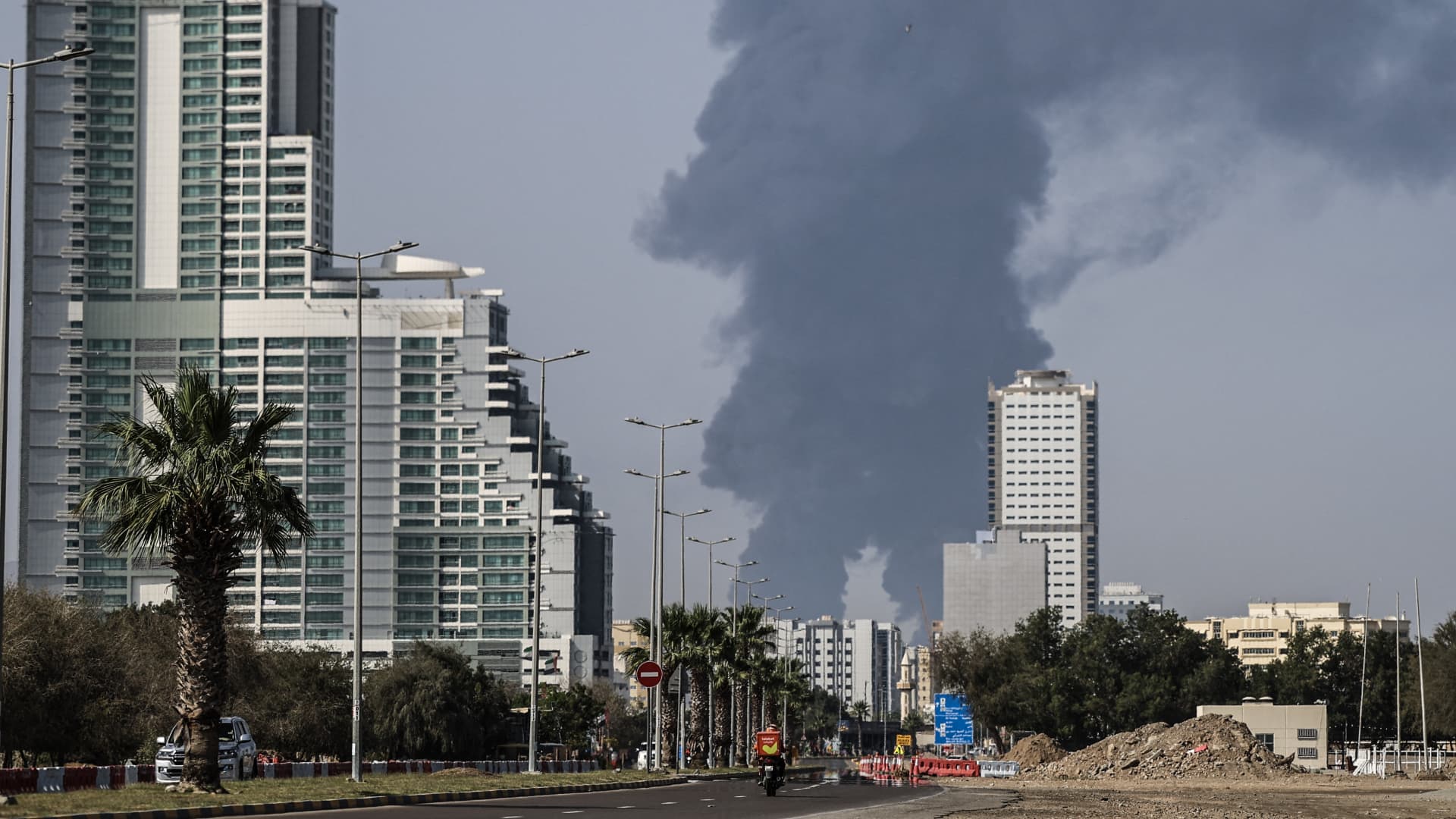
Middle East Tensions Escalate, Oil Prices Surge
- U.S. Troop Increase: President Trump indicated the possibility of deploying ground forces to Iran's Kharg Island, with 3,500 U.S. troops already in the region, signaling an escalation in military presence that could heighten tensions and impact global energy markets.
- Surging Oil Prices: Brent crude futures rose 2.92% to $115.86 per barrel, while U.S. West Texas Intermediate futures increased by 3.20% to $102.80 per barrel, reflecting market concerns over escalating tensions in the Middle East that could lead to higher energy costs.
- Infrastructure Attacks: An attack on a power generation and desalination plant in Kuwait resulted in the death of an Indian worker, highlighting the threat posed by Iranian aggression to critical infrastructure, which could disrupt water and electricity supplies and escalate regional conflict.
- Houthi Forces Involvement: The Houthi forces from Yemen launched ballistic missiles targeting Israel, further intensifying regional tensions and indicating a broader conflict that could have significant implications for global markets.
See More
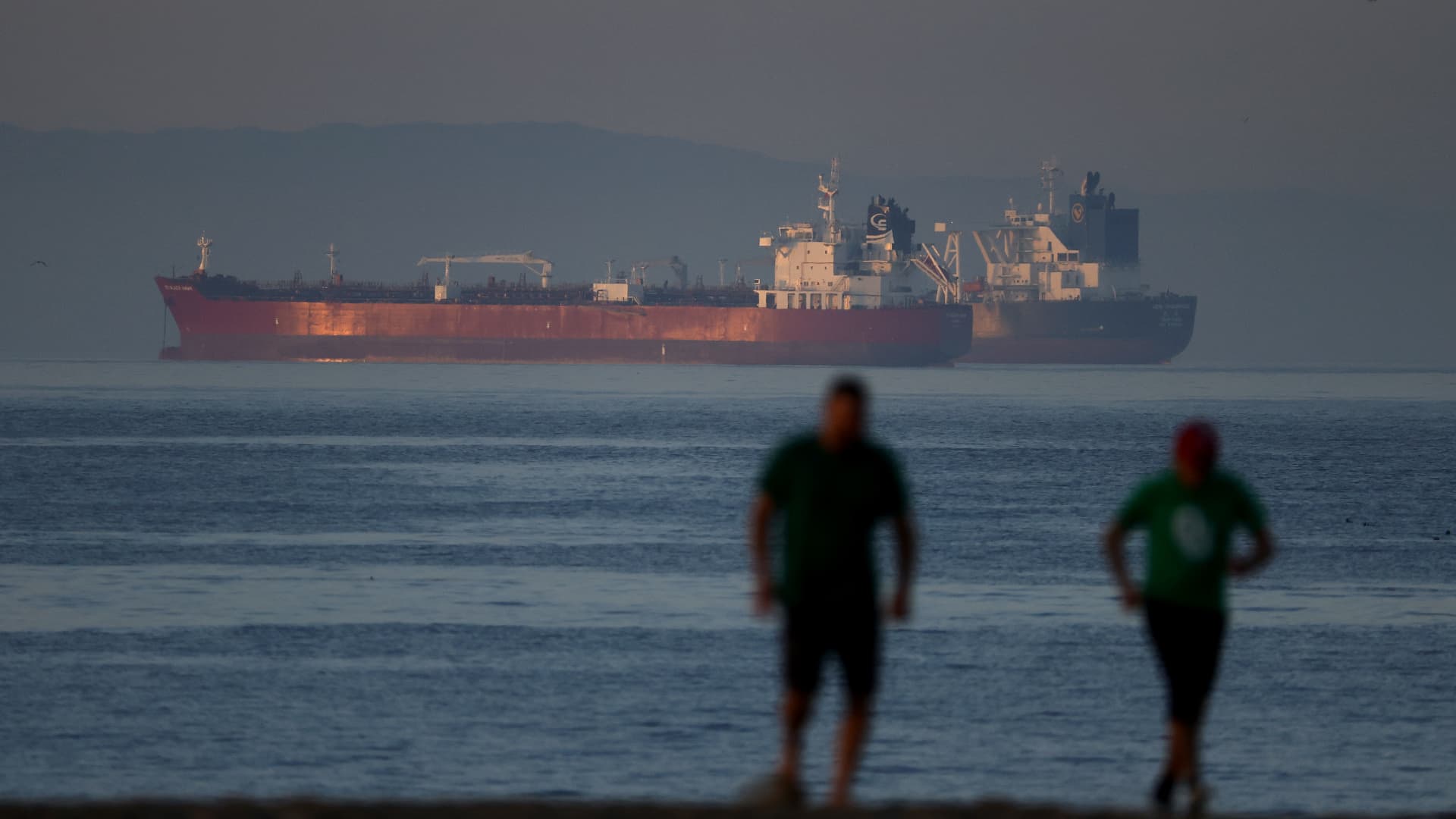
Energy Executives Warn of Middle East War Impact


- Oil Supply Crisis: CEOs of major energy companies warned at S&P Global's CERAWeek that the Iran war has disrupted 8 million barrels of oil and 20% of the LNG market daily, potentially leading to fuel shortages in Asia and Europe, severely impacting the global economy.
- Market Reaction Lag: ConocoPhillips CEO Ryan Lance noted that the market is not reflecting the scale of the supply disruption, with oil prices likely to remain high at $99.64 per barrel even after the conflict ends, as countries will need to restock depleted reserves.
- Geopolitical Risks Escalate: Kuwait Petroleum CEO Sheikh Nawaf al-Sabah stated that Iran's blockade of the Strait of Hormuz is not only an attack on Gulf nations but poses a threat to the global economy, potentially causing a domino effect throughout the supply chain.
- Fuel Shortages Spread: Shell CEO Wael Sawan highlighted that jet fuel and diesel prices have surged to $200 and $160 per barrel respectively, with the crisis expected to impact major Asian economies and reach Europe by April, prompting governments to stockpile and protect their supplies.
See More

Impact of Iran War on U.S. Economy Intensifies
- Strait of Hormuz Closure Risk: Iran's attacks on civilian ships and energy infrastructure have led to a near standstill in the Strait of Hormuz, threatening about 20% of global oil supply, and if not reopened within the next three weeks, energy prices could surge, putting pressure on the global economy.
- Oil Price Volatility: Brent crude futures have risen 36% since February 27, while Dubai crude prices have surged 76%, highlighting a significant disparity between paper prices and physical delivery prices, reflecting market concerns over future supply shortages.
- Strategic Reserve Release: The U.S. government plans to release 400 million barrels from its strategic oil reserves, the largest release on record, aimed at alleviating market pressure; however, analysts warn that the effectiveness of this measure will diminish by mid-April, potentially leading to soaring oil prices.
- Market Confidence Erosion: Despite a slight uptick in the S&P 500 amid optimism over Trump's delay of military action, the index fell 3.4% in subsequent days, indicating investor concerns about inflation and interest rate prospects, leading to a significant deterioration in market sentiment.
See More
South Korea Proposes ₩26.2 Trillion Budget to Address Energy Crisis
- Budget Proposal: The South Korean government has proposed a supplementary budget of ₩26.2 trillion (approximately $17.1 billion) to address rising energy prices due to the Middle East conflict, aiming to alleviate economic pressure on households and industries.
- Key Measures: Of this, ₩10.1 trillion will be specifically allocated to ease high oil prices, alongside support for exporters and increased grants to local governments, all aimed at fostering economic recovery.
- Need for Fiscal Support: Minister of Planning and Budget Park Hong-geun emphasized the necessity of swift fiscal support to alleviate hardships faced by citizens, ensuring that the momentum of economic recovery is not lost.
- Funding Sources: The budget will be financed through tax revenues from booming chip exports and a rally in the stock market, with expectations for parliamentary approval by April 10, reflecting the government's strong commitment to economic stability.
See More
BP's EV Charging Division Loses Head Again Amid Investment Cuts
- Executive Turnover: BP's electric vehicle charging division has lost its head for the second time in a year, with Martin Thomsen joining Rolls-Royce this month, indicating instability in the company's energy transition strategy that could impact future direction.
- Investment Reduction Trend: Ahead of the new CEO's arrival, BP is scaling back investments in clean energy businesses, having shut down the team responsible for electric, hydrogen, and other low-emission vehicle solutions last year, reflecting a cautious approach to future market dynamics.
- Charging Network Goals: BP Pulse focuses on EV charging in the UK, US, Germany, and China, aiming for 100,000 public charging points by 2030; despite selling over 1.5 TWh of energy last year, a record high, the strategic shift may hinder achieving this target.
- Leadership Change Impact: With Meg O'Neill set to take over as CEO, the leadership transition at BP may lead to a shift in strategic focus within the EV charging sector, potentially affecting its competitiveness in the rapidly evolving electric vehicle market.
See More
Trump's Intent to Seize Iran's Oil Market Raises Concerns
- Cautious Market Reaction: Trump's declaration of wanting to 'take Iran's oil' while suggesting a 'peace deal could be made fairly quickly' has left markets feeling uneasy, leading investors to adopt a risk-averse stance as Asia-Pacific markets fell sharply on Monday.
- Military Deployment Escalation: The Pentagon is reportedly preparing for weeks of ground operations in Iran, with thousands of American soldiers and Marines arriving in the Middle East, raising concerns about an escalation in the Iran conflict that could disrupt global supply chains and increase prices.
- Rising Oil Price Pressure: Oil prices are climbing again as the conflict intensifies, particularly after Yemen's Iran-backed Houthis fired missiles at Israel, heightening fears over energy supply disruptions that could impact the global economy.
- Shipping Route Risks: The Strait of Hormuz, a vital shipping route, is being impeded by the ongoing war, with industry leaders warning that if it does not reopen by mid-April, supply disruptions could worsen significantly, affecting operations across various sectors.
See More
Middle East Tensions Escalate, Oil Prices Surge
- U.S. Troop Increase: President Trump indicated the possibility of deploying ground forces to Iran's Kharg Island, with 3,500 U.S. troops already in the region, signaling an escalation in military presence that could heighten tensions and impact global energy markets.
- Surging Oil Prices: Brent crude futures rose 2.92% to $115.86 per barrel, while U.S. West Texas Intermediate futures increased by 3.20% to $102.80 per barrel, reflecting market concerns over escalating tensions in the Middle East that could lead to higher energy costs.
- Infrastructure Attacks: An attack on a power generation and desalination plant in Kuwait resulted in the death of an Indian worker, highlighting the threat posed by Iranian aggression to critical infrastructure, which could disrupt water and electricity supplies and escalate regional conflict.
- Houthi Forces Involvement: The Houthi forces from Yemen launched ballistic missiles targeting Israel, further intensifying regional tensions and indicating a broader conflict that could have significant implications for global markets.
See More
Energy Executives Warn of Middle East War Impact
- Oil Supply Crisis: CEOs of major energy companies warned at S&P Global's CERAWeek that the Iran war has disrupted 8 million barrels of oil and 20% of the LNG market daily, potentially leading to fuel shortages in Asia and Europe, severely impacting the global economy.
- Market Reaction Lag: ConocoPhillips CEO Ryan Lance noted that the market is not reflecting the scale of the supply disruption, with oil prices likely to remain high at $99.64 per barrel even after the conflict ends, as countries will need to restock depleted reserves.
- Geopolitical Risks Escalate: Kuwait Petroleum CEO Sheikh Nawaf al-Sabah stated that Iran's blockade of the Strait of Hormuz is not only an attack on Gulf nations but poses a threat to the global economy, potentially causing a domino effect throughout the supply chain.
- Fuel Shortages Spread: Shell CEO Wael Sawan highlighted that jet fuel and diesel prices have surged to $200 and $160 per barrel respectively, with the crisis expected to impact major Asian economies and reach Europe by April, prompting governments to stockpile and protect their supplies.
See More
Impact of Iran War on U.S. Economy Intensifies
- Strait of Hormuz Closure Risk: Iran's attacks on civilian ships and energy infrastructure have led to a near standstill in the Strait of Hormuz, threatening about 20% of global oil supply, and if not reopened within the next three weeks, energy prices could surge, putting pressure on the global economy.
- Oil Price Volatility: Brent crude futures have risen 36% since February 27, while Dubai crude prices have surged 76%, highlighting a significant disparity between paper prices and physical delivery prices, reflecting market concerns over future supply shortages.
- Strategic Reserve Release: The U.S. government plans to release 400 million barrels from its strategic oil reserves, the largest release on record, aimed at alleviating market pressure; however, analysts warn that the effectiveness of this measure will diminish by mid-April, potentially leading to soaring oil prices.
- Market Confidence Erosion: Despite a slight uptick in the S&P 500 amid optimism over Trump's delay of military action, the index fell 3.4% in subsequent days, indicating investor concerns about inflation and interest rate prospects, leading to a significant deterioration in market sentiment.
See More