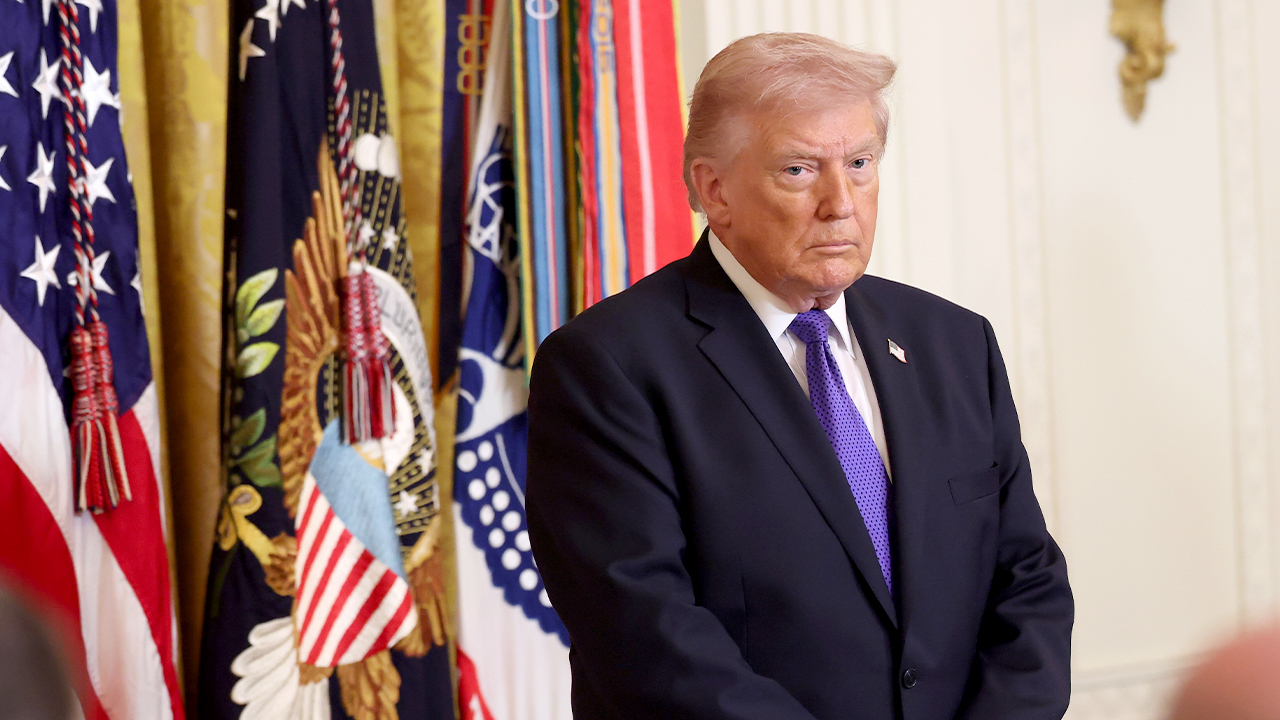
Trump's Ambiguous Objectives in Iran War


- Unclear War Objectives: Trump's military action against Iran has seen its objectives shift multiple times within 48 hours, ranging from preventing nuclear weapons to regime change, raising questions about U.S. strategic intentions and potentially affecting Congressional support for the war.
- Rising U.S. Casualties: With U.S. service member deaths climbing to six, opposition from Democrats has intensified, and some Republicans are beginning to question Trump's military strategy, which could lead to increased pressure on the administration in Congress.
- Divergent Cabinet Opinions: Trump's cabinet members have differing views on the nature and goals of the war, with the Defense Secretary stating it is not a
Trade with 70% Backtested Accuracy
Analyst Views on LMT

About LMT
About the author

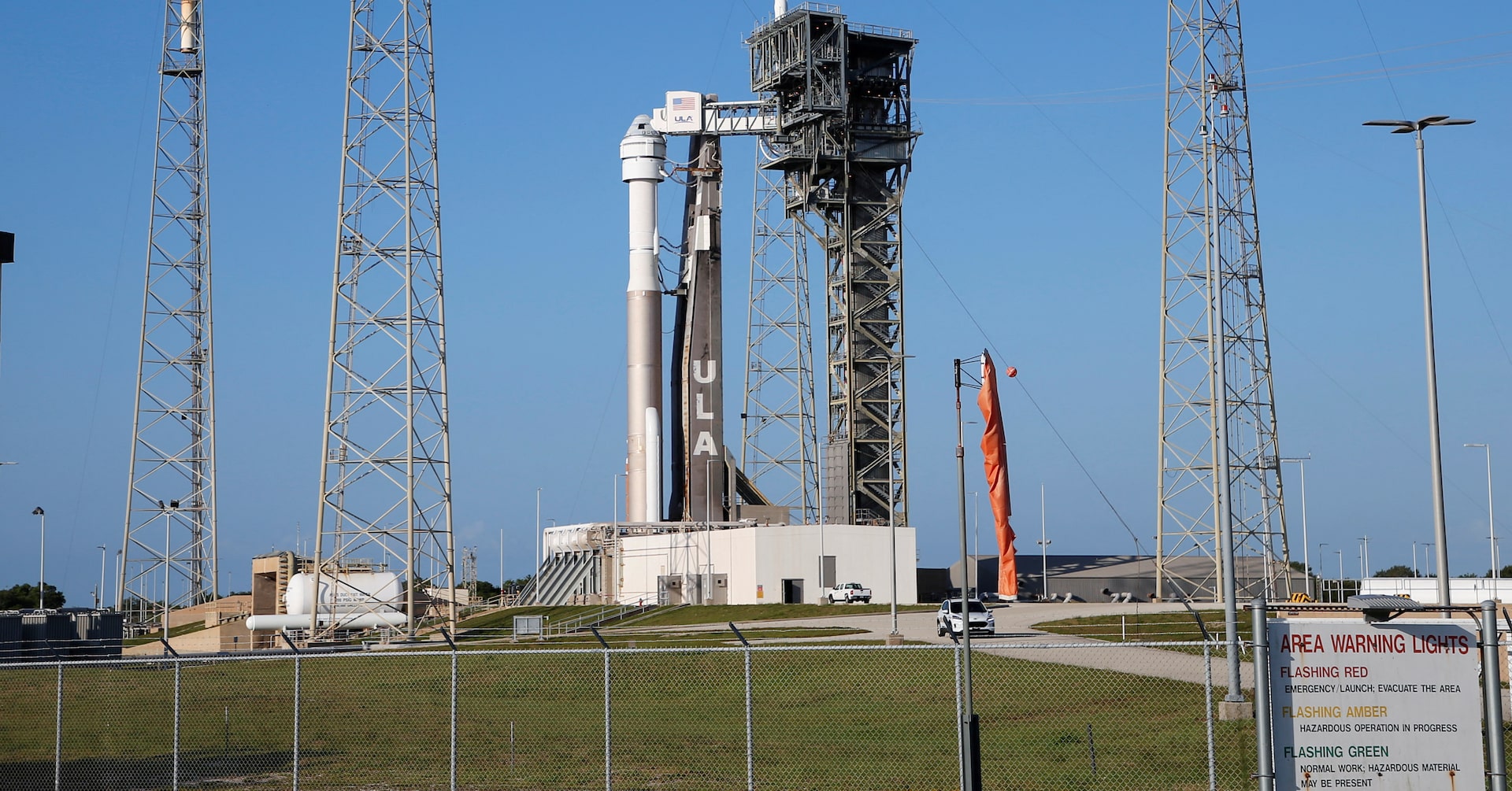
Analysis of Schwab U.S. Dividend Equity ETF Investment

- Dividend Growth Advantage: The Schwab U.S. Dividend Equity ETF focuses on high-quality dividend stocks, with the S&P 500 members historically delivering a 7.7% annualized total return, while dividend-paying companies achieved an average of 9.2%, highlighting the superiority of dividend stocks.
- Quality Holdings Performance: The ETF's top holding, Lockheed Martin (LMT), boasts a 2.1% dividend yield, nearly double that of the S&P 500, and has increased its dividend for 23 consecutive years, demonstrating strong cash flows and ongoing growth potential.
- Income and Value Growth: With an average yield of 3.5% and over 8% annual dividend growth over the past five years, the Schwab U.S. Dividend Equity ETF not only provides investors with a stable cash flow but also enhances asset value through the earnings growth of its holdings.
- Long-Term Return Expectations: Since its inception in 2011, the ETF has achieved an annualized return of 12.88%, and its strategy of combining high-yield dividends with capital appreciation positions it to continue delivering strong total returns in the future, making it a preferred choice for investors.

Lockheed Martin to Phase Out Claude AI Tools Following Federal Ban
- Government Ban Impact: Lockheed Martin has pledged to phase out Anthropic's Claude AI tools over six months in compliance with President Trump's federal ban, although the company expects minimal impacts and does not rely on any single AI vendor for its operations.
- Legal Authority Questioned: Attorney Franklin Turner noted that firms are already taking steps to cleanse their supply chains, stating that the ban has caused significant harm to the company, while attorney Jason Workmaster described the Pentagon's move as 'highly aggressive' and likely lacking legal authority if challenged.
- Legal Challenge Anticipated: Anthropic has announced plans to challenge the ban in court, with CEO Dario Amodei emphasizing the company's refusal of unrestricted Pentagon use due to concerns over domestic surveillance and autonomous weapons, highlighting the importance of rule of law in capitalism.
- Market Performance Analysis: Lockheed Martin boasts a market capitalization of $153.65 billion, with a 52-week high of $692.00 and a low of $410.11, while its RSI stands at 64.24, indicating strong momentum despite facing policy risks.

OpenAI's Controversial Partnership with the Pentagon


- DoD Partnership Agreement: OpenAI's $200 million contract with the Department of Defense allows its models to be used in non-classified contexts, while the new arrangement enables deployment across classified networks, highlighting the company's significance in government projects.
- Operational Decision Constraints: CEO Sam Altman stated in an all-hands meeting that while the DoD respects OpenAI's technical expertise, operational decisions ultimately rest with the Secretary of Defense, raising employee concerns about the company's direction.
- Competitor Dynamics: Following OpenAI's agreement with the DoD, rival Anthropic was labeled a 'Supply-Chain Risk to National Security' and banned from using its technology, illustrating the intense competition and policy implications within the industry.
- Safety and Collaboration: Altman acknowledged that the partnership with the DoD appeared 'opportunistic and sloppy,' yet emphasized the agency's commitment to safety and willingness to collaborate with OpenAI, indicating potential ethical and security challenges the company may face in the future.
Escalating Cyberattack Threat from Iran Amid U.S. Tensions

- Protests Escalate: Hundreds of Iraqi Shiites protested in Baghdad against U.S. and Israeli strikes on Iran, indicating a rise in regional tensions that could lead to larger conflicts and instability.
- Increased Cyberattack Risk: Cybersecurity experts warn that Iran may launch attacks on U.S. businesses and infrastructure at a high-risk moment, highlighting the rising potential for cyber threats against critical sectors.
- CISA Challenges: The Cybersecurity and Infrastructure Security Agency (CISA) faces significant challenges due to a partial government shutdown and management reshuffle, resulting in staff shortages and resource constraints that may weaken its ability to counteract cyber threats.
- Financial Sector Vigilance: JPMorgan Chase's CEO noted that banks could be targets for cyberattacks, anticipating an increase in global cyber or terrorist threats, which underscores the financial industry's heightened focus on cybersecurity.

This Schwab Dividend ETF Shines Bright, with Defense and Energy as Key Sectors.


- Investor Expectations: Investors in the Schwab U.S. Dividend Equity ETF are not anticipating significant growth this year.
- Current Performance: Despite low expectations, the ETF is experiencing notable performance this year.

Strategies for Navigating a Volatile Market Amid Rising Oil Prices and Falling Stocks


Market Concerns: The markets are experiencing a downturn due to escalating fears of a prolonged conflict in Iran.
Oil Price Impact: Investors are worried that rising oil prices could negatively affect the global economy and reignite inflation fears.
AI Trade Vulnerability: The situation poses particular challenges for the previously thriving artificial intelligence sector.
Investment Climate: Overall, it is becoming increasingly difficult for investors to find safe investment opportunities amid these uncertainties.
Analysis of Schwab U.S. Dividend Equity ETF Investment
- Dividend Growth Advantage: The Schwab U.S. Dividend Equity ETF focuses on high-quality dividend stocks, with the S&P 500 members historically delivering a 7.7% annualized total return, while dividend-paying companies achieved an average of 9.2%, highlighting the superiority of dividend stocks.
- Quality Holdings Performance: The ETF's top holding, Lockheed Martin (LMT), boasts a 2.1% dividend yield, nearly double that of the S&P 500, and has increased its dividend for 23 consecutive years, demonstrating strong cash flows and ongoing growth potential.
- Income and Value Growth: With an average yield of 3.5% and over 8% annual dividend growth over the past five years, the Schwab U.S. Dividend Equity ETF not only provides investors with a stable cash flow but also enhances asset value through the earnings growth of its holdings.
- Long-Term Return Expectations: Since its inception in 2011, the ETF has achieved an annualized return of 12.88%, and its strategy of combining high-yield dividends with capital appreciation positions it to continue delivering strong total returns in the future, making it a preferred choice for investors.
Lockheed Martin to Phase Out Claude AI Tools Following Federal Ban
- Government Ban Impact: Lockheed Martin has pledged to phase out Anthropic's Claude AI tools over six months in compliance with President Trump's federal ban, although the company expects minimal impacts and does not rely on any single AI vendor for its operations.
- Legal Authority Questioned: Attorney Franklin Turner noted that firms are already taking steps to cleanse their supply chains, stating that the ban has caused significant harm to the company, while attorney Jason Workmaster described the Pentagon's move as 'highly aggressive' and likely lacking legal authority if challenged.
- Legal Challenge Anticipated: Anthropic has announced plans to challenge the ban in court, with CEO Dario Amodei emphasizing the company's refusal of unrestricted Pentagon use due to concerns over domestic surveillance and autonomous weapons, highlighting the importance of rule of law in capitalism.
- Market Performance Analysis: Lockheed Martin boasts a market capitalization of $153.65 billion, with a 52-week high of $692.00 and a low of $410.11, while its RSI stands at 64.24, indicating strong momentum despite facing policy risks.
OpenAI's Controversial Partnership with the Pentagon
- DoD Partnership Agreement: OpenAI's $200 million contract with the Department of Defense allows its models to be used in non-classified contexts, while the new arrangement enables deployment across classified networks, highlighting the company's significance in government projects.
- Operational Decision Constraints: CEO Sam Altman stated in an all-hands meeting that while the DoD respects OpenAI's technical expertise, operational decisions ultimately rest with the Secretary of Defense, raising employee concerns about the company's direction.
- Competitor Dynamics: Following OpenAI's agreement with the DoD, rival Anthropic was labeled a 'Supply-Chain Risk to National Security' and banned from using its technology, illustrating the intense competition and policy implications within the industry.
- Safety and Collaboration: Altman acknowledged that the partnership with the DoD appeared 'opportunistic and sloppy,' yet emphasized the agency's commitment to safety and willingness to collaborate with OpenAI, indicating potential ethical and security challenges the company may face in the future.
Escalating Cyberattack Threat from Iran Amid U.S. Tensions
- Protests Escalate: Hundreds of Iraqi Shiites protested in Baghdad against U.S. and Israeli strikes on Iran, indicating a rise in regional tensions that could lead to larger conflicts and instability.
- Increased Cyberattack Risk: Cybersecurity experts warn that Iran may launch attacks on U.S. businesses and infrastructure at a high-risk moment, highlighting the rising potential for cyber threats against critical sectors.
- CISA Challenges: The Cybersecurity and Infrastructure Security Agency (CISA) faces significant challenges due to a partial government shutdown and management reshuffle, resulting in staff shortages and resource constraints that may weaken its ability to counteract cyber threats.
- Financial Sector Vigilance: JPMorgan Chase's CEO noted that banks could be targets for cyberattacks, anticipating an increase in global cyber or terrorist threats, which underscores the financial industry's heightened focus on cybersecurity.
This Schwab Dividend ETF Shines Bright, with Defense and Energy as Key Sectors.
- Investor Expectations: Investors in the Schwab U.S. Dividend Equity ETF are not anticipating significant growth this year.
- Current Performance: Despite low expectations, the ETF is experiencing notable performance this year.
Strategies for Navigating a Volatile Market Amid Rising Oil Prices and Falling Stocks
Market Concerns: The markets are experiencing a downturn due to escalating fears of a prolonged conflict in Iran.
Oil Price Impact: Investors are worried that rising oil prices could negatively affect the global economy and reignite inflation fears.
AI Trade Vulnerability: The situation poses particular challenges for the previously thriving artificial intelligence sector.
Investment Climate: Overall, it is becoming increasingly difficult for investors to find safe investment opportunities amid these uncertainties.