Trump Temporarily Waives U.S. Shipping Law to Stabilize Oil Market
Written by Emily J. Thompson, Senior Investment Analyst
Updated: Mar 18 2026
0mins

Source: CNBC
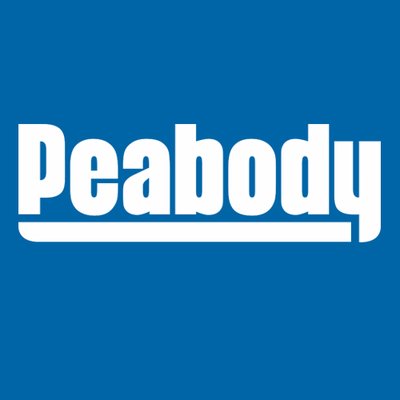
- Shipping Law Waiver: President Trump announced a 60-day waiver of the Jones Act to stabilize the oil market amid the Iran war, allowing vital resources like oil and natural gas to flow freely to U.S. ports, thereby alleviating supply chain pressures.
- Market Reaction: Following the waiver announcement, Brent crude prices surged over 6% to exceed $109 per barrel, while U.S. oil prices rose 2.95% to $99.05 per barrel, indicating a positive market response to the stabilization of supply chains.
- Policy Background: The Jones Act, enacted in 1920, mandates that goods transported between U.S. ports must be carried by U.S. vessels; this waiver challenges the protectionist nature of the law, reflecting economists' criticisms that it hinders domestic trade.
- Supply Chain Commitment: The White House press secretary stated that the Trump administration is committed to strengthening critical supply chains, indicating a desire to ensure energy supply stability amid attacks on global energy infrastructure.
Trade with 70% Backtested Accuracy
Stop guessing "Should I Buy CVX?" and start using high-conviction signals backed by rigorous historical data.
Sign up today to access powerful investing tools and make smarter, data-driven decisions.
Analyst Views on CVX
Wall Street analysts forecast CVX stock price to fall
19 Analyst Rating
15 Buy
4 Hold
0 Sell
Strong Buy
Current: 192.280

Low
158.00
Averages
176.95
High
206.00
Current: 192.280
Low
158.00
Averages
176.95
High
206.00
About CVX
Chevron Corporation is an integrated energy company. The Company produces crude oil and natural gas; manufactures transportation fuels, lubricants, petrochemicals and additives; and develops technologies that enhance its business and industry. The Company’s segments include Upstream and Downstream. Upstream operations consist primarily of exploring for, developing, producing and transporting crude oil and natural gas; liquefaction, transportation and regasification associated with LNG; transporting crude oil by major international oil export pipelines; processing, transporting, storage and marketing of natural gas; carbon capture and storage; and a gas-to-liquids plant. Downstream operations consist primarily of the refining of crude oil into petroleum products; marketing crude oil, refined products, and lubricants; manufacturing and marketing of renewable fuels, and transporting of crude oil and refined products by pipeline, marine vessel, motor equipment and rail car.
About the author

Emily J. Thompson
Emily J. Thompson, a Chartered Financial Analyst (CFA) with 12 years in investment research, graduated with honors from the Wharton School. Specializing in industrial and technology stocks, she provides in-depth analysis for Intellectia’s earnings and market brief reports.
Chevron to Explore Oil and Gas South of Malta

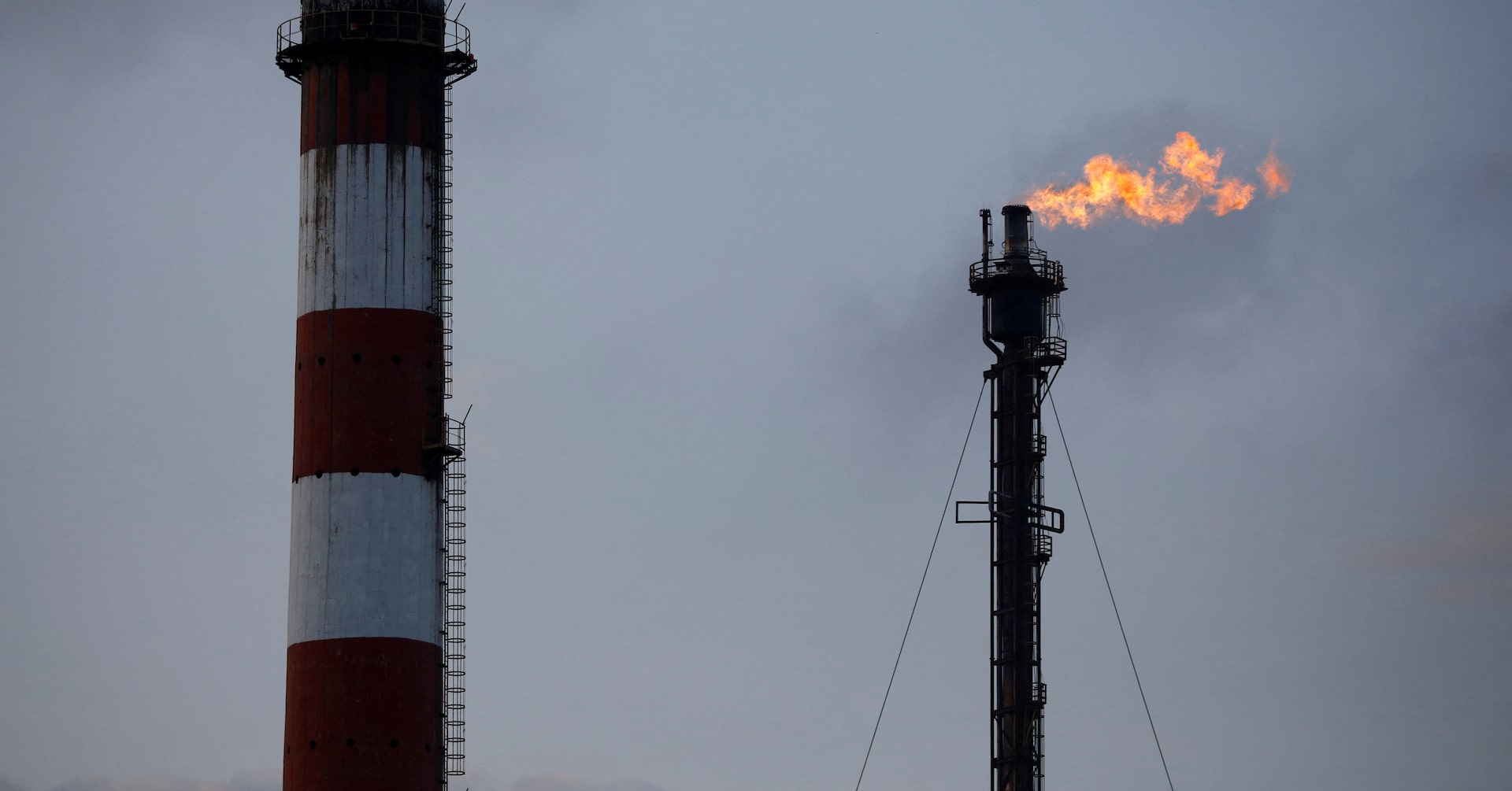
- New Exploration Initiative: Chevron announced plans to explore for oil and gas south of Malta, a region that has yet to see any production, but is strategically located near producing nations like Libya, Italy, and Tunisia, indicating potential resource value.
- Market Potential: This move could not only open new resource avenues for Chevron but also enhance its market position in the Mediterranean, especially against the backdrop of rising global energy demand.
- Strategic Diversification: By exploring south of Malta, Chevron aims to diversify its energy portfolio and reduce reliance on traditional production areas, thereby strengthening the company's long-term sustainability and profitability.
- Regional Collaboration Opportunities: The exploration initiative may provide opportunities for Chevron to collaborate with neighboring countries, fostering energy cooperation and development in the region, further solidifying its influence in the international market.
See More
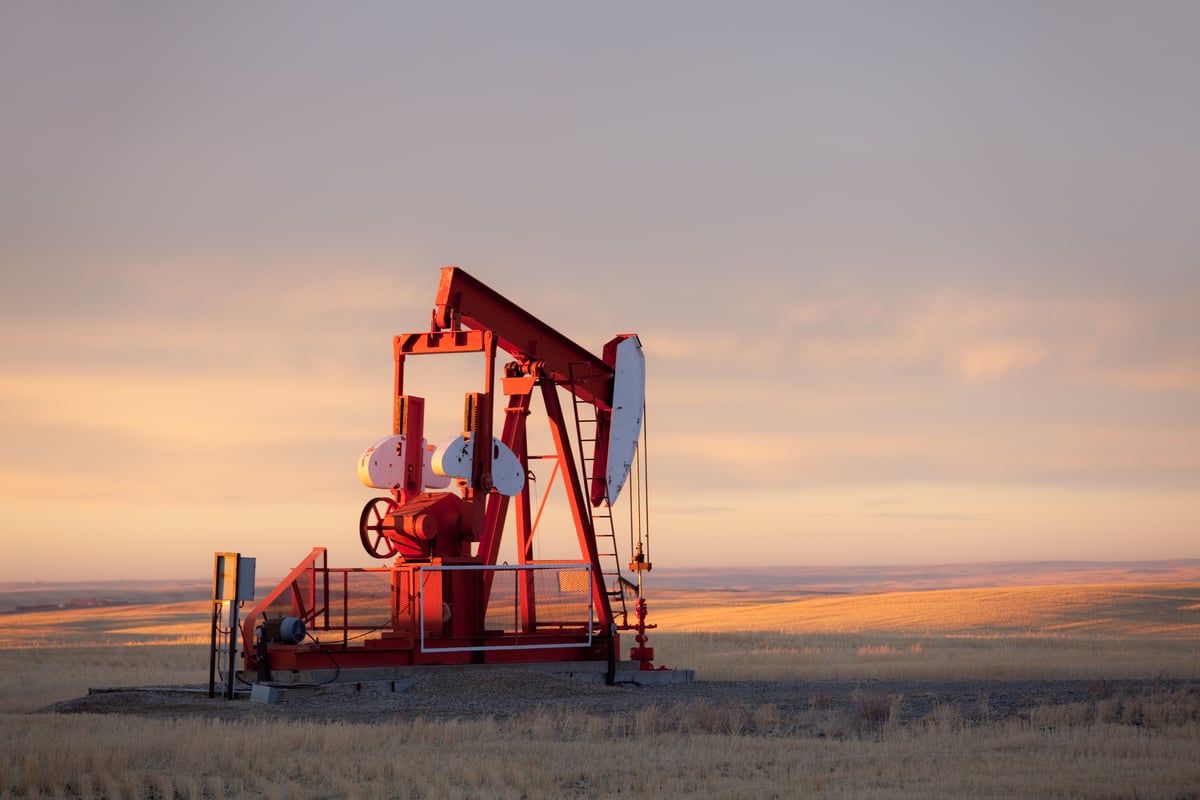
Impact of Soaring Oil Prices on Oil Stocks
- Surging Oil Prices: Over the past three months, WTI crude oil prices have nearly doubled to around $100 per barrel, primarily due to the outbreak of the Iran War, which disrupted global oil deliveries through the Strait of Hormuz, creating challenges for companies reliant on low oil prices while benefiting oil stocks like Chevron and Occidental Petroleum.
- Occidental's Strong Performance: Since the onset of the Iran War, Occidental's stock has surged by 33%, compared to Chevron's 8% increase, largely due to Occidental's focus on upstream operations and its divestment of the downstream OxyChem business, which reduced debt and enhanced market appeal.
- Chevron's Stability: While Chevron's upstream business benefits from high oil prices, its downstream operations face challenges; however, its stock has risen 24% over the past three years, demonstrating resilience through diversification, with a consistent dividend increase for 39 years and a forward yield of 3.7%.
- Investor Sentiment: Although analysts expect Occidental's EPS to more than double by 2026, its lower P/E ratio of 14 compared to Chevron's 19 indicates investor caution regarding Occidental's growth potential, favoring the safer, well-diversified Chevron for long-term investment.
See More

Investment Comparison: Chevron vs Occidental Petroleum
- Oil Price Impact: Over the past three months, WTI crude oil prices have nearly doubled to around $100 per barrel, resulting in Chevron (CVX) and Occidental Petroleum (OXY) rising by 8% and 33% respectively, indicating significant benefits for upstream companies in a high oil price environment.
- Business Structure Differences: Chevron, as an integrated energy company, maintains stability through its upstream, midstream, and downstream operations, while Occidental primarily relies on upstream activities; despite divesting OxyChem to reduce debt, it still faces higher risks.
- Dividends and Earnings Outlook: Chevron has raised its dividend for 39 consecutive years, with a current forward yield of 3.7%, providing good downside protection, whereas Occidental's forward yield is only 1.7%, which may expose it to greater pressure if oil prices decline.
- Future Growth Expectations: Analysts expect Occidental's EPS to double by 2026, while Chevron's EPS is projected to grow by 83%; despite Occidental's lower P/E ratio, investor confidence in its growth potential remains low, leading to a preference for Chevron's higher valuation.
See More
Impact of Rising Oil Prices on Chevron

- Surging Oil Prices: The ongoing conflict with Iran has pushed Brent crude prices above $110 per barrel, marking a nearly 90% increase this year, which could have significant implications for the global energy market, particularly for companies like Chevron that are sensitive to oil price fluctuations.
- Cash Flow Projections: Chevron anticipates generating an incremental $12.5 billion in free cash flow this year if oil averages $70 per barrel, and with current prices being double that, the company is positioned to significantly enhance its cash flow, thereby supporting its capital expenditures and dividend payments.
- Profitability Fluctuations: Despite rising oil prices, Chevron's profits fell in the first quarter due to timing mismatches related to financial derivatives, but as it delivers those products in the future, earnings and cash flow are expected to improve, showcasing the company's potential in a high-price environment.
- Market Outlook: While the market generally expects oil prices to remain elevated this year, Chevron's ability to sustain capital spending and dividends even at sub-$50 oil levels demonstrates its resilience and long-term growth potential in a volatile market.
See More
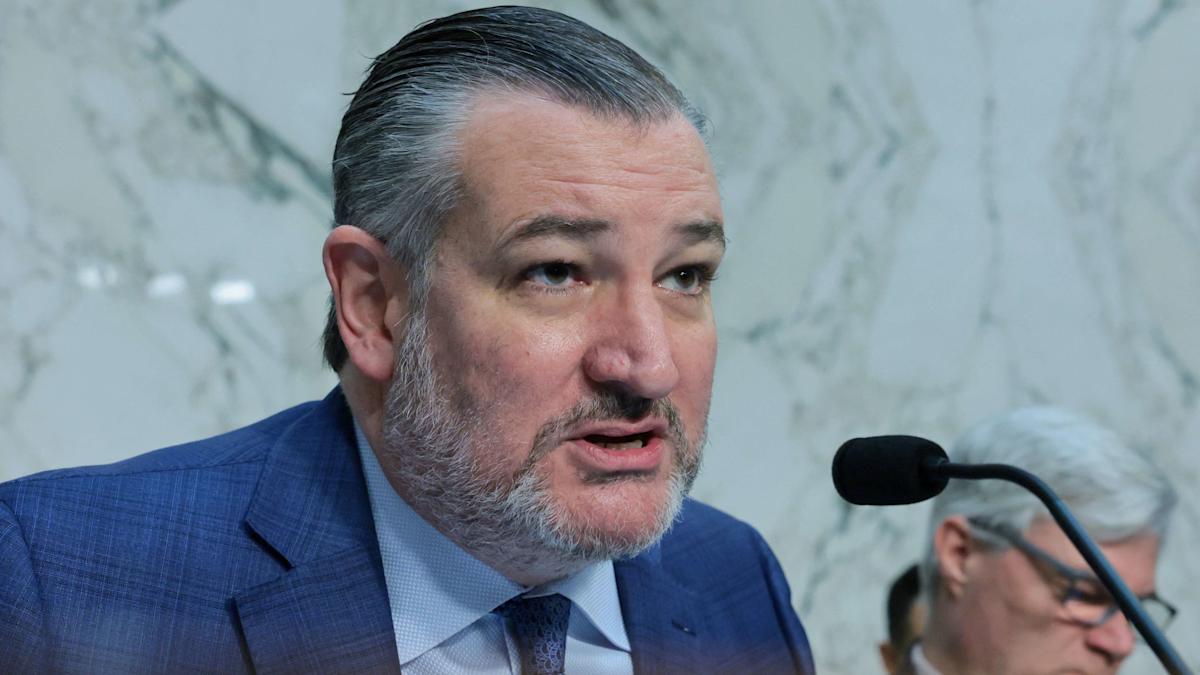
Texas Thrives in AI Boom Amid Regulatory Discussions

- Texas AI Infrastructure: Texas is experiencing rapid growth in the AI sector, particularly with the construction of data centers, attracting investments from companies like SpaceX and Tesla, showcasing the state's favorable business environment.
- SpaceX Rocket Production: SpaceX has established a new city in Boca Chica, Texas, currently producing one rocket per month with precision down to a millimeter, marking significant advancements in the aerospace sector for the state.
- AI Regulatory Legislation: Senator Cruz's 'Take It Down Act' criminalizes the use of AI to create non-consensual intimate images, reflecting a commitment to child safety and imposing legal obligations on tech platforms to remove such content.
- Child Protection Bills: Cruz has introduced several bills aimed at protecting children, particularly regulating AI chatbots to ensure parental supervision and prevent potential psychological harm and abuse, highlighting the need for proactive legislative measures.
See More

Chevron's Profit Potential Amid Rising Oil Prices
- Low-Cost Operational Advantage: Chevron operates at a cost below $50 per barrel, expected to maintain this level through 2030, which allows the company to generate significant free cash flow in the current environment of oil prices exceeding $110, enhancing its financial stability and competitive position.
- Cash Flow Growth Expectations: The company anticipates generating an incremental $12.5 billion in free cash flow this year if oil averages $70 per barrel, driven by recently completed expansion projects and the acquisition of Hess, showcasing its profitability and growth potential in a high oil price environment.
- Market Uncertainty Impact: Despite significant oil price increases in the first half of the year, uncertainty regarding the trajectory of oil prices in the second half exists due to a stalemate in peace talks with Iran, which could lead to price volatility affecting Chevron's earnings performance in the coming months.
- Long-Term Growth Strategy: Chevron expects to grow its free cash flow at an annual rate exceeding 10% at $70 oil, demonstrating resilience and ongoing investment capability in low oil price environments, further solidifying its position in the global energy market.
See More
Chevron to Explore Oil and Gas South of Malta
- New Exploration Initiative: Chevron announced plans to explore for oil and gas south of Malta, a region that has yet to see any production, but is strategically located near producing nations like Libya, Italy, and Tunisia, indicating potential resource value.
- Market Potential: This move could not only open new resource avenues for Chevron but also enhance its market position in the Mediterranean, especially against the backdrop of rising global energy demand.
- Strategic Diversification: By exploring south of Malta, Chevron aims to diversify its energy portfolio and reduce reliance on traditional production areas, thereby strengthening the company's long-term sustainability and profitability.
- Regional Collaboration Opportunities: The exploration initiative may provide opportunities for Chevron to collaborate with neighboring countries, fostering energy cooperation and development in the region, further solidifying its influence in the international market.
See More
Impact of Soaring Oil Prices on Oil Stocks
- Surging Oil Prices: Over the past three months, WTI crude oil prices have nearly doubled to around $100 per barrel, primarily due to the outbreak of the Iran War, which disrupted global oil deliveries through the Strait of Hormuz, creating challenges for companies reliant on low oil prices while benefiting oil stocks like Chevron and Occidental Petroleum.
- Occidental's Strong Performance: Since the onset of the Iran War, Occidental's stock has surged by 33%, compared to Chevron's 8% increase, largely due to Occidental's focus on upstream operations and its divestment of the downstream OxyChem business, which reduced debt and enhanced market appeal.
- Chevron's Stability: While Chevron's upstream business benefits from high oil prices, its downstream operations face challenges; however, its stock has risen 24% over the past three years, demonstrating resilience through diversification, with a consistent dividend increase for 39 years and a forward yield of 3.7%.
- Investor Sentiment: Although analysts expect Occidental's EPS to more than double by 2026, its lower P/E ratio of 14 compared to Chevron's 19 indicates investor caution regarding Occidental's growth potential, favoring the safer, well-diversified Chevron for long-term investment.
See More
Investment Comparison: Chevron vs Occidental Petroleum
- Oil Price Impact: Over the past three months, WTI crude oil prices have nearly doubled to around $100 per barrel, resulting in Chevron (CVX) and Occidental Petroleum (OXY) rising by 8% and 33% respectively, indicating significant benefits for upstream companies in a high oil price environment.
- Business Structure Differences: Chevron, as an integrated energy company, maintains stability through its upstream, midstream, and downstream operations, while Occidental primarily relies on upstream activities; despite divesting OxyChem to reduce debt, it still faces higher risks.
- Dividends and Earnings Outlook: Chevron has raised its dividend for 39 consecutive years, with a current forward yield of 3.7%, providing good downside protection, whereas Occidental's forward yield is only 1.7%, which may expose it to greater pressure if oil prices decline.
- Future Growth Expectations: Analysts expect Occidental's EPS to double by 2026, while Chevron's EPS is projected to grow by 83%; despite Occidental's lower P/E ratio, investor confidence in its growth potential remains low, leading to a preference for Chevron's higher valuation.
See More
Impact of Rising Oil Prices on Chevron
- Surging Oil Prices: The ongoing conflict with Iran has pushed Brent crude prices above $110 per barrel, marking a nearly 90% increase this year, which could have significant implications for the global energy market, particularly for companies like Chevron that are sensitive to oil price fluctuations.
- Cash Flow Projections: Chevron anticipates generating an incremental $12.5 billion in free cash flow this year if oil averages $70 per barrel, and with current prices being double that, the company is positioned to significantly enhance its cash flow, thereby supporting its capital expenditures and dividend payments.
- Profitability Fluctuations: Despite rising oil prices, Chevron's profits fell in the first quarter due to timing mismatches related to financial derivatives, but as it delivers those products in the future, earnings and cash flow are expected to improve, showcasing the company's potential in a high-price environment.
- Market Outlook: While the market generally expects oil prices to remain elevated this year, Chevron's ability to sustain capital spending and dividends even at sub-$50 oil levels demonstrates its resilience and long-term growth potential in a volatile market.
See More
Texas Thrives in AI Boom Amid Regulatory Discussions
- Texas AI Infrastructure: Texas is experiencing rapid growth in the AI sector, particularly with the construction of data centers, attracting investments from companies like SpaceX and Tesla, showcasing the state's favorable business environment.
- SpaceX Rocket Production: SpaceX has established a new city in Boca Chica, Texas, currently producing one rocket per month with precision down to a millimeter, marking significant advancements in the aerospace sector for the state.
- AI Regulatory Legislation: Senator Cruz's 'Take It Down Act' criminalizes the use of AI to create non-consensual intimate images, reflecting a commitment to child safety and imposing legal obligations on tech platforms to remove such content.
- Child Protection Bills: Cruz has introduced several bills aimed at protecting children, particularly regulating AI chatbots to ensure parental supervision and prevent potential psychological harm and abuse, highlighting the need for proactive legislative measures.
See More
Chevron's Profit Potential Amid Rising Oil Prices
- Low-Cost Operational Advantage: Chevron operates at a cost below $50 per barrel, expected to maintain this level through 2030, which allows the company to generate significant free cash flow in the current environment of oil prices exceeding $110, enhancing its financial stability and competitive position.
- Cash Flow Growth Expectations: The company anticipates generating an incremental $12.5 billion in free cash flow this year if oil averages $70 per barrel, driven by recently completed expansion projects and the acquisition of Hess, showcasing its profitability and growth potential in a high oil price environment.
- Market Uncertainty Impact: Despite significant oil price increases in the first half of the year, uncertainty regarding the trajectory of oil prices in the second half exists due to a stalemate in peace talks with Iran, which could lead to price volatility affecting Chevron's earnings performance in the coming months.
- Long-Term Growth Strategy: Chevron expects to grow its free cash flow at an annual rate exceeding 10% at $70 oil, demonstrating resilience and ongoing investment capability in low oil price environments, further solidifying its position in the global energy market.
See More