Trump Plans to Support U.S. Coal-Fired Power Plants


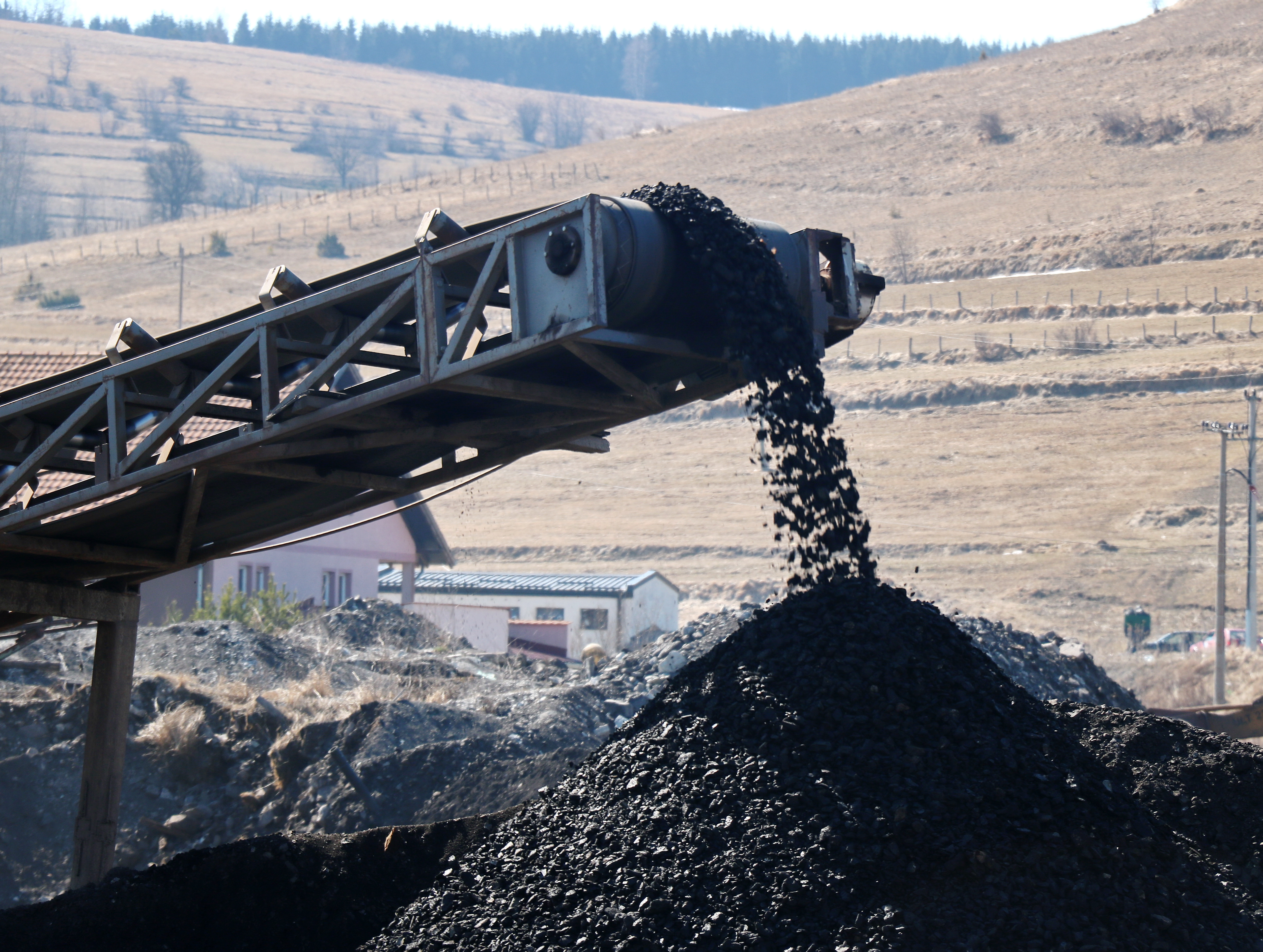
Catch up on the top industries and stocks that were impacted, or were predicted to be impacted, by the comments, actions and policies of President Donald Trump with this daily recap compiled by The Fly.COAL-FIRED PLANTS:U.S. President Trump is planning to use government funding and Pentagon contracts to sustain U.S. coal-fired power plants as he works to drive domestic reliance, Jennifer Dlouhy of Bloomberg. The initiative is set to be announced Wednesday and will come through an executive order, a White House official told Bloomberg. The president also intends to announce the Energy Department's plan to distribute $176M to six coal plants to help fund upgrades. Companies in the space include Peabody, Alpha MetallurgicalAlliance Resource Partners, and Arch Resources.LICENSING TERMS:Nvidia"must live with" the licensing terms on sales of its second most advanced AI chip to China, Commerce Department Secretary Howard Lutnick said at a hearing, Reuters' David Lawder and Alexandra Alper. "The license terms are very detailed. They've been worked out together with the State Department, and those terms Nvidia must live with," he said. Reuters reported last week that Nvidia has not agreed to proposed conditions for use of its chips in China, including the Know-Your-Customer requirement, which ensures China's military does not access the chips.TRADE SURPLUS:In his post on X, Treasury's Bessentthat, "Thanks to the mutual respect between POTUS and President Xi, the U.S.-China relationship has reached a stable but competitive point. Our goal is fair competition and de-risking, not decoupling. It is clear that China must rebalance, and their persistent $1 trillion trade surplus must be addressed."
Trade with 70% Backtested Accuracy
Analyst Views on BTU

About BTU
About the author


Peabody Energy Corp RSI Analysis Indicates Potential Buy Opportunity

- RSI Indicator Insight: Peabody Energy Corp's RSI stands at 29.9, significantly lower than the average RSI of 53.7 for metals and mining stocks, indicating potential oversold conditions and suggesting investors may look for buying opportunities.
- Price Range Analysis: With a 52-week low of $11.90 and a high of $41.1399, the current trading price of $25.63 suggests substantial rebound potential near this level, attracting investor interest.
- Market Performance: Although Peabody Energy shares are down approximately 4.8% today, the low RSI may indicate that recent selling pressure is waning, prompting investors to consider entry points at this juncture.
- Investor Sentiment: Bullish investors might interpret BTU's RSI of 29.9 as a signal of recovering confidence, anticipating a potential buying wave that could drive the stock price higher.

Analyst Cuts Peabody Price Target Amidst Market Headwinds
- Price Target Reduction: Analyst Katja Janic from BMO Capital has lowered Peabody's price target from $44 to $40 while maintaining an outperform rating, indicating a cautious outlook on the coal sector's performance.
- Stock Price Decline: Peabody's shares fell nearly 9% on Thursday as investors expressed impatience over the lack of positive news from the company, reflecting growing concerns about its future performance.
- Sales Volume Shortfall: The company revealed in a regulatory filing at the end of March that first-quarter sales volume from its Centurion mine in Australia is expected to be around 250,000 tons, significantly below initial projections, which has shaken investor confidence.
- Uncertain Industry Outlook: While rising commodity prices may boost earnings for other mining stocks, Peabody's challenges contribute to a more uncertain outlook for the coal industry as a whole.

Coal Industry Faces Multiple Challenges Amid Declining Demand

- Declining Coal Demand: The EIA projects U.S. coal production will fall to 513.9 million short tons in 2026, down from 533 million in 2025, reflecting a trend of increasing renewable energy use and the systematic retirement of coal-fired power plants, posing long-term challenges for the coal industry.
- Impact of Environmental Policies: The U.S. Sustainability Plan aims for 100% carbon-free electricity by 2030, with coal consumption expected to decline by 7.4% and 2.9% in 2026 and 2027 respectively, further compressing market demand and forcing coal companies to restructure.
- Low Industry Ranking: The Zacks coal industry ranks 236 out of 243 industries, placing it in the bottom 3%, indicating a lack of confidence in the sector's earnings growth potential, with 2026 earnings estimates revised down by 54.7% to $2.46 per share.
- Increased Competition: As the costs of cleaner energy sources like natural gas, solar, and wind decline, coal-fired generation faces mounting competitive pressure, prompting utilities to adjust their generation portfolios to lower operating costs and comply with stricter emissions standards, leading to a sustained decline in coal demand.
Peabody Energy Lowers Sales Volume Expectations
- Sales Volume Revision: Peabody Energy (BTU) anticipates Q1 sales volume from its Centurion mine in Australia to be around 250K tons, significantly lower than the previous forecast of 700K tons, primarily due to unexpected challenges in mine commissioning, which could negatively impact short-term performance.
- Long-Term Targets Unchanged: Despite the sales revision, Peabody maintains its FY 2026 metallurgical coal volume target of 10.3M to 11.3M tons, indicating confidence in long-term growth, which may help stabilize investor sentiment amidst current challenges.
- Analyst Rating Maintained: Jefferies analysts have kept a Buy rating on Peabody (BTU), citing high seaborne thermal coal prices as a potential offset to the shipment delay's impact, although this issue may continue to weigh on the stock in the short term, reflecting a market reassessment of coal demand.
- Changing Market Dynamics: Rising oil and gas prices due to the Middle East conflict have renewed focus on thermal coal demand, with Newcastle coal futures closing at $144.25/ton on Monday, the highest since November 2024, suggesting potential new investment opportunities in the coal sector.

Peabody Energy Lowers Q1 Production Outlook
- Production Outlook Cut: Peabody expects Q1 coal output to reach around 250,000 tons, a reduction due to commissioning challenges and equipment issues, which are anticipated to negatively impact near-term performance.
- Long-term Volume Guidance Maintained: Despite short-term setbacks, Peabody maintains its 2026 metallurgical coal volume guidance of 10.3 to 11.3 million tons, indicating confidence in its long-term production capabilities.
- Price Target Adjustment: Jefferies has lowered its price target on Peabody's stock from $44 to $43 while reiterating a 'Buy' rating, reflecting cautious expectations regarding the ramp-up at the Centurion Mine.
- Positive Market Sentiment: Despite a nearly 10% drop in share price, retail sentiment on Stocktwits shifted to 'bullish', indicating optimism about potential coal demand increases, particularly in light of geopolitical tensions affecting LNG supply.

U.S. Plans Ground Operations Against Iran Amid Market Turmoil


- War Plans Impact: The U.S. is reportedly planning ground operations against Iran, which could heighten market uncertainty and exacerbate investor concerns about future geopolitical stability.
- Market Decline: The U.S. stock market has fallen to six-month lows, reflecting panic among investors regarding rising geopolitical tensions, potentially leading to further capital outflows from equities.
- Surging Oil Prices: With the escalation of war risks, oil prices have surged to $100 per barrel, increasing inflationary pressures on the global economy and potentially impacting consumer spending and corporate profits.
- Tesla Delivery Pressure: In this unstable market environment, Tesla faces increased delivery pressures, and investor expectations for its future performance may be adversely affected, especially as high oil prices could challenge electric vehicle demand.
Peabody Energy Corp RSI Analysis Indicates Potential Buy Opportunity
- RSI Indicator Insight: Peabody Energy Corp's RSI stands at 29.9, significantly lower than the average RSI of 53.7 for metals and mining stocks, indicating potential oversold conditions and suggesting investors may look for buying opportunities.
- Price Range Analysis: With a 52-week low of $11.90 and a high of $41.1399, the current trading price of $25.63 suggests substantial rebound potential near this level, attracting investor interest.
- Market Performance: Although Peabody Energy shares are down approximately 4.8% today, the low RSI may indicate that recent selling pressure is waning, prompting investors to consider entry points at this juncture.
- Investor Sentiment: Bullish investors might interpret BTU's RSI of 29.9 as a signal of recovering confidence, anticipating a potential buying wave that could drive the stock price higher.
Analyst Cuts Peabody Price Target Amidst Market Headwinds
- Price Target Reduction: Analyst Katja Janic from BMO Capital has lowered Peabody's price target from $44 to $40 while maintaining an outperform rating, indicating a cautious outlook on the coal sector's performance.
- Stock Price Decline: Peabody's shares fell nearly 9% on Thursday as investors expressed impatience over the lack of positive news from the company, reflecting growing concerns about its future performance.
- Sales Volume Shortfall: The company revealed in a regulatory filing at the end of March that first-quarter sales volume from its Centurion mine in Australia is expected to be around 250,000 tons, significantly below initial projections, which has shaken investor confidence.
- Uncertain Industry Outlook: While rising commodity prices may boost earnings for other mining stocks, Peabody's challenges contribute to a more uncertain outlook for the coal industry as a whole.
Coal Industry Faces Multiple Challenges Amid Declining Demand
- Declining Coal Demand: The EIA projects U.S. coal production will fall to 513.9 million short tons in 2026, down from 533 million in 2025, reflecting a trend of increasing renewable energy use and the systematic retirement of coal-fired power plants, posing long-term challenges for the coal industry.
- Impact of Environmental Policies: The U.S. Sustainability Plan aims for 100% carbon-free electricity by 2030, with coal consumption expected to decline by 7.4% and 2.9% in 2026 and 2027 respectively, further compressing market demand and forcing coal companies to restructure.
- Low Industry Ranking: The Zacks coal industry ranks 236 out of 243 industries, placing it in the bottom 3%, indicating a lack of confidence in the sector's earnings growth potential, with 2026 earnings estimates revised down by 54.7% to $2.46 per share.
- Increased Competition: As the costs of cleaner energy sources like natural gas, solar, and wind decline, coal-fired generation faces mounting competitive pressure, prompting utilities to adjust their generation portfolios to lower operating costs and comply with stricter emissions standards, leading to a sustained decline in coal demand.
Peabody Energy Lowers Sales Volume Expectations
- Sales Volume Revision: Peabody Energy (BTU) anticipates Q1 sales volume from its Centurion mine in Australia to be around 250K tons, significantly lower than the previous forecast of 700K tons, primarily due to unexpected challenges in mine commissioning, which could negatively impact short-term performance.
- Long-Term Targets Unchanged: Despite the sales revision, Peabody maintains its FY 2026 metallurgical coal volume target of 10.3M to 11.3M tons, indicating confidence in long-term growth, which may help stabilize investor sentiment amidst current challenges.
- Analyst Rating Maintained: Jefferies analysts have kept a Buy rating on Peabody (BTU), citing high seaborne thermal coal prices as a potential offset to the shipment delay's impact, although this issue may continue to weigh on the stock in the short term, reflecting a market reassessment of coal demand.
- Changing Market Dynamics: Rising oil and gas prices due to the Middle East conflict have renewed focus on thermal coal demand, with Newcastle coal futures closing at $144.25/ton on Monday, the highest since November 2024, suggesting potential new investment opportunities in the coal sector.
Peabody Energy Lowers Q1 Production Outlook
- Production Outlook Cut: Peabody expects Q1 coal output to reach around 250,000 tons, a reduction due to commissioning challenges and equipment issues, which are anticipated to negatively impact near-term performance.
- Long-term Volume Guidance Maintained: Despite short-term setbacks, Peabody maintains its 2026 metallurgical coal volume guidance of 10.3 to 11.3 million tons, indicating confidence in its long-term production capabilities.
- Price Target Adjustment: Jefferies has lowered its price target on Peabody's stock from $44 to $43 while reiterating a 'Buy' rating, reflecting cautious expectations regarding the ramp-up at the Centurion Mine.
- Positive Market Sentiment: Despite a nearly 10% drop in share price, retail sentiment on Stocktwits shifted to 'bullish', indicating optimism about potential coal demand increases, particularly in light of geopolitical tensions affecting LNG supply.
U.S. Plans Ground Operations Against Iran Amid Market Turmoil
- War Plans Impact: The U.S. is reportedly planning ground operations against Iran, which could heighten market uncertainty and exacerbate investor concerns about future geopolitical stability.
- Market Decline: The U.S. stock market has fallen to six-month lows, reflecting panic among investors regarding rising geopolitical tensions, potentially leading to further capital outflows from equities.
- Surging Oil Prices: With the escalation of war risks, oil prices have surged to $100 per barrel, increasing inflationary pressures on the global economy and potentially impacting consumer spending and corporate profits.
- Tesla Delivery Pressure: In this unstable market environment, Tesla faces increased delivery pressures, and investor expectations for its future performance may be adversely affected, especially as high oil prices could challenge electric vehicle demand.