Tim Cook Acquires 50,000 Shares of Nike for Nearly $3 Million
Written by Emily J. Thompson, Senior Investment Analyst
Updated: Jan 03 2026
0mins


Should l Buy AAPL?
Source: NASDAQ.COM
- Cook's Stake Increase: Apple CEO Tim Cook purchased 50,000 shares of Nike for nearly $3 million in late December, nearly doubling his stake in the company, which the market interpreted as a strong vote of confidence in Nike's future prospects.
- Nike's Performance Challenges: Despite a 1% year-over-year revenue increase in Q2 FY2026, the company's higher-margin Nike Direct sales fell by 8%, indicating pressure on brand appeal among consumers and potential impacts on future profitability.
- Intense Competitive Landscape: Nike faces fierce competition in the athleisure market from brands like Lululemon and Adidas, and while it retains significant global brand equity, the increasing choices for consumers may dilute its market share.
- Declining Profitability: Nike's gross margin fell by 300 basis points to 40.6%, and net income dropped by 32% to $792 million, highlighting self-inflicted challenges during its turnaround, necessitating further efforts to restore growth.
Trade with 70% Backtested Accuracy
Stop guessing "Should I Buy AAPL?" and start using high-conviction signals backed by rigorous historical data.
Sign up today to access powerful investing tools and make smarter, data-driven decisions.
Analyst Views on AAPL
Wall Street analysts forecast AAPL stock price to rise
27 Analyst Rating
17 Buy
9 Hold
1 Sell
Moderate Buy
Current: 255.630

Low
239.00
Averages
306.89
High
350.00
Current: 255.630
Low
239.00
Averages
306.89
High
350.00
About AAPL
Apple Inc. designs, manufactures and markets smartphones, personal computers, tablets, wearables and accessories, and sells a variety of related services. Its product categories include iPhone, Mac, iPad, and Wearables, Home and Accessories. Its software platforms include iOS, iPadOS, macOS, watchOS, visionOS, and tvOS. Its services include advertising, AppleCare, cloud services, digital content and payment services. The Company operates various platforms, including the App Store, that allow customers to discover and download applications and digital content, such as books, music, video, games and podcasts. It also offers digital content through subscription-based services, including Apple Arcade, Apple Fitness+, Apple Music, Apple News+, and Apple TV+. Its products include iPhone 16 Pro, iPhone 16, iPhone 15, iPhone 14, iPhone SE, MacBook Air, MacBook Pro, iMac, Mac mini, Mac Studio, Mac Pro, iPad Pro, iPad Air, AirPods, AirPods Pro, AirPods Max, Apple TV, Apple Vision Pro and others.
About the author

Emily J. Thompson
Emily J. Thompson, a Chartered Financial Analyst (CFA) with 12 years in investment research, graduated with honors from the Wharton School. Specializing in industrial and technology stocks, she provides in-depth analysis for Intellectia’s earnings and market brief reports.

Apple Celebrates 50 Years: A Journey of Technological Transformation

- Historic Milestone: Apple officially turns 50 today, evolving from a garage startup in 1976 to a tech giant with a market capitalization of $3.75 trillion, making it the second-largest company globally, just behind Nvidia.
- Revenue Growth: In fiscal year 2025, Apple reported record revenue of $416 billion, surpassing the GDP of 176 countries, showcasing its strong influence and sustained growth potential in the global market.
- Product Ecosystem: With 27% of the world's population using its products, Apple boasts the largest user base of any brand, and CEO Tim Cook emphasizes the company's commitment to innovation and user privacy as key drivers for future growth.
- Market Resilience: Despite facing competition and market challenges, Apple's iPhone revenue surged by 23% in Q1 of fiscal 2026, while the recent launch of the MacBook Neo attracted a significant number of first-time buyers, demonstrating its strong market adaptability and brand appeal.
See More
SpaceX IPO Targeting Over $2 Trillion Valuation

- IPO Valuation Target: SpaceX is targeting over $2 trillion in its anticipated IPO in the U.S., which, if achieved, would position it as the sixth-largest tech giant after Nvidia, Apple, Alphabet, Microsoft, and Amazon, reflecting strong market confidence in its future potential.
- Record Fundraising: The IPO could raise as much as $75 billion, significantly surpassing the previous record of $29 billion set by Saudi Aramco in 2019, with the funds aimed at supporting Musk's vision of AI data centers in space and a factory on the moon.
- Strong Market Expectations: SpaceX's IPO is seen as one of the three major IPOs expected in the capital markets this year, alongside OpenAI and Anthropic, indicating robust investor interest and confidence in emerging tech companies.
- Optimistic Investor Sentiment: Retail sentiment around SpaceX is trending in 'extremely bullish' territory with 'extremely high' message volume, suggesting a positive outlook for its IPO success.
See More
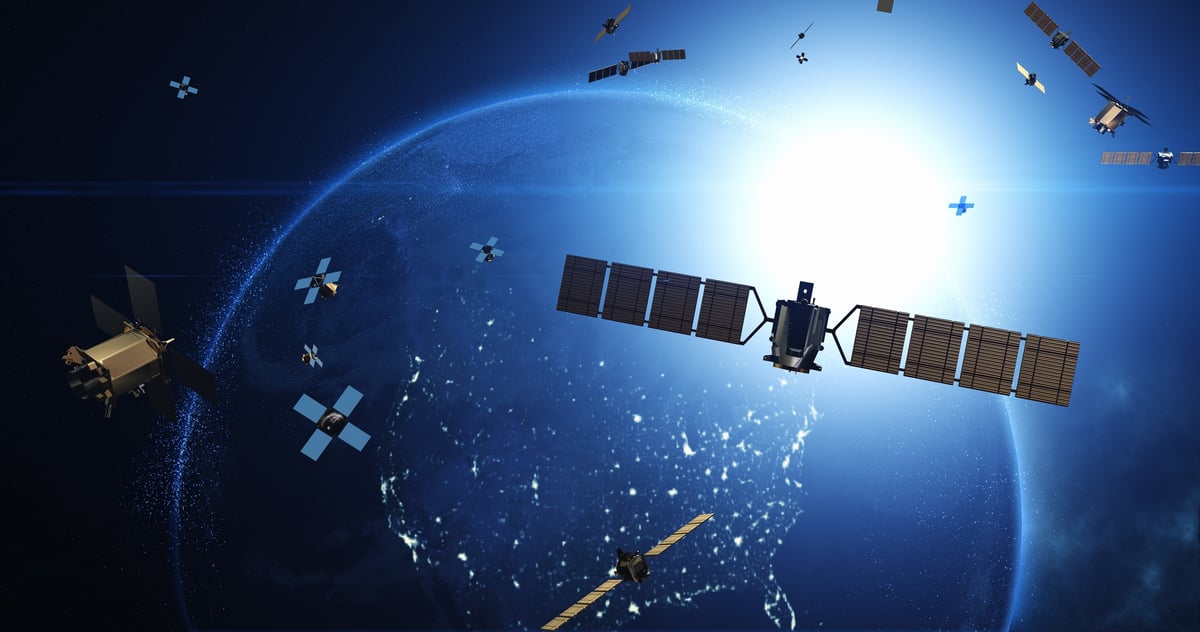
Amazon May Acquire Globalstar Satellite Company

- Space Race Intensifies: Following the launch of Artemis II, Amazon is reportedly considering a $9 billion acquisition of Globalstar, which could significantly impact companies like Apple and Tesla in the satellite telecommunications sector.
- Amazon's Satellite Ambitions: Amazon aims to launch 7,700 low Earth orbit satellites by late 2026 to provide reliable broadband coverage, having already deployed around 200 satellites despite facing challenges like rocket shortages and manufacturing disruptions.
- Globalstar's Market Position: Currently operating 24 satellites with plans to expand to 32, an acquisition by Amazon would greatly enhance Globalstar's satellite operations, strengthening its competitive position in the market.
- Apple's Investment Influence: With a $1.5 billion investment in Globalstar in 2024, Apple holds a 20% stake and has secured 85% of the network capacity for its services, making it a key player in any acquisition discussions between Amazon and Globalstar.
See More

Amazon Pursues Acquisition of Globalstar Satellite Company
- Acquisition Negotiations: Amazon is reportedly in talks to acquire Globalstar, a satellite telecom company valued at $9 billion, which would significantly enhance Amazon's competitive edge in the satellite business amid increasing space competition.
- Satellite Launch Challenges: Amazon aims to launch 7,700 low Earth orbit satellites by late 2026, but has faced delays due to rocket shortages and manufacturing disruptions, prompting a request for an extension from the FCC for its July deadline, highlighting the challenges in its space endeavors.
- Globalstar's Market Position: Currently operating 24 low Earth orbit satellites with plans to expand to 32 this year, an acquisition by Amazon would immediately bolster its satellite operations and increase market share in the telecommunications sector.
- Apple's Potential Influence: With a $1.5 billion investment in Globalstar in 2024, Apple holds a 20% stake and has secured 85% of the network capacity for its services, making it a key player in the acquisition discussions, which could complicate the deal for Amazon.
See More
Apple to Integrate Third-Party AI Assistants into iOS 27
- Strategic Shift: Apple is set to integrate third-party AI assistants into the upcoming iOS 27, marking a significant shift in its strategy regarding Siri, which is expected to enhance user experience and attract more users to its devices.
- Market Potential: By allowing users to choose familiar AI assistants, Apple could stimulate sales growth in its stagnant iPhone business, increasing user reliance on its hardware, although this contrasts with its earlier closed ecosystem approach.
- Revenue Opportunities: Apple will collect a 30% commission from third-party AI applications, creating a new revenue stream for the company and potentially enhancing the overall appeal of the App Store, further solidifying its ecosystem.
- Long-Term Growth Outlook: While Siri's subpar performance may not impact Apple's market position in the short term, integrating third-party technology could help Apple gradually increase its market share against Android, maintaining its loyal customer base.
See More

Apple to Integrate Third-Party AI into Siri
- Strategic Shift: Apple's decision to integrate third-party AI platforms into the upcoming iOS 27 reflects a recognition of its own AI limitations, which, while not a direct catalyst for stock purchases, strengthens the bullish outlook for the company.
- Market Competition: By acknowledging its struggles against leading AI platforms like ChatGPT, Google's Gemini, and Anthropic, Apple's integration of third-party AI will allow users to select familiar assistants, enhancing user experience and potentially driving sales growth for the iPhone.
- Revenue Potential: Allowing users to choose third-party AI assistants from the App Store means Apple will continue to collect a 30% commission, which not only generates additional revenue but may also attract more developers to its ecosystem.
- Long-Term Growth Outlook: While Siri's current performance may not significantly impact Apple's market position in the short term, this move helps maintain the company's appeal among its loyal customer base and gradually increases its market share against Android competitors.
See More
Apple Celebrates 50 Years: A Journey of Technological Transformation
- Historic Milestone: Apple officially turns 50 today, evolving from a garage startup in 1976 to a tech giant with a market capitalization of $3.75 trillion, making it the second-largest company globally, just behind Nvidia.
- Revenue Growth: In fiscal year 2025, Apple reported record revenue of $416 billion, surpassing the GDP of 176 countries, showcasing its strong influence and sustained growth potential in the global market.
- Product Ecosystem: With 27% of the world's population using its products, Apple boasts the largest user base of any brand, and CEO Tim Cook emphasizes the company's commitment to innovation and user privacy as key drivers for future growth.
- Market Resilience: Despite facing competition and market challenges, Apple's iPhone revenue surged by 23% in Q1 of fiscal 2026, while the recent launch of the MacBook Neo attracted a significant number of first-time buyers, demonstrating its strong market adaptability and brand appeal.
See More
SpaceX IPO Targeting Over $2 Trillion Valuation
- IPO Valuation Target: SpaceX is targeting over $2 trillion in its anticipated IPO in the U.S., which, if achieved, would position it as the sixth-largest tech giant after Nvidia, Apple, Alphabet, Microsoft, and Amazon, reflecting strong market confidence in its future potential.
- Record Fundraising: The IPO could raise as much as $75 billion, significantly surpassing the previous record of $29 billion set by Saudi Aramco in 2019, with the funds aimed at supporting Musk's vision of AI data centers in space and a factory on the moon.
- Strong Market Expectations: SpaceX's IPO is seen as one of the three major IPOs expected in the capital markets this year, alongside OpenAI and Anthropic, indicating robust investor interest and confidence in emerging tech companies.
- Optimistic Investor Sentiment: Retail sentiment around SpaceX is trending in 'extremely bullish' territory with 'extremely high' message volume, suggesting a positive outlook for its IPO success.
See More
Amazon May Acquire Globalstar Satellite Company
- Space Race Intensifies: Following the launch of Artemis II, Amazon is reportedly considering a $9 billion acquisition of Globalstar, which could significantly impact companies like Apple and Tesla in the satellite telecommunications sector.
- Amazon's Satellite Ambitions: Amazon aims to launch 7,700 low Earth orbit satellites by late 2026 to provide reliable broadband coverage, having already deployed around 200 satellites despite facing challenges like rocket shortages and manufacturing disruptions.
- Globalstar's Market Position: Currently operating 24 satellites with plans to expand to 32, an acquisition by Amazon would greatly enhance Globalstar's satellite operations, strengthening its competitive position in the market.
- Apple's Investment Influence: With a $1.5 billion investment in Globalstar in 2024, Apple holds a 20% stake and has secured 85% of the network capacity for its services, making it a key player in any acquisition discussions between Amazon and Globalstar.
See More
Amazon Pursues Acquisition of Globalstar Satellite Company
- Acquisition Negotiations: Amazon is reportedly in talks to acquire Globalstar, a satellite telecom company valued at $9 billion, which would significantly enhance Amazon's competitive edge in the satellite business amid increasing space competition.
- Satellite Launch Challenges: Amazon aims to launch 7,700 low Earth orbit satellites by late 2026, but has faced delays due to rocket shortages and manufacturing disruptions, prompting a request for an extension from the FCC for its July deadline, highlighting the challenges in its space endeavors.
- Globalstar's Market Position: Currently operating 24 low Earth orbit satellites with plans to expand to 32 this year, an acquisition by Amazon would immediately bolster its satellite operations and increase market share in the telecommunications sector.
- Apple's Potential Influence: With a $1.5 billion investment in Globalstar in 2024, Apple holds a 20% stake and has secured 85% of the network capacity for its services, making it a key player in the acquisition discussions, which could complicate the deal for Amazon.
See More
Apple to Integrate Third-Party AI Assistants into iOS 27
- Strategic Shift: Apple is set to integrate third-party AI assistants into the upcoming iOS 27, marking a significant shift in its strategy regarding Siri, which is expected to enhance user experience and attract more users to its devices.
- Market Potential: By allowing users to choose familiar AI assistants, Apple could stimulate sales growth in its stagnant iPhone business, increasing user reliance on its hardware, although this contrasts with its earlier closed ecosystem approach.
- Revenue Opportunities: Apple will collect a 30% commission from third-party AI applications, creating a new revenue stream for the company and potentially enhancing the overall appeal of the App Store, further solidifying its ecosystem.
- Long-Term Growth Outlook: While Siri's subpar performance may not impact Apple's market position in the short term, integrating third-party technology could help Apple gradually increase its market share against Android, maintaining its loyal customer base.
See More
Apple to Integrate Third-Party AI into Siri
- Strategic Shift: Apple's decision to integrate third-party AI platforms into the upcoming iOS 27 reflects a recognition of its own AI limitations, which, while not a direct catalyst for stock purchases, strengthens the bullish outlook for the company.
- Market Competition: By acknowledging its struggles against leading AI platforms like ChatGPT, Google's Gemini, and Anthropic, Apple's integration of third-party AI will allow users to select familiar assistants, enhancing user experience and potentially driving sales growth for the iPhone.
- Revenue Potential: Allowing users to choose third-party AI assistants from the App Store means Apple will continue to collect a 30% commission, which not only generates additional revenue but may also attract more developers to its ecosystem.
- Long-Term Growth Outlook: While Siri's current performance may not significantly impact Apple's market position in the short term, this move helps maintain the company's appeal among its loyal customer base and gradually increases its market share against Android competitors.
See More