Three Dividend Growth Stocks Steadily Increasing Their Payouts


Market Volatility and Investment Strategy: With increasing market volatility, investors are considering a shift towards more defensive investment strategies, particularly focusing on dividend stocks that have a history of stable increases.
Broadcom's Performance: Broadcom Inc. is highlighted as a strong player in the AI and semiconductor sectors, with significant revenue growth and a consistent history of dividend increases, making it an attractive option for investors.
McKesson's Resilience: McKesson Corporation is noted for its stable dividend payments and growth potential, despite short-term challenges, supported by its diversified business model in healthcare.
Amphenol's Dividend Growth: Amphenol Corporation has demonstrated a strong track record of dividend increases, positioning itself as a reliable investment option, with expectations for continued earnings growth in the coming year.
Trade with 70% Backtested Accuracy
Analyst Views on AVGO

About AVGO
About the author


Semiconductor Firms Challenge Apple's Valuation


- Revenue Growth Comparison: Broadcom achieved a 28% year-over-year revenue growth last quarter, while Apple only grew by 16%, indicating Broadcom's strong performance in high-speed networking hardware and AI accelerators, which could significantly enhance its market value in the coming years.
- AI Chip Demand Outlook: Broadcom anticipates over $100 billion in AI chip revenue by 2027; despite risks from customer concentration, its robust profitability and strong market demand could drive its market cap to double.
- TSMC Market Dominance: Taiwan Semiconductor Manufacturing holds a 72% share of the foundry market, with a 40% year-over-year revenue growth in Q1, and AI chip demand expected to grow over 50% annually, further solidifying its leadership in the semiconductor industry.
- Investor Focus: Broadcom and TSMC stocks trade at 35 and 25 times earnings, respectively, and if they meet analysts' earnings growth expectations, they could surpass Apple's valuation in the coming years, attracting long-term investor interest.

Broadcom and TSMC: Core Players in AI Industry
- Broadcom's Strong Momentum: Broadcom achieved a 28% year-over-year revenue growth last quarter, significantly outpacing Apple's 16%, indicating that its robust performance in the AI semiconductor market could drive its market cap to double in the coming years.
- TSMC's Market Dominance: TSMC holds a 72% share of the foundry market, with first-quarter revenue growth accelerating to 40%, and AI chip demand is expected to grow over 50% annually, further solidifying its market position.
- Significant Earnings Growth Disparity: Analysts project Broadcom's earnings per share to grow at an annualized rate of 41%, compared to Apple's 11%, positioning Broadcom with the potential to surpass Apple's market cap in the coming years.
- Risks and Opportunities: While Broadcom's reliance on six major AI customers poses a risk of spending pauses, its visibility into over $100 billion in future AI chip revenue underscores its critical role in an AI-driven economy.
Broadcom Extends AI Chip Deal with Meta Platforms

- Deal Extension: Broadcom has extended its agreement with Meta to supply 1 gigawatt of custom AI chips through 2029, marking the beginning of a multi-generational chip development roadmap that solidifies Broadcom's leadership in the AI market.
- Technical Collaboration: Meta recently unveiled four generations of MTIA chips, with Broadcom's support enabling the MTIA 300 to be used for ranking and recommendation training, while the MTIA 400, 450, and 500 are specifically designed for inference tasks, showcasing the depth of their technical partnership.
- Market Outlook: Broadcom anticipates delivering $100 billion worth of custom AI chips by 2027, and with approximately $20 billion in AI revenue projected for 2025, this ambitious target is set to significantly drive the company's growth trajectory.
- Industry Trends: As hyperscalers seek alternatives to Nvidia's expensive GPUs, custom AI chips are becoming a popular choice, and Broadcom's strong presence in networking is attracting more companies to collaborate, indicating robust growth potential ahead.

Broadcom Extends Deal with Meta for Custom AI Chips
- Deal Extension: Broadcom has extended its agreement with Meta until 2029, committing to 1 gigawatt of custom AI chips, which is expected to initiate a multi-generation chip development roadmap, further solidifying Broadcom's leadership in the AI market.
- AI Chip Market Potential: Broadcom anticipates delivering $100 billion worth of custom AI chips by fiscal 2027, and with approximately $20 billion in AI revenue projected for fiscal 2025, this growth potential will significantly enhance the company's market share and profitability.
- Partnership with Alphabet: Broadcom has also extended its partnership with Alphabet to develop future iterations of Tensor Processing Units (TPUs) and will supply Anthropic with an additional 3.5 gigawatts of chips, indicating strong demand for Broadcom's AI hardware.
- Data Center Networking Growth: As AI chip clusters expand, Broadcom's custom chip business is directly driving growth in its data center networking segment, particularly in performance and cost efficiency, attracting more hyperscaler clients seeking alternatives to high-priced GPUs.

Market Dynamics: The Tug-of-War Between Bonds and Oil Prices


- Bond Market Stability: The slight decline in bond yields indicates a stable market outlook, which helps support the stock market, particularly amid oil price fluctuations, thereby reducing investor panic.
- Tech Stock Recovery: The so-called 'Magnificent Seven' tech companies, including Alphabet and Amazon, are beginning to reap benefits from their previous high expenditures, enhancing market confidence in their future profitability, which could drive further market gains.
- Rise of the AI Economy: The emergence of AI agents is expected to significantly reduce hiring and operational costs for enterprises, driving demand for chips like Nvidia's, which will further boost growth for related companies.
- Improved Investor Sentiment: Despite ongoing market uncertainties, the combination of low bond yields and strong performance from tech stocks fosters an optimistic outlook among investors, potentially attracting more capital into the stock market.
Wall Street Earnings Season Faces Major Test


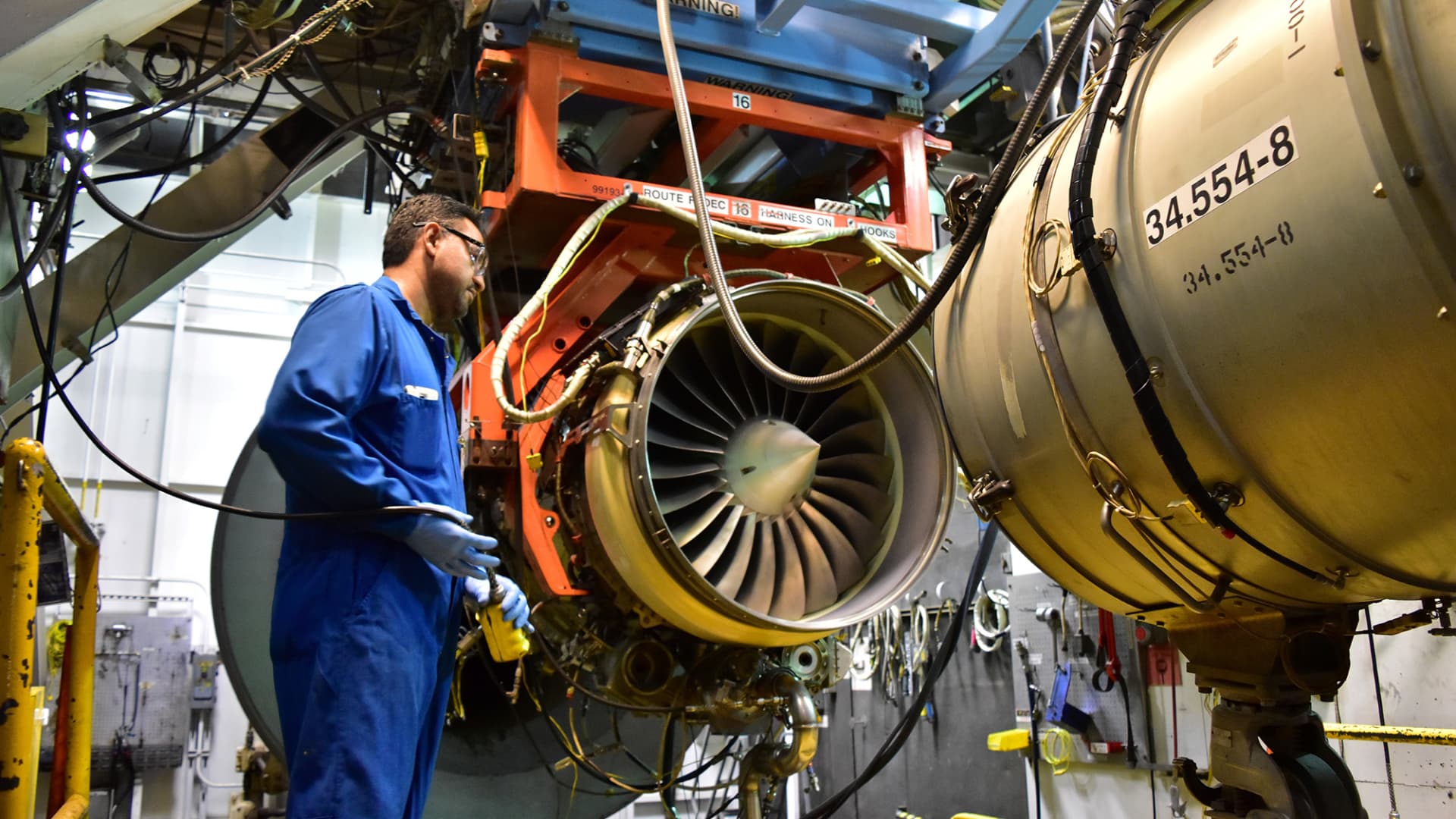
- Earnings Season Significance: Wall Street is set for a packed earnings season featuring key companies like Capital One and Boeing, with investors eager to glean insights into the economic impact of the Iran war from these reports.
- Capital One Performance Focus: Capital One is scheduled to report earnings on Tuesday, with market attention on its consumer health metrics and the progress of its acquisitions of Discover and Brex, particularly amid rising economic uncertainties.
- Boeing Earnings Outlook: Boeing is expected to release its earnings report on Wednesday, with market focus on order volumes in both its commercial and defense sectors, as well as free cash flow performance, especially after previous unexpected losses.
- GE Vernova Order Growth: GE Vernova will report alongside Boeing, with first-quarter new orders anticipated to reach $14.4 billion, reflecting a 65% year-over-year increase, indicating strong market performance amid rising electricity demand.
Semiconductor Firms Challenge Apple's Valuation
- Revenue Growth Comparison: Broadcom achieved a 28% year-over-year revenue growth last quarter, while Apple only grew by 16%, indicating Broadcom's strong performance in high-speed networking hardware and AI accelerators, which could significantly enhance its market value in the coming years.
- AI Chip Demand Outlook: Broadcom anticipates over $100 billion in AI chip revenue by 2027; despite risks from customer concentration, its robust profitability and strong market demand could drive its market cap to double.
- TSMC Market Dominance: Taiwan Semiconductor Manufacturing holds a 72% share of the foundry market, with a 40% year-over-year revenue growth in Q1, and AI chip demand expected to grow over 50% annually, further solidifying its leadership in the semiconductor industry.
- Investor Focus: Broadcom and TSMC stocks trade at 35 and 25 times earnings, respectively, and if they meet analysts' earnings growth expectations, they could surpass Apple's valuation in the coming years, attracting long-term investor interest.
Broadcom and TSMC: Core Players in AI Industry
- Broadcom's Strong Momentum: Broadcom achieved a 28% year-over-year revenue growth last quarter, significantly outpacing Apple's 16%, indicating that its robust performance in the AI semiconductor market could drive its market cap to double in the coming years.
- TSMC's Market Dominance: TSMC holds a 72% share of the foundry market, with first-quarter revenue growth accelerating to 40%, and AI chip demand is expected to grow over 50% annually, further solidifying its market position.
- Significant Earnings Growth Disparity: Analysts project Broadcom's earnings per share to grow at an annualized rate of 41%, compared to Apple's 11%, positioning Broadcom with the potential to surpass Apple's market cap in the coming years.
- Risks and Opportunities: While Broadcom's reliance on six major AI customers poses a risk of spending pauses, its visibility into over $100 billion in future AI chip revenue underscores its critical role in an AI-driven economy.
Broadcom Extends AI Chip Deal with Meta Platforms
- Deal Extension: Broadcom has extended its agreement with Meta to supply 1 gigawatt of custom AI chips through 2029, marking the beginning of a multi-generational chip development roadmap that solidifies Broadcom's leadership in the AI market.
- Technical Collaboration: Meta recently unveiled four generations of MTIA chips, with Broadcom's support enabling the MTIA 300 to be used for ranking and recommendation training, while the MTIA 400, 450, and 500 are specifically designed for inference tasks, showcasing the depth of their technical partnership.
- Market Outlook: Broadcom anticipates delivering $100 billion worth of custom AI chips by 2027, and with approximately $20 billion in AI revenue projected for 2025, this ambitious target is set to significantly drive the company's growth trajectory.
- Industry Trends: As hyperscalers seek alternatives to Nvidia's expensive GPUs, custom AI chips are becoming a popular choice, and Broadcom's strong presence in networking is attracting more companies to collaborate, indicating robust growth potential ahead.
Broadcom Extends Deal with Meta for Custom AI Chips
- Deal Extension: Broadcom has extended its agreement with Meta until 2029, committing to 1 gigawatt of custom AI chips, which is expected to initiate a multi-generation chip development roadmap, further solidifying Broadcom's leadership in the AI market.
- AI Chip Market Potential: Broadcom anticipates delivering $100 billion worth of custom AI chips by fiscal 2027, and with approximately $20 billion in AI revenue projected for fiscal 2025, this growth potential will significantly enhance the company's market share and profitability.
- Partnership with Alphabet: Broadcom has also extended its partnership with Alphabet to develop future iterations of Tensor Processing Units (TPUs) and will supply Anthropic with an additional 3.5 gigawatts of chips, indicating strong demand for Broadcom's AI hardware.
- Data Center Networking Growth: As AI chip clusters expand, Broadcom's custom chip business is directly driving growth in its data center networking segment, particularly in performance and cost efficiency, attracting more hyperscaler clients seeking alternatives to high-priced GPUs.
Market Dynamics: The Tug-of-War Between Bonds and Oil Prices
- Bond Market Stability: The slight decline in bond yields indicates a stable market outlook, which helps support the stock market, particularly amid oil price fluctuations, thereby reducing investor panic.
- Tech Stock Recovery: The so-called 'Magnificent Seven' tech companies, including Alphabet and Amazon, are beginning to reap benefits from their previous high expenditures, enhancing market confidence in their future profitability, which could drive further market gains.
- Rise of the AI Economy: The emergence of AI agents is expected to significantly reduce hiring and operational costs for enterprises, driving demand for chips like Nvidia's, which will further boost growth for related companies.
- Improved Investor Sentiment: Despite ongoing market uncertainties, the combination of low bond yields and strong performance from tech stocks fosters an optimistic outlook among investors, potentially attracting more capital into the stock market.
Wall Street Earnings Season Faces Major Test
- Earnings Season Significance: Wall Street is set for a packed earnings season featuring key companies like Capital One and Boeing, with investors eager to glean insights into the economic impact of the Iran war from these reports.
- Capital One Performance Focus: Capital One is scheduled to report earnings on Tuesday, with market attention on its consumer health metrics and the progress of its acquisitions of Discover and Brex, particularly amid rising economic uncertainties.
- Boeing Earnings Outlook: Boeing is expected to release its earnings report on Wednesday, with market focus on order volumes in both its commercial and defense sectors, as well as free cash flow performance, especially after previous unexpected losses.
- GE Vernova Order Growth: GE Vernova will report alongside Boeing, with first-quarter new orders anticipated to reach $14.4 billion, reflecting a 65% year-over-year increase, indicating strong market performance amid rising electricity demand.