The Iran Conflict Might Disrupt AI Advancements: Here's What to Expect.
Written by Emily J. Thompson, Senior Investment Analyst
Updated: 10 hours ago
0mins

Should l Buy SYK?
Source: Barron's
- Impact on Various Sectors: The ongoing war in Iran is expected to affect multiple sectors, including technology.
- Key Issues: Major concerns include the supply of raw materials, rising interest rates, and the potential for a cyberwar.
Trade with 70% Backtested Accuracy
Stop guessing "Should I Buy SYK?" and start using high-conviction signals backed by rigorous historical data.
Sign up today to access powerful investing tools and make smarter, data-driven decisions.
Analyst Views on SYK
Wall Street analysts forecast SYK stock price to rise
20 Analyst Rating
17 Buy
3 Hold
0 Sell
Strong Buy
Current: 337.210

Low
390.00
Averages
430.32
High
465.00
Current: 337.210
Low
390.00
Averages
430.32
High
465.00
About SYK
Stryker Corporation is a medical technology company. The Company offers products and services in MedSurg, Neurotechnology and Orthopaedics that help improve patient and healthcare outcomes. Its segments include MedSurg and Neurotechnology and Orthopaedics. Its MedSurg products include surgical equipment, patient and caregiver safety technologies, and navigation systems (Instruments), endoscopic and communications systems (Endoscopy), and patient handling, emergency medical equipment, intensive care disposable products and clinical communication and artificial intelligence-assisted virtual care platform technology (Medical). Neurotechnology includes neurosurgical, neurovascular and craniomaxillofacial implant products. Its Orthopaedics products primarily include implants used in total joint replacements, such as hip, knee and shoulder, and trauma and extremities surgeries. The Company also offers solutions for venous thromboembolism clot removal without the use of thrombolytic drugs.
About the author

Emily J. Thompson
Emily J. Thompson, a Chartered Financial Analyst (CFA) with 12 years in investment research, graduated with honors from the Wharton School. Specializing in industrial and technology stocks, she provides in-depth analysis for Intellectia’s earnings and market brief reports.

The Iran Conflict Might Disrupt AI Advancements: Here's What to Expect.

- Impact on Various Sectors: The ongoing war in Iran is expected to affect multiple sectors, including technology.
- Key Issues: Major concerns include the supply of raw materials, rising interest rates, and the potential for a cyberwar.
See More
Stryker Cyberattack Disruption Analysis
- Cyberattack Impact: Stryker confirmed a cyberattack on its Microsoft environment, with no signs of ransomware or malware, yet its ordering and shipping systems remain offline, causing shares to decline nearly 2% for the third consecutive day.
- Product Safety Assurance: The company reiterated that its Mako system and other products like Vocera and LIFEPAK35 are fully safe to use, aiming to alleviate customer concerns and ensure continuity of medical services amidst the disruption.
- Internal Investigation Launched: Stryker has initiated an internal investigation with support from external advisors and cybersecurity experts to fully understand the impact of the network disruption, demonstrating the company's commitment to addressing the incident effectively.
- Inventory Risk Assessment: Despite the risk of supply disruption due to the cyberattack, a source indicated that the inventory held by hospitals, sales representatives, and distributors is expected to be sufficient to weather a short-term interruption, mitigating potential threats to the company's operations.
See More

Optimistic Outlook for Cybersecurity Market Amid Rising Threats

- Surge in Cyber Attacks: CrowdStrike CEO George Kurtz highlighted an extraordinary rise in global cyber terrorism, particularly targeting companies linked to the Iran conflict, compelling businesses to increase security budgets to counter escalating threats.
- Impact of Stryker Incident: Michigan-based medtech company Stryker recently faced a cyberattack linked to Iran, disrupting its daily operations and causing a 3.6% drop in stock price on Wednesday, illustrating the direct impact of cybersecurity incidents on corporate operations and market confidence.
- AI Development Boosts Security Sector: The widespread adoption of artificial intelligence presents new growth opportunities for the cybersecurity industry, as AI tools enhance workflow efficiency but also introduce potential vulnerabilities, with hackers leveraging AI capabilities to become more dangerous, thereby increasing demand for cybersecurity solutions.
- CrowdStrike Stock Recovery: Following a brutal sell-off in mid-February, CrowdStrike's stock has rebounded to approximately $442, although still below its 2026 closing high of nearly $477, reflecting market recognition of its strong earnings report and optimistic growth outlook.
See More
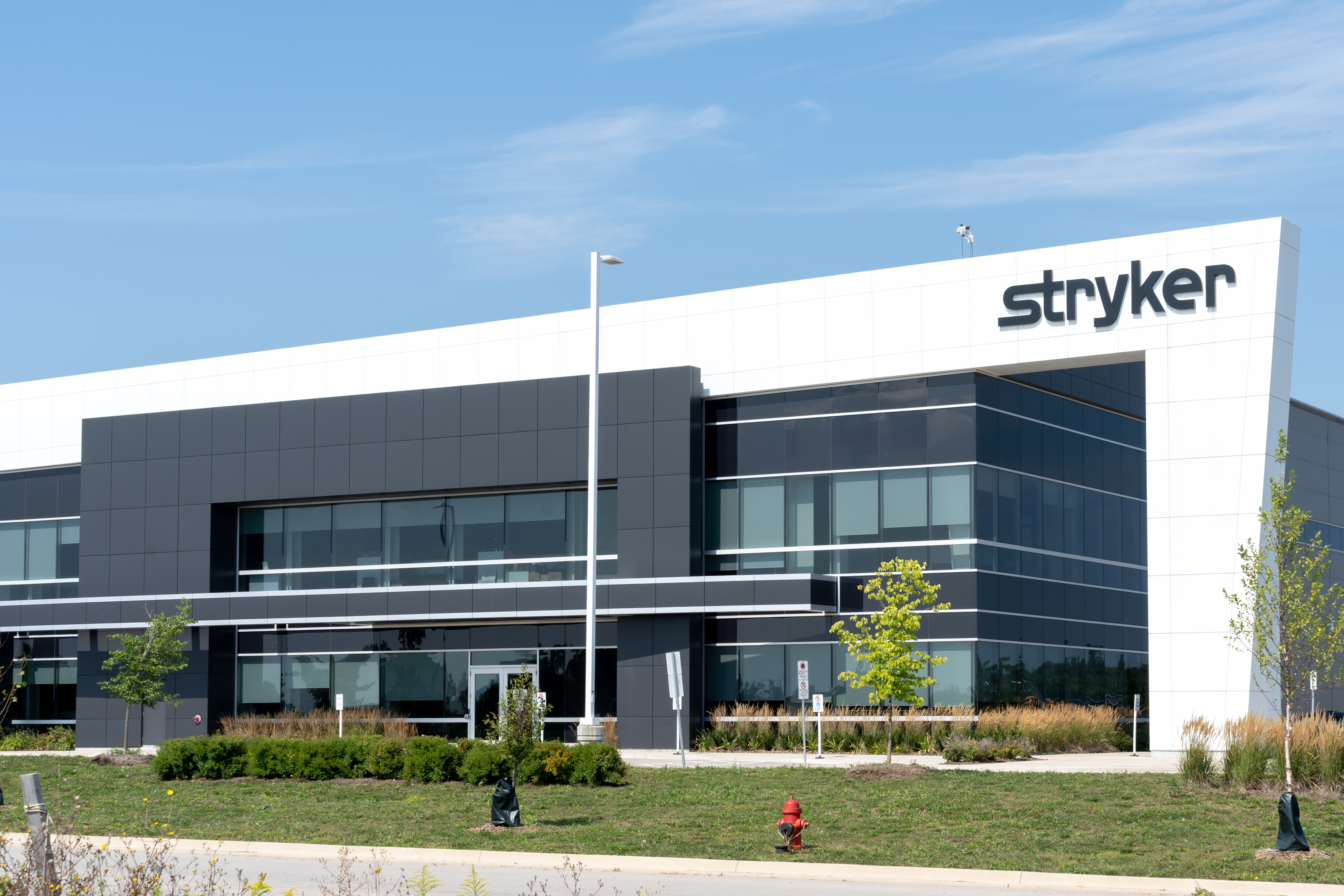
Stryker Shares Drop Following Cyberattack Impact
- Cyberattack Impact: Stryker (SYK) shares fell for the third consecutive day, closing approximately 4% lower on Wednesday, as concerns about the company's ability to recover from the cyberattack by an Iran-linked group weighed on investor sentiment.
- System Recovery Efforts: The company stated that while it is working to restore its electronic ordering system, it still has access to orders placed before the incident, indicating a proactive approach to crisis management and customer service continuity.
- Uncertain Financial Impact: In an SEC filing, Stryker noted that it has yet to determine the scope and nature of the cyber incident, including its financial implications, highlighting the uncertainty the company faces in assessing potential losses and consequences.
- Sales Growth Outlook: Despite the challenges posed by the cyberattack, Stryker projects an 8%-9.5% organic sales growth for 2026, reflecting the company's confidence in its future business development and resilience in the face of adversity.
See More
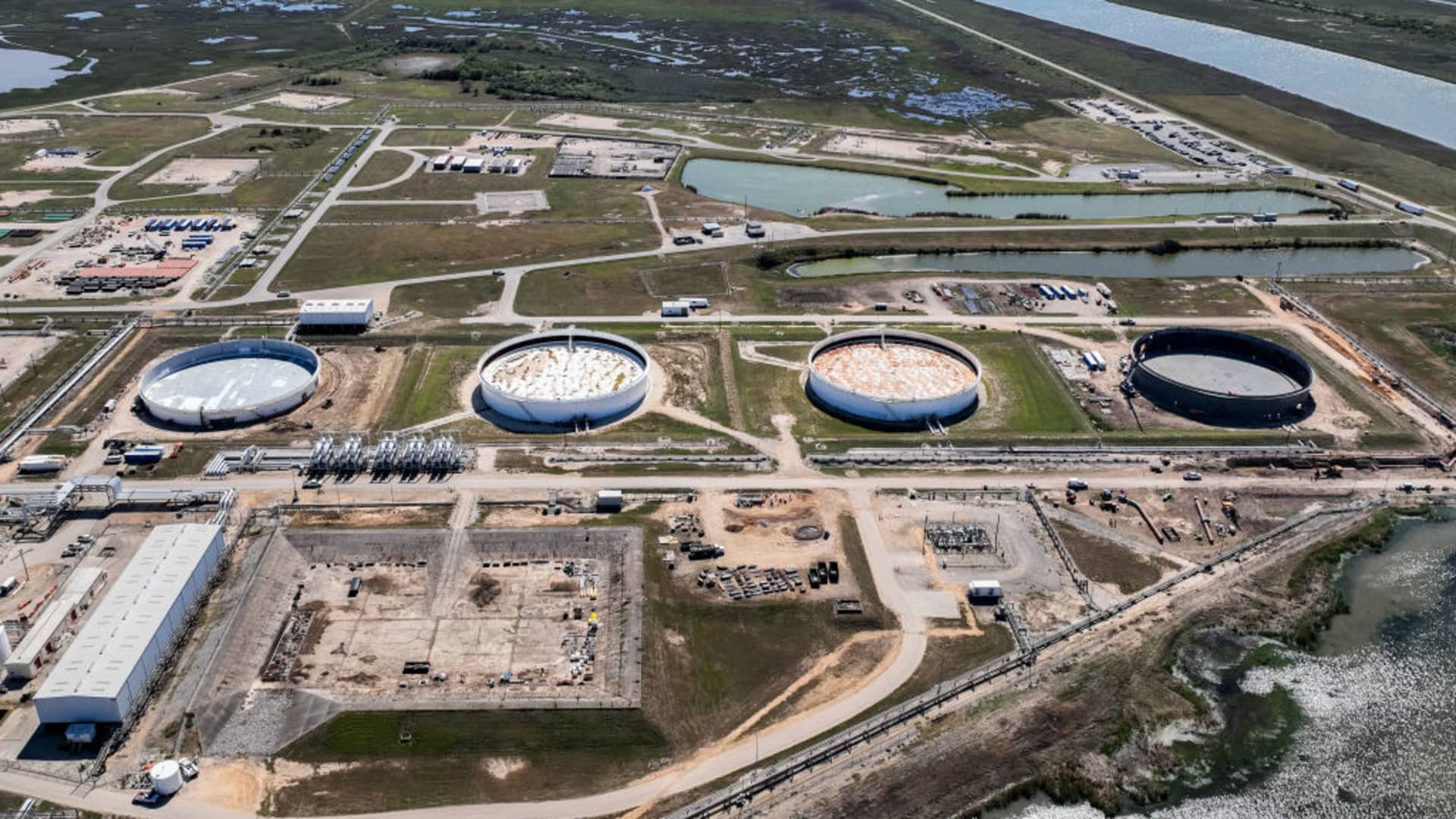
IEA Releases Emergency Oil Reserves Amid Supply Shock

- Emergency Oil Release: The IEA member countries are releasing 400 million barrels of oil in response to the Strait of Hormuz supply shock, with the U.S. contributing 172 million barrels, which may increase household expenses as oil prices rally again.
- Market Reaction: Stock futures are lower this morning due to rising oil prices, reflecting market concerns about the ongoing Iran conflict, and until there is evidence of resolution, the risk of elevated oil prices remains.
- Layoffs and Investment: Atlassian announced a 10% workforce reduction, equating to about 1,600 employees, with the CEO stating this will help self-fund further investments in AI and enterprise sales, highlighting challenges in the traditional software model.
- Private Fund Restrictions: Morgan Stanley and Cliffwater have restricted withdrawals on private credit funds, with Morgan Stanley fulfilling less than half of an 11% redemption request on an $8 billion fund, indicating liquidity issues in the private credit market.
See More

Market Fluctuations: Oracle's Strong Performance Amid Geopolitical Risks

- Oracle Beats Expectations: Oracle's latest earnings report exceeded expectations, leading to a 9% stock price increase to $163.12, alleviating market fears regarding AI replacing software firms while raising its 2027 guidance, indicating strong performance in the tech sector.
- Muted Market Reaction: Despite February's Consumer Price Index (CPI) showing a 2.4% year-over-year increase and a 0.2% month-over-month rise, the market's reaction was tepid as the data was collected before the onset of the Iran conflict, failing to significantly boost stock prices.
- Divergent Energy Stock Performance: Amid rising oil prices, energy stocks like ExxonMobil and Chevron gained, while Kosmos Energy plummeted after announcing a $185.25 million equity issuance, reflecting varying market expectations within the energy sector.
- Cautious Investor Sentiment: Despite Oracle's strong performance failing to prevent defensive selling, investors remain wary of Stryker's cyberattack and potential energy shocks, with increasing expectations that the Federal Reserve may cut rates in July rather than June.
See More
The Iran Conflict Might Disrupt AI Advancements: Here's What to Expect.
- Impact on Various Sectors: The ongoing war in Iran is expected to affect multiple sectors, including technology.
- Key Issues: Major concerns include the supply of raw materials, rising interest rates, and the potential for a cyberwar.
See More
Stryker Cyberattack Disruption Analysis
- Cyberattack Impact: Stryker confirmed a cyberattack on its Microsoft environment, with no signs of ransomware or malware, yet its ordering and shipping systems remain offline, causing shares to decline nearly 2% for the third consecutive day.
- Product Safety Assurance: The company reiterated that its Mako system and other products like Vocera and LIFEPAK35 are fully safe to use, aiming to alleviate customer concerns and ensure continuity of medical services amidst the disruption.
- Internal Investigation Launched: Stryker has initiated an internal investigation with support from external advisors and cybersecurity experts to fully understand the impact of the network disruption, demonstrating the company's commitment to addressing the incident effectively.
- Inventory Risk Assessment: Despite the risk of supply disruption due to the cyberattack, a source indicated that the inventory held by hospitals, sales representatives, and distributors is expected to be sufficient to weather a short-term interruption, mitigating potential threats to the company's operations.
See More
Optimistic Outlook for Cybersecurity Market Amid Rising Threats
- Surge in Cyber Attacks: CrowdStrike CEO George Kurtz highlighted an extraordinary rise in global cyber terrorism, particularly targeting companies linked to the Iran conflict, compelling businesses to increase security budgets to counter escalating threats.
- Impact of Stryker Incident: Michigan-based medtech company Stryker recently faced a cyberattack linked to Iran, disrupting its daily operations and causing a 3.6% drop in stock price on Wednesday, illustrating the direct impact of cybersecurity incidents on corporate operations and market confidence.
- AI Development Boosts Security Sector: The widespread adoption of artificial intelligence presents new growth opportunities for the cybersecurity industry, as AI tools enhance workflow efficiency but also introduce potential vulnerabilities, with hackers leveraging AI capabilities to become more dangerous, thereby increasing demand for cybersecurity solutions.
- CrowdStrike Stock Recovery: Following a brutal sell-off in mid-February, CrowdStrike's stock has rebounded to approximately $442, although still below its 2026 closing high of nearly $477, reflecting market recognition of its strong earnings report and optimistic growth outlook.
See More
Stryker Shares Drop Following Cyberattack Impact
- Cyberattack Impact: Stryker (SYK) shares fell for the third consecutive day, closing approximately 4% lower on Wednesday, as concerns about the company's ability to recover from the cyberattack by an Iran-linked group weighed on investor sentiment.
- System Recovery Efforts: The company stated that while it is working to restore its electronic ordering system, it still has access to orders placed before the incident, indicating a proactive approach to crisis management and customer service continuity.
- Uncertain Financial Impact: In an SEC filing, Stryker noted that it has yet to determine the scope and nature of the cyber incident, including its financial implications, highlighting the uncertainty the company faces in assessing potential losses and consequences.
- Sales Growth Outlook: Despite the challenges posed by the cyberattack, Stryker projects an 8%-9.5% organic sales growth for 2026, reflecting the company's confidence in its future business development and resilience in the face of adversity.
See More
IEA Releases Emergency Oil Reserves Amid Supply Shock
- Emergency Oil Release: The IEA member countries are releasing 400 million barrels of oil in response to the Strait of Hormuz supply shock, with the U.S. contributing 172 million barrels, which may increase household expenses as oil prices rally again.
- Market Reaction: Stock futures are lower this morning due to rising oil prices, reflecting market concerns about the ongoing Iran conflict, and until there is evidence of resolution, the risk of elevated oil prices remains.
- Layoffs and Investment: Atlassian announced a 10% workforce reduction, equating to about 1,600 employees, with the CEO stating this will help self-fund further investments in AI and enterprise sales, highlighting challenges in the traditional software model.
- Private Fund Restrictions: Morgan Stanley and Cliffwater have restricted withdrawals on private credit funds, with Morgan Stanley fulfilling less than half of an 11% redemption request on an $8 billion fund, indicating liquidity issues in the private credit market.
See More
Market Fluctuations: Oracle's Strong Performance Amid Geopolitical Risks
- Oracle Beats Expectations: Oracle's latest earnings report exceeded expectations, leading to a 9% stock price increase to $163.12, alleviating market fears regarding AI replacing software firms while raising its 2027 guidance, indicating strong performance in the tech sector.
- Muted Market Reaction: Despite February's Consumer Price Index (CPI) showing a 2.4% year-over-year increase and a 0.2% month-over-month rise, the market's reaction was tepid as the data was collected before the onset of the Iran conflict, failing to significantly boost stock prices.
- Divergent Energy Stock Performance: Amid rising oil prices, energy stocks like ExxonMobil and Chevron gained, while Kosmos Energy plummeted after announcing a $185.25 million equity issuance, reflecting varying market expectations within the energy sector.
- Cautious Investor Sentiment: Despite Oracle's strong performance failing to prevent defensive selling, investors remain wary of Stryker's cyberattack and potential energy shocks, with increasing expectations that the Federal Reserve may cut rates in July rather than June.
See More