Coca-Cola and Procter & Gamble: Strong Investment Choices
Written by Emily J. Thompson, Senior Investment Analyst
Updated: Mar 14 2026
0mins
Source: Fool
- Consumer Staples Haven: Amid economic uncertainty and escalating geopolitical tensions in the Middle East, companies like Coca-Cola and Procter & Gamble are viewed as safe investments, providing stability during market fluctuations.
- Dividend King Status: Both Coca-Cola and Procter & Gamble hold the elite status of Dividend Kings, having increased dividends for 50 consecutive years, which reflects their strong business plans and commitment to shareholder returns, boosting investor confidence.
- Dividend Yield Comparison: Coca-Cola offers a dividend yield of 2.6% while Procter & Gamble yields 2.8%, both significantly higher than the S&P 500's yield of approximately 1.1%, making them more attractive in the current market environment.
- Reasonable Pricing Opportunity: Although Coca-Cola and Procter & Gamble are typically valued highly, their current price-to-earnings and price-to-book ratios are below long-term averages, presenting a reasonable entry point for long-term investors looking to capitalize on quality at a fair price.
Trade with 70% Backtested Accuracy
Stop guessing "Should I Buy KO?" and start using high-conviction signals backed by rigorous historical data.
Sign up today to access powerful investing tools and make smarter, data-driven decisions.
Analyst Views on KO
Wall Street analysts forecast KO stock price to rise
14 Analyst Rating
13 Buy
1 Hold
0 Sell
Strong Buy
Current: 76.080

Low
71.00
Averages
79.33
High
85.00
Current: 76.080
Low
71.00
Averages
79.33
High
85.00
About KO
The Coca-Cola Company is a beverage company. The Company's segments include Europe, Middle East and Africa (EMEA); Latin America; North America; Asia Pacific, and Bottling Investments. It sells multiple brands across several beverage categories worldwide. Its portfolio of sparkling soft drink brands includes Coca-Cola, Sprite and Fanta. Its water, sports, coffee and tea brands include Dasani, smartwater, vitaminwater, Topo Chico, BODYARMOR, Powerade, Costa, Georgia, Fuze Tea, Gold Peak and Ayataka. Its juice, value-added dairy and plant-based beverage brands include Minute Maid, Simply, innocent, Del Valle, fairlife and Santa Clara. It operates in two lines of business: concentrate operations and finished product operations. Its concentrate operations sell beverage concentrates, syrups, including fountain syrups, and certain finished beverages to authorized bottling operations. Its finished product operations sell sparkling soft drinks and a variety of other finished beverages.
About the author

Emily J. Thompson
Emily J. Thompson, a Chartered Financial Analyst (CFA) with 12 years in investment research, graduated with honors from the Wharton School. Specializing in industrial and technology stocks, she provides in-depth analysis for Intellectia’s earnings and market brief reports.
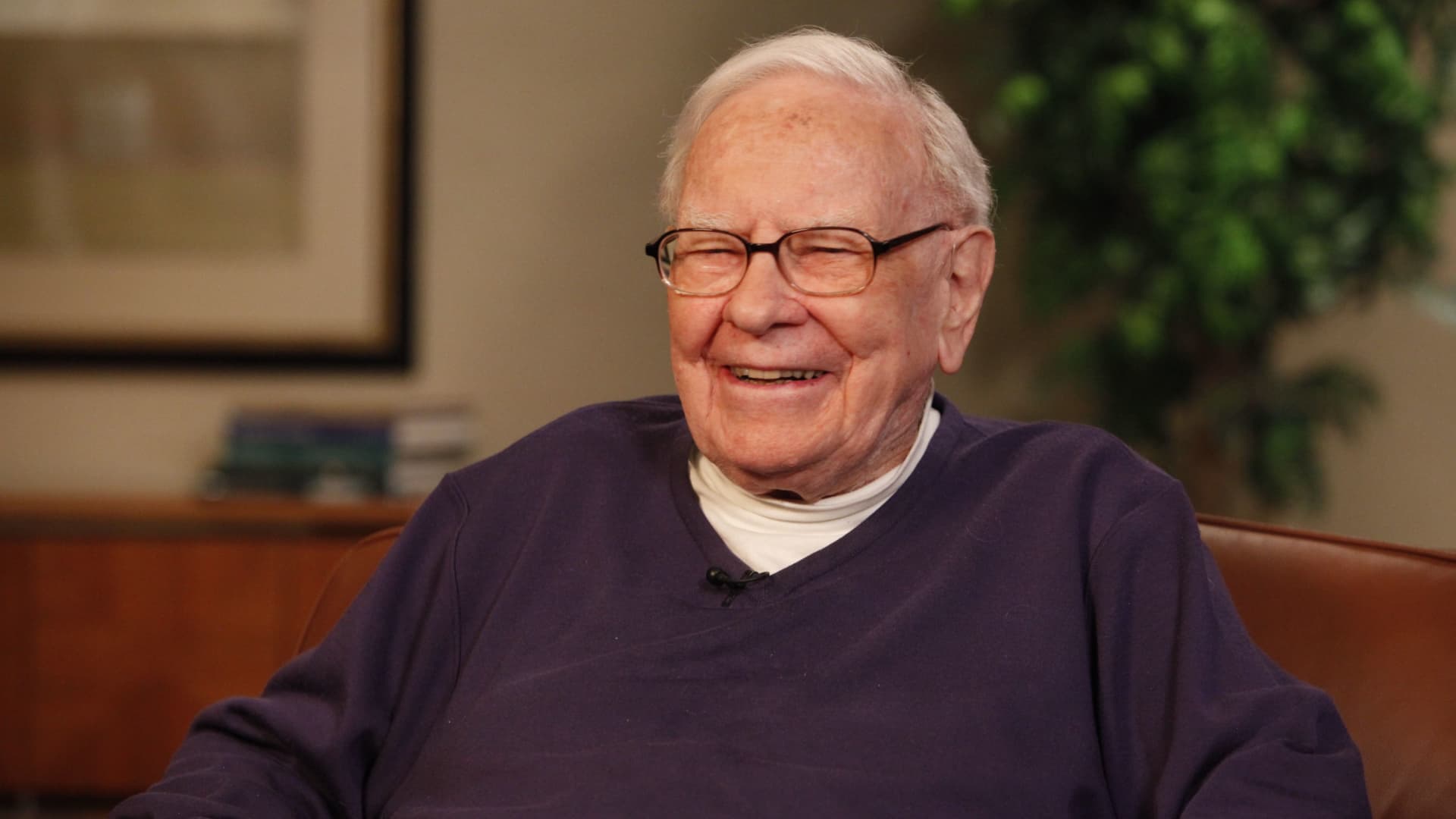
Buffett May End Donations to Gates Foundation Over Epstein Ties


- Donation Tensions: Buffett is considering halting his annual multi-billion dollar donations to the Gates Foundation due to Gates' ties to Epstein, indicating a significant impact on the foundation's funding sources and operations.
- Friendship Breakdown: In an interview, Buffett stated he has not spoken to Gates since the Epstein revelations, suggesting their friendship may be over, which could affect the future functioning of the Gates Foundation.
- Uncertain Donation Commitment: Buffett mentioned he will “wait and see what unfolds” regarding his donations, leaving the foundation's financial future uncertain and potentially jeopardizing its charitable initiatives.
- Concerns for the Future: Buffett expressed worries about the Gates Foundation's future, emphasizing the need for clarity on the situation, which may lead to increased scrutiny and regulation of charitable organizations.
See More

Buffett's Investment Philosophy and Core Holdings


- Apple's Competitive Edge: Berkshire Hathaway holds a 1.6% stake in Apple, valued at approximately $56.4 billion, representing 18.1% of its portfolio, highlighting Apple's strong competitive advantage in customer loyalty and ecosystem; despite a current P/E ratio of 32, long-term earnings growth and buyback commitments may yield stable returns.
- American Express Market Performance: Berkshire gradually built a 22% stake in American Express between 1991 and 1995, and while the S&P 500 has recently outperformed, American Express is expected to maintain steady profit growth amid economic challenges due to its brand and customer loyalty, with a current P/E ratio of 19 and significant future dividend growth potential.
- Coca-Cola's Steady Returns: Berkshire Hathaway owns 9.3% of Coca-Cola, and since starting its investment in 1988, the total return has been 3,580%, slightly below the S&P 500's 3,700%; however, Coca-Cola's 64 consecutive years of dividend growth provides stable cash flow for Berkshire to support new investments.
- Investor Choices: Although Apple is considered a quality stock, it is not included in the Motley Fool analyst team's list of 10 best stocks, indicating a market focus on other potential high-return stocks, suggesting investors should consider diversifying their portfolios for higher yields.
See More
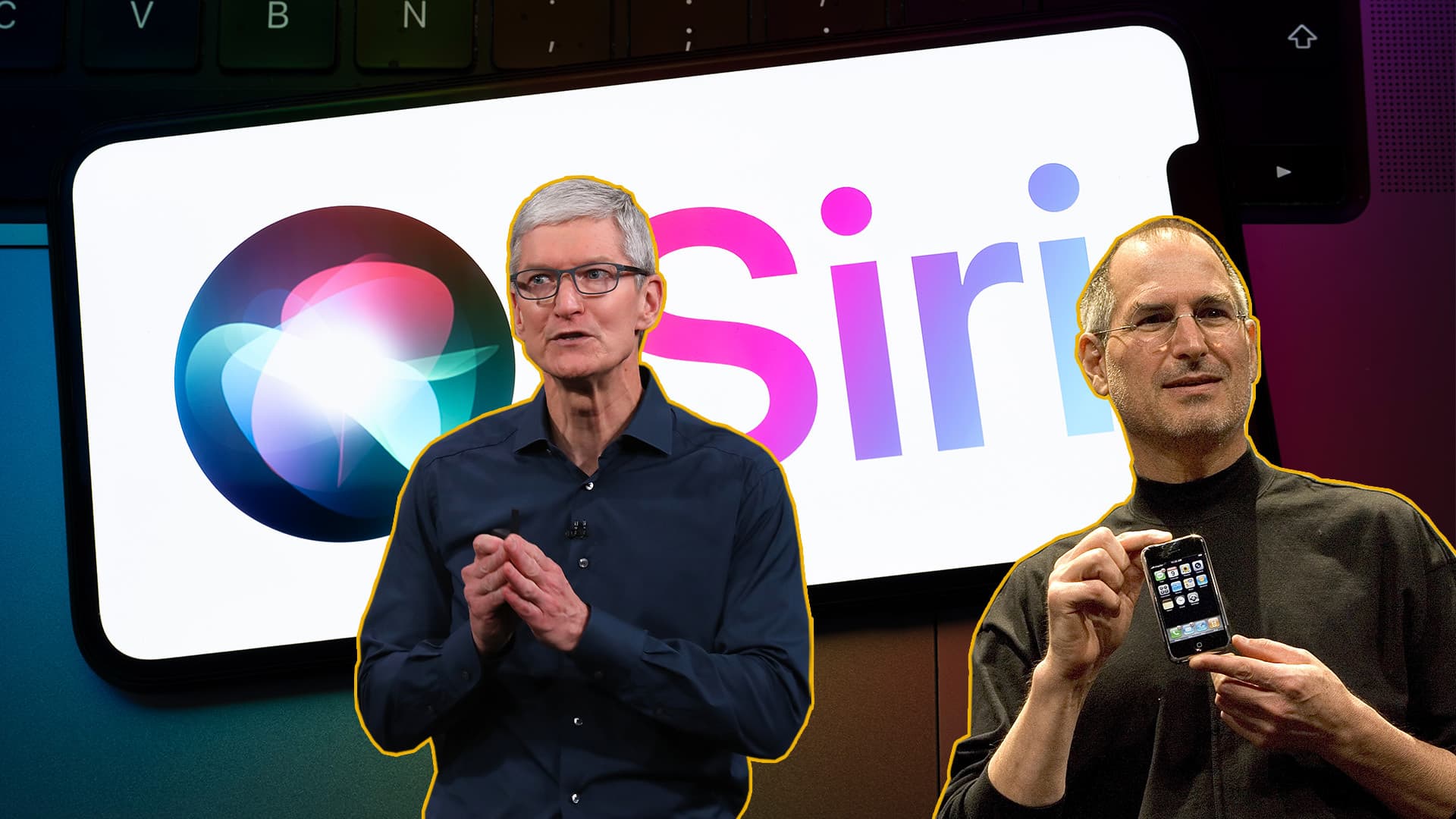
Apple Faces Challenges and Opportunities in the AI Era

- AI Strategy Shift: Apple has struck a multi-year deal with Google to utilize Gemini AI for a revamped Siri, which could impact user data privacy as Apple pays around $20 billion annually to maintain Google's default search engine status, necessitating careful management to avoid negative implications for its core business.
- Mixed Market Response: Apple's slow progress in AI updates has raised consumer skepticism, despite plans to launch Apple Intelligence in 2024 with features like image generation and text rewriting, potentially affecting its competitive edge in the market.
- Capital Expenditure Control: Unlike rivals such as Amazon and Microsoft, which are committing hundreds of billions annually to AI infrastructure, Apple has kept its capital expenditures in check, a strategy that reduces short-term risks but places it at a disadvantage in generative AI.
- Privacy and Technology Balance: CEO Tim Cook has emphasized that privacy is a
See More
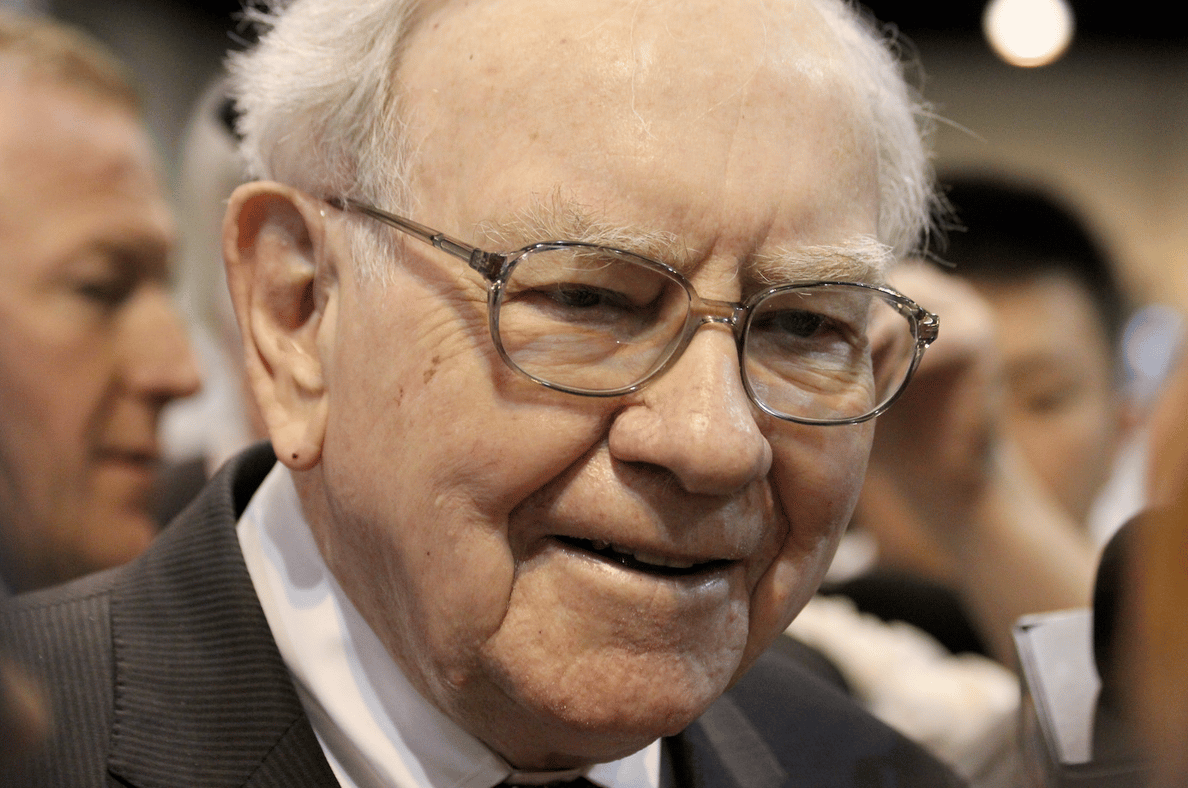
Buffett's Investment Philosophy and Core Holdings
- Apple Investment: Berkshire Hathaway holds a 1.6% stake in Apple, valued at approximately $56.4 billion, representing 18.1% of its portfolio, reflecting the company's confidence in tech stocks despite Buffett's previous reservations.
- American Express Resilience: Berkshire built its 22% stake in American Express between 1991 and 1995, and despite economic challenges, the company maintains strong customer loyalty and consistent profit growth, expected to continue outperforming the S&P 500.
- Coca-Cola's Dividend King Status: Berkshire holds a 9.3% stake in Coca-Cola, and since investing in 1988, the stock has delivered a total return of 3,580%, which, while below the S&P 500, is supported by consistent dividend growth, making it a cornerstone for long-term investment.
- Strategic Significance of Portfolio: Buffett's investment philosophy emphasizes acquiring high-quality companies, and although he has retired, new CEO Abel indicates no major changes to core investments, suggesting Berkshire will continue to focus on long-term value investing.
See More

Investment Opportunities Amid Market Decline
- Apple's Stock Decline: Apple's shares have dropped 8% this year, yet it remains one of the world's dominant tech companies, presenting a fantastic buying opportunity for investors, especially amid a broader market downturn.
- Coca-Cola's Dividend Appeal: Coca-Cola's stock fell 7.3% this month, raising its dividend yield to 2.7%, making it an attractive option for blue-chip investors, particularly during market declines where lower prices lead to higher yields.
- Overall Market Performance: The S&P 500 has declined over 6% this year, providing investors with opportunities to increase their positions in blue-chip stocks, as many stocks are down not due to fundamental issues but rather market sentiment.
- Apple's AI Collaboration: Apple is accelerating its AI development by partnering with Google's Gemini program, which is expected to introduce competitive AI features into its products, thereby enhancing its competitiveness in the tech market.
See More

Investment Opportunities in Blue Chips Amid Market Decline
- Apple Stock Opportunity: Despite an 8% decline in its stock this year, Apple (NASDAQ: AAPL) maintains a 20% share of the global smartphone market and a dominant 69% in the U.S., reflecting its strong market position and growth potential, with Q1 revenue reaching $142.8 billion, up 16% year-over-year.
- Coca-Cola's Dividend Appeal: Coca-Cola (NYSE: KO) has seen a 7.3% drop in stock price over the past month, currently yielding 2.7% in dividends, and has raised its dividend for 64 consecutive years, showcasing its stable profitability and strong brand influence, with a net margin of 27.4%.
- Market Environment Impact: The S&P 500 has dropped over 6% this year due to factors like the Middle East conflict, providing investors with an opportunity to buy blue-chip stocks at a discount, particularly companies like Apple and Coca-Cola, which remain fundamentally strong despite market pressures.
- Investment Strategy Recommendation: In the current market environment, consider increasing holdings in Apple and Coca-Cola to capitalize on low-price opportunities created by market volatility, especially given Apple's net profit margin of 27% and Coca-Cola's free cash flow of $7.4 billion, indicating resilience amid economic uncertainty.
See More
Buffett May End Donations to Gates Foundation Over Epstein Ties
- Donation Tensions: Buffett is considering halting his annual multi-billion dollar donations to the Gates Foundation due to Gates' ties to Epstein, indicating a significant impact on the foundation's funding sources and operations.
- Friendship Breakdown: In an interview, Buffett stated he has not spoken to Gates since the Epstein revelations, suggesting their friendship may be over, which could affect the future functioning of the Gates Foundation.
- Uncertain Donation Commitment: Buffett mentioned he will “wait and see what unfolds” regarding his donations, leaving the foundation's financial future uncertain and potentially jeopardizing its charitable initiatives.
- Concerns for the Future: Buffett expressed worries about the Gates Foundation's future, emphasizing the need for clarity on the situation, which may lead to increased scrutiny and regulation of charitable organizations.
See More
Buffett's Investment Philosophy and Core Holdings
- Apple's Competitive Edge: Berkshire Hathaway holds a 1.6% stake in Apple, valued at approximately $56.4 billion, representing 18.1% of its portfolio, highlighting Apple's strong competitive advantage in customer loyalty and ecosystem; despite a current P/E ratio of 32, long-term earnings growth and buyback commitments may yield stable returns.
- American Express Market Performance: Berkshire gradually built a 22% stake in American Express between 1991 and 1995, and while the S&P 500 has recently outperformed, American Express is expected to maintain steady profit growth amid economic challenges due to its brand and customer loyalty, with a current P/E ratio of 19 and significant future dividend growth potential.
- Coca-Cola's Steady Returns: Berkshire Hathaway owns 9.3% of Coca-Cola, and since starting its investment in 1988, the total return has been 3,580%, slightly below the S&P 500's 3,700%; however, Coca-Cola's 64 consecutive years of dividend growth provides stable cash flow for Berkshire to support new investments.
- Investor Choices: Although Apple is considered a quality stock, it is not included in the Motley Fool analyst team's list of 10 best stocks, indicating a market focus on other potential high-return stocks, suggesting investors should consider diversifying their portfolios for higher yields.
See More
Apple Faces Challenges and Opportunities in the AI Era
- AI Strategy Shift: Apple has struck a multi-year deal with Google to utilize Gemini AI for a revamped Siri, which could impact user data privacy as Apple pays around $20 billion annually to maintain Google's default search engine status, necessitating careful management to avoid negative implications for its core business.
- Mixed Market Response: Apple's slow progress in AI updates has raised consumer skepticism, despite plans to launch Apple Intelligence in 2024 with features like image generation and text rewriting, potentially affecting its competitive edge in the market.
- Capital Expenditure Control: Unlike rivals such as Amazon and Microsoft, which are committing hundreds of billions annually to AI infrastructure, Apple has kept its capital expenditures in check, a strategy that reduces short-term risks but places it at a disadvantage in generative AI.
- Privacy and Technology Balance: CEO Tim Cook has emphasized that privacy is a
See More
Buffett's Investment Philosophy and Core Holdings
- Apple Investment: Berkshire Hathaway holds a 1.6% stake in Apple, valued at approximately $56.4 billion, representing 18.1% of its portfolio, reflecting the company's confidence in tech stocks despite Buffett's previous reservations.
- American Express Resilience: Berkshire built its 22% stake in American Express between 1991 and 1995, and despite economic challenges, the company maintains strong customer loyalty and consistent profit growth, expected to continue outperforming the S&P 500.
- Coca-Cola's Dividend King Status: Berkshire holds a 9.3% stake in Coca-Cola, and since investing in 1988, the stock has delivered a total return of 3,580%, which, while below the S&P 500, is supported by consistent dividend growth, making it a cornerstone for long-term investment.
- Strategic Significance of Portfolio: Buffett's investment philosophy emphasizes acquiring high-quality companies, and although he has retired, new CEO Abel indicates no major changes to core investments, suggesting Berkshire will continue to focus on long-term value investing.
See More
Investment Opportunities Amid Market Decline
- Apple's Stock Decline: Apple's shares have dropped 8% this year, yet it remains one of the world's dominant tech companies, presenting a fantastic buying opportunity for investors, especially amid a broader market downturn.
- Coca-Cola's Dividend Appeal: Coca-Cola's stock fell 7.3% this month, raising its dividend yield to 2.7%, making it an attractive option for blue-chip investors, particularly during market declines where lower prices lead to higher yields.
- Overall Market Performance: The S&P 500 has declined over 6% this year, providing investors with opportunities to increase their positions in blue-chip stocks, as many stocks are down not due to fundamental issues but rather market sentiment.
- Apple's AI Collaboration: Apple is accelerating its AI development by partnering with Google's Gemini program, which is expected to introduce competitive AI features into its products, thereby enhancing its competitiveness in the tech market.
See More
Investment Opportunities in Blue Chips Amid Market Decline
- Apple Stock Opportunity: Despite an 8% decline in its stock this year, Apple (NASDAQ: AAPL) maintains a 20% share of the global smartphone market and a dominant 69% in the U.S., reflecting its strong market position and growth potential, with Q1 revenue reaching $142.8 billion, up 16% year-over-year.
- Coca-Cola's Dividend Appeal: Coca-Cola (NYSE: KO) has seen a 7.3% drop in stock price over the past month, currently yielding 2.7% in dividends, and has raised its dividend for 64 consecutive years, showcasing its stable profitability and strong brand influence, with a net margin of 27.4%.
- Market Environment Impact: The S&P 500 has dropped over 6% this year due to factors like the Middle East conflict, providing investors with an opportunity to buy blue-chip stocks at a discount, particularly companies like Apple and Coca-Cola, which remain fundamentally strong despite market pressures.
- Investment Strategy Recommendation: In the current market environment, consider increasing holdings in Apple and Coca-Cola to capitalize on low-price opportunities created by market volatility, especially given Apple's net profit margin of 27% and Coca-Cola's free cash flow of $7.4 billion, indicating resilience amid economic uncertainty.
See More