The Future of Coffee: Why Starbucks Won't Dominate It
Written by Emily J. Thompson, Senior Investment Analyst
Updated: Nov 03 2025
0mins

Should l Buy WING?
Source: WSJ
Coffee Market Dynamics: Coffee is a highly profitable and habit-forming product in the restaurant industry, yet few brands have achieved national prominence.
Starbucks' Dominance: Howard Schultz's transformation of Starbucks into a global brand has set a high bar, with the company and Dunkin’ Brands controlling approximately 85% of the U.S. coffee market by sales.
Trade with 70% Backtested Accuracy
Stop guessing "Should I Buy WING?" and start using high-conviction signals backed by rigorous historical data.
Sign up today to access powerful investing tools and make smarter, data-driven decisions.
Analyst Views on WING
Wall Street analysts forecast WING stock price to rise
22 Analyst Rating
19 Buy
3 Hold
0 Sell
Strong Buy
Current: 187.290

Low
268.69
Averages
330.13
High
400.00
Current: 187.290
Low
268.69
Averages
330.13
High
400.00
About WING
Wingstop Inc. is a fast casual chicken wings-focused restaurant chain in the world, with more than 2,550 locations worldwide. The Company is in the business of franchising and operating Wingstop restaurants. The Company is primarily a franchisor, with approximately 98% of its restaurants owned and operated by independent franchisees. The Company offers classic wings, boneless wings, tenders, and chicken sandwiches, always cooked to order, and hand-sauced-and-tossed in 12 bold, distinctive flavors. It also complements its wings, tenders, and chicken sandwiches with fresh-cut, seasoned fries and fresh, hand-cut carrots and celery. It offers various order options, including dine-in / carryout / delivery; individual / combo meals / family packs. Its menu also features signature sides, including fresh-cut, seasoned fries and freshly made ranch and bleu cheese dips. The Company operates approximately a total of 2,513 restaurants in 45 states and 12 countries and United States territories.
About the author

Emily J. Thompson
Emily J. Thompson, a Chartered Financial Analyst (CFA) with 12 years in investment research, graduated with honors from the Wharton School. Specializing in industrial and technology stocks, she provides in-depth analysis for Intellectia’s earnings and market brief reports.
Investment Outlook for Bitcoin vs. Dogecoin


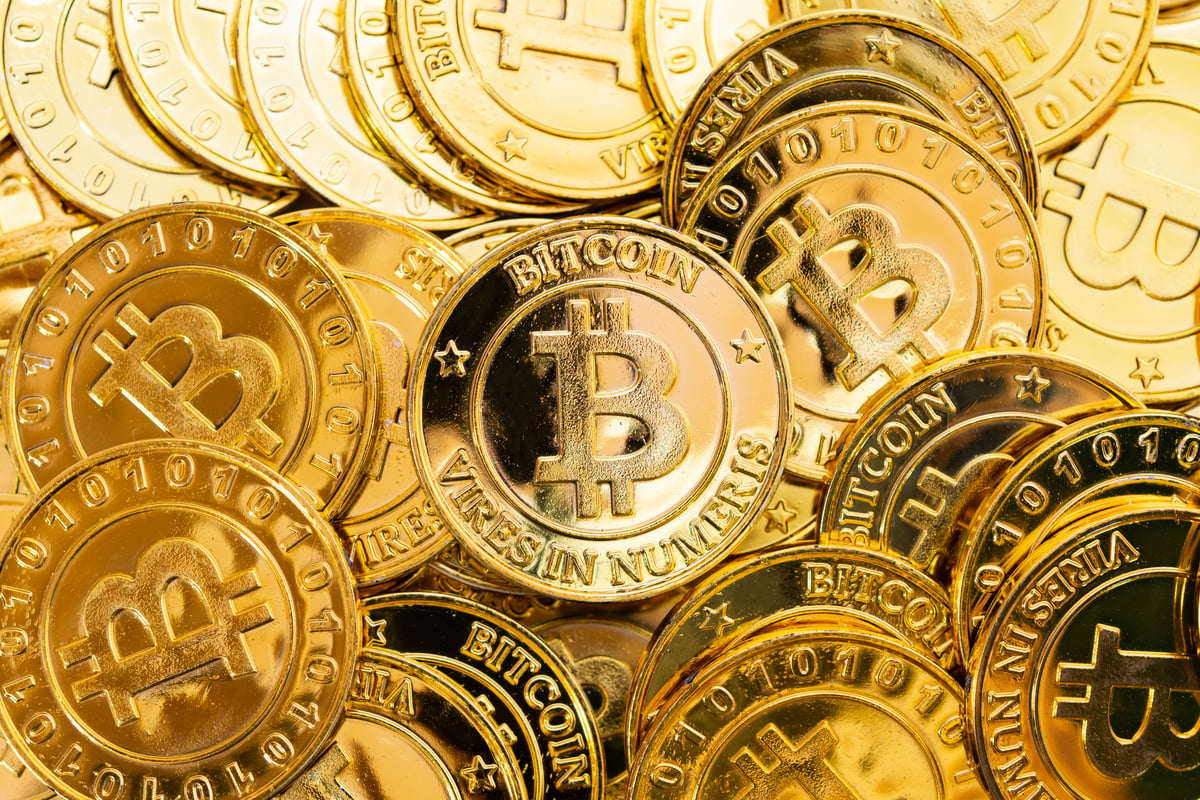
- Bitcoin's Scarcity: Bitcoin's total supply is capped at 21 million units, a feature that has remained unchanged since its inception over 17 years ago, ensuring its unique position in the digital asset space and providing strong support for long-term investors.
- Dogecoin's Supply Issue: Unlike Bitcoin, Dogecoin has no supply cap, adding 10,000 tokens every minute, which translates to over 5 billion new tokens annually; this unlimited supply could lead to a decline in long-term value, necessitating cautious evaluation by investors.
- Market Acceptance Disparity: Bitcoin is accepted by over 22,200 merchants globally, reflecting a 74% increase from the end of 2024 to the end of 2025, indicating its growing popularity as a financial asset, while Dogecoin lags significantly in acceptance.
- Ten-Year Outlook: By 2036, Dogecoin's value may be lower than today due to a lack of sustained price momentum, whereas Bitcoin, supported by solid fundamentals and historical trends, is likely to achieve greater value in the next decade.
See More

Investment Outlook for Bitcoin vs. Dogecoin
- Scarcity of Bitcoin: Bitcoin's total supply is capped at 21 million units, a feature unchanged since its inception over 17 years ago, ensuring its long-term advantage amid rising money supply and sovereign debt levels.
- Supply Issues with Dogecoin: Unlike Bitcoin, Dogecoin has no supply cap, adding 10,000 tokens every minute, resulting in over 5 billion new tokens annually, which undermines its appeal as a scarce digital asset for future investments.
- Market Acceptance Discrepancy: Bitcoin is accepted by over 22,200 merchants globally, a 74% increase from the end of 2024, while Dogecoin's adoption lags significantly, highlighting Bitcoin's dominant position as a financial asset.
- Future Outlook: Despite Dogecoin peaking in 2021, its lack of sustained price momentum suggests it may be worth less by 2036, whereas Bitcoin is poised for appreciation over the next decade, drawing investor interest due to its strong fundamentals.
See More

Three Long-Term Growth Stocks to Consider


- MercadoLibre's Growth Potential: Since 2007, MercadoLibre has achieved an annualized total return of 25%, with 100 million active buyers and 61 million monthly active users significantly impacting the Latin American market; despite a 30% short-term stock price pullback, its extensive ecosystem in e-commerce and fintech offers substantial growth opportunities.
- Casey's General Stores Expansion: With an 18% annual return since 1990, Casey's has doubled its store count to nearly 3,000 since 2010, and plans to open at least 80 new stores by 2026, with two-thirds of its gross profits coming from inside sales, indicating strong growth momentum in the convenience store sector.
- Wingstop's Market Outlook: Since its IPO in 2015, Wingstop has generated a 23% annualized total return; despite facing its first decline in same-store sales, it plans to increase its store count by 15% in 2026, with average unit volumes rising from $1.1 million to $2.1 million, showcasing significant profitability improvements.
- Long-Term Investment Opportunities: Although these three stocks have experienced short-term volatility, their long-term growth potential and market positions make them attractive investment choices, especially during current market adjustments, providing investors with opportunities to buy quality stocks.
See More

Restaurant Stocks Face Inflation and Economic Volatility Challenges

- Industry Decline: The S&P 500 Hotels, Restaurants, and Leisure sector is down approximately 4% in 2026, while the broader benchmark index has fallen 1.8%, indicating the restaurant industry's struggles amid inflation and uneven economic growth.
- Fast-Food Chains Struggling: DoorDash's stock has plummeted over 27%, Chipotle is down nearly 12%, and Wendy's has lost 15% year-to-date, reflecting shifts in consumer spending habits and the impact of GLP-1 drugs on dining out.
- Impact of GLP-1 Drugs: Research indicates that households with GLP-1 users experienced an 8% short-term decline in food-away-from-home spending, which could significantly affect sales at quick-service and fast-casual restaurants, particularly among lower-income consumers.
- Labor Market Volatility: The unemployment rate rose slightly to 4.4% in February, correlating with weak restaurant demand, as fast-casual and quick-service restaurants reported stagnant or declining same-store sales, highlighting the sensitivity of younger consumers to labor market changes.
See More
U.S. Stocks Fluctuate Amid Downward Revision of Economic Growth


- Economic Growth Revision: The Bureau of Economic Analysis revised the fourth-quarter 2025 GDP growth to 0.7%, down 0.7 percentage points from its advance estimate, indicating signs of economic slowdown that may affect investor confidence.
- Persistent Inflation Pressure: The January Core Personal Consumption Expenditure price index showed a 3.1% annual increase, up from the previous 3%, further deviating from the Fed's 2% target, potentially prompting the Fed to adopt tighter monetary policies to combat inflation.
- Oil Market Volatility: While Washington temporarily eased sanctions on Russian crude to expand global supply, tensions between Iran and the U.S. continue to threaten Persian Gulf energy flows, keeping West Texas Intermediate prices near $95 a barrel.
- Major Indices Performance: By midday in New York, the Dow Jones Industrial Average rose 0.3% to 46,820, the S&P 500 held flat at 6,670, and the Nasdaq 100 was little changed at 24,530, reflecting market uncertainty.
See More

Wingstop Authorizes Additional $300 Million Stock Buyback
- Buyback Program Expansion: Wingstop has authorized an additional $300 million stock buyback, planning to fund this initiative through existing cash and anticipated operational cash flow, reflecting the company's confidence in its stock value.
- Historical Buyback Data: Since the inception of its current buyback program in August 2023, Wingstop has invested nearly $700 million to repurchase approximately 2.6 million shares, indicating proactive capital management aimed at enhancing shareholder returns.
- 2025 Buyback Performance: In 2025 alone, Wingstop repurchased over 1.2 million shares, demonstrating the company's robust buyback capability amidst market fluctuations, which further boosts investor confidence in its future growth prospects.
- Current Authorization Balance: Wingstop has approximately $53.4 million remaining under its current buyback authorization, indicating the company's flexibility for future repurchases, which may continue to support its stock price performance.
See More
Investment Outlook for Bitcoin vs. Dogecoin
- Bitcoin's Scarcity: Bitcoin's total supply is capped at 21 million units, a feature that has remained unchanged since its inception over 17 years ago, ensuring its unique position in the digital asset space and providing strong support for long-term investors.
- Dogecoin's Supply Issue: Unlike Bitcoin, Dogecoin has no supply cap, adding 10,000 tokens every minute, which translates to over 5 billion new tokens annually; this unlimited supply could lead to a decline in long-term value, necessitating cautious evaluation by investors.
- Market Acceptance Disparity: Bitcoin is accepted by over 22,200 merchants globally, reflecting a 74% increase from the end of 2024 to the end of 2025, indicating its growing popularity as a financial asset, while Dogecoin lags significantly in acceptance.
- Ten-Year Outlook: By 2036, Dogecoin's value may be lower than today due to a lack of sustained price momentum, whereas Bitcoin, supported by solid fundamentals and historical trends, is likely to achieve greater value in the next decade.
See More
Investment Outlook for Bitcoin vs. Dogecoin
- Scarcity of Bitcoin: Bitcoin's total supply is capped at 21 million units, a feature unchanged since its inception over 17 years ago, ensuring its long-term advantage amid rising money supply and sovereign debt levels.
- Supply Issues with Dogecoin: Unlike Bitcoin, Dogecoin has no supply cap, adding 10,000 tokens every minute, resulting in over 5 billion new tokens annually, which undermines its appeal as a scarce digital asset for future investments.
- Market Acceptance Discrepancy: Bitcoin is accepted by over 22,200 merchants globally, a 74% increase from the end of 2024, while Dogecoin's adoption lags significantly, highlighting Bitcoin's dominant position as a financial asset.
- Future Outlook: Despite Dogecoin peaking in 2021, its lack of sustained price momentum suggests it may be worth less by 2036, whereas Bitcoin is poised for appreciation over the next decade, drawing investor interest due to its strong fundamentals.
See More
Three Long-Term Growth Stocks to Consider
- MercadoLibre's Growth Potential: Since 2007, MercadoLibre has achieved an annualized total return of 25%, with 100 million active buyers and 61 million monthly active users significantly impacting the Latin American market; despite a 30% short-term stock price pullback, its extensive ecosystem in e-commerce and fintech offers substantial growth opportunities.
- Casey's General Stores Expansion: With an 18% annual return since 1990, Casey's has doubled its store count to nearly 3,000 since 2010, and plans to open at least 80 new stores by 2026, with two-thirds of its gross profits coming from inside sales, indicating strong growth momentum in the convenience store sector.
- Wingstop's Market Outlook: Since its IPO in 2015, Wingstop has generated a 23% annualized total return; despite facing its first decline in same-store sales, it plans to increase its store count by 15% in 2026, with average unit volumes rising from $1.1 million to $2.1 million, showcasing significant profitability improvements.
- Long-Term Investment Opportunities: Although these three stocks have experienced short-term volatility, their long-term growth potential and market positions make them attractive investment choices, especially during current market adjustments, providing investors with opportunities to buy quality stocks.
See More
Restaurant Stocks Face Inflation and Economic Volatility Challenges
- Industry Decline: The S&P 500 Hotels, Restaurants, and Leisure sector is down approximately 4% in 2026, while the broader benchmark index has fallen 1.8%, indicating the restaurant industry's struggles amid inflation and uneven economic growth.
- Fast-Food Chains Struggling: DoorDash's stock has plummeted over 27%, Chipotle is down nearly 12%, and Wendy's has lost 15% year-to-date, reflecting shifts in consumer spending habits and the impact of GLP-1 drugs on dining out.
- Impact of GLP-1 Drugs: Research indicates that households with GLP-1 users experienced an 8% short-term decline in food-away-from-home spending, which could significantly affect sales at quick-service and fast-casual restaurants, particularly among lower-income consumers.
- Labor Market Volatility: The unemployment rate rose slightly to 4.4% in February, correlating with weak restaurant demand, as fast-casual and quick-service restaurants reported stagnant or declining same-store sales, highlighting the sensitivity of younger consumers to labor market changes.
See More
U.S. Stocks Fluctuate Amid Downward Revision of Economic Growth
- Economic Growth Revision: The Bureau of Economic Analysis revised the fourth-quarter 2025 GDP growth to 0.7%, down 0.7 percentage points from its advance estimate, indicating signs of economic slowdown that may affect investor confidence.
- Persistent Inflation Pressure: The January Core Personal Consumption Expenditure price index showed a 3.1% annual increase, up from the previous 3%, further deviating from the Fed's 2% target, potentially prompting the Fed to adopt tighter monetary policies to combat inflation.
- Oil Market Volatility: While Washington temporarily eased sanctions on Russian crude to expand global supply, tensions between Iran and the U.S. continue to threaten Persian Gulf energy flows, keeping West Texas Intermediate prices near $95 a barrel.
- Major Indices Performance: By midday in New York, the Dow Jones Industrial Average rose 0.3% to 46,820, the S&P 500 held flat at 6,670, and the Nasdaq 100 was little changed at 24,530, reflecting market uncertainty.
See More
Wingstop Authorizes Additional $300 Million Stock Buyback
- Buyback Program Expansion: Wingstop has authorized an additional $300 million stock buyback, planning to fund this initiative through existing cash and anticipated operational cash flow, reflecting the company's confidence in its stock value.
- Historical Buyback Data: Since the inception of its current buyback program in August 2023, Wingstop has invested nearly $700 million to repurchase approximately 2.6 million shares, indicating proactive capital management aimed at enhancing shareholder returns.
- 2025 Buyback Performance: In 2025 alone, Wingstop repurchased over 1.2 million shares, demonstrating the company's robust buyback capability amidst market fluctuations, which further boosts investor confidence in its future growth prospects.
- Current Authorization Balance: Wingstop has approximately $53.4 million remaining under its current buyback authorization, indicating the company's flexibility for future repurchases, which may continue to support its stock price performance.
See More