The Complexity of Investing in Tech Stocks
Written by Emily J. Thompson, Senior Investment Analyst
Updated: 10 hours ago
0mins


Should l Buy WMT?
Source: Fool
- QQQ's Strong Performance: The Invesco QQQ ETF has delivered an average annual return of 18.98% over the past decade, with a cumulative return of 578.64%, meaning a $10,000 investment made ten years ago would now be worth $67,864, showcasing its robust performance in tech stocks.
- Risk Warning: Despite QQQ's impressive track record, it has historically faced downturns, such as the 'lost decade' following the 2000 dot-com bubble, highlighting that tech stocks are not always a safe investment and can carry significant risks.
- Defensive Nature of SPYM: The State Street SPDR Portfolio S&P 500 ETF has achieved a 15.25% average annual return over the past decade, which, while lower than QQQ, offers a low expense ratio (0.02%) and broader sector coverage, making it an ideal choice for diversification.
- Market Diversification: SPYM's tech stock allocation is 37.1%, which is less concentrated than QQQ's 64%, allowing investors to reduce portfolio volatility while potentially benefiting from capital flows into other sectors when tech stocks underperform.
Trade with 70% Backtested Accuracy
Stop guessing "Should I Buy WMT?" and start using high-conviction signals backed by rigorous historical data.
Sign up today to access powerful investing tools and make smarter, data-driven decisions.
Analyst Views on WMT
Wall Street analysts forecast WMT stock price to fall
26 Analyst Rating
25 Buy
1 Hold
0 Sell
Strong Buy
Current: 132.460

Low
119.00
Averages
125.75
High
136.00
Current: 132.460
Low
119.00
Averages
125.75
High
136.00
About WMT
Walmart Inc. is a technology-powered omnichannel retailer. The Company is engaged in the operation of retail and wholesale stores and clubs, as well as eCommerce Websites and mobile applications, located throughout the United States (U.S.), Africa, Canada, Central America, Chile, China, India and Mexico. It operates in three reportable segments: Walmart U.S., Walmart International and Sam's Club U.S. The Walmart U.S. segment includes the Company's mass merchandising concept in the U.S., as well as eCommerce, which includes omni-channel initiatives and certain other business offerings such as advertising services. The Walmart International segment consists of the Company's operations outside of the U.S. through its subsidiaries, as well as eCommerce and omni-channel initiatives. The Sam's Club U.S. segment includes the warehouse membership clubs in the U.S., as well as samsclub.com and omni-channel initiatives.
About the author

Emily J. Thompson
Emily J. Thompson, a Chartered Financial Analyst (CFA) with 12 years in investment research, graduated with honors from the Wharton School. Specializing in industrial and technology stocks, she provides in-depth analysis for Intellectia’s earnings and market brief reports.
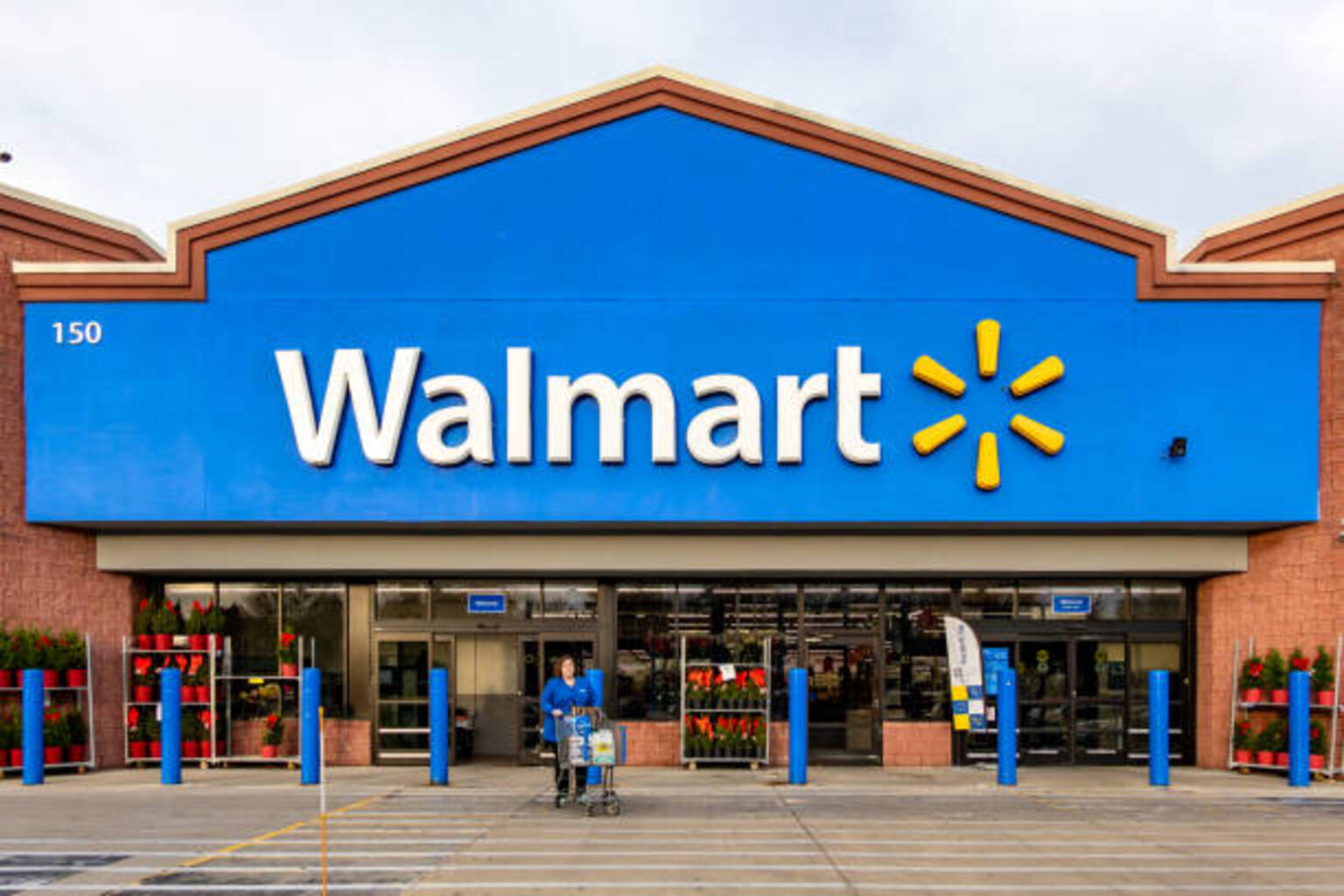
Walmart Asks Flipkart to Delay IPO Plans for Profitability Focus

- Profitability First Strategy: During CEO John Furner's recent visit to India, Walmart requested Flipkart to postpone its IPO plans and focus on achieving EBITDA breakeven by the end of FY 2027, reflecting the company's emphasis on profitability to enhance Flipkart's market competitiveness.
- Internal Target Setting: Flipkart has internally set a target to achieve EBITDA breakeven before the end of FY 2027, which means the company will not pursue an IPO or pre-IPO financing until this target is met, impacting its future capital-raising capabilities.
- Market Reaction: This marks Walmart's second IPO delay in India, following PhonePe, and despite the significant public market potential in India, the company is not in a rush to enter, indicating a focus on long-term profitability.
- Equity Structure Analysis: Walmart currently holds 71.8% of PhonePe and over 80% of Flipkart, providing it with greater flexibility in strategic decisions and ensuring security for future capital operations.
See More

Jim Cramer's Insights on Walmart and AI Stocks

- Walmart's Competitive Edge: Jim Cramer has repeatedly highlighted Walmart's competitiveness in the retail sector, particularly against Amazon, emphasizing its ability to maintain lower prices, which helps attract more consumers and increase market share.
- Price Target Increase: TD Cowen raised Walmart's price target from $145 to $150 on May 7, maintaining a Buy rating, indicating market confidence in Walmart's future performance, especially against a backdrop of stable grocery demand.
- First Quarter Earnings Outlook: Analysts expect Walmart's upcoming first-quarter earnings report to benefit from stable demand for groceries and other factors, which could further drive its stock price up and enhance investor confidence.
- Amazon's Competitive Advantage: While Cramer praises Walmart, he also points out Amazon's superiority in same-day delivery services, stressing the urgency for Walmart to enhance its service speed to maintain competitiveness.
See More

Amazon's New Supply Chain Initiative Gains Attention
- Strong Stock Performance: Amazon (NASDAQ:AMZN) shares have risen 28.7% over the past year and 16.6% year-to-date, reflecting market confidence in its growth prospects, particularly driven by its new supply chain initiative.
- Attractive Supply Chain Service: Jim Cramer noted that if top supply chain firms like Procter & Gamble are interested in Amazon's services, it indicates a high-quality offering, which could enhance Amazon's competitiveness in the retail sector.
- Rising Capital Expenditure Expectations: The Baron Durable Advantage Fund mentioned in its Q1 2026 investor letter that Amazon anticipates $200 billion in capital expenditures for fiscal year 2026, exceeding market expectations, which may pressure short-term profitability but suggests substantial long-term growth potential.
- Leadership in Cloud Services: Amazon maintains its leadership in the cloud infrastructure market, particularly in enabling generative AI workloads, with significant revenue growth expected over the next two years as AWS usage increases.
See More

SpaceX Approaches $2 Trillion IPO Valuation

- Valuation Surge: SpaceX's valuation reached $800 billion in 2025, soared to $1.25 trillion after merging with xAI in 2026, and recently hit $1.5 trillion on Forge Global, with IPO expectations between $1.75 trillion and $2 trillion, indicating strong growth potential in the aerospace market.
- Revenue Expectations: Analysts estimate SpaceX's revenue last year ranged from $15 billion to $18 billion, and while specific figures remain undisclosed, the IPO valuation implies a price-to-sales ratio exceeding 100, reflecting high market expectations for future growth.
- Technological Innovation: SpaceX significantly reduces launch costs through reusable rockets and has evolved Starlink into a global broadband network, while also positioning itself as an orbital AI infrastructure provider, with a total addressable market estimated at around $28 trillion, primarily in enterprise AI.
- Market Risks: Although SpaceX's IPO may price shares at a premium, its future valuation faces multiple risks, including the need for Starlink user growth, Starship launch frequency, and the commercialization of its AI business, where any execution delays or shifts in market sentiment could lead to significant valuation volatility.
See More

Asia Share Markets Decline Amid Rising Oil Prices

- Oil Price Surge Impacts Markets: Fresh drone attacks in the Gulf have pushed Brent crude prices up 1.2% to $110.63 per barrel, suppressing market sentiment and heightening investor concerns about inflation.
- Bond Yields Spike: The yield on U.S. 10-year notes rose to 4.584%, up 23 basis points for the week, as markets anticipate potential Federal Reserve rate hikes to combat inflation, further influencing stock market performance.
- Tech Stocks Under Pressure: With Nvidia set to report earnings, expectations for AI-related stocks are soaring, as Nvidia shares have risen 36% since March lows; however, analysts caution that profit growth is heavily reliant on one-time items, necessitating a focus on market breadth.
- Retail Earnings to Reveal Consumer Health: Major retailers like Walmart are set to release earnings this week, with the market closely watching consumer performance amid high energy prices to assess economic health and its potential impact on the stock market.
See More

Market Near Highs, Oil Prices and Yields Pose Challenges

- Market Dynamics: While the stock market approaches historical highs, rising oil prices and yields pose challenges that could impact investor confidence and consumer spending.
- Geopolitical Risks: Trump's new threats against Iran heighten market uncertainty, potentially leading to further oil price volatility that could disrupt the pace of global economic recovery.
- Earnings Expectations: The upcoming earnings reports from Nvidia and Walmart are drawing market attention, with investors hoping these industry giants will provide positive guidance to support market sentiment.
- Yield Impact: Rising yields may increase borrowing costs, potentially suppressing business investment and consumer spending, which could adversely affect overall economic growth.
See More
Walmart Asks Flipkart to Delay IPO Plans for Profitability Focus
- Profitability First Strategy: During CEO John Furner's recent visit to India, Walmart requested Flipkart to postpone its IPO plans and focus on achieving EBITDA breakeven by the end of FY 2027, reflecting the company's emphasis on profitability to enhance Flipkart's market competitiveness.
- Internal Target Setting: Flipkart has internally set a target to achieve EBITDA breakeven before the end of FY 2027, which means the company will not pursue an IPO or pre-IPO financing until this target is met, impacting its future capital-raising capabilities.
- Market Reaction: This marks Walmart's second IPO delay in India, following PhonePe, and despite the significant public market potential in India, the company is not in a rush to enter, indicating a focus on long-term profitability.
- Equity Structure Analysis: Walmart currently holds 71.8% of PhonePe and over 80% of Flipkart, providing it with greater flexibility in strategic decisions and ensuring security for future capital operations.
See More
Jim Cramer's Insights on Walmart and AI Stocks
- Walmart's Competitive Edge: Jim Cramer has repeatedly highlighted Walmart's competitiveness in the retail sector, particularly against Amazon, emphasizing its ability to maintain lower prices, which helps attract more consumers and increase market share.
- Price Target Increase: TD Cowen raised Walmart's price target from $145 to $150 on May 7, maintaining a Buy rating, indicating market confidence in Walmart's future performance, especially against a backdrop of stable grocery demand.
- First Quarter Earnings Outlook: Analysts expect Walmart's upcoming first-quarter earnings report to benefit from stable demand for groceries and other factors, which could further drive its stock price up and enhance investor confidence.
- Amazon's Competitive Advantage: While Cramer praises Walmart, he also points out Amazon's superiority in same-day delivery services, stressing the urgency for Walmart to enhance its service speed to maintain competitiveness.
See More
Amazon's New Supply Chain Initiative Gains Attention
- Strong Stock Performance: Amazon (NASDAQ:AMZN) shares have risen 28.7% over the past year and 16.6% year-to-date, reflecting market confidence in its growth prospects, particularly driven by its new supply chain initiative.
- Attractive Supply Chain Service: Jim Cramer noted that if top supply chain firms like Procter & Gamble are interested in Amazon's services, it indicates a high-quality offering, which could enhance Amazon's competitiveness in the retail sector.
- Rising Capital Expenditure Expectations: The Baron Durable Advantage Fund mentioned in its Q1 2026 investor letter that Amazon anticipates $200 billion in capital expenditures for fiscal year 2026, exceeding market expectations, which may pressure short-term profitability but suggests substantial long-term growth potential.
- Leadership in Cloud Services: Amazon maintains its leadership in the cloud infrastructure market, particularly in enabling generative AI workloads, with significant revenue growth expected over the next two years as AWS usage increases.
See More
SpaceX Approaches $2 Trillion IPO Valuation
- Valuation Surge: SpaceX's valuation reached $800 billion in 2025, soared to $1.25 trillion after merging with xAI in 2026, and recently hit $1.5 trillion on Forge Global, with IPO expectations between $1.75 trillion and $2 trillion, indicating strong growth potential in the aerospace market.
- Revenue Expectations: Analysts estimate SpaceX's revenue last year ranged from $15 billion to $18 billion, and while specific figures remain undisclosed, the IPO valuation implies a price-to-sales ratio exceeding 100, reflecting high market expectations for future growth.
- Technological Innovation: SpaceX significantly reduces launch costs through reusable rockets and has evolved Starlink into a global broadband network, while also positioning itself as an orbital AI infrastructure provider, with a total addressable market estimated at around $28 trillion, primarily in enterprise AI.
- Market Risks: Although SpaceX's IPO may price shares at a premium, its future valuation faces multiple risks, including the need for Starlink user growth, Starship launch frequency, and the commercialization of its AI business, where any execution delays or shifts in market sentiment could lead to significant valuation volatility.
See More
Asia Share Markets Decline Amid Rising Oil Prices
- Oil Price Surge Impacts Markets: Fresh drone attacks in the Gulf have pushed Brent crude prices up 1.2% to $110.63 per barrel, suppressing market sentiment and heightening investor concerns about inflation.
- Bond Yields Spike: The yield on U.S. 10-year notes rose to 4.584%, up 23 basis points for the week, as markets anticipate potential Federal Reserve rate hikes to combat inflation, further influencing stock market performance.
- Tech Stocks Under Pressure: With Nvidia set to report earnings, expectations for AI-related stocks are soaring, as Nvidia shares have risen 36% since March lows; however, analysts caution that profit growth is heavily reliant on one-time items, necessitating a focus on market breadth.
- Retail Earnings to Reveal Consumer Health: Major retailers like Walmart are set to release earnings this week, with the market closely watching consumer performance amid high energy prices to assess economic health and its potential impact on the stock market.
See More
Market Near Highs, Oil Prices and Yields Pose Challenges
- Market Dynamics: While the stock market approaches historical highs, rising oil prices and yields pose challenges that could impact investor confidence and consumer spending.
- Geopolitical Risks: Trump's new threats against Iran heighten market uncertainty, potentially leading to further oil price volatility that could disrupt the pace of global economic recovery.
- Earnings Expectations: The upcoming earnings reports from Nvidia and Walmart are drawing market attention, with investors hoping these industry giants will provide positive guidance to support market sentiment.
- Yield Impact: Rising yields may increase borrowing costs, potentially suppressing business investment and consumer spending, which could adversely affect overall economic growth.
See More