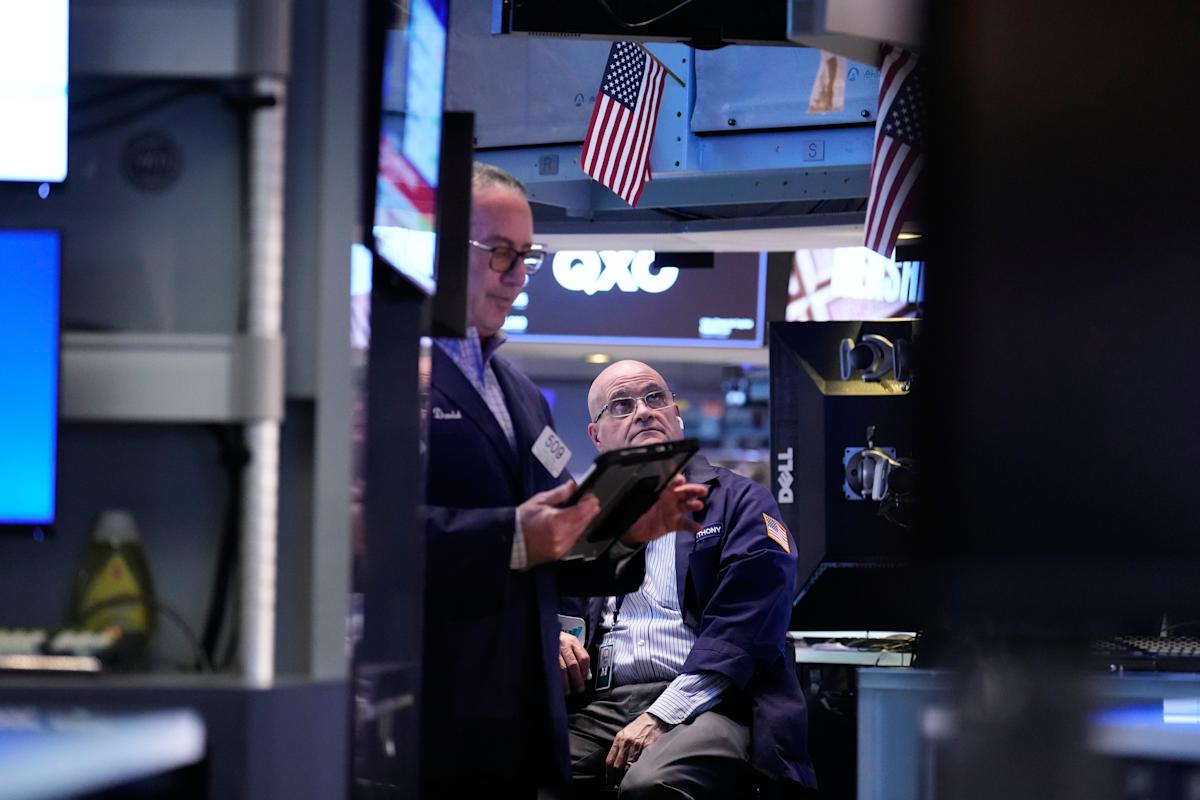
Positive Outlook for Wells Fargo (WFC) May Shift After Lifting of Asset Cap and Legal Settlement Developments
Wells Fargo Settlement: In December 2025, Wells Fargo agreed to a $33 million global settlement to resolve lawsuits over misleading subscription schemes, while denying any wrongdoing and continuing to address legacy legal issues.
Impact of Asset Cap Removal: The Federal Reserve's removal of Wells Fargo's $1.95 trillion asset cap may influence the bank's growth strategy, as it seeks to translate this change into profitable growth while managing reputational and regulatory risks.
Revenue and Earnings Projections: Wells Fargo projects $90.6 billion in revenue and $22.1 billion in earnings by 2028, requiring consistent revenue growth and an increase in earnings, with varying fair value estimates reflecting differing investor perspectives.
Investment Analysis: The article emphasizes the importance of independent analysis and understanding the risks associated with Wells Fargo, providing a comprehensive report that highlights key rewards and warning signs for potential investors.
Trade with 70% Backtested Accuracy
Analyst Views on WFC

About WFC
About the author


Wells Fargo to Release Q1 Earnings on April 14 with Expected Growth

- Earnings Release Announcement: Wells Fargo is set to release its Q1 earnings on April 14, with analysts predicting an increase in earnings and revenue, reflecting the company's positive performance amid economic recovery, which could have a favorable impact on its stock price.
- Profit Growth Expectations: Analysts anticipate that Wells Fargo's earnings will grow compared to the same period last year, indicating strong performance in its lending and investment businesses, thereby reinforcing its market position in the banking sector.
- New Head of Business Banking: The company has announced the appointment of a new head of Business Banking, aiming to enhance operational efficiency and customer service quality through leadership changes, which could increase customer loyalty and market competitiveness.
- Strategic Adjustment Signal: The new leader is expected to drive strategic adjustments within the Business Banking division, likely leading to more innovative products and services to meet evolving market demands and improve overall performance.
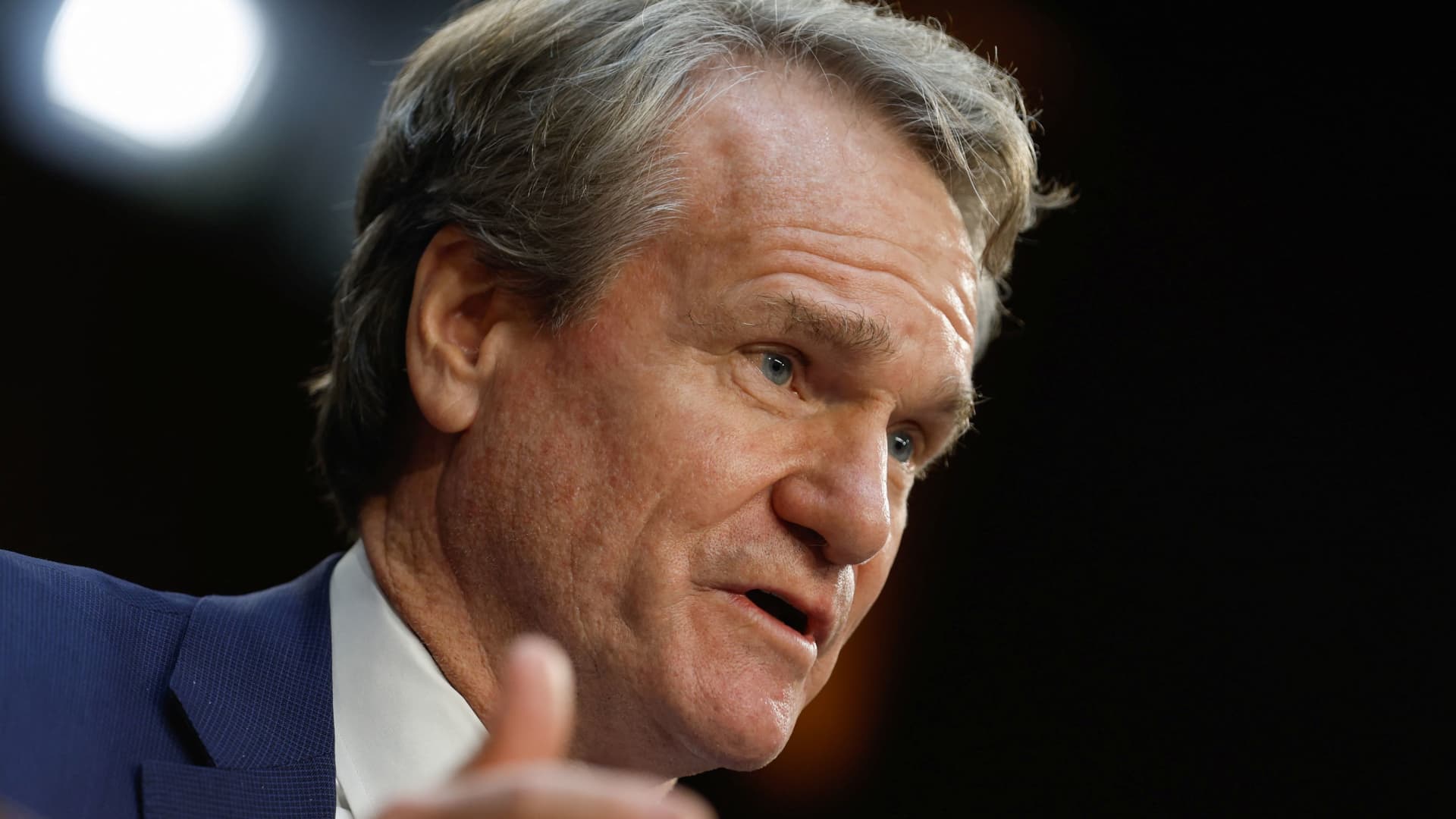
Bessent and Powell Conferred with Bank CEOs to Highlight Risks Associated with Anthropic's New AI Model - Source


- Warning from Bank CEOs: Bank CEOs are cautioning about the risks associated with Anthropic's latest AI model.
- Focus on AI Risks: The emphasis is on understanding and mitigating potential dangers posed by advanced AI technologies.
U.S. Stocks Rally as Market Sentiment Improves


- Strong Market Performance: The S&P 500 has risen 3.7% since Monday, marking a seven-day winning streak, the longest since October, indicating a significant improvement in market sentiment and a rebound in investor confidence.
- Inflation Data Expectations: Economists anticipate that the consumer price index, set to be released on Friday, will show a 3.3% year-over-year increase, with a 2.7% rise excluding food and energy, which could significantly impact market sentiment and investment decisions amid rising oil prices.
- Tech Sector Volatility: The iShares Expanded Tech-Software Sector ETF (IGV) fell about 4%, hitting a 52-week low, primarily due to the rollout of Anthropic's latest platform, highlighting the fragility of tech stocks and potentially affecting investor confidence in the sector.
- Amazon's AI Investment: Amazon's stock surged 5.6%, its largest gain since October, as CEO Andy Jassy announced plans to invest approximately $200 billion in AI infrastructure, underscoring the company's commitment to future technological advancements and its competitive position in the market.

Market Dynamics and Investment Opportunities Analysis


- Oil Price Surge Impact: U.S. benchmark WTI crude prices have risen by 5% to over $99 a barrel, raising expectations for the resumption of oil tanker traffic in the Strait of Hormuz, which could significantly impact global supply chains and related stock performances.
- Stock Market Recovery: The S&P 500 has rebounded 6.9% from its war-driven low on March 30, now just 2.8% below its record close on January 27, indicating growing market confidence in economic recovery, particularly as labor market and inflation data stabilize.
- Meta and CoreWeave Partnership: Meta Platforms has announced a $21 billion long-term agreement with CoreWeave to enhance AI computing capacity, highlighting the ongoing demand for growth in the AI sector as Meta seeks computing resources to support its Reels and new AI models.
- Capital One Rating Upgrade: JPMorgan has upgraded Capital One from hold to buy, viewing the credit card issuer as a strong pick in consumer finance despite market volatility, with expectations that synergies from the Discover acquisition will drive future performance improvements.

WFC Stock Price Fluctuation Analysis
- Price Range Analysis: WFC's 52-week low is $59.43 per share, with a high of $97.76, and the last trade at $84.70 indicates significant price fluctuations within this range, reflecting market caution regarding its future performance.
- Technical Indicator Observation: According to data from TechnicalAnalysisChannel.com, WFC's stock price is above its 200-day moving average, suggesting a potential upward trend in the short term, prompting investors to monitor this technical signal for optimal buying opportunities.
- Market Sentiment Assessment: Despite the current stock price being below the 52-week high, the market's view on WFC remains complex, necessitating a comprehensive evaluation by investors that combines technical analysis with fundamental data to formulate sound investment strategies.
- Investor Focus: The fluctuations in WFC's stock price may impact its dividend policy, requiring investors to closely monitor the company's future financial performance and market dynamics to assess the sustainability and attractiveness of its dividends.
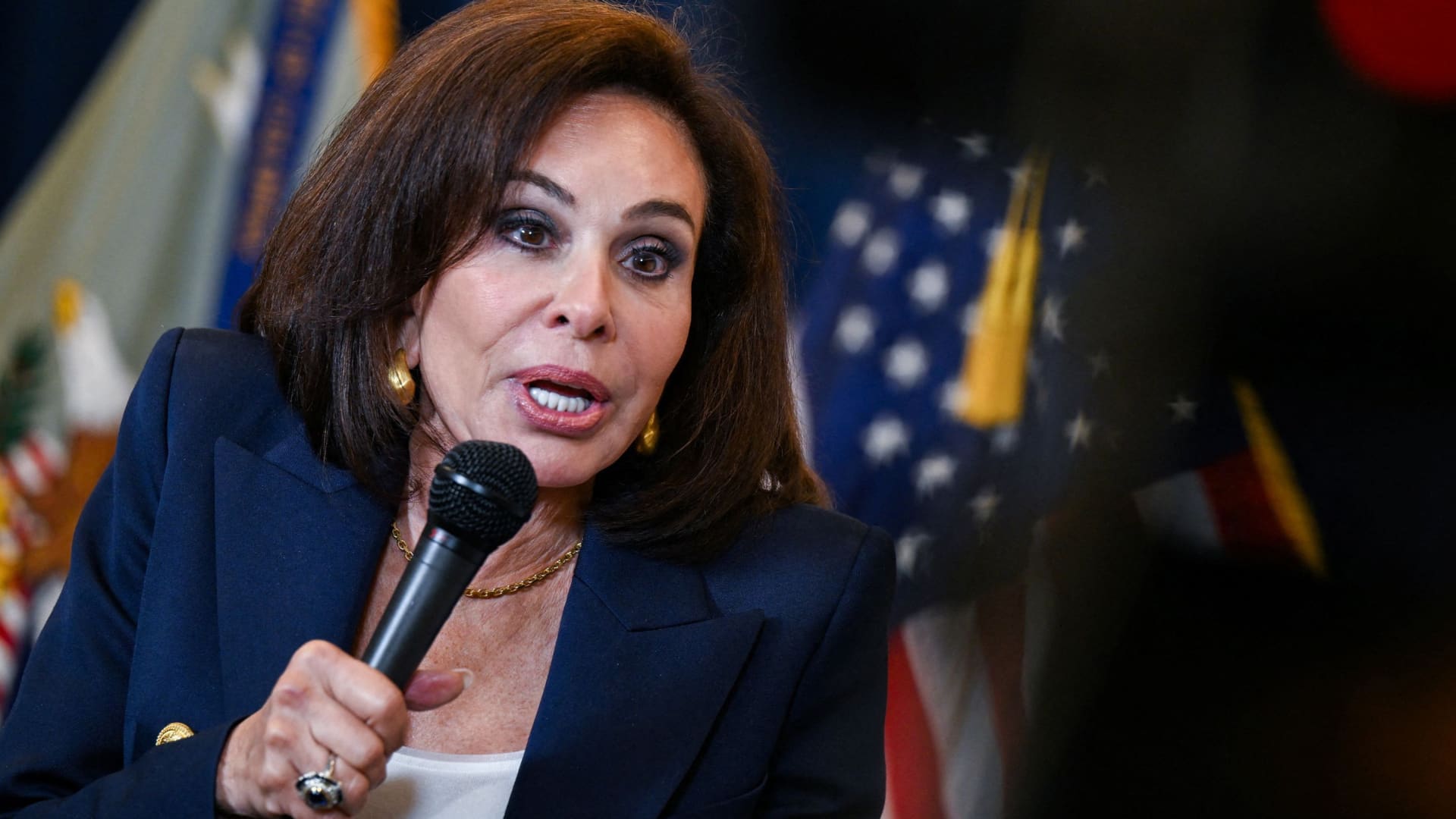
Federal Reserve Investigation May Impact Powell's Tenure


- Investigation Stalled: Federal prosecutors in Washington are contemplating an appeal regarding Powell's investigation, but former federal prosecutors warn that complex legal procedures may further delay the investigation, impacting Powell's tenure and the stability of Federal Reserve policies.
- Uncertainty in Powell's Term: Powell's term is set to expire on May 15, and while he expects to remain as interim chair, the ongoing investigation could hinder the Trump administration's nomination of Kevin Warsh, thereby affecting interest rate decisions.
- Legal Challenges Intensify: Prosecutors admitted in court that they have yet to find evidence of wrongdoing by Powell, and the judge has quashed subpoenas against him, leaving the investigation in limbo and presenting greater legal challenges for the prosecutors in any future appeals.
- Complex Political Context: The political motivations behind the investigation may influence future legal proceedings, as judges might question the prosecutors' intentions in pursuing the Fed, further eroding public trust in judicial impartiality and impacting the likelihood of success in cases.
Wells Fargo to Release Q1 Earnings on April 14 with Expected Growth
- Earnings Release Announcement: Wells Fargo is set to release its Q1 earnings on April 14, with analysts predicting an increase in earnings and revenue, reflecting the company's positive performance amid economic recovery, which could have a favorable impact on its stock price.
- Profit Growth Expectations: Analysts anticipate that Wells Fargo's earnings will grow compared to the same period last year, indicating strong performance in its lending and investment businesses, thereby reinforcing its market position in the banking sector.
- New Head of Business Banking: The company has announced the appointment of a new head of Business Banking, aiming to enhance operational efficiency and customer service quality through leadership changes, which could increase customer loyalty and market competitiveness.
- Strategic Adjustment Signal: The new leader is expected to drive strategic adjustments within the Business Banking division, likely leading to more innovative products and services to meet evolving market demands and improve overall performance.
Bessent and Powell Conferred with Bank CEOs to Highlight Risks Associated with Anthropic's New AI Model - Source
- Warning from Bank CEOs: Bank CEOs are cautioning about the risks associated with Anthropic's latest AI model.
- Focus on AI Risks: The emphasis is on understanding and mitigating potential dangers posed by advanced AI technologies.
U.S. Stocks Rally as Market Sentiment Improves
- Strong Market Performance: The S&P 500 has risen 3.7% since Monday, marking a seven-day winning streak, the longest since October, indicating a significant improvement in market sentiment and a rebound in investor confidence.
- Inflation Data Expectations: Economists anticipate that the consumer price index, set to be released on Friday, will show a 3.3% year-over-year increase, with a 2.7% rise excluding food and energy, which could significantly impact market sentiment and investment decisions amid rising oil prices.
- Tech Sector Volatility: The iShares Expanded Tech-Software Sector ETF (IGV) fell about 4%, hitting a 52-week low, primarily due to the rollout of Anthropic's latest platform, highlighting the fragility of tech stocks and potentially affecting investor confidence in the sector.
- Amazon's AI Investment: Amazon's stock surged 5.6%, its largest gain since October, as CEO Andy Jassy announced plans to invest approximately $200 billion in AI infrastructure, underscoring the company's commitment to future technological advancements and its competitive position in the market.
Market Dynamics and Investment Opportunities Analysis
- Oil Price Surge Impact: U.S. benchmark WTI crude prices have risen by 5% to over $99 a barrel, raising expectations for the resumption of oil tanker traffic in the Strait of Hormuz, which could significantly impact global supply chains and related stock performances.
- Stock Market Recovery: The S&P 500 has rebounded 6.9% from its war-driven low on March 30, now just 2.8% below its record close on January 27, indicating growing market confidence in economic recovery, particularly as labor market and inflation data stabilize.
- Meta and CoreWeave Partnership: Meta Platforms has announced a $21 billion long-term agreement with CoreWeave to enhance AI computing capacity, highlighting the ongoing demand for growth in the AI sector as Meta seeks computing resources to support its Reels and new AI models.
- Capital One Rating Upgrade: JPMorgan has upgraded Capital One from hold to buy, viewing the credit card issuer as a strong pick in consumer finance despite market volatility, with expectations that synergies from the Discover acquisition will drive future performance improvements.
WFC Stock Price Fluctuation Analysis
- Price Range Analysis: WFC's 52-week low is $59.43 per share, with a high of $97.76, and the last trade at $84.70 indicates significant price fluctuations within this range, reflecting market caution regarding its future performance.
- Technical Indicator Observation: According to data from TechnicalAnalysisChannel.com, WFC's stock price is above its 200-day moving average, suggesting a potential upward trend in the short term, prompting investors to monitor this technical signal for optimal buying opportunities.
- Market Sentiment Assessment: Despite the current stock price being below the 52-week high, the market's view on WFC remains complex, necessitating a comprehensive evaluation by investors that combines technical analysis with fundamental data to formulate sound investment strategies.
- Investor Focus: The fluctuations in WFC's stock price may impact its dividend policy, requiring investors to closely monitor the company's future financial performance and market dynamics to assess the sustainability and attractiveness of its dividends.
Federal Reserve Investigation May Impact Powell's Tenure
- Investigation Stalled: Federal prosecutors in Washington are contemplating an appeal regarding Powell's investigation, but former federal prosecutors warn that complex legal procedures may further delay the investigation, impacting Powell's tenure and the stability of Federal Reserve policies.
- Uncertainty in Powell's Term: Powell's term is set to expire on May 15, and while he expects to remain as interim chair, the ongoing investigation could hinder the Trump administration's nomination of Kevin Warsh, thereby affecting interest rate decisions.
- Legal Challenges Intensify: Prosecutors admitted in court that they have yet to find evidence of wrongdoing by Powell, and the judge has quashed subpoenas against him, leaving the investigation in limbo and presenting greater legal challenges for the prosecutors in any future appeals.
- Complex Political Context: The political motivations behind the investigation may influence future legal proceedings, as judges might question the prosecutors' intentions in pursuing the Fed, further eroding public trust in judicial impartiality and impacting the likelihood of success in cases.