Textron Reports Strong Q1 2026 Earnings with Revenue Growth
Written by Emily J. Thompson, Senior Investment Analyst
Updated: 6 days ago
0mins
Should l Buy TXT?
Source: Newsfilter
- Significant Revenue Growth: Textron reported Q1 revenues of $3.7 billion, a 12% increase or $389 million year-over-year, demonstrating strong performance in the aerospace and defense sectors, which further solidifies its market position.
- Earnings Per Share Increase: The company achieved an EPS of $1.25 for Q1, up 10.6% from $1.13 in the prior year, while adjusted EPS rose to $1.45 from $1.28, reflecting enhanced profitability and operational efficiency.
- Strong Order Activity: Robust commercial order activity at Textron Aviation and Bell, particularly with increased deliveries of Citation jets and commercial turboprops, is expected to drive future revenue growth and strengthen the company's competitive edge.
- Strategic Separation Plan: Textron announced its intent to separate its Industrial segment from its core aerospace and defense businesses to enhance strategic and operational focus, which is anticipated to create long-term value for stakeholders, potentially through a sale or tax-free spin-off.
Trade with 70% Backtested Accuracy
Stop guessing "Should I Buy TXT?" and start using high-conviction signals backed by rigorous historical data.
Sign up today to access powerful investing tools and make smarter, data-driven decisions.
Analyst Views on TXT
Wall Street analysts forecast TXT stock price to fall
7 Analyst Rating
0 Buy
7 Hold
0 Sell
Hold
Current: 91.630

Low
86.00
Averages
89.71
High
94.00
Current: 91.630
Low
86.00
Averages
89.71
High
94.00
About TXT
Textron Inc. is a multi-industry company that leverages its global network of aircraft, defense, industrial and finance businesses to provide customers with various solutions and services. The Company's segments include Textron Aviation, Bell, Textron Systems, Industrial, Textron eAviation, and Finance. Textron Aviation segment manufactures, sells and services Cessna and Beechcraft aircraft, and services the Hawker brand of business jets. Bell segment supplies military and commercial helicopters, tiltrotor aircraft, and related spare parts and services in the world. Textron Systems segment offers electronic systems and solutions, advanced marine craft, piston aircraft engines, and others. Industrial segment designs and manufactures a variety of products within the Kautex and Specialized Vehicles product lines. Textron eAviation segment includes Pipistrel, a manufacturer of light aircraft, along with other research and development initiatives related to sustainable aviation solutions.
About the author

Emily J. Thompson
Emily J. Thompson, a Chartered Financial Analyst (CFA) with 12 years in investment research, graduated with honors from the Wharton School. Specializing in industrial and technology stocks, she provides in-depth analysis for Intellectia’s earnings and market brief reports.

Textron Aviation Opens New Service Facility in Melbourne
- Network Expansion: Textron Aviation's new service facility at Essendon Fields Airport in Melbourne, covering over 35,000 square feet, aims to provide more direct factory support for Cessna, Beechcraft, and Hawker customers in the Asia-Pacific region, thereby enhancing customer service capabilities and response times.
- Customer Feedback Driven: The design of the new facility is based on customer feedback, featuring expanded aircraft servicing space, an on-site parts stockroom to improve parts availability, and a more comfortable customer lounge, all aimed at reducing customer wait times and enhancing overall service experience.
- Strategic Investment: This investment not only strengthens aviation service capabilities in the Melbourne area but also complements Textron Aviation's facility expansions in Perth, demonstrating the company's long-term commitment to the Asia-Pacific market and addressing the growing demand for business aviation.
- Future Event Arrangement: Textron Aviation plans to host a formal grand opening event in August, inviting media, customers, and community leaders to celebrate the new facility's opening, further enhancing its connection with the local community and showcasing its service capabilities.
See More
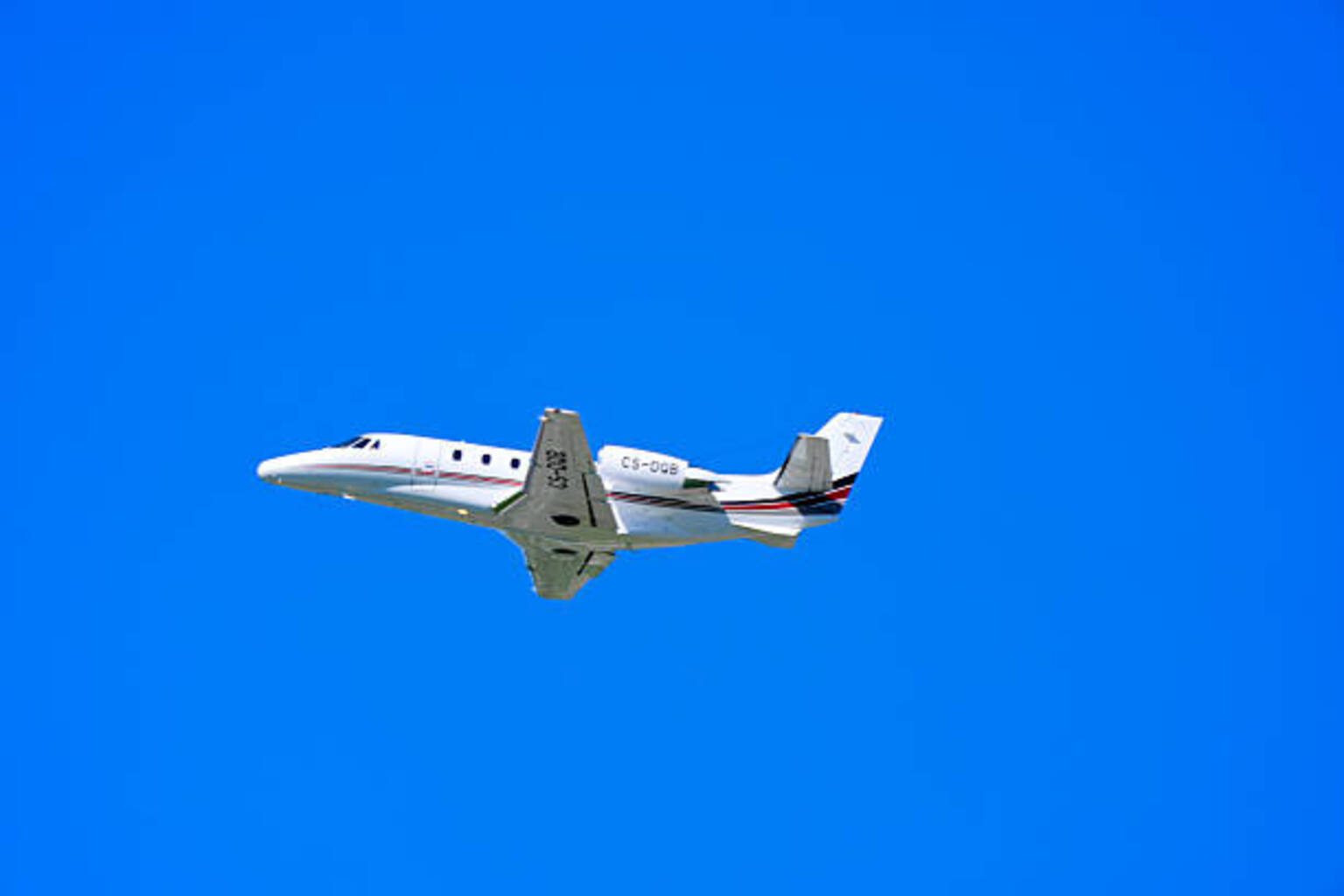
Textron Delivers First Cessna Citation Ascend Jets to NetJets
- Initial Delivery: Textron Aviation delivered the first three Cessna Citation Ascend business jets to NetJets, marking the new midsize aircraft's entry into commercial service, with additional deliveries expected in the coming months to meet market demand.
- Technological Advancements: The new Citation Ascend features advanced avionics based on Garmin G5000 systems and autothrottle capability, powered by Pratt & Whitney Canada PW545D engines, offering a range of approximately 1,940 nautical miles, enhancing flight efficiency and passenger comfort.
- Market Demand: NetJets indicated that the new aircraft reflects ongoing customer demand for midsize jets, with existing models like the Citation Latitude and Longitude already in its fleet, further solidifying its market position.
- Cabin Design: The Citation Ascend's cabin accommodates up to eight passengers, featuring a flat floor layout and expanded baggage capacity, aimed at providing higher passenger comfort and convenience, thereby enhancing the customer experience.
See More

TEXTRON INC: TD COWEN UPGRADES TO BUY FROM HOLD; INCREASES TARGET PRICE TO $115 FROM $110
Analyst Recommendation: TD Cowen has raised its rating on the stock to "buy" from "hold."
Target Price Increase: The firm has also increased its target price for the stock from $110 to $115.
See More

Textron Q1 Earnings Beat Expectations, Plans to Divest Industrial Segment
- Earnings Beat: Textron reported Q1 earnings of $1.45 per share, surpassing analyst expectations of $1.32, with sales reaching $3.7 billion, reflecting a 12% year-over-year growth and strong performance in aerospace and defense sectors.
- Divestiture of Industrial Segment: To focus on its core business, Textron plans to sell or spin off its $3 billion Industrial unit, aiming to transform into a pure-play aerospace and defense company, thereby enhancing overall profitability.
- Strong Backlog: The new Textron will boast a $19 billion backlog of contracts and $12 billion in annual revenue, indicating significant growth potential and competitive strength in the market moving forward.
- Significant Division Growth: In Q1, Textron's Bell Helicopter, Aviation, and Systems divisions achieved sales growth of 9%, 22%, and 13% respectively, suggesting that divesting the Industrial segment will further boost the company's overall performance.
See More

Textron Q1 Earnings: Industrial Segment Spin-Off Announced
- Strong Financial Performance: Textron reported $3.7 billion in revenue for Q1 2026, marking a 12% increase year-over-year, with segment profit rising 10% to $320 million, indicating robust growth potential in the aerospace and defense sectors.
- Strategic Spin-Off Plan: The company announced its intent to separate its Industrial segment within 12 to 18 months, potentially through a sale or tax-free spin-off, aimed at optimizing capital allocation and enhancing operational efficiency.
- Shareholder Return Initiatives: In Q1, Textron repurchased approximately 1.8 million shares, returning $168 million in cash to shareholders, reflecting the company's commitment to shareholder value and its strong cash flow position.
- Future Outlook: Management expects sequential improvement in aviation operations over the coming quarters, with increasing delivery volumes, despite supply chain challenges, while overall market demand remains strong, particularly in the defense sector.
See More
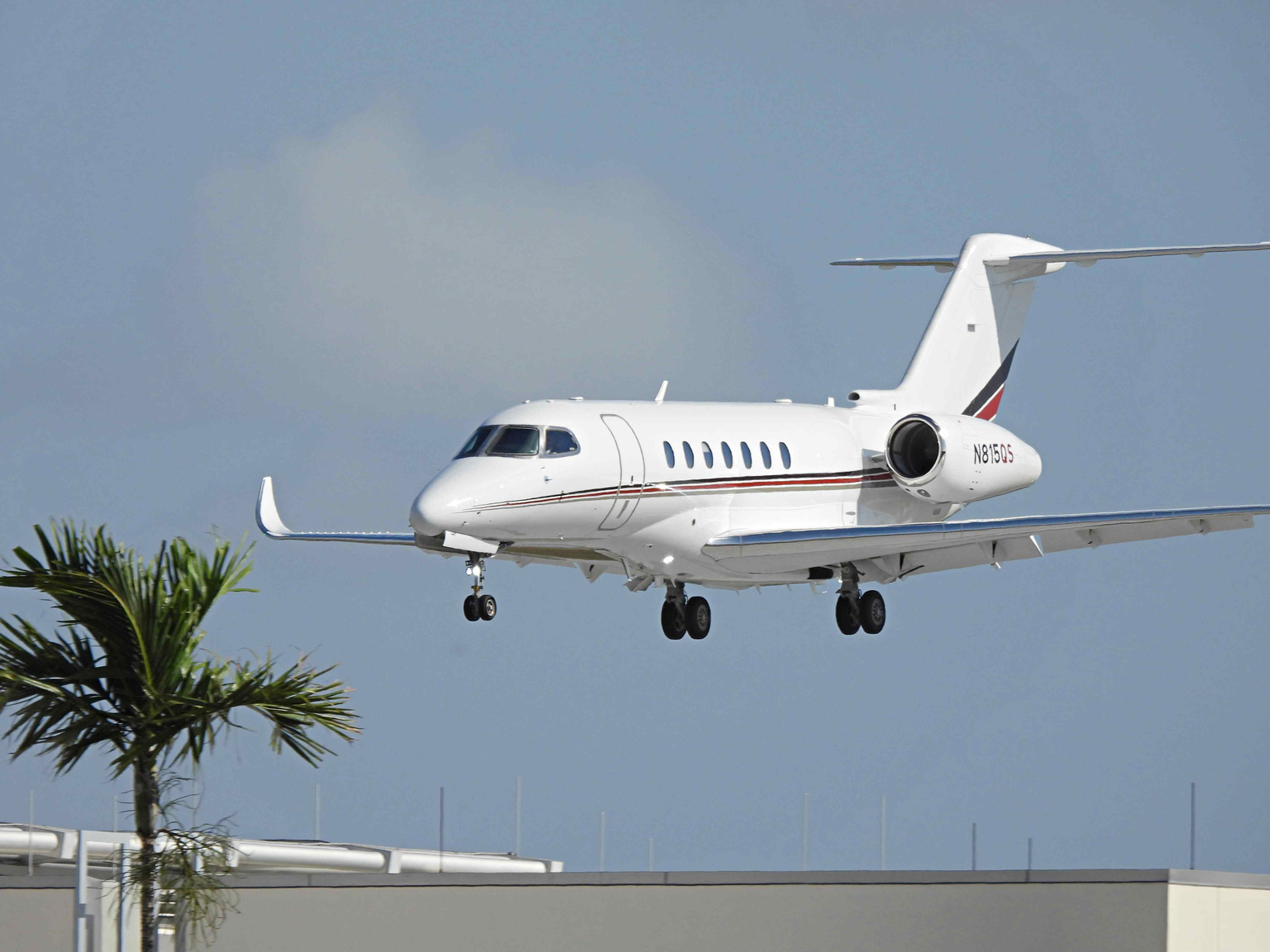
Textron Reports Strong Q1 Earnings, Plans Industrial Segment Spin-Off
- Earnings Growth: Textron reported Q1 profit of $220 million, or $1.25 per share, up from $207 million and $1.13 per share a year earlier, indicating strong performance in its aerospace and defense sectors.
- Revenue Increase: The company’s Q1 revenue rose 11.8% year-over-year to $3.69 billion, with Textron Aviation seeing a 22% revenue gain to $1.5 billion, driven by increased aircraft deliveries and enhanced aftermarket services.
- Spin-Off Plans: Textron announced it will explore options for its industrial segment, including a potential sale or tax-free spin-off into a standalone public company, with core business expected to generate over $12 billion in revenue this year and industrial business projected at $3 billion.
- Strategic Focus: The company aims to complete the separation within 12 to 18 months, intending to enhance focus on its core aerospace and defense businesses, thereby improving overall market competitiveness and shareholder value.
See More
Textron Aviation Opens New Service Facility in Melbourne
- Network Expansion: Textron Aviation's new service facility at Essendon Fields Airport in Melbourne, covering over 35,000 square feet, aims to provide more direct factory support for Cessna, Beechcraft, and Hawker customers in the Asia-Pacific region, thereby enhancing customer service capabilities and response times.
- Customer Feedback Driven: The design of the new facility is based on customer feedback, featuring expanded aircraft servicing space, an on-site parts stockroom to improve parts availability, and a more comfortable customer lounge, all aimed at reducing customer wait times and enhancing overall service experience.
- Strategic Investment: This investment not only strengthens aviation service capabilities in the Melbourne area but also complements Textron Aviation's facility expansions in Perth, demonstrating the company's long-term commitment to the Asia-Pacific market and addressing the growing demand for business aviation.
- Future Event Arrangement: Textron Aviation plans to host a formal grand opening event in August, inviting media, customers, and community leaders to celebrate the new facility's opening, further enhancing its connection with the local community and showcasing its service capabilities.
See More
Textron Delivers First Cessna Citation Ascend Jets to NetJets
- Initial Delivery: Textron Aviation delivered the first three Cessna Citation Ascend business jets to NetJets, marking the new midsize aircraft's entry into commercial service, with additional deliveries expected in the coming months to meet market demand.
- Technological Advancements: The new Citation Ascend features advanced avionics based on Garmin G5000 systems and autothrottle capability, powered by Pratt & Whitney Canada PW545D engines, offering a range of approximately 1,940 nautical miles, enhancing flight efficiency and passenger comfort.
- Market Demand: NetJets indicated that the new aircraft reflects ongoing customer demand for midsize jets, with existing models like the Citation Latitude and Longitude already in its fleet, further solidifying its market position.
- Cabin Design: The Citation Ascend's cabin accommodates up to eight passengers, featuring a flat floor layout and expanded baggage capacity, aimed at providing higher passenger comfort and convenience, thereby enhancing the customer experience.
See More
TEXTRON INC: TD COWEN UPGRADES TO BUY FROM HOLD; INCREASES TARGET PRICE TO $115 FROM $110
Analyst Recommendation: TD Cowen has raised its rating on the stock to "buy" from "hold."
Target Price Increase: The firm has also increased its target price for the stock from $110 to $115.
See More
Textron Q1 Earnings Beat Expectations, Plans to Divest Industrial Segment
- Earnings Beat: Textron reported Q1 earnings of $1.45 per share, surpassing analyst expectations of $1.32, with sales reaching $3.7 billion, reflecting a 12% year-over-year growth and strong performance in aerospace and defense sectors.
- Divestiture of Industrial Segment: To focus on its core business, Textron plans to sell or spin off its $3 billion Industrial unit, aiming to transform into a pure-play aerospace and defense company, thereby enhancing overall profitability.
- Strong Backlog: The new Textron will boast a $19 billion backlog of contracts and $12 billion in annual revenue, indicating significant growth potential and competitive strength in the market moving forward.
- Significant Division Growth: In Q1, Textron's Bell Helicopter, Aviation, and Systems divisions achieved sales growth of 9%, 22%, and 13% respectively, suggesting that divesting the Industrial segment will further boost the company's overall performance.
See More
Textron Q1 Earnings: Industrial Segment Spin-Off Announced
- Strong Financial Performance: Textron reported $3.7 billion in revenue for Q1 2026, marking a 12% increase year-over-year, with segment profit rising 10% to $320 million, indicating robust growth potential in the aerospace and defense sectors.
- Strategic Spin-Off Plan: The company announced its intent to separate its Industrial segment within 12 to 18 months, potentially through a sale or tax-free spin-off, aimed at optimizing capital allocation and enhancing operational efficiency.
- Shareholder Return Initiatives: In Q1, Textron repurchased approximately 1.8 million shares, returning $168 million in cash to shareholders, reflecting the company's commitment to shareholder value and its strong cash flow position.
- Future Outlook: Management expects sequential improvement in aviation operations over the coming quarters, with increasing delivery volumes, despite supply chain challenges, while overall market demand remains strong, particularly in the defense sector.
See More
Textron Reports Strong Q1 Earnings, Plans Industrial Segment Spin-Off
- Earnings Growth: Textron reported Q1 profit of $220 million, or $1.25 per share, up from $207 million and $1.13 per share a year earlier, indicating strong performance in its aerospace and defense sectors.
- Revenue Increase: The company’s Q1 revenue rose 11.8% year-over-year to $3.69 billion, with Textron Aviation seeing a 22% revenue gain to $1.5 billion, driven by increased aircraft deliveries and enhanced aftermarket services.
- Spin-Off Plans: Textron announced it will explore options for its industrial segment, including a potential sale or tax-free spin-off into a standalone public company, with core business expected to generate over $12 billion in revenue this year and industrial business projected at $3 billion.
- Strategic Focus: The company aims to complete the separation within 12 to 18 months, intending to enhance focus on its core aerospace and defense businesses, thereby improving overall market competitiveness and shareholder value.
See More