Tesla's Strong Finances Amidst Intensifying EV Market Competition
Written by Emily J. Thompson, Senior Investment Analyst
Updated: Mar 06 2026
0mins


Should l Buy TSLA?
Source: NASDAQ.COM
- Tesla Revenue Growth: In fiscal 2025, Tesla generated $94.8 billion in revenue, maintaining a non-GAAP profit of approximately $5.8 billion despite pricing pressures and a softer market, showcasing its robust financial strength and market leadership.
- Autonomous Driving Strategy Expansion: Tesla plans to expand its robotaxi operations into seven additional U.S. cities in the first half of 2026, which, if executed successfully, will significantly broaden its addressable market and drive long-term revenue growth.
- Energy Storage Business Growth: Tesla deployed 46.7 gigawatt-hours of energy storage in fiscal 2025, a 48% year-over-year increase, with energy revenues rising nearly 27% to $12.8 billion, indicating strong growth potential in the renewable energy sector.
- AI and Robotics Initiatives: Tesla is developing its own AI chips and the Optimus humanoid robot to enhance production efficiency and create new revenue streams, reflecting its forward-looking approach in technology innovation and long-term strategic planning.
Trade with 70% Backtested Accuracy
Stop guessing "Should I Buy TSLA?" and start using high-conviction signals backed by rigorous historical data.
Sign up today to access powerful investing tools and make smarter, data-driven decisions.
Analyst Views on TSLA
Wall Street analysts forecast TSLA stock price to rise
30 Analyst Rating
12 Buy
11 Hold
7 Sell
Hold
Current: 388.900

Low
25.28
Averages
401.93
High
600.00
Current: 388.900
Low
25.28
Averages
401.93
High
600.00
About TSLA
Tesla, Inc. designs, develops, manufactures, sells and leases high-performance fully electric vehicles and energy generation and storage systems, and offers services related to its products. Its segments include automotive, and energy generation and storage. The automotive segment includes the design, development, manufacturing, sales and leasing of high-performance fully electric vehicles, and sales of automotive regulatory credits. It also includes sales of used vehicles, non-warranty maintenance services and collisions, part sales, paid supercharging, insurance services revenue and retail merchandise sales. The energy generation and storage segment include the design, manufacture, installation, sales and leasing of solar energy generation and energy storage products and related services and sales of solar energy systems incentives. Its consumer vehicles include the Model 3, Y, S, X and Cybertruck. Its lithium-ion battery energy storage products include Powerwall and Megapack.
About the author

Emily J. Thompson
Emily J. Thompson, a Chartered Financial Analyst (CFA) with 12 years in investment research, graduated with honors from the Wharton School. Specializing in industrial and technology stocks, she provides in-depth analysis for Intellectia’s earnings and market brief reports.

Tesla Reportedly Developing All-New Electric SUV Amid Robotaxi Focus

- New Electric SUV Development: Tesla is reportedly developing an all-new, smaller, and more affordable electric SUV, which is expected to be priced significantly lower than the entry-level Model 3 at $34,000, thereby attracting a broader consumer base and enhancing market competitiveness.
- Shift in Production Location: Sources indicate that the SUV may be produced in China, a strategy that would allow Tesla to leverage advancements in electric vehicle technology in the region, further strengthening its competitive edge in the global market.
- Market Adaptability: The new model is designed to be adaptable for both human driving and autonomous driving, suggesting that Tesla may adopt a flexible strategy in the future autonomous vehicle market to meet evolving consumer demands.
- Increased Competitive Pressure: While Tesla has ambitious plans for autonomous driving and robotics, the aging of its traditional vehicle lineup and intense competition from Chinese EV manufacturers may compel Tesla to refocus on its automotive business to maintain its market leadership.
See More

Tesla Plans to Launch All-New Electric SUV

- New Model Development: Tesla is developing an all-new, smaller, and more affordable electric SUV, which is expected to differ from the existing Model Y and could play a significant role in future autonomous driving strategies.
- Production Location Speculation: Sources indicate that the SUV may be produced in China, leveraging the country's advanced electric vehicle technology, which would provide Tesla with a significant competitive advantage in the market.
- Pricing Strategy: Tesla plans to price the new SUV below its entry-level Model 3, which starts at $34,000 in China, potentially attracting more consumers and expanding its market share.
- Market Competition Pressure: While Tesla focuses on the future of autonomous driving and robotics, it faces increasing pressure from traditional models, particularly from Chinese EV manufacturers, which may accelerate the launch of the new model.
See More

Tesla Plans to Launch All-New Smaller Electric SUV
- New Model Development: Tesla is in discussions with suppliers about an all-new smaller electric SUV, which is expected to bridge the gap between its aging lineup and future driverless technology, with potential production in China to leverage the rapid growth of the local EV market.
- Market Positioning: The new SUV is targeted to be priced significantly lower than Tesla's entry-level Model 3, which starts at $34,000 in China, aiming to attract more consumers and enhance market competitiveness.
- Production Location Impact: If the new model is produced in China, Tesla could better align with advancements in Chinese electric vehicle technology, potentially providing a significant competitive edge in a market where rivals like Rivian and Lucid have yet to enter.
- Strategic Return: The development of this new model may signify Tesla's return to its automotive roots, focusing on traditional vehicle production alongside its ambitions in driverless technology and humanoid robots, helping it navigate increasing market competition.
See More
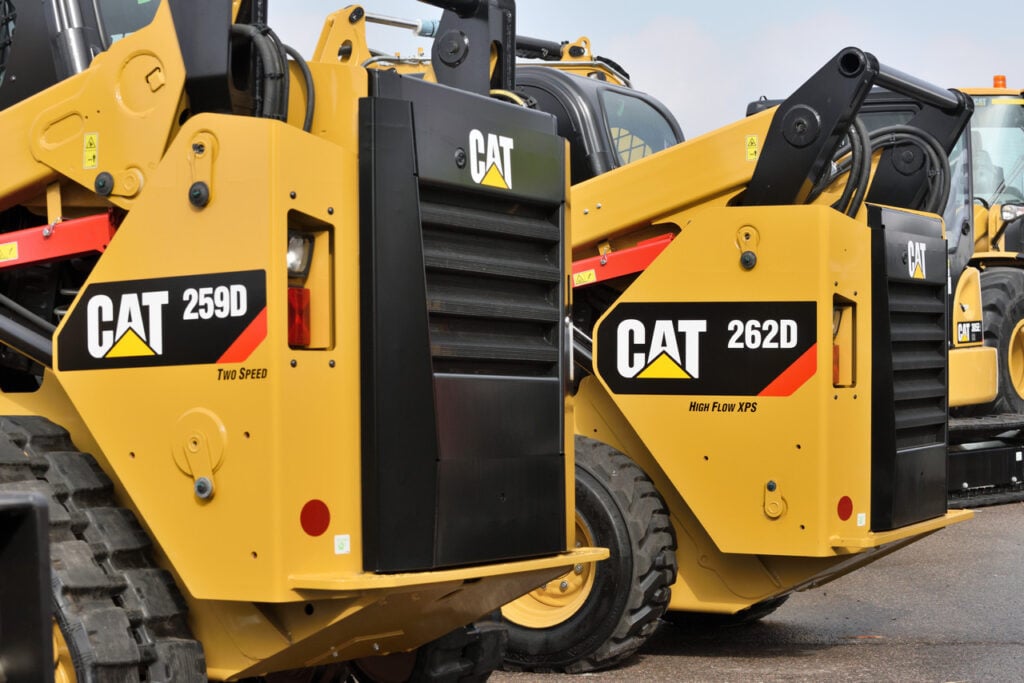
Caterpillar Acquires Self-Driving Tractor Startup Monarch

- Acquisition of Autonomous Tech: Caterpillar is reportedly acquiring self-driving electric tractor startup Monarch, which has faced layoffs and growth challenges, yet this move could provide Caterpillar with a significant boost in the electric vehicle sector.
- Intensifying Market Competition: Once dubbed the Tesla of agriculture, Monarch's transition of core EV and AV technology presents Caterpillar with an opportunity to enhance its competitive edge, particularly against rivals like Deere & Co.
- Deepening Tech Collaboration: Caterpillar's partnership with NVIDIA is accelerating the application of AI technologies, utilizing the NVIDIA Jetson Thor platform to enable real-time AI inference, thereby enhancing the intelligence of its construction and agricultural equipment.
- Negative Stock Reaction: Despite the acquisition not being officially announced, Caterpillar's stock has dropped 2.4% to $775.62, indicating investor caution regarding the initial reports, even as the stock has risen 30% year-to-date in 2026.
See More
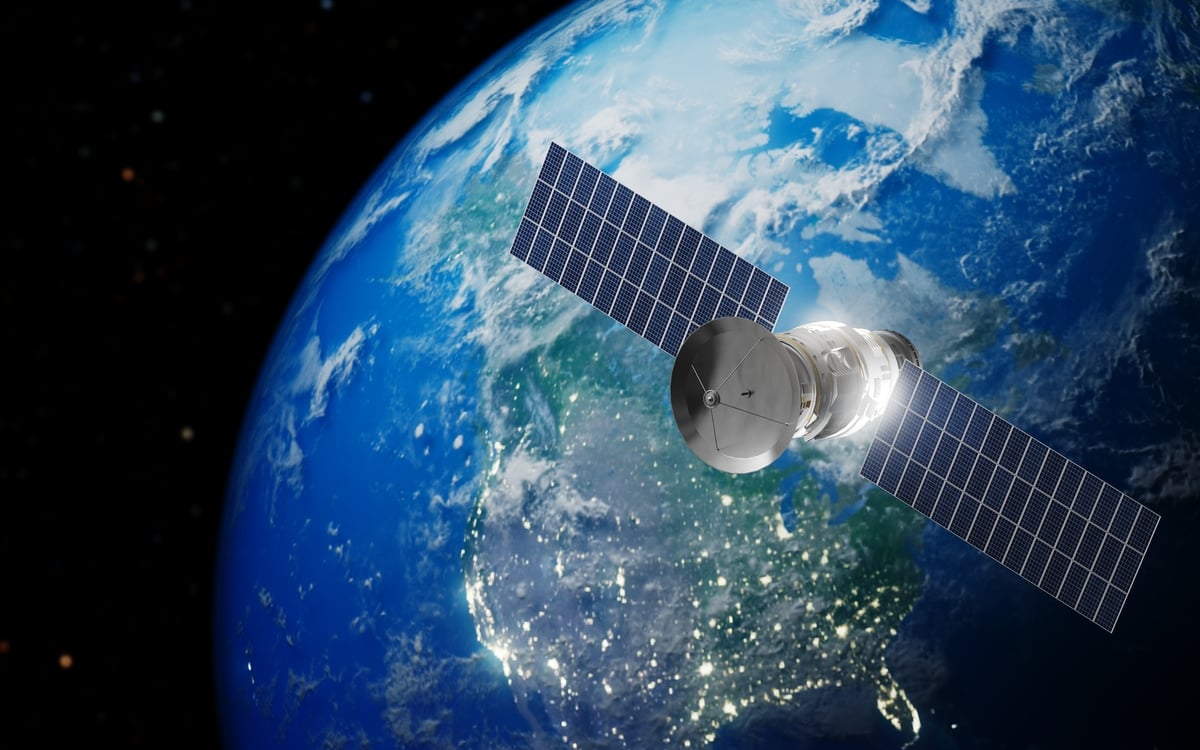
Analysis of SpaceX IPO Prospects and Investment Recommendations

- Valuation and Fundraising Goals: SpaceX aims for a $1.75 trillion valuation in its IPO, seeking to raise $75 billion, which would position it as the eighth most valuable company globally; however, such a high valuation necessitates substantial profits to justify it.
- Revenue and Profit Data: Reports indicate that SpaceX generated $15 billion to $16 billion in revenue in 2022, with around $8 billion in profit, and projections suggest that by 2026, its rocket launch and Starlink businesses could yield approximately $20 billion in revenue, highlighting its strong market potential.
- Market Risk Warning: While SpaceX's IPO may initially attract investors, a price-to-sales ratio of 87 suggests excessive optimism about future growth, as historically similar IPOs often surge initially before declining, posing risks for retail investors.
- Alternative Investment Options: For those interested in space exploration investments, it is advisable to consider space-themed exchange-traded funds (ETFs) like the Ark Space and Invesco Aerospace & Defense ETF, which mitigate risk through diversified holdings while outperforming the S&P 500.
See More

SpaceX Files for IPO, Eyeing $1.75 Trillion Valuation
- IPO Plans and Valuation: SpaceX has confidentially filed for an IPO aiming for a staggering $1.75 trillion valuation and plans to raise $75 billion, which would position it as the eighth most valuable company globally, though such a high valuation necessitates substantial profits to justify.
- Revenue Sources and Clients: Beyond theoretical space travel, SpaceX collaborates with the U.S. Defense Department and NASA, with projections indicating that its rocket launch and Starlink businesses could generate around $20 billion in revenue by 2026, highlighting strong market demand and profit potential.
- Market Risks and Investment Advice: Despite the excitement surrounding SpaceX's IPO, the astronomical price-to-sales ratio of 87 suggests an overly optimistic market outlook, leading to potential short-term volatility, thus advising investors to consider space-themed ETFs as a safer investment alternative.
- Competition and Alternative Investments: Various space-themed ETFs, such as Ark Space and Invesco Aerospace & Defense ETF, offer diversified exposure to the sector and have outperformed the S&P 500, providing a more stable investment option amidst the speculative nature of SpaceX's IPO.
See More
Tesla Reportedly Developing All-New Electric SUV Amid Robotaxi Focus
- New Electric SUV Development: Tesla is reportedly developing an all-new, smaller, and more affordable electric SUV, which is expected to be priced significantly lower than the entry-level Model 3 at $34,000, thereby attracting a broader consumer base and enhancing market competitiveness.
- Shift in Production Location: Sources indicate that the SUV may be produced in China, a strategy that would allow Tesla to leverage advancements in electric vehicle technology in the region, further strengthening its competitive edge in the global market.
- Market Adaptability: The new model is designed to be adaptable for both human driving and autonomous driving, suggesting that Tesla may adopt a flexible strategy in the future autonomous vehicle market to meet evolving consumer demands.
- Increased Competitive Pressure: While Tesla has ambitious plans for autonomous driving and robotics, the aging of its traditional vehicle lineup and intense competition from Chinese EV manufacturers may compel Tesla to refocus on its automotive business to maintain its market leadership.
See More
Tesla Plans to Launch All-New Electric SUV
- New Model Development: Tesla is developing an all-new, smaller, and more affordable electric SUV, which is expected to differ from the existing Model Y and could play a significant role in future autonomous driving strategies.
- Production Location Speculation: Sources indicate that the SUV may be produced in China, leveraging the country's advanced electric vehicle technology, which would provide Tesla with a significant competitive advantage in the market.
- Pricing Strategy: Tesla plans to price the new SUV below its entry-level Model 3, which starts at $34,000 in China, potentially attracting more consumers and expanding its market share.
- Market Competition Pressure: While Tesla focuses on the future of autonomous driving and robotics, it faces increasing pressure from traditional models, particularly from Chinese EV manufacturers, which may accelerate the launch of the new model.
See More
Tesla Plans to Launch All-New Smaller Electric SUV
- New Model Development: Tesla is in discussions with suppliers about an all-new smaller electric SUV, which is expected to bridge the gap between its aging lineup and future driverless technology, with potential production in China to leverage the rapid growth of the local EV market.
- Market Positioning: The new SUV is targeted to be priced significantly lower than Tesla's entry-level Model 3, which starts at $34,000 in China, aiming to attract more consumers and enhance market competitiveness.
- Production Location Impact: If the new model is produced in China, Tesla could better align with advancements in Chinese electric vehicle technology, potentially providing a significant competitive edge in a market where rivals like Rivian and Lucid have yet to enter.
- Strategic Return: The development of this new model may signify Tesla's return to its automotive roots, focusing on traditional vehicle production alongside its ambitions in driverless technology and humanoid robots, helping it navigate increasing market competition.
See More
Caterpillar Acquires Self-Driving Tractor Startup Monarch
- Acquisition of Autonomous Tech: Caterpillar is reportedly acquiring self-driving electric tractor startup Monarch, which has faced layoffs and growth challenges, yet this move could provide Caterpillar with a significant boost in the electric vehicle sector.
- Intensifying Market Competition: Once dubbed the Tesla of agriculture, Monarch's transition of core EV and AV technology presents Caterpillar with an opportunity to enhance its competitive edge, particularly against rivals like Deere & Co.
- Deepening Tech Collaboration: Caterpillar's partnership with NVIDIA is accelerating the application of AI technologies, utilizing the NVIDIA Jetson Thor platform to enable real-time AI inference, thereby enhancing the intelligence of its construction and agricultural equipment.
- Negative Stock Reaction: Despite the acquisition not being officially announced, Caterpillar's stock has dropped 2.4% to $775.62, indicating investor caution regarding the initial reports, even as the stock has risen 30% year-to-date in 2026.
See More
Analysis of SpaceX IPO Prospects and Investment Recommendations
- Valuation and Fundraising Goals: SpaceX aims for a $1.75 trillion valuation in its IPO, seeking to raise $75 billion, which would position it as the eighth most valuable company globally; however, such a high valuation necessitates substantial profits to justify it.
- Revenue and Profit Data: Reports indicate that SpaceX generated $15 billion to $16 billion in revenue in 2022, with around $8 billion in profit, and projections suggest that by 2026, its rocket launch and Starlink businesses could yield approximately $20 billion in revenue, highlighting its strong market potential.
- Market Risk Warning: While SpaceX's IPO may initially attract investors, a price-to-sales ratio of 87 suggests excessive optimism about future growth, as historically similar IPOs often surge initially before declining, posing risks for retail investors.
- Alternative Investment Options: For those interested in space exploration investments, it is advisable to consider space-themed exchange-traded funds (ETFs) like the Ark Space and Invesco Aerospace & Defense ETF, which mitigate risk through diversified holdings while outperforming the S&P 500.
See More
SpaceX Files for IPO, Eyeing $1.75 Trillion Valuation
- IPO Plans and Valuation: SpaceX has confidentially filed for an IPO aiming for a staggering $1.75 trillion valuation and plans to raise $75 billion, which would position it as the eighth most valuable company globally, though such a high valuation necessitates substantial profits to justify.
- Revenue Sources and Clients: Beyond theoretical space travel, SpaceX collaborates with the U.S. Defense Department and NASA, with projections indicating that its rocket launch and Starlink businesses could generate around $20 billion in revenue by 2026, highlighting strong market demand and profit potential.
- Market Risks and Investment Advice: Despite the excitement surrounding SpaceX's IPO, the astronomical price-to-sales ratio of 87 suggests an overly optimistic market outlook, leading to potential short-term volatility, thus advising investors to consider space-themed ETFs as a safer investment alternative.
- Competition and Alternative Investments: Various space-themed ETFs, such as Ark Space and Invesco Aerospace & Defense ETF, offer diversified exposure to the sector and have outperformed the S&P 500, providing a more stable investment option amidst the speculative nature of SpaceX's IPO.
See More