Tesla's New Future: A $10 Trillion Opportunity in Robotaxi Market
Written by Emily J. Thompson, Senior Investment Analyst
Updated: 1 hour ago
0mins

Should l Buy TSLA?
Source: Fool
- Massive Market Opportunity: Tesla is targeting the robotaxi market, which could be valued at $10 trillion globally, and despite a decline in auto sales, its market cap remains above $1 trillion, indicating strong investor confidence in its future.
- Product Line Evolution: Since its founding in 2003, Tesla has transitioned from luxury sports cars to more affordable models, particularly with the launch of the Model 3 and Model Y, which now account for over 90% of its global auto sales.
- Significant Competitive Advantage: Tesla's ability to internally produce hundreds of thousands of robotaxis gives it a distinct edge over competitors like Uber and Waymo, who rely on third-party production, allowing for quicker scaling in the market.
- Future Expansion Plans: Musk aims to expand the robotaxi service to a dozen new markets within the next year, and if successful, could achieve global scaling within a decade, further solidifying Tesla's leading position in this emerging sector.
Trade with 70% Backtested Accuracy
Stop guessing "Should I Buy TSLA?" and start using high-conviction signals backed by rigorous historical data.
Sign up today to access powerful investing tools and make smarter, data-driven decisions.
Analyst Views on TSLA
Wall Street analysts forecast TSLA stock price to rise
30 Analyst Rating
12 Buy
11 Hold
7 Sell
Hold
Current: 389.370

Low
25.28
Averages
401.93
High
600.00
Current: 389.370
Low
25.28
Averages
401.93
High
600.00
About TSLA
Tesla, Inc. designs, develops, manufactures, sells and leases high-performance fully electric vehicles and energy generation and storage systems, and offers services related to its products. Its segments include automotive, and energy generation and storage. The automotive segment includes the design, development, manufacturing, sales and leasing of high-performance fully electric vehicles, and sales of automotive regulatory credits. It also includes sales of used vehicles, non-warranty maintenance services and collisions, part sales, paid supercharging, insurance services revenue and retail merchandise sales. The energy generation and storage segment include the design, manufacture, installation, sales and leasing of solar energy generation and energy storage products and related services and sales of solar energy systems incentives. Its consumer vehicles include the Model 3, Y, S, X and Cybertruck. Its lithium-ion battery energy storage products include Powerwall and Megapack.
About the author

Emily J. Thompson
Emily J. Thompson, a Chartered Financial Analyst (CFA) with 12 years in investment research, graduated with honors from the Wharton School. Specializing in industrial and technology stocks, she provides in-depth analysis for Intellectia’s earnings and market brief reports.
Tesla Recalls Over 218,800 Vehicles Due to Camera Issue

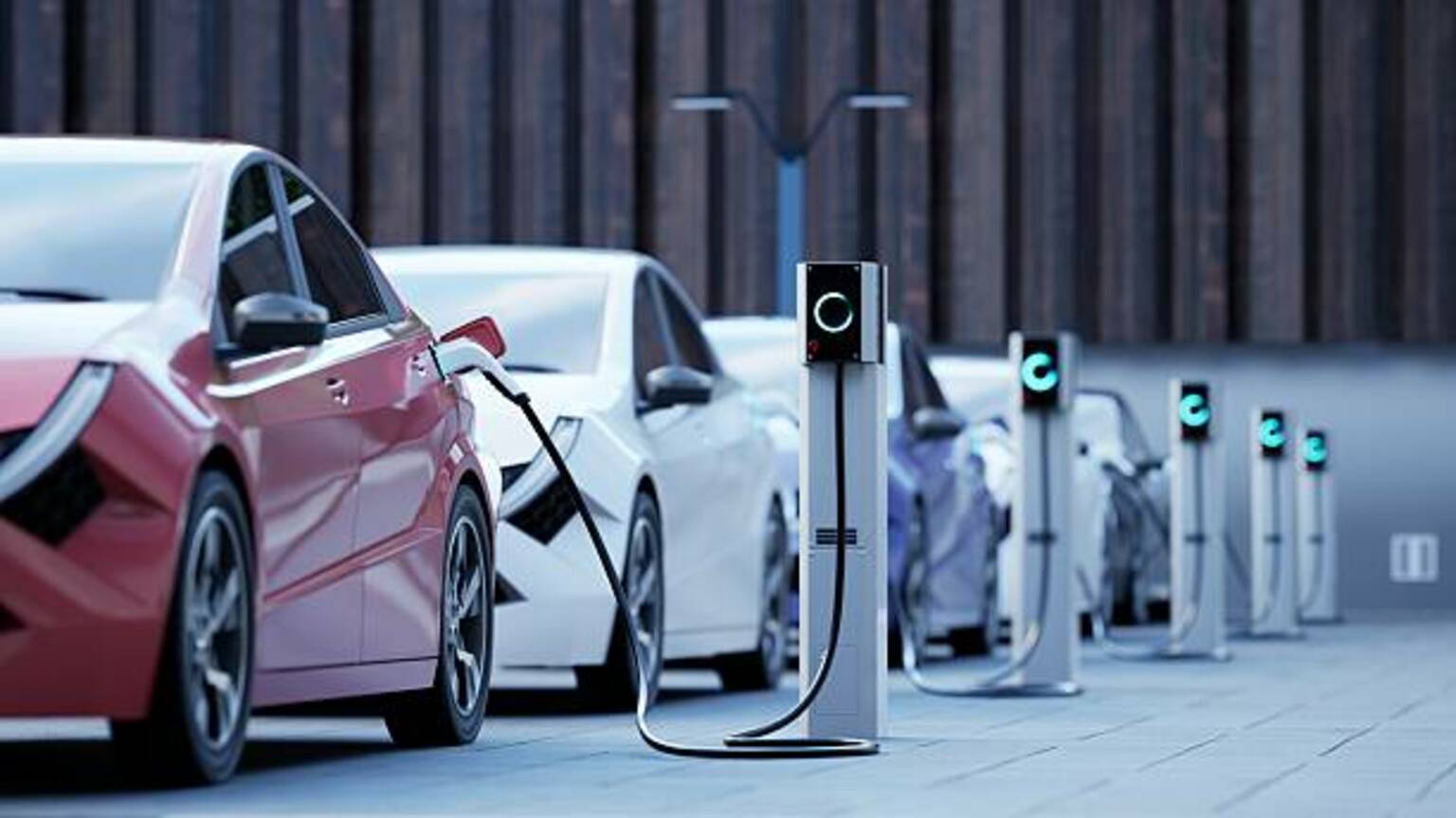
- Large Recall Scale: Tesla is recalling over 218,800 vehicles in the U.S. due to a rearview camera image issue, affecting 2024-2025 Model 3 and Model S, as well as 2023-2025 Model X and Model Y, highlighting ongoing challenges in quality control.
- Significant Safety Risk: The delay in rearview camera image appearance could impair driver visibility, increasing the risk of collisions, which may lead to decreased consumer confidence in Tesla's safety standards.
- Software Update Solution: Tesla typically resolves most issues through free over-the-air software updates, and this recall may again test its ability to respond quickly and provide customer service, although frequent recalls could impact brand image.
- Historical Recall Trends: Rearview camera faults have been a recurring recall category for Tesla in recent years, reflecting ongoing challenges in technological reliability that could negatively affect future sales and market share.
See More

Tesla's New Future: A $10 Trillion Opportunity in Robotaxi Market

- Massive Market Opportunity: Tesla is targeting the robotaxi market, which could be valued at $10 trillion globally, and despite a decline in auto sales, its market cap remains above $1 trillion, indicating strong investor confidence in its future.
- Product Line Evolution: Since its founding in 2003, Tesla has transitioned from luxury sports cars to more affordable models, particularly with the launch of the Model 3 and Model Y, which now account for over 90% of its global auto sales.
- Significant Competitive Advantage: Tesla's ability to internally produce hundreds of thousands of robotaxis gives it a distinct edge over competitors like Uber and Waymo, who rely on third-party production, allowing for quicker scaling in the market.
- Future Expansion Plans: Musk aims to expand the robotaxi service to a dozen new markets within the next year, and if successful, could achieve global scaling within a decade, further solidifying Tesla's leading position in this emerging sector.
See More
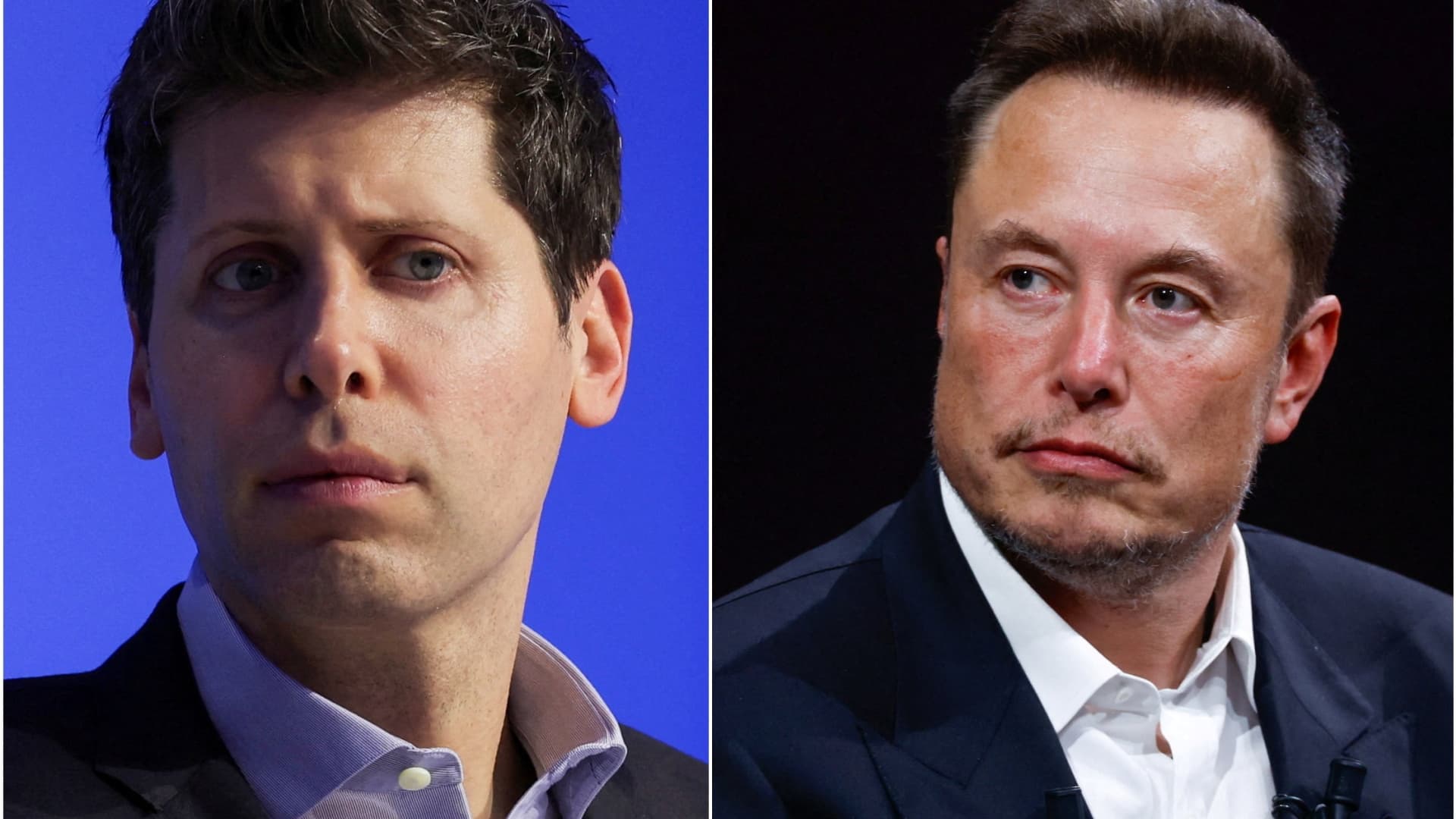
Musk's OpenAI Lawsuit Trading Dynamics
- Declining Odds: Musk's chances of winning the lawsuit against OpenAI have dropped from 60% at the trial's start to 40%, indicating a negative market reaction to his testimony, which could impact his future business decisions.
- Surging Trading Volume: The trading contract related to Musk's lawsuit has seen over $890,000 in volume on Kalshi, with nearly $48,500 traded in the last 24 hours, reflecting high investor interest and uncertainty surrounding the case.
- Market Reaction Insight: Professor Eric Zitzewitz noted that the market's response to Musk's testimony suggests significant influence from media coverage on public sentiment, potentially weakening investor confidence in his chances of winning.
- IPO Prospects Draw Attention: While Musk's lawsuit against OpenAI garners significant attention, the upcoming SpaceX IPO is also a hot topic, expected to launch around June with a potential valuation of $1.75 trillion, showcasing Musk's strategic positioning across multiple ventures.
See More
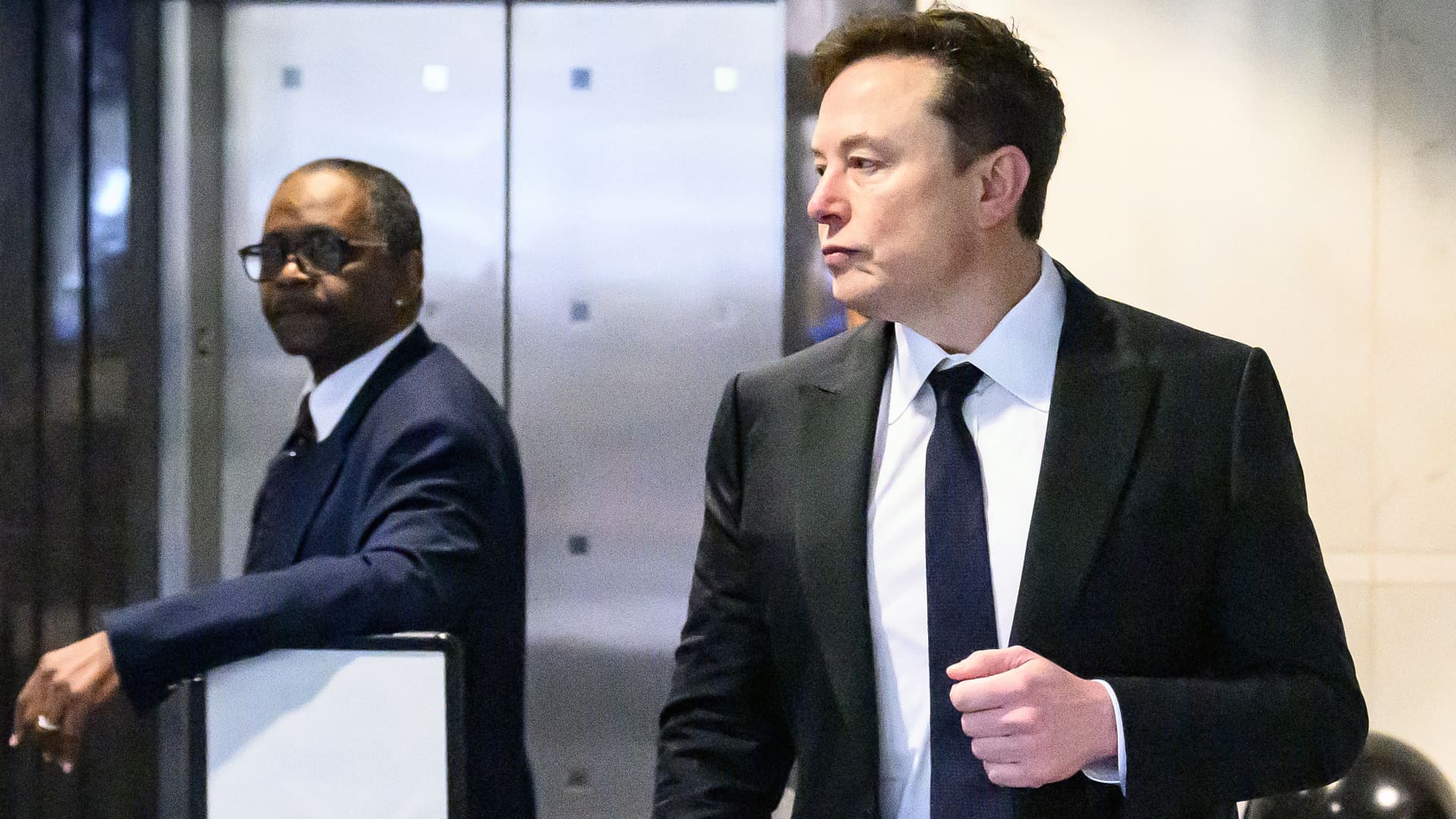
Musk's Texas Chip Plant to Cost $55 Billion Initially


- Massive Investment Plan: Musk's chip manufacturing plant in East Texas is projected to cost at least $55 billion for the first phase, potentially rising to $119 billion for full buildout, reflecting his ambition to control the chip supply chain.
- Tax Abatement Request: SpaceX is seeking a property tax abatement agreement from Grimes County, with a public hearing scheduled for June 3, which, if approved, could significantly reduce initial project costs and stimulate local economic growth.
- Partnership Development: Intel has joined the Terafab project to assist in designing and fabricating ultra-high-performance chips, marking its first major external commitment in capital-intensive foundry operations, which is expected to enhance its competitive position in the market.
- Strategic Positioning: Musk indicated that the Terafab initiative is part of a 15-year strategy aimed at securing priority in the global chip supply chain for Tesla and SpaceX, addressing geopolitical risks and meeting increasing demand.
See More
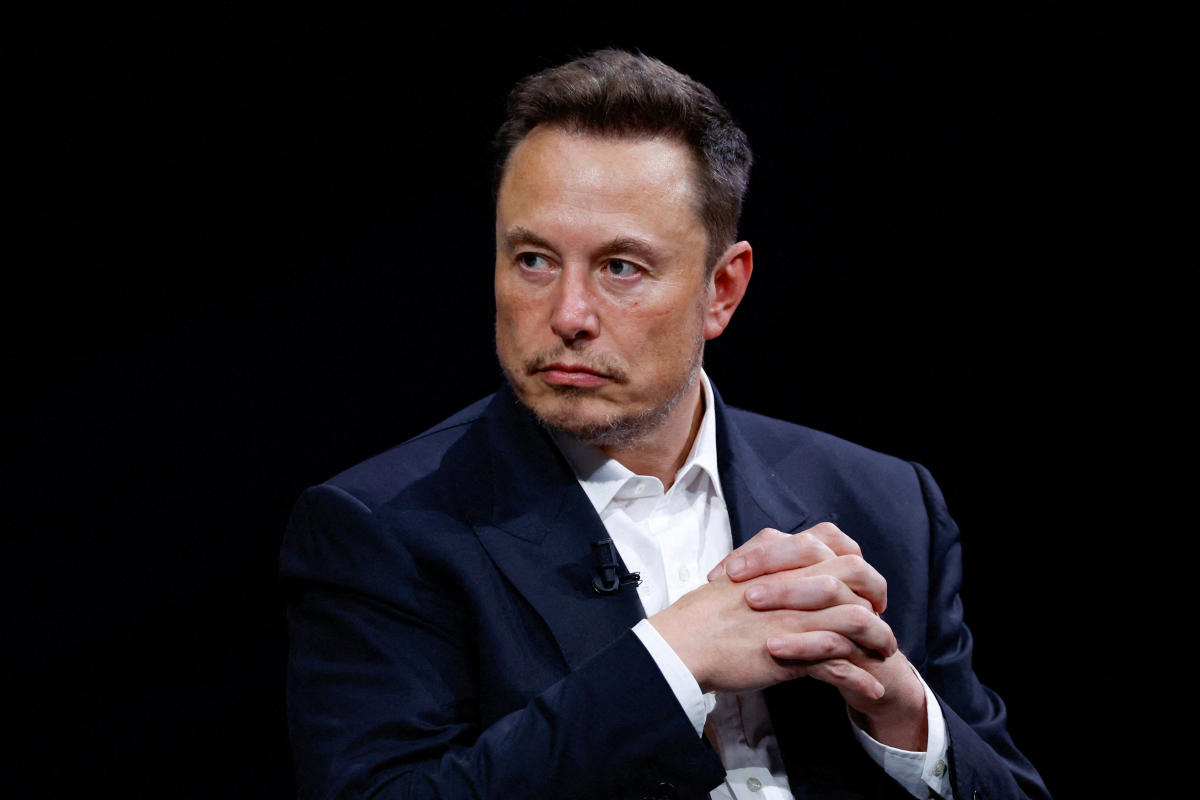
Musk Unveils Terafab Project Plans
- Investment Scale: Musk's Terafab project is set to cost at least $55 billion for its first phase, potentially scaling up to $119 billion for full buildout, significantly enhancing chip production capabilities for Tesla, SpaceX, and xAI, thereby ensuring their competitive edge in the global market.
- Strategic Partnership: Intel's commitment to join the Terafab project to design, fabricate, and package ultra-high-performance chips marks its first major external collaboration in the capital-intensive foundry sector, which is expected to further boost its market share in the AI domain.
- Supply Chain Control: Analysts highlight that Musk is embarking on a 15-year strategy to secure priority in the chip supply chain, particularly in light of capacity constraints at manufacturers like TSMC, which will provide Tesla and SpaceX with greater flexibility and security.
- Geopolitical Risk Management: Musk emphasized during a recent earnings call that establishing Terafab is crucial for protecting the company against geopolitical risks, a strategy that not only meets Tesla's chip demands but also strengthens its resilience in the global market.
See More

Uber Partners with Waymo to Advance Autonomous Driving

- Market Expansion Plan: Uber is currently offering autonomous rides in eight cities and aims to expand to 15 cities by the end of 2026, a strategy that will significantly enhance its market coverage and customer base, strengthening its competitive position in the autonomous driving sector.
- Strengthened Partnerships: In the first quarter, Uber announced 10 new or expanded autonomous vehicle partnerships, including with Rivian and Nvidia, which not only enhance its technological capabilities but also lay a solid foundation for future business growth.
- User Engagement Growth: Uber's monthly active platform customers reached 200 million, a 19% year-over-year increase, indicating that its platform's appeal and market penetration are continuously improving, with potential for increased revenue and market share in the future.
- Investor Sentiment Shift: Following Uber's first-quarter earnings report, retail investor sentiment around Uber jumped from 'bullish' to 'extremely bullish', reflecting market confidence and expectations regarding its autonomous driving strategy, which may drive stock price recovery.
See More
Tesla Recalls Over 218,800 Vehicles Due to Camera Issue
- Large Recall Scale: Tesla is recalling over 218,800 vehicles in the U.S. due to a rearview camera image issue, affecting 2024-2025 Model 3 and Model S, as well as 2023-2025 Model X and Model Y, highlighting ongoing challenges in quality control.
- Significant Safety Risk: The delay in rearview camera image appearance could impair driver visibility, increasing the risk of collisions, which may lead to decreased consumer confidence in Tesla's safety standards.
- Software Update Solution: Tesla typically resolves most issues through free over-the-air software updates, and this recall may again test its ability to respond quickly and provide customer service, although frequent recalls could impact brand image.
- Historical Recall Trends: Rearview camera faults have been a recurring recall category for Tesla in recent years, reflecting ongoing challenges in technological reliability that could negatively affect future sales and market share.
See More
Tesla's New Future: A $10 Trillion Opportunity in Robotaxi Market
- Massive Market Opportunity: Tesla is targeting the robotaxi market, which could be valued at $10 trillion globally, and despite a decline in auto sales, its market cap remains above $1 trillion, indicating strong investor confidence in its future.
- Product Line Evolution: Since its founding in 2003, Tesla has transitioned from luxury sports cars to more affordable models, particularly with the launch of the Model 3 and Model Y, which now account for over 90% of its global auto sales.
- Significant Competitive Advantage: Tesla's ability to internally produce hundreds of thousands of robotaxis gives it a distinct edge over competitors like Uber and Waymo, who rely on third-party production, allowing for quicker scaling in the market.
- Future Expansion Plans: Musk aims to expand the robotaxi service to a dozen new markets within the next year, and if successful, could achieve global scaling within a decade, further solidifying Tesla's leading position in this emerging sector.
See More
Musk's OpenAI Lawsuit Trading Dynamics
- Declining Odds: Musk's chances of winning the lawsuit against OpenAI have dropped from 60% at the trial's start to 40%, indicating a negative market reaction to his testimony, which could impact his future business decisions.
- Surging Trading Volume: The trading contract related to Musk's lawsuit has seen over $890,000 in volume on Kalshi, with nearly $48,500 traded in the last 24 hours, reflecting high investor interest and uncertainty surrounding the case.
- Market Reaction Insight: Professor Eric Zitzewitz noted that the market's response to Musk's testimony suggests significant influence from media coverage on public sentiment, potentially weakening investor confidence in his chances of winning.
- IPO Prospects Draw Attention: While Musk's lawsuit against OpenAI garners significant attention, the upcoming SpaceX IPO is also a hot topic, expected to launch around June with a potential valuation of $1.75 trillion, showcasing Musk's strategic positioning across multiple ventures.
See More
Musk's Texas Chip Plant to Cost $55 Billion Initially
- Massive Investment Plan: Musk's chip manufacturing plant in East Texas is projected to cost at least $55 billion for the first phase, potentially rising to $119 billion for full buildout, reflecting his ambition to control the chip supply chain.
- Tax Abatement Request: SpaceX is seeking a property tax abatement agreement from Grimes County, with a public hearing scheduled for June 3, which, if approved, could significantly reduce initial project costs and stimulate local economic growth.
- Partnership Development: Intel has joined the Terafab project to assist in designing and fabricating ultra-high-performance chips, marking its first major external commitment in capital-intensive foundry operations, which is expected to enhance its competitive position in the market.
- Strategic Positioning: Musk indicated that the Terafab initiative is part of a 15-year strategy aimed at securing priority in the global chip supply chain for Tesla and SpaceX, addressing geopolitical risks and meeting increasing demand.
See More
Musk Unveils Terafab Project Plans
- Investment Scale: Musk's Terafab project is set to cost at least $55 billion for its first phase, potentially scaling up to $119 billion for full buildout, significantly enhancing chip production capabilities for Tesla, SpaceX, and xAI, thereby ensuring their competitive edge in the global market.
- Strategic Partnership: Intel's commitment to join the Terafab project to design, fabricate, and package ultra-high-performance chips marks its first major external collaboration in the capital-intensive foundry sector, which is expected to further boost its market share in the AI domain.
- Supply Chain Control: Analysts highlight that Musk is embarking on a 15-year strategy to secure priority in the chip supply chain, particularly in light of capacity constraints at manufacturers like TSMC, which will provide Tesla and SpaceX with greater flexibility and security.
- Geopolitical Risk Management: Musk emphasized during a recent earnings call that establishing Terafab is crucial for protecting the company against geopolitical risks, a strategy that not only meets Tesla's chip demands but also strengthens its resilience in the global market.
See More
Uber Partners with Waymo to Advance Autonomous Driving
- Market Expansion Plan: Uber is currently offering autonomous rides in eight cities and aims to expand to 15 cities by the end of 2026, a strategy that will significantly enhance its market coverage and customer base, strengthening its competitive position in the autonomous driving sector.
- Strengthened Partnerships: In the first quarter, Uber announced 10 new or expanded autonomous vehicle partnerships, including with Rivian and Nvidia, which not only enhance its technological capabilities but also lay a solid foundation for future business growth.
- User Engagement Growth: Uber's monthly active platform customers reached 200 million, a 19% year-over-year increase, indicating that its platform's appeal and market penetration are continuously improving, with potential for increased revenue and market share in the future.
- Investor Sentiment Shift: Following Uber's first-quarter earnings report, retail investor sentiment around Uber jumped from 'bullish' to 'extremely bullish', reflecting market confidence and expectations regarding its autonomous driving strategy, which may drive stock price recovery.
See More