Tesla Recalls Over 218,800 Vehicles Due to Camera Issue
Written by Emily J. Thompson, Senior Investment Analyst
Updated: 43 minutes ago
0mins
Should l Buy TSLA?
Source: seekingalpha
- Large Recall Scale: Tesla is recalling over 218,800 vehicles in the U.S. due to a rearview camera image issue, affecting 2024-2025 Model 3 and Model S, as well as 2023-2025 Model X and Model Y, highlighting ongoing challenges in quality control.
- Significant Safety Risk: The delay in rearview camera image appearance could impair driver visibility, increasing the risk of collisions, which may lead to decreased consumer confidence in Tesla's safety standards.
- Software Update Solution: Tesla typically resolves most issues through free over-the-air software updates, and this recall may again test its ability to respond quickly and provide customer service, although frequent recalls could impact brand image.
- Historical Recall Trends: Rearview camera faults have been a recurring recall category for Tesla in recent years, reflecting ongoing challenges in technological reliability that could negatively affect future sales and market share.
Trade with 70% Backtested Accuracy
Stop guessing "Should I Buy TSLA?" and start using high-conviction signals backed by rigorous historical data.
Sign up today to access powerful investing tools and make smarter, data-driven decisions.
Analyst Views on TSLA
Wall Street analysts forecast TSLA stock price to rise
30 Analyst Rating
12 Buy
11 Hold
7 Sell
Hold
Current: 392.510

Low
25.28
Averages
401.93
High
600.00
Current: 392.510
Low
25.28
Averages
401.93
High
600.00
About TSLA
Tesla, Inc. designs, develops, manufactures, sells and leases high-performance fully electric vehicles and energy generation and storage systems, and offers services related to its products. Its segments include automotive, and energy generation and storage. The automotive segment includes the design, development, manufacturing, sales and leasing of high-performance fully electric vehicles, and sales of automotive regulatory credits. It also includes sales of used vehicles, non-warranty maintenance services and collisions, part sales, paid supercharging, insurance services revenue and retail merchandise sales. The energy generation and storage segment include the design, manufacture, installation, sales and leasing of solar energy generation and energy storage products and related services and sales of solar energy systems incentives. Its consumer vehicles include the Model 3, Y, S, X and Cybertruck. Its lithium-ion battery energy storage products include Powerwall and Megapack.
About the author

Emily J. Thompson
Emily J. Thompson, a Chartered Financial Analyst (CFA) with 12 years in investment research, graduated with honors from the Wharton School. Specializing in industrial and technology stocks, she provides in-depth analysis for Intellectia’s earnings and market brief reports.
Tesla Recalls Over 218,800 Vehicles Due to Camera Issue

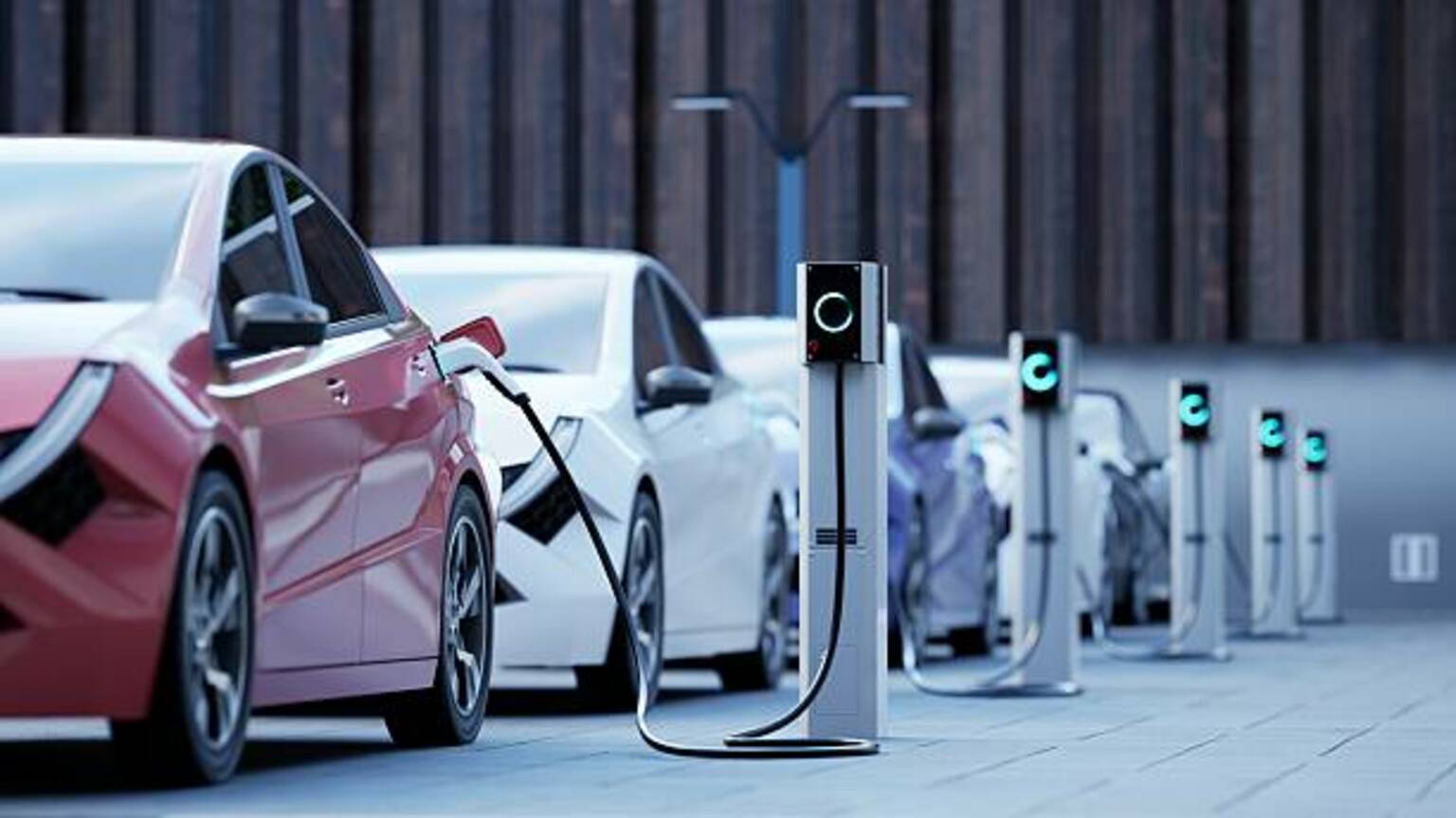
- Large Recall Scale: Tesla is recalling over 218,800 vehicles in the U.S. due to a rearview camera image issue, affecting 2024-2025 Model 3 and Model S, as well as 2023-2025 Model X and Model Y, highlighting ongoing challenges in quality control.
- Significant Safety Risk: The delay in rearview camera image appearance could impair driver visibility, increasing the risk of collisions, which may lead to decreased consumer confidence in Tesla's safety standards.
- Software Update Solution: Tesla typically resolves most issues through free over-the-air software updates, and this recall may again test its ability to respond quickly and provide customer service, although frequent recalls could impact brand image.
- Historical Recall Trends: Rearview camera faults have been a recurring recall category for Tesla in recent years, reflecting ongoing challenges in technological reliability that could negatively affect future sales and market share.
See More
Easing Middle East Tensions Boost Market Sentiment


- Market Sentiment Rebound: Signals of easing tensions in the Middle East have buoyed investor sentiment, leading to a rise in U.S. stock futures, with the S&P 500, Dow, and Russell 2000 futures up 0.3% and Nasdaq futures gaining 0.7%, reflecting optimism about future economic recovery.
- AMD Earnings Surge: AMD reported a blockbuster earnings forecast with a projected $11.2 billion in Q2 revenue, significantly higher than last year, causing its stock to jump 19% in pre-market trading and reigniting interest in AI-related stocks, indicating strong market focus on tech equities.
- Job Data Anticipation: Investors are keenly awaiting the upcoming ADP Private Payrolls report, which will provide insights into the health of the labor market ahead of Friday's official jobs report, potentially influencing market trends.
- Legal Resolution for Apple: Apple has settled a $250 million lawsuit concerning delays in Siri AI features, removing a legal hurdle for its software roadmap, which is expected to enhance investor confidence in Apple's future development.
See More
Tesla Recalls 218,868 Vehicles Due to Safety Risk
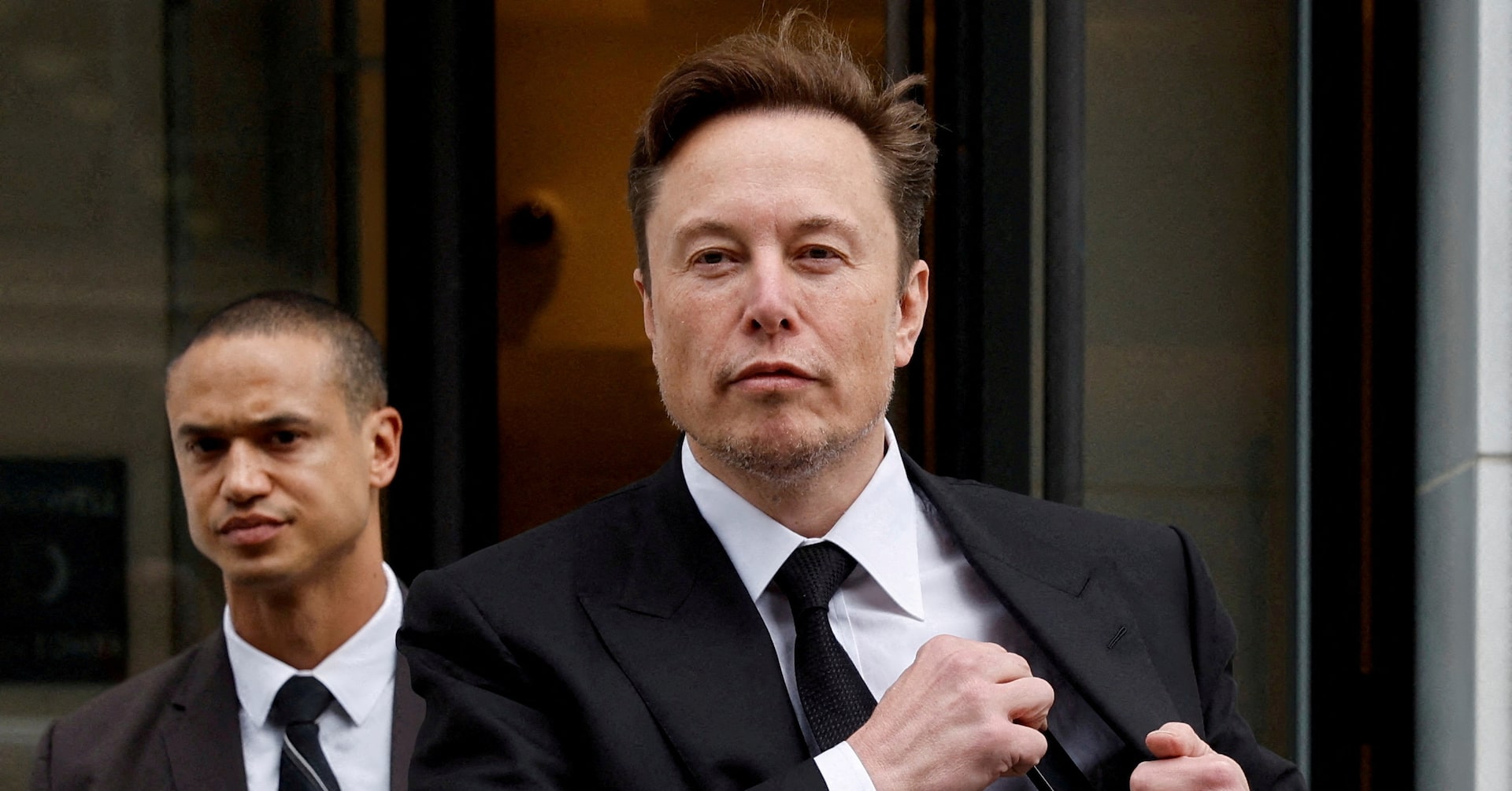
- Large Recall: Tesla is recalling 218,868 vehicles in the U.S. due to delayed rearview camera images, which increase crash risk, indicating potential deficiencies in the company's safety management practices.
- Regulatory Oversight: The announcement by the U.S. National Highway Traffic Safety Administration (NHTSA) highlights the agency's strong focus on automotive safety issues, which could impact Tesla's brand image and consumer trust.
- Potential Financial Impact: This recall may lead to additional repair costs and legal liabilities for Tesla, affecting its short-term financial performance, especially in the highly competitive electric vehicle market.
- Pressure on Safety Standards: Following this recall, Tesla must enhance its safety standards and quality control measures to prevent similar incidents in the future, thereby maintaining its market position and consumer confidence.
See More
Tesla's FSD Approved in Netherlands, European Outlook Uncertain
- Dutch Approval for FSD: Tesla's Full Self-Driving (Supervised) technology received approval in the Netherlands after 18 months of testing and over 1.6 million kilometers driven, marking a significant entry into the European market, although further regulatory hurdles remain in other countries.
- Regulatory Concerns: Despite the approval paving the way for Tesla, regulators from Sweden, Finland, Denmark, and Norway have expressed skepticism regarding the safety of the FSD system, particularly on icy roads, which could hinder its broader adoption across the EU.
- User Feedback and Legal Challenges: Tesla's FSD system has been driven over 10 million kilometers in the Netherlands, yet some owners are frustrated about not receiving the latest hardware upgrades and have organized a class-action lawsuit, alleging that Tesla has failed to deliver on its promises of full autonomous driving capabilities.
- Future Development and Market Potential: Tesla aims to leverage the approval in the Netherlands to push for FSD legalization across the EU, and while facing regulatory challenges and user dissatisfaction, its success in the Netherlands could lay the groundwork for future market expansion.
See More
Belgium's Regions Push for Tesla FSD Approval
- Regional Approval Authority: A spokesperson for Belgium's central transport ministry stated that the authority to approve FSD lies with the regions rather than the central government, which could expedite Tesla's technology rollout across Europe.
- Flanders Takes Action: Flanders Transport Minister Annick De Ridder has requested Tesla to provide necessary documents for fast-track approval, with a decision expected by the end of the week, demonstrating the region's support for innovation.
- Netherlands Leads the Way: The Netherlands became the first EU country to provisionally approve Tesla's FSD software after 1.5 years of testing, with the RDW asserting that the software positively contributes to road safety when used correctly, thereby facilitating Tesla's market expansion in Europe.
- Tesla's Future Plans: During its Q1 earnings call, Tesla indicated plans to seek EU-wide FSD approval by late Q2, although CEO Elon Musk acknowledged that regulatory complexities might delay the rollout of robotaxis in Europe.
See More
Rivian Considers In-House Lidar Sensor Production

- Lidar Production Plans: CEO RJ Scaringe announced that Rivian is considering partnerships with Chinese firms to develop its own lidar sensors for the upcoming R2 vehicles, enhancing its competitive edge in self-driving technology.
- Exploring Tech Collaboration: The automaker aims to establish a joint venture to produce lidar sensors in the U.S. using Chinese technology, reducing reliance on Chinese suppliers while addressing national security concerns.
- Chip Development Investment: Rivian is committing hundreds of millions of dollars to its custom chip program, with the first chip, the Rivian Autonomy Processor (RAP-1), set to launch this year, followed by new versions every few years to enhance autonomous driving capabilities.
- Industry Collaboration Intent: Scaringe mentioned that Rivian is in active discussions with lidar firms and exploring opportunities for collaboration with other automakers to develop production capacity in the U.S., strengthening technological capabilities in the sector.
See More
Tesla Recalls Over 218,800 Vehicles Due to Camera Issue
- Large Recall Scale: Tesla is recalling over 218,800 vehicles in the U.S. due to a rearview camera image issue, affecting 2024-2025 Model 3 and Model S, as well as 2023-2025 Model X and Model Y, highlighting ongoing challenges in quality control.
- Significant Safety Risk: The delay in rearview camera image appearance could impair driver visibility, increasing the risk of collisions, which may lead to decreased consumer confidence in Tesla's safety standards.
- Software Update Solution: Tesla typically resolves most issues through free over-the-air software updates, and this recall may again test its ability to respond quickly and provide customer service, although frequent recalls could impact brand image.
- Historical Recall Trends: Rearview camera faults have been a recurring recall category for Tesla in recent years, reflecting ongoing challenges in technological reliability that could negatively affect future sales and market share.
See More
Easing Middle East Tensions Boost Market Sentiment
- Market Sentiment Rebound: Signals of easing tensions in the Middle East have buoyed investor sentiment, leading to a rise in U.S. stock futures, with the S&P 500, Dow, and Russell 2000 futures up 0.3% and Nasdaq futures gaining 0.7%, reflecting optimism about future economic recovery.
- AMD Earnings Surge: AMD reported a blockbuster earnings forecast with a projected $11.2 billion in Q2 revenue, significantly higher than last year, causing its stock to jump 19% in pre-market trading and reigniting interest in AI-related stocks, indicating strong market focus on tech equities.
- Job Data Anticipation: Investors are keenly awaiting the upcoming ADP Private Payrolls report, which will provide insights into the health of the labor market ahead of Friday's official jobs report, potentially influencing market trends.
- Legal Resolution for Apple: Apple has settled a $250 million lawsuit concerning delays in Siri AI features, removing a legal hurdle for its software roadmap, which is expected to enhance investor confidence in Apple's future development.
See More
Tesla Recalls 218,868 Vehicles Due to Safety Risk
- Large Recall: Tesla is recalling 218,868 vehicles in the U.S. due to delayed rearview camera images, which increase crash risk, indicating potential deficiencies in the company's safety management practices.
- Regulatory Oversight: The announcement by the U.S. National Highway Traffic Safety Administration (NHTSA) highlights the agency's strong focus on automotive safety issues, which could impact Tesla's brand image and consumer trust.
- Potential Financial Impact: This recall may lead to additional repair costs and legal liabilities for Tesla, affecting its short-term financial performance, especially in the highly competitive electric vehicle market.
- Pressure on Safety Standards: Following this recall, Tesla must enhance its safety standards and quality control measures to prevent similar incidents in the future, thereby maintaining its market position and consumer confidence.
See More
Tesla's FSD Approved in Netherlands, European Outlook Uncertain
- Dutch Approval for FSD: Tesla's Full Self-Driving (Supervised) technology received approval in the Netherlands after 18 months of testing and over 1.6 million kilometers driven, marking a significant entry into the European market, although further regulatory hurdles remain in other countries.
- Regulatory Concerns: Despite the approval paving the way for Tesla, regulators from Sweden, Finland, Denmark, and Norway have expressed skepticism regarding the safety of the FSD system, particularly on icy roads, which could hinder its broader adoption across the EU.
- User Feedback and Legal Challenges: Tesla's FSD system has been driven over 10 million kilometers in the Netherlands, yet some owners are frustrated about not receiving the latest hardware upgrades and have organized a class-action lawsuit, alleging that Tesla has failed to deliver on its promises of full autonomous driving capabilities.
- Future Development and Market Potential: Tesla aims to leverage the approval in the Netherlands to push for FSD legalization across the EU, and while facing regulatory challenges and user dissatisfaction, its success in the Netherlands could lay the groundwork for future market expansion.
See More
Belgium's Regions Push for Tesla FSD Approval
- Regional Approval Authority: A spokesperson for Belgium's central transport ministry stated that the authority to approve FSD lies with the regions rather than the central government, which could expedite Tesla's technology rollout across Europe.
- Flanders Takes Action: Flanders Transport Minister Annick De Ridder has requested Tesla to provide necessary documents for fast-track approval, with a decision expected by the end of the week, demonstrating the region's support for innovation.
- Netherlands Leads the Way: The Netherlands became the first EU country to provisionally approve Tesla's FSD software after 1.5 years of testing, with the RDW asserting that the software positively contributes to road safety when used correctly, thereby facilitating Tesla's market expansion in Europe.
- Tesla's Future Plans: During its Q1 earnings call, Tesla indicated plans to seek EU-wide FSD approval by late Q2, although CEO Elon Musk acknowledged that regulatory complexities might delay the rollout of robotaxis in Europe.
See More
Rivian Considers In-House Lidar Sensor Production
- Lidar Production Plans: CEO RJ Scaringe announced that Rivian is considering partnerships with Chinese firms to develop its own lidar sensors for the upcoming R2 vehicles, enhancing its competitive edge in self-driving technology.
- Exploring Tech Collaboration: The automaker aims to establish a joint venture to produce lidar sensors in the U.S. using Chinese technology, reducing reliance on Chinese suppliers while addressing national security concerns.
- Chip Development Investment: Rivian is committing hundreds of millions of dollars to its custom chip program, with the first chip, the Rivian Autonomy Processor (RAP-1), set to launch this year, followed by new versions every few years to enhance autonomous driving capabilities.
- Industry Collaboration Intent: Scaringe mentioned that Rivian is in active discussions with lidar firms and exploring opportunities for collaboration with other automakers to develop production capacity in the U.S., strengthening technological capabilities in the sector.
See More