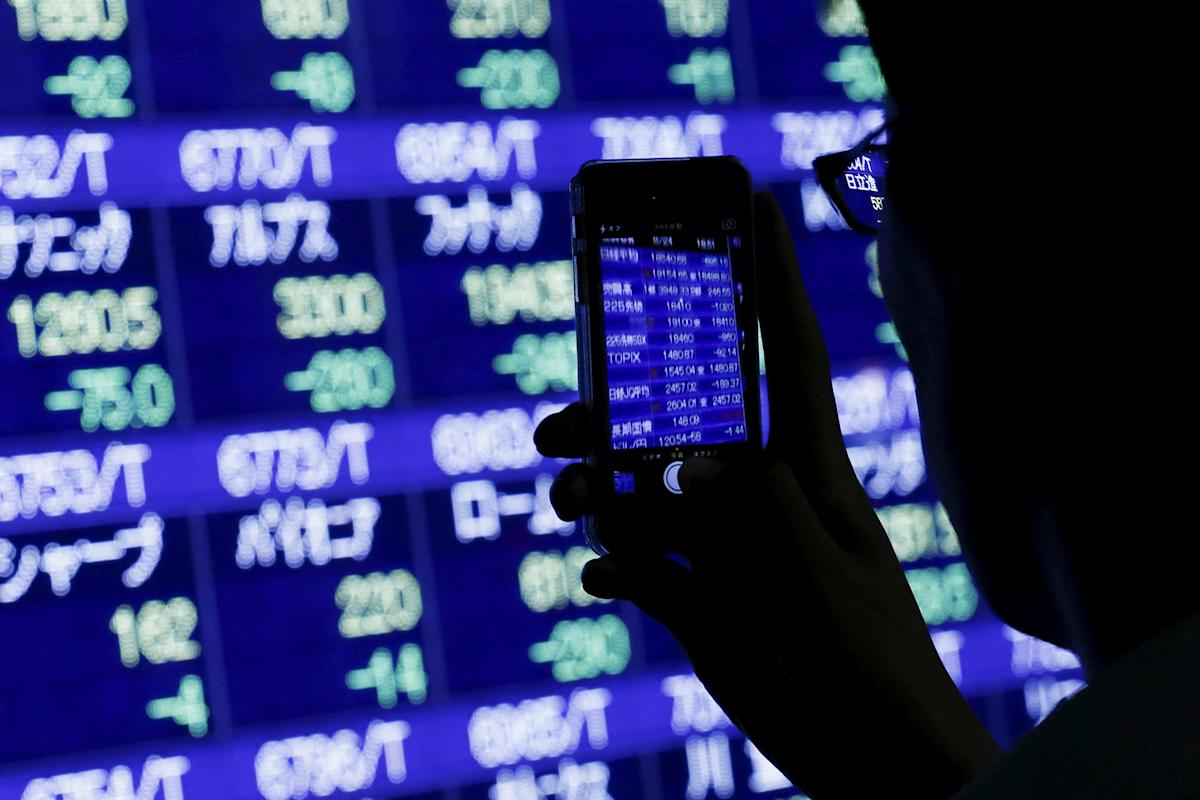
Taiwan Semiconductor Demand Surge Boosts Investor Sentiment
Written by Emily J. Thompson, Senior Investment Analyst
Updated: 5 days ago
0mins
Should l Buy TSM?
Source: Fool
- Demand Growth: Taiwan Semiconductor's ongoing demand increase reflects strong market appetite for semiconductor products, which is expected to drive future revenue growth for the company.
- Investor Confidence: As demand rises, investor confidence in Taiwan Semiconductor strengthens, with stock prices rising 0.42% on the afternoon of April 30, 2026, indicating optimistic market expectations for its future performance.
- Market Outlook: The overall growth trend in the semiconductor industry provides a favorable market environment for Taiwan Semiconductor, potentially attracting more investor attention to its stock and further driving price increases.
- Strategic Implications: The sustained demand growth for Taiwan Semiconductor not only helps solidify its market leadership but may also prompt the company to increase R&D investments to maintain technological leadership and competitive edge.
Trade with 70% Backtested Accuracy
Stop guessing "Should I Buy TSM?" and start using high-conviction signals backed by rigorous historical data.
Sign up today to access powerful investing tools and make smarter, data-driven decisions.
Analyst Views on TSM
Wall Street analysts forecast TSM stock price to fall
8 Analyst Rating
7 Buy
1 Hold
0 Sell
Strong Buy
Current: 414.150

Low
63.24
Averages
313.46
High
390.00
Current: 414.150
Low
63.24
Averages
313.46
High
390.00
About TSM
Taiwan Semiconductor Manufacturing Co Ltd is a Taiwan-based integrated circuit foundry service provider. The Company is primarily engaged in integrated circuit manufacturing services. It offers advanced process technologies, specialised process solutions, advanced photomask and silicon stacking, and packaging-related technologies, while supporting a comprehensive design ecosystem. The Company's products serve diverse electronic sectors including artificial intelligence, high-performance computing, wired and wireless communications, automotive and industrial equipment, personal computing, information applications, consumer electronics, smart internet of things, and wearable devices.
About the author

Emily J. Thompson
Emily J. Thompson, a Chartered Financial Analyst (CFA) with 12 years in investment research, graduated with honors from the Wharton School. Specializing in industrial and technology stocks, she provides in-depth analysis for Intellectia’s earnings and market brief reports.

TSMC Reports April Revenue Growth of 17.5% Year-over-Year

- April Revenue Figures: TSMC reported consolidated revenue of approximately NT$410.73 billion ($13.1 billion) for April, reflecting a 1.1% decline from March but a 17.5% increase compared to April 2025, indicating the company's sustained growth potential in high-performance computing.
- Year-to-Date Performance: Total revenue from January to April 2026 reached NT$1,544.83 billion, marking a 29.9% year-over-year increase, showcasing TSMC's robust performance in the global semiconductor market, particularly amid rising demand for AI workloads.
- Positive Market Reaction: Following regulatory easing of single-stock investment limits, TSMC's shares hit a record high last month, signaling strong market optimism regarding its future growth and prompting fund managers to increase their exposure to the company.
- Demand-Driven Growth: The rising need for advanced silicon chips has positioned TSMC's high-performance computing segment as a key growth driver, further solidifying its leadership in the global semiconductor industry.
See More
TSMC: The Quiet Giant of the Semiconductor Industry
- Market Dominance: TSMC controls over 70% of the global semiconductor market and more than 90% in the most advanced semiconductor sector, establishing itself as an essential manufacturer in the AI industry, despite lower returns compared to major clients like Nvidia and Apple.
- Significant Revenue Growth: In Q1 2026, TSMC reported revenue of $35 billion, a 35% increase year-over-year, significantly outpacing the 31% growth in 2025, indicating unprecedented demand for chips that drives the company's profitability.
- Enhanced Profitability: The comprehensive income for the quarter approached $20 billion, reflecting a 60% increase from last year, while comprehensive income growth in 2025 was only 33%, showcasing the company's strong performance and ongoing growth potential.
- Investment Appeal: Despite geopolitical risks, TSMC's P/E ratio stands at 33, which seems attractive given the 60% income growth, indicating strong investor demand for its stock and confidence in its future growth prospects.
See More

Trade Desk Faces Publicis Challenge Amid Earnings Miss


- Publicis Controversy Impact: Trade Desk's Q1 2026 earnings miss led to a 13.11% drop in pre-market trading, primarily due to Publicis's concerns over pricing and transparency, which could result in client losses and significantly impact Q2 and Q3 revenues.
- Margin Pressure: The company targets a full-year adjusted EBITDA margin of 40%, yet reported only 30% in Q1, necessitating substantial revenue growth or aggressive cost control in the second half, with management failing to provide a clear strategy, thus increasing market uncertainty.
- Long-Term Outlook Remains Positive: Despite short-term challenges, Trade Desk's long-term strategies, including open internet principles, retail media, and AI search, remain attractive, with Jeff Green's $150 million stock purchase reflecting confidence in the company's future.
- Cautious Market Reaction: Although Publicis's audit found no issues, the market's response to Trade Desk remains cautious, with heightened investor concerns about future profitability and market share, indicating a strong focus on the company's near-term performance.
See More
Taiwan Semiconductor's Critical Role in AI Revolution

- Market Share Leadership: Taiwan Semiconductor holds approximately 62% of the global foundry market and over 90% in advanced nodes (7nm and below), making it an indispensable partner in AI chip manufacturing and ensuring long-term customer reliance.
- Significant Revenue Growth: In Q1 2026, Taiwan Semiconductor's revenue rose 35% year-over-year, indicating a sharp acceleration in business momentum, while Q2 is projected to achieve about 32% year-over-year growth, with expectations of over 30% growth for the full year, reflecting robust market demand.
- Diverse Customer Base: Taiwan Semiconductor supplies chips for major companies like Apple, Nvidia, AMD, and Qualcomm, particularly in AI GPUs, with demand continuing to rise as AI applications expand, further solidifying its market position.
- Increased Investor Confidence: Wedgewood Partners noted in its Q1 2026 investor letter that Taiwan Semiconductor was a top contributor to portfolio performance, with revenue growth of 25% and an expected acceleration to 30% in 2026, demonstrating strong confidence in the demand for AI compute accelerators.
See More

TSMC: The Rise of an Invisible Giant
- Market Dominance: TSMC controls over 70% of the global chip market and more than 90% in the most advanced semiconductor sector, establishing itself as an indispensable manufacturer in the AI industry, despite higher returns from clients like Nvidia and Apple.
- Strong Financial Performance: In Q1 2026, TSMC reported revenue of $35 billion, a 35% increase year-over-year, with comprehensive income nearing $20 billion, reflecting a 60% rise, indicating robust profitability amid surging chip demand.
- Outstanding Stock Performance: TSMC's stock price has surged 120% over the past year, with a P/E ratio of 33, nearly on par with Apple's 34, suggesting that despite geopolitical risks, its valuation relative to growth remains attractive, drawing investor interest.
- Geopolitical Risks: While TSMC is expanding its operations in the U.S. and other countries, its primary manufacturing base in Taiwan faces potential military threats from China, causing unease among some investors; however, China's reliance on TSMC chips may mitigate the likelihood of conflict.
See More
Sony and TSMC Plan Joint Venture for Next-Gen Image Sensors

- Joint Venture Formation: Sony Semiconductor Solutions and TSMC have signed a non-binding memorandum of understanding to establish a joint venture, with Sony as the controlling shareholder, leveraging its sensor design expertise alongside TSMC's manufacturing technology strengths to develop next-generation image sensors.
- New Facility Construction: The joint venture will set up development and production lines at Sony's newly constructed fab in Koshi City, Kumamoto Prefecture, which is expected to enhance production capacity and meet the growing market demand for high-performance image sensors, thereby strengthening Sony's competitive position globally.
- Investment Plans: The companies are discussing potential investments by the joint venture and considering phased capital investments by Sony in its existing Nagasaki plant based on market demand, which will help improve production efficiency and drive technological innovation.
- AI Application Exploration: This partnership also aims to explore emerging opportunities in physical AI applications, such as automotive and robotics, indicating a forward-looking strategy by Sony and TSMC to capitalize on rapidly evolving market trends and capture growth opportunities.
See More
TSMC Reports April Revenue Growth of 17.5% Year-over-Year
- April Revenue Figures: TSMC reported consolidated revenue of approximately NT$410.73 billion ($13.1 billion) for April, reflecting a 1.1% decline from March but a 17.5% increase compared to April 2025, indicating the company's sustained growth potential in high-performance computing.
- Year-to-Date Performance: Total revenue from January to April 2026 reached NT$1,544.83 billion, marking a 29.9% year-over-year increase, showcasing TSMC's robust performance in the global semiconductor market, particularly amid rising demand for AI workloads.
- Positive Market Reaction: Following regulatory easing of single-stock investment limits, TSMC's shares hit a record high last month, signaling strong market optimism regarding its future growth and prompting fund managers to increase their exposure to the company.
- Demand-Driven Growth: The rising need for advanced silicon chips has positioned TSMC's high-performance computing segment as a key growth driver, further solidifying its leadership in the global semiconductor industry.
See More
TSMC: The Quiet Giant of the Semiconductor Industry
- Market Dominance: TSMC controls over 70% of the global semiconductor market and more than 90% in the most advanced semiconductor sector, establishing itself as an essential manufacturer in the AI industry, despite lower returns compared to major clients like Nvidia and Apple.
- Significant Revenue Growth: In Q1 2026, TSMC reported revenue of $35 billion, a 35% increase year-over-year, significantly outpacing the 31% growth in 2025, indicating unprecedented demand for chips that drives the company's profitability.
- Enhanced Profitability: The comprehensive income for the quarter approached $20 billion, reflecting a 60% increase from last year, while comprehensive income growth in 2025 was only 33%, showcasing the company's strong performance and ongoing growth potential.
- Investment Appeal: Despite geopolitical risks, TSMC's P/E ratio stands at 33, which seems attractive given the 60% income growth, indicating strong investor demand for its stock and confidence in its future growth prospects.
See More
Trade Desk Faces Publicis Challenge Amid Earnings Miss
- Publicis Controversy Impact: Trade Desk's Q1 2026 earnings miss led to a 13.11% drop in pre-market trading, primarily due to Publicis's concerns over pricing and transparency, which could result in client losses and significantly impact Q2 and Q3 revenues.
- Margin Pressure: The company targets a full-year adjusted EBITDA margin of 40%, yet reported only 30% in Q1, necessitating substantial revenue growth or aggressive cost control in the second half, with management failing to provide a clear strategy, thus increasing market uncertainty.
- Long-Term Outlook Remains Positive: Despite short-term challenges, Trade Desk's long-term strategies, including open internet principles, retail media, and AI search, remain attractive, with Jeff Green's $150 million stock purchase reflecting confidence in the company's future.
- Cautious Market Reaction: Although Publicis's audit found no issues, the market's response to Trade Desk remains cautious, with heightened investor concerns about future profitability and market share, indicating a strong focus on the company's near-term performance.
See More
Taiwan Semiconductor's Critical Role in AI Revolution
- Market Share Leadership: Taiwan Semiconductor holds approximately 62% of the global foundry market and over 90% in advanced nodes (7nm and below), making it an indispensable partner in AI chip manufacturing and ensuring long-term customer reliance.
- Significant Revenue Growth: In Q1 2026, Taiwan Semiconductor's revenue rose 35% year-over-year, indicating a sharp acceleration in business momentum, while Q2 is projected to achieve about 32% year-over-year growth, with expectations of over 30% growth for the full year, reflecting robust market demand.
- Diverse Customer Base: Taiwan Semiconductor supplies chips for major companies like Apple, Nvidia, AMD, and Qualcomm, particularly in AI GPUs, with demand continuing to rise as AI applications expand, further solidifying its market position.
- Increased Investor Confidence: Wedgewood Partners noted in its Q1 2026 investor letter that Taiwan Semiconductor was a top contributor to portfolio performance, with revenue growth of 25% and an expected acceleration to 30% in 2026, demonstrating strong confidence in the demand for AI compute accelerators.
See More
TSMC: The Rise of an Invisible Giant
- Market Dominance: TSMC controls over 70% of the global chip market and more than 90% in the most advanced semiconductor sector, establishing itself as an indispensable manufacturer in the AI industry, despite higher returns from clients like Nvidia and Apple.
- Strong Financial Performance: In Q1 2026, TSMC reported revenue of $35 billion, a 35% increase year-over-year, with comprehensive income nearing $20 billion, reflecting a 60% rise, indicating robust profitability amid surging chip demand.
- Outstanding Stock Performance: TSMC's stock price has surged 120% over the past year, with a P/E ratio of 33, nearly on par with Apple's 34, suggesting that despite geopolitical risks, its valuation relative to growth remains attractive, drawing investor interest.
- Geopolitical Risks: While TSMC is expanding its operations in the U.S. and other countries, its primary manufacturing base in Taiwan faces potential military threats from China, causing unease among some investors; however, China's reliance on TSMC chips may mitigate the likelihood of conflict.
See More
Sony and TSMC Plan Joint Venture for Next-Gen Image Sensors
- Joint Venture Formation: Sony Semiconductor Solutions and TSMC have signed a non-binding memorandum of understanding to establish a joint venture, with Sony as the controlling shareholder, leveraging its sensor design expertise alongside TSMC's manufacturing technology strengths to develop next-generation image sensors.
- New Facility Construction: The joint venture will set up development and production lines at Sony's newly constructed fab in Koshi City, Kumamoto Prefecture, which is expected to enhance production capacity and meet the growing market demand for high-performance image sensors, thereby strengthening Sony's competitive position globally.
- Investment Plans: The companies are discussing potential investments by the joint venture and considering phased capital investments by Sony in its existing Nagasaki plant based on market demand, which will help improve production efficiency and drive technological innovation.
- AI Application Exploration: This partnership also aims to explore emerging opportunities in physical AI applications, such as automotive and robotics, indicating a forward-looking strategy by Sony and TSMC to capitalize on rapidly evolving market trends and capture growth opportunities.
See More