Taiwan Semiconductor and Broadcom Poised for $3 Trillion Valuation
Written by Emily J. Thompson, Senior Investment Analyst
Updated: May 04 2026
0mins

Source: Fool
- Massive Market Potential: Taiwan Semiconductor and Broadcom currently have market caps of $2 trillion each, and both need to rise by 50% to reach $3 trillion, indicating strong market demand and investment appeal.
- AI Demand Driving Growth: Taiwan Semiconductor anticipates a mid-to-high 50% CAGR for AI chips from 2024 to 2029, with a revenue growth outlook exceeding 30% for 2026, suggesting that AI demand will significantly enhance its performance.
- Broadcom's Custom Chip Advantage: Broadcom is collaborating with several hyperscalers to design custom AI chips, generating $8.4 billion in revenue for its AI semiconductor division in Q1, a 106% year-over-year increase, reflecting robust market demand.
- Future Valuation Outlook: Analysts expect Taiwan Semiconductor to achieve $19.29 in EPS by 2027, requiring a 31x P/E ratio to reach a $3 trillion market cap, while Broadcom is projected to have an EPS of $18.12, potentially achieving the same valuation by next year.
Trade with 70% Backtested Accuracy
Stop guessing "Should I Buy TSM?" and start using high-conviction signals backed by rigorous historical data.
Sign up today to access powerful investing tools and make smarter, data-driven decisions.
Analyst Views on TSM
Wall Street analysts forecast TSM stock price to fall
8 Analyst Rating
7 Buy
1 Hold
0 Sell
Strong Buy
Current: 467.670

Low
63.24
Averages
313.46
High
390.00
Current: 467.670
Low
63.24
Averages
313.46
High
390.00
About TSM
Taiwan Semiconductor Manufacturing Co Ltd is a Taiwan-based integrated circuit foundry service provider. The Company is primarily engaged in integrated circuit manufacturing services. It offers advanced process technologies, specialised process solutions, advanced photomask and silicon stacking, and packaging-related technologies, while supporting a comprehensive design ecosystem. The Company's products serve diverse electronic sectors including artificial intelligence, high-performance computing, wired and wireless communications, automotive and industrial equipment, personal computing, information applications, consumer electronics, smart internet of things, and wearable devices.
About the author

Emily J. Thompson
Emily J. Thompson, a Chartered Financial Analyst (CFA) with 12 years in investment research, graduated with honors from the Wharton School. Specializing in industrial and technology stocks, she provides in-depth analysis for Intellectia’s earnings and market brief reports.
Nvidia Backs Three Strong Investment Picks


- Intel's Recovery Potential: After receiving investments from Nvidia and the U.S. government, Intel is gradually regaining its market position, with a significant deal to produce chips for Apple, which could enhance its competitive edge in the semiconductor industry.
- CoreWeave's Rapid Growth: CoreWeave achieved a remarkable 112% revenue growth in its AI cloud computing platform, with expectations of 147% growth this year, and despite currently being unprofitable, its backlog of nearly $100 billion indicates strong market demand.
- Nebius's Astonishing Growth: Nebius reported a staggering 684% revenue increase in Q1, with projections of 550% growth by 2026, highlighting its immense potential in the AI cloud computing space, further bolstered by Nvidia's investment.
- Nvidia's Investment Confidence: As a major client of Nvidia, the success of CoreWeave and Nebius not only reflects the booming AI market but also underscores Nvidia's strategic foresight in selecting investment targets, potentially yielding substantial returns for investors.
See More
Intel Secures Major Deal with Apple, Boosting Growth Prospects
- Intel Client Expansion: Intel has secured a deal to produce chips for Apple, marking its first major client acquisition after losing its dominant market position, which could help restore its competitive edge and attract further investments.
- CoreWeave's Rapid Growth: CoreWeave's cloud computing platform achieved a remarkable 112% revenue growth in Q1, with projections of 147% growth for 2023, indicating strong demand in the AI sector, although it remains unprofitable, its future potential is significant.
- Nebius's Astonishing Growth: Nebius reported a staggering 684% revenue increase in Q1, with expectations of 550% growth by 2026, showcasing its robust performance in the AI cloud computing market, bolstered by Nvidia's investment, enhancing its competitive position.
- Nvidia's Investment Confidence: Nvidia's investments in Intel, CoreWeave, and Nebius signal strong confidence in these companies, particularly against the backdrop of surging demand for AI computing resources, providing a compelling investment signal for investors.
See More
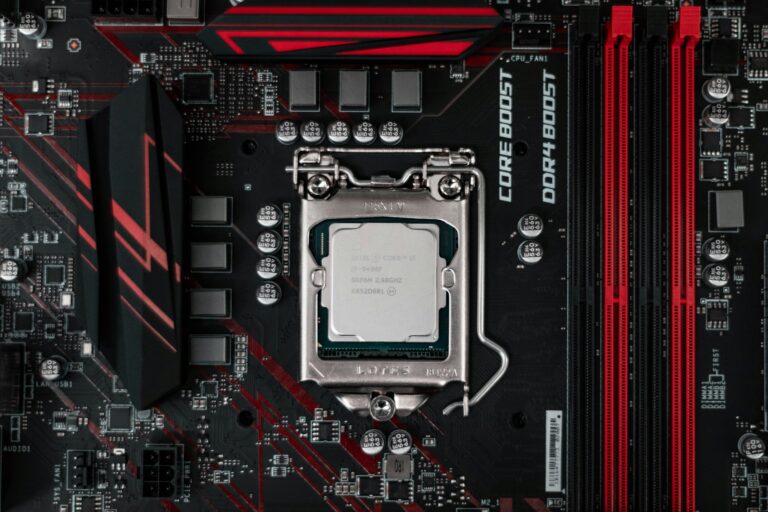
Intel Partners with Apple for Chip Production

- Government Investment Boost: The U.S. government announced an $8.9 billion investment in Intel on August 22, 2025, which catalyzed a stock rally of approximately 440%, reflecting market confidence in Intel's recovery.
- Apple Partnership Outlook: Intel has secured a deal with Apple to design and manufacture chips in the U.S., a significant development that could open new market opportunities for Intel, especially as nearly all of Apple's chip supply currently comes from TSMC.
- Valuation Caution: Intel's stock trades at a forward P/E of 123 and an 87 P/E based on 2027 earnings projections, indicating that substantial growth expectations are already priced in, warranting caution from investors.
- Competitive Landscape Shift: As Apple seeks to diversify its supply chain, Intel has the opportunity to enter the AI chip market, which could significantly enhance its market position and profitability if successful.
See More

A $10 Trillion Company on the Horizon


- Trillion-Dollar Company Prediction: Hedge fund manager Philippe Laffont forecasts that with global economic growth reaching $200 trillion in the next 15 years, a company capturing 5% of market cap could be valued at $10 trillion, highlighting significant market potential.
- Emerging Company Opportunities: Laffont suggests that the future trillion-dollar company could be either an established giant or a newcomer, emphasizing that the ongoing reshuffle in the market may create new investment opportunities, particularly in AI and technology sectors.
- GPU Market Competition: Despite fierce competition in the GPU market, Laffont notes that Nvidia's forward P/E ratio of 19.66 indicates it is relatively cheap, which may attract investor interest and reflects confidence in its future growth prospects.
- AI Infrastructure Investment: Analyst Paul Meeks highlights that AI infrastructure spending is expected to continue until 2028, stressing the importance of investing in upstream hardware supply chains, which could provide long-term returns for investors.
See More

S&P 500 Overvaluation and AI Stock Opportunities

- Market Overvaluation Risk: The S&P 500's cyclically adjusted price-to-earnings (CAPE) ratio stands at 41, the highest since the 1999-2000 dot-com bubble, indicating potential overvaluation risks that necessitate cautious evaluation of high-growth stocks by investors.
- Micron Technology's Stellar Performance: Micron Technology (MU) has surged 297% year-to-date and 831% over the past 12 months, with a trailing P/E of 53 but a forward P/E of just 10, reflecting strong demand in AI data centers and significant future growth potential as AI infrastructure expands.
- Western Digital's Strong Growth: Western Digital (WDC) has risen 333% year-to-date, with projected revenue growth of 35% in 2026 and 38% in 2027, as its hard disk drives are sold out until 2026, showcasing its strong pricing power and profitability in the AI storage market.
- TSMC's Market Dominance: Taiwan Semiconductor Manufacturing (TSM) holds approximately 90% of the advanced and AI chip market share, and while it has only increased 54% year-to-date, its forward P/E ratio of 29 indicates it remains a strong buy opportunity due to its dominant market position and technological advantages.
See More
Micron Technology Stock Soars 831% Amid AI Boom
- Micron's Stellar Performance: Micron Technology's stock has surged 831% over the past year and 297% year-to-date, with a trailing P/E of 53 and a forward P/E of just 10, indicating it remains a value investment amid soaring AI infrastructure demand.
- Western Digital's Strong Growth: Western Digital's stock has skyrocketed over 1,160% in the past 12 months and 333% year-to-date, with projected revenue growth of 35% in 2026 and 38% in 2027, as its hard disk drives are sold out until 2026, providing significant pricing power.
- TSMC's Market Dominance: Taiwan Semiconductor's stock has increased 116% over the past year, holding a dominant 90% market share in AI chips, with a forward P/E of 29, reflecting its strong competitive position and reasonable valuation in the industry.
- Caution for Investors: Despite high valuations in tech and AI stocks, investors should carefully consider various valuation metrics like the P/E ratio to avoid hasty investments in high-growth stocks, especially in the current market environment.
See More
Nvidia Backs Three Strong Investment Picks
- Intel's Recovery Potential: After receiving investments from Nvidia and the U.S. government, Intel is gradually regaining its market position, with a significant deal to produce chips for Apple, which could enhance its competitive edge in the semiconductor industry.
- CoreWeave's Rapid Growth: CoreWeave achieved a remarkable 112% revenue growth in its AI cloud computing platform, with expectations of 147% growth this year, and despite currently being unprofitable, its backlog of nearly $100 billion indicates strong market demand.
- Nebius's Astonishing Growth: Nebius reported a staggering 684% revenue increase in Q1, with projections of 550% growth by 2026, highlighting its immense potential in the AI cloud computing space, further bolstered by Nvidia's investment.
- Nvidia's Investment Confidence: As a major client of Nvidia, the success of CoreWeave and Nebius not only reflects the booming AI market but also underscores Nvidia's strategic foresight in selecting investment targets, potentially yielding substantial returns for investors.
See More
Intel Secures Major Deal with Apple, Boosting Growth Prospects
- Intel Client Expansion: Intel has secured a deal to produce chips for Apple, marking its first major client acquisition after losing its dominant market position, which could help restore its competitive edge and attract further investments.
- CoreWeave's Rapid Growth: CoreWeave's cloud computing platform achieved a remarkable 112% revenue growth in Q1, with projections of 147% growth for 2023, indicating strong demand in the AI sector, although it remains unprofitable, its future potential is significant.
- Nebius's Astonishing Growth: Nebius reported a staggering 684% revenue increase in Q1, with expectations of 550% growth by 2026, showcasing its robust performance in the AI cloud computing market, bolstered by Nvidia's investment, enhancing its competitive position.
- Nvidia's Investment Confidence: Nvidia's investments in Intel, CoreWeave, and Nebius signal strong confidence in these companies, particularly against the backdrop of surging demand for AI computing resources, providing a compelling investment signal for investors.
See More
Intel Partners with Apple for Chip Production
- Government Investment Boost: The U.S. government announced an $8.9 billion investment in Intel on August 22, 2025, which catalyzed a stock rally of approximately 440%, reflecting market confidence in Intel's recovery.
- Apple Partnership Outlook: Intel has secured a deal with Apple to design and manufacture chips in the U.S., a significant development that could open new market opportunities for Intel, especially as nearly all of Apple's chip supply currently comes from TSMC.
- Valuation Caution: Intel's stock trades at a forward P/E of 123 and an 87 P/E based on 2027 earnings projections, indicating that substantial growth expectations are already priced in, warranting caution from investors.
- Competitive Landscape Shift: As Apple seeks to diversify its supply chain, Intel has the opportunity to enter the AI chip market, which could significantly enhance its market position and profitability if successful.
See More
A $10 Trillion Company on the Horizon
- Trillion-Dollar Company Prediction: Hedge fund manager Philippe Laffont forecasts that with global economic growth reaching $200 trillion in the next 15 years, a company capturing 5% of market cap could be valued at $10 trillion, highlighting significant market potential.
- Emerging Company Opportunities: Laffont suggests that the future trillion-dollar company could be either an established giant or a newcomer, emphasizing that the ongoing reshuffle in the market may create new investment opportunities, particularly in AI and technology sectors.
- GPU Market Competition: Despite fierce competition in the GPU market, Laffont notes that Nvidia's forward P/E ratio of 19.66 indicates it is relatively cheap, which may attract investor interest and reflects confidence in its future growth prospects.
- AI Infrastructure Investment: Analyst Paul Meeks highlights that AI infrastructure spending is expected to continue until 2028, stressing the importance of investing in upstream hardware supply chains, which could provide long-term returns for investors.
See More
S&P 500 Overvaluation and AI Stock Opportunities
- Market Overvaluation Risk: The S&P 500's cyclically adjusted price-to-earnings (CAPE) ratio stands at 41, the highest since the 1999-2000 dot-com bubble, indicating potential overvaluation risks that necessitate cautious evaluation of high-growth stocks by investors.
- Micron Technology's Stellar Performance: Micron Technology (MU) has surged 297% year-to-date and 831% over the past 12 months, with a trailing P/E of 53 but a forward P/E of just 10, reflecting strong demand in AI data centers and significant future growth potential as AI infrastructure expands.
- Western Digital's Strong Growth: Western Digital (WDC) has risen 333% year-to-date, with projected revenue growth of 35% in 2026 and 38% in 2027, as its hard disk drives are sold out until 2026, showcasing its strong pricing power and profitability in the AI storage market.
- TSMC's Market Dominance: Taiwan Semiconductor Manufacturing (TSM) holds approximately 90% of the advanced and AI chip market share, and while it has only increased 54% year-to-date, its forward P/E ratio of 29 indicates it remains a strong buy opportunity due to its dominant market position and technological advantages.
See More
Micron Technology Stock Soars 831% Amid AI Boom
- Micron's Stellar Performance: Micron Technology's stock has surged 831% over the past year and 297% year-to-date, with a trailing P/E of 53 and a forward P/E of just 10, indicating it remains a value investment amid soaring AI infrastructure demand.
- Western Digital's Strong Growth: Western Digital's stock has skyrocketed over 1,160% in the past 12 months and 333% year-to-date, with projected revenue growth of 35% in 2026 and 38% in 2027, as its hard disk drives are sold out until 2026, providing significant pricing power.
- TSMC's Market Dominance: Taiwan Semiconductor's stock has increased 116% over the past year, holding a dominant 90% market share in AI chips, with a forward P/E of 29, reflecting its strong competitive position and reasonable valuation in the industry.
- Caution for Investors: Despite high valuations in tech and AI stocks, investors should carefully consider various valuation metrics like the P/E ratio to avoid hasty investments in high-growth stocks, especially in the current market environment.
See More