Taiwan Semiconductor: A Prime Investment in AI Sector
Written by Emily J. Thompson, Senior Investment Analyst
Updated: 56 minutes ago
0mins
Should l Buy TSM?
Source: Fool
- AI Growth Forecast: TSMC's fourth-quarter conference revealed an expected compound annual growth rate of mid to high 50% for its AI business from 2024 to 2029, highlighting its robust growth potential and solidifying its market leadership.
- Significant Revenue Growth: The company reported a 41% year-over-year revenue growth and revised its 2026 total revenue growth forecast to exceed 30%, reflecting strong demand for its chips and boosting investor confidence.
- Industry Influence: As the primary logic chip manufacturer, TSMC's rapid growth is likely to positively impact other AI companies, with strong earnings expected from Nvidia and Broadcom in the first quarter, further driving industry development.
- Investment Value: Although TSMC's forward P/E ratio stands at 25, its industry dominance, substantial growth potential, and strong execution track record make this price worthwhile, positioning it as a suitable long-term investment.
Trade with 70% Backtested Accuracy
Stop guessing "Should I Buy TSM?" and start using high-conviction signals backed by rigorous historical data.
Sign up today to access powerful investing tools and make smarter, data-driven decisions.
Analyst Views on TSM
Wall Street analysts forecast TSM stock price to fall
8 Analyst Rating
7 Buy
1 Hold
0 Sell
Strong Buy
Current: 404.980

Low
63.24
Averages
313.46
High
390.00
Current: 404.980
Low
63.24
Averages
313.46
High
390.00
About TSM
Taiwan Semiconductor Manufacturing Co Ltd is a Taiwan-based integrated circuit foundry service provider. The Company is primarily engaged in integrated circuit manufacturing services. It offers advanced process technologies, specialised process solutions, advanced photomask and silicon stacking, and packaging-related technologies, while supporting a comprehensive design ecosystem. The Company's products serve diverse electronic sectors including artificial intelligence, high-performance computing, wired and wireless communications, automotive and industrial equipment, personal computing, information applications, consumer electronics, smart internet of things, and wearable devices.
About the author

Emily J. Thompson
Emily J. Thompson, a Chartered Financial Analyst (CFA) with 12 years in investment research, graduated with honors from the Wharton School. Specializing in industrial and technology stocks, she provides in-depth analysis for Intellectia’s earnings and market brief reports.
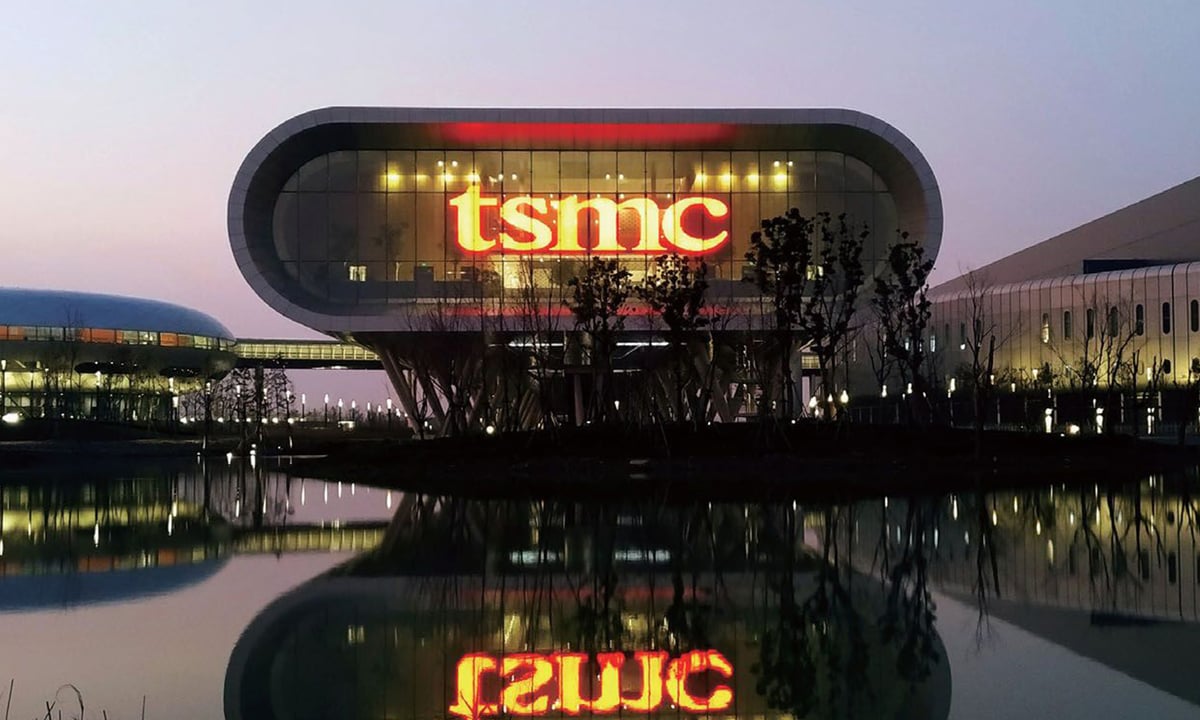
Taiwan Semiconductor: A Prime Investment in AI Sector

- AI Growth Forecast: TSMC's fourth-quarter conference revealed an expected compound annual growth rate of mid to high 50% for its AI business from 2024 to 2029, highlighting its robust growth potential and solidifying its market leadership.
- Significant Revenue Growth: The company reported a 41% year-over-year revenue growth and revised its 2026 total revenue growth forecast to exceed 30%, reflecting strong demand for its chips and boosting investor confidence.
- Industry Influence: As the primary logic chip manufacturer, TSMC's rapid growth is likely to positively impact other AI companies, with strong earnings expected from Nvidia and Broadcom in the first quarter, further driving industry development.
- Investment Value: Although TSMC's forward P/E ratio stands at 25, its industry dominance, substantial growth potential, and strong execution track record make this price worthwhile, positioning it as a suitable long-term investment.
See More

Semiconductor Industry Faces Helium Supply Crisis

- Supply Chain Vulnerability: The semiconductor industry, having reduced reliance on single-fabricator risks post-COVID chip shortages, remains heavily dependent on Qatar for 30% of global helium supply, a vulnerability exposed by the Strait of Hormuz crisis.
- Helium Production Disruption: Qatar's Ras Laffan facility, the largest helium production site, has been largely offline since March 2026 due to Iranian attacks and a blockade, causing helium production to halt alongside LNG, exacerbating supply chain issues.
- Limitations of Responses: While the industry is implementing helium recycling, tool redesign, and supply diversification, these measures have limited effectiveness; helium used for leak detection is unrecoverable, and new helium projects will take years to yield significant production.
- Investor Focus: Linde, as the largest industrial gas supplier, stands to benefit from rising helium prices and demand for recycling systems, while TSMC's multi-year supply contracts provide a buffer, though production constraints at Samsung and SK Hynix could impact Nvidia's shipping capabilities.
See More

Helium Shortage Exposes Vulnerabilities in Semiconductor Supply Chains
- Supply Chain Dependency: The semiconductor industry relies on Qatar for approximately 30% of global helium supply, and the ongoing Strait of Hormuz crisis has largely halted helium production in Qatar, exposing the industry to significant production risks.
- Production Disruption Impact: Qatar's Ras Laffan facility has been offline since March 2026, directly affecting the production of high-bandwidth memory chips, particularly for Samsung and SK Hynix, which are crucial for Nvidia's Blackwell GPUs.
- Limitations of Responses: While helium recycling, tool redesign, and supply diversification efforts are underway, these measures do not provide a short-term solution to helium dependence, and new helium projects will take years to yield meaningful production.
- Market Opportunities: Linde, as the world's largest industrial gas company, stands to benefit from rising helium prices and increased demand for recycling systems, highlighting the strengthened market position of industrial gas infrastructure providers amid supply chain crises.
See More

Analysis of SMH ETF's 52-Week Price Range

- Price Range Analysis: The SMH ETF has a 52-week low of $203.89 and a high of $510.10, with the last trade at $490.97, indicating stability and investor confidence in a high-volatility market.
- Technical Analysis Tool: Comparing the current share price to the 200-day moving average allows investors to better assess market trends for the SMH ETF, enabling more informed investment decisions.
- ETF Unit Trading Mechanism: ETFs trade like stocks, where investors buy and sell 'units', providing flexibility that makes ETFs an effective tool for diversifying investment portfolios.
- Liquidity Monitoring: Weekly monitoring of changes in shares outstanding for ETFs highlights significant inflows or outflows, which not only affect the overall performance of the ETF but can also have a substantial impact on the individual stocks held within it.
See More

Palantir's Q1 Earnings Outlook: Key Insights

- Strong Earnings Expectations: Palantir is expected to report $1.54 billion in sales for Q1, a 74% increase year-over-year, with an EPS of $0.28, more than double its earnings from Q1 2025, highlighting robust growth potential driven by its AI-powered SaaS platform, Gotham.
- Consistent Outperformance: The company has surpassed analysts' EPS estimates for ten consecutive quarters and has been raising its full-year sales forecast nearly every quarter, indicating strong competitive positioning and growth confidence in the market.
- Significant Valuation Pressure: Despite strong growth, Palantir's price-to-sales ratio exceeding 100 raises concerns about sustainability, as historical data suggests that companies with P/S ratios above 30 often face valuation bubble risks, making investors wary of future performance.
- Market Volatility Anticipation: Historically, Palantir's stock has fluctuated by as much as 12% following earnings reports, and with the upcoming report on May 5, investors should brace for significant market reactions, indicating potential volatility ahead.
See More

Taiwan Semiconductor and Broadcom as Potential New AI Giants

- TSMC's Growth Potential: Taiwan Semiconductor expects a compound annual growth rate of 25% from 2024 to 2029, significantly outpacing Apple's growth, highlighting its critical role and competitiveness in the AI market.
- Broadcom's Market Position: As a design partner for custom AI chips, Broadcom anticipates 63% growth in fiscal year 2026 and 52% in fiscal year 2027, showcasing its strong prospects in the rapidly evolving AI sector.
- Apple's AI Disadvantage: Despite Apple's strong quarterly performance, its lack of innovation in AI and reliance on third-party technologies render it unsuitable for inclusion in the AI-centric
See More
Taiwan Semiconductor: A Prime Investment in AI Sector
- AI Growth Forecast: TSMC's fourth-quarter conference revealed an expected compound annual growth rate of mid to high 50% for its AI business from 2024 to 2029, highlighting its robust growth potential and solidifying its market leadership.
- Significant Revenue Growth: The company reported a 41% year-over-year revenue growth and revised its 2026 total revenue growth forecast to exceed 30%, reflecting strong demand for its chips and boosting investor confidence.
- Industry Influence: As the primary logic chip manufacturer, TSMC's rapid growth is likely to positively impact other AI companies, with strong earnings expected from Nvidia and Broadcom in the first quarter, further driving industry development.
- Investment Value: Although TSMC's forward P/E ratio stands at 25, its industry dominance, substantial growth potential, and strong execution track record make this price worthwhile, positioning it as a suitable long-term investment.
See More
Semiconductor Industry Faces Helium Supply Crisis
- Supply Chain Vulnerability: The semiconductor industry, having reduced reliance on single-fabricator risks post-COVID chip shortages, remains heavily dependent on Qatar for 30% of global helium supply, a vulnerability exposed by the Strait of Hormuz crisis.
- Helium Production Disruption: Qatar's Ras Laffan facility, the largest helium production site, has been largely offline since March 2026 due to Iranian attacks and a blockade, causing helium production to halt alongside LNG, exacerbating supply chain issues.
- Limitations of Responses: While the industry is implementing helium recycling, tool redesign, and supply diversification, these measures have limited effectiveness; helium used for leak detection is unrecoverable, and new helium projects will take years to yield significant production.
- Investor Focus: Linde, as the largest industrial gas supplier, stands to benefit from rising helium prices and demand for recycling systems, while TSMC's multi-year supply contracts provide a buffer, though production constraints at Samsung and SK Hynix could impact Nvidia's shipping capabilities.
See More
Helium Shortage Exposes Vulnerabilities in Semiconductor Supply Chains
- Supply Chain Dependency: The semiconductor industry relies on Qatar for approximately 30% of global helium supply, and the ongoing Strait of Hormuz crisis has largely halted helium production in Qatar, exposing the industry to significant production risks.
- Production Disruption Impact: Qatar's Ras Laffan facility has been offline since March 2026, directly affecting the production of high-bandwidth memory chips, particularly for Samsung and SK Hynix, which are crucial for Nvidia's Blackwell GPUs.
- Limitations of Responses: While helium recycling, tool redesign, and supply diversification efforts are underway, these measures do not provide a short-term solution to helium dependence, and new helium projects will take years to yield meaningful production.
- Market Opportunities: Linde, as the world's largest industrial gas company, stands to benefit from rising helium prices and increased demand for recycling systems, highlighting the strengthened market position of industrial gas infrastructure providers amid supply chain crises.
See More
Analysis of SMH ETF's 52-Week Price Range
- Price Range Analysis: The SMH ETF has a 52-week low of $203.89 and a high of $510.10, with the last trade at $490.97, indicating stability and investor confidence in a high-volatility market.
- Technical Analysis Tool: Comparing the current share price to the 200-day moving average allows investors to better assess market trends for the SMH ETF, enabling more informed investment decisions.
- ETF Unit Trading Mechanism: ETFs trade like stocks, where investors buy and sell 'units', providing flexibility that makes ETFs an effective tool for diversifying investment portfolios.
- Liquidity Monitoring: Weekly monitoring of changes in shares outstanding for ETFs highlights significant inflows or outflows, which not only affect the overall performance of the ETF but can also have a substantial impact on the individual stocks held within it.
See More
Palantir's Q1 Earnings Outlook: Key Insights
- Strong Earnings Expectations: Palantir is expected to report $1.54 billion in sales for Q1, a 74% increase year-over-year, with an EPS of $0.28, more than double its earnings from Q1 2025, highlighting robust growth potential driven by its AI-powered SaaS platform, Gotham.
- Consistent Outperformance: The company has surpassed analysts' EPS estimates for ten consecutive quarters and has been raising its full-year sales forecast nearly every quarter, indicating strong competitive positioning and growth confidence in the market.
- Significant Valuation Pressure: Despite strong growth, Palantir's price-to-sales ratio exceeding 100 raises concerns about sustainability, as historical data suggests that companies with P/S ratios above 30 often face valuation bubble risks, making investors wary of future performance.
- Market Volatility Anticipation: Historically, Palantir's stock has fluctuated by as much as 12% following earnings reports, and with the upcoming report on May 5, investors should brace for significant market reactions, indicating potential volatility ahead.
See More
Taiwan Semiconductor and Broadcom as Potential New AI Giants
- TSMC's Growth Potential: Taiwan Semiconductor expects a compound annual growth rate of 25% from 2024 to 2029, significantly outpacing Apple's growth, highlighting its critical role and competitiveness in the AI market.
- Broadcom's Market Position: As a design partner for custom AI chips, Broadcom anticipates 63% growth in fiscal year 2026 and 52% in fiscal year 2027, showcasing its strong prospects in the rapidly evolving AI sector.
- Apple's AI Disadvantage: Despite Apple's strong quarterly performance, its lack of innovation in AI and reliance on third-party technologies render it unsuitable for inclusion in the AI-centric
See More