Surge in Options Trading Volume for Uber and Fiserv
Written by Emily J. Thompson, Senior Investment Analyst
Updated: 3 days ago
0mins


Should l Buy GS?
Source: NASDAQ.COM
- Uber Options Volume: Uber Technologies Inc saw options trading volume of 133,355 contracts, equivalent to approximately 13.3 million shares, representing 68.5% of its average daily trading volume over the past month, indicating strong market interest in its future performance.
- High-Frequency Trading Insight: Within Uber, the $65 strike put option was particularly active, with 21,303 contracts traded today, representing about 2.1 million shares, reflecting investor expectations of potential price declines.
- Fiserv Options Dynamics: Similarly, Fiserv Inc experienced a significant increase in options trading volume, reaching 43,651 contracts, or approximately 4.4 million shares, accounting for 60.1% of its average daily trading volume over the past month, showcasing strong market interest in its stock.
- Put Option Trends: For Fiserv, the $50 strike put option saw a trading volume of 35,928 contracts, representing around 3.6 million shares, indicating a cautious outlook from investors regarding its future performance, which may impact its stock price trajectory.
Trade with 70% Backtested Accuracy
Stop guessing "Should I Buy GS?" and start using high-conviction signals backed by rigorous historical data.
Sign up today to access powerful investing tools and make smarter, data-driven decisions.
Analyst Views on GS
Wall Street analysts forecast GS stock price to rise
12 Analyst Rating
5 Buy
7 Hold
0 Sell
Moderate Buy
Current: 809.500

Low
604.00
Averages
951.45
High
1100
Current: 809.500
Low
604.00
Averages
951.45
High
1100
About GS
The Goldman Sachs Group, Inc. is a global financial institution that delivers a range of financial services to a large and diversified client base that includes corporations, financial institutions, governments and individuals. Its segments include Global Banking & Markets, Asset & Wealth Management and Platform Solutions. The Global Banking & Markets segment offers a range of services, including financing, advisory services, risk distribution, and hedging for its institutional and corporate clients. It facilitates client transactions and makes markets in fixed income, equity, currency and commodity products. The Asset & Wealth Management segment manages assets and offers investment products across all asset classes to a diverse set of clients. It also provides investing and wealth advisory solutions. The Platform Solutions segment includes consumer platforms, such as partnerships offering credit cards and point-of-sale financing, and transaction banking and other platform businesses.
About the author

Emily J. Thompson
Emily J. Thompson, a Chartered Financial Analyst (CFA) with 12 years in investment research, graduated with honors from the Wharton School. Specializing in industrial and technology stocks, she provides in-depth analysis for Intellectia’s earnings and market brief reports.

GeoWealth Secures $42.5 Million Investment from Goldman Sachs

- Funding Expansion: GeoWealth has secured a $42.5 million minority investment from Goldman Sachs in its 2025 Series C financing round, aimed at supporting growth and providing liquidity to shareholders, reflecting the company's financial robustness and market appeal.
- Ownership Structure: Despite Goldman Sachs becoming a new investor, the majority ownership of GeoWealth remains with family office Globe Resources Group, ensuring strategic independence while attracting notable institutions like Apollo and BlackRock.
- Technology Investment: CEO Colin Falls indicated that the investment will be directed towards further developing Unified Managed Account (UMA) technology, particularly enhancing the integration of alternative investments, showcasing the company's proactive approach to technological innovation and market demand shifts.
- Board Changes: Bryon Lake from Goldman Sachs Asset Management will join GeoWealth's board, further deepening the collaboration between the two firms, which is expected to enhance GeoWealth's ability to provide competitive solutions for high-net-worth clients in a complex investment landscape.
See More

Risk Management and AI Disruption in Financial Services Market Talks
- Risk Management Insights: The latest market talks focus on risk management strategies within the financial services sector, emphasizing the need for companies to enhance risk identification and response capabilities to ensure business continuity and stability in an increasingly uncertain environment.
- AI Technology Impact: Discussions highlight the disruptive role of artificial intelligence in financial services, noting that AI not only enhances data analysis capabilities but also significantly improves efficiency in customer service and compliance, driving industry transformation.
- Industry Response Strategies: Experts recommend that financial institutions actively adopt new technologies, particularly AI and big data, to strengthen competitiveness and respond to market changes, ensuring they maintain a leading position in the rapidly evolving financial landscape.
- Future Outlook: The talks indicate that the future of the financial services industry will increasingly rely on technological innovation, with companies needing to continuously adjust their strategies to adapt to the new challenges and opportunities presented by AI, ensuring sustainable growth.
See More

Market Continues Decline, Energy Sector Shows Strength


- Market Weakness: The S&P 500 is on track for its fourth consecutive week of losses, pulling back approximately 6% from its closing high on January 27 and down over 4% year-to-date, indicating a decline in market confidence and investor sentiment.
- Energy Sector Strength: Despite the overall market downturn, the energy sector gained about 4% this week, extending its year-to-date increase to 33%, highlighting the sector's resilience and growth potential amid inflationary pressures.
- Rising Bond Yields: The yield on the 10-Year Treasury surged roughly 10 basis points to 4.38%, marking its highest level since last July, as expectations for interest rate hikes before the year's end intensify, potentially exerting further pressure on the stock market.
- Optimistic Outlook for Honeywell: Although Honeywell's stock declined this week with the CEO indicating first-quarter revenue will be light, the company maintains a positive full-year guidance and plans to host an investor day for its aerospace division in June, which is expected to boost stock performance as the spin-off date approaches.
See More

Analysis of New U.S. Bank Capital Requirement Proposals
- Capital Requirement Reduction: The new proposals from U.S. banking regulators are expected to lower common equity tier 1 requirements by approximately 4.8% for large banks, which could free up more lending capacity or increase shareholder returns, enhancing banks' capital flexibility.
- Risk Weight Adjustments: The new rules will reduce the risk weight for residential mortgages from 50% to around 35%, benefiting banks like Citizens Financial Group and strengthening their position in a competitive market.
- G-SIB Surcharge Recalibration: The recalibration of the G-SIB surcharge is expected to significantly release capital for large banks, with JPMorgan Chase, Bank of America, and Goldman Sachs poised to benefit, further driving loan growth and stock buybacks.
- Positive Market Reaction: The KBW Nasdaq Bank Index rose by 0.4%, indicating a positive market response to the new proposals, particularly as the stock prices of major banks like JPMorgan Chase and Goldman Sachs increased, reflecting investor confidence in future profitability.
See More
Goldman Sachs CEO: Dealmaking Changes to Boost Return Targets
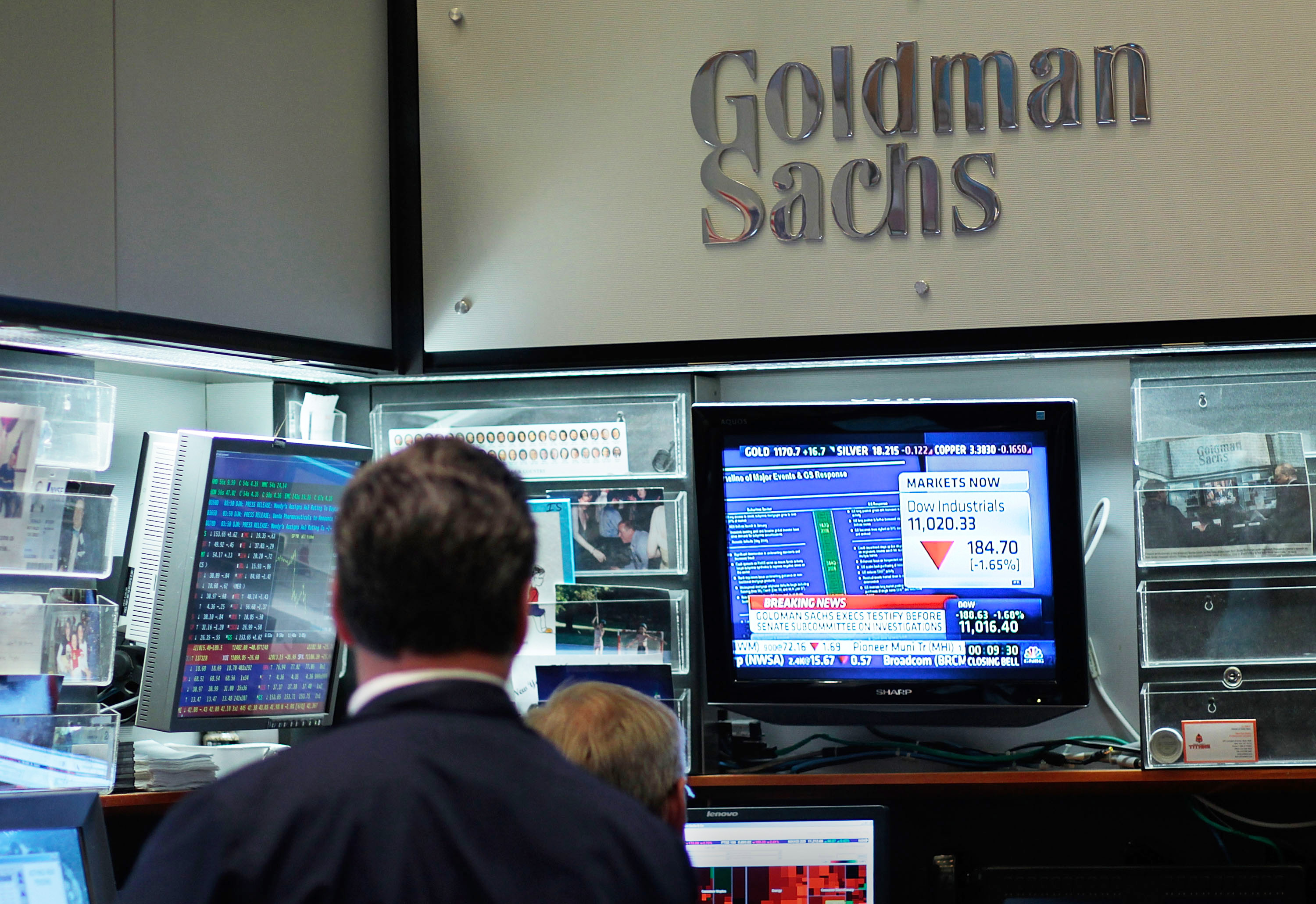
- Changing Dealmaking Environment: Goldman Sachs CEO David Solomon highlighted that the shift in the regulatory landscape has increased confidence among boards and CEOs to pursue strategic transactions, which is expected to drive company performance growth.
- Wealth Management Growth: The bank aims to achieve return targets of 17% to 19% for its asset and wealth management business over the next three to five years, actively seeking growth opportunities to enhance market share in this division.
- Market Volatility Impact: Solomon noted that while growth may not be linear due to geopolitical tensions and the impact of AI causing market volatility, the company remains confident in achieving its mid-term return targets.
- Confidence in Strategic Execution: Goldman Sachs emphasized in its shareholder letter that it expects to exceed return targets in the near term, reflecting strong confidence in future business development, particularly against the backdrop of increased deal activity.
See More

Goldman Sachs Warns Brent Oil Prices May Surge

- Price Forecast: Goldman Sachs analysts warn that Brent oil prices could exceed the 2008 record high of $147.50 per barrel if crude flows remain depressed due to the U.S.-Iran conflict, with a potential increase of $42 by the end of 2027, indicating the market's heightened sensitivity to supply disruptions.
- Liquidity Risks: Analysts suggest that if oil flows through the Strait of Hormuz remain low for 60 days and Middle Eastern production drops by 2 million barrels per day for an extended period after the Strait reopens, Brent prices could surge to this level, reflecting the profound impact of geopolitical tensions on the market.
- Recent Price Volatility: Brent was trading around $108 per barrel on Friday, having surged approximately 49% since the onset of the war, highlighting the market's rapid response to supply risks, especially following recent attacks on energy infrastructure by Israel and Iran.
- Long-term Outlook: While Goldman expects Brent prices to moderate to the $70s by the end of 2026, historical data shows that oil production has averaged a 42% drop after the five largest supply shocks, indicating that the market may face prolonged high oil price risks.
See More
GeoWealth Secures $42.5 Million Investment from Goldman Sachs
- Funding Expansion: GeoWealth has secured a $42.5 million minority investment from Goldman Sachs in its 2025 Series C financing round, aimed at supporting growth and providing liquidity to shareholders, reflecting the company's financial robustness and market appeal.
- Ownership Structure: Despite Goldman Sachs becoming a new investor, the majority ownership of GeoWealth remains with family office Globe Resources Group, ensuring strategic independence while attracting notable institutions like Apollo and BlackRock.
- Technology Investment: CEO Colin Falls indicated that the investment will be directed towards further developing Unified Managed Account (UMA) technology, particularly enhancing the integration of alternative investments, showcasing the company's proactive approach to technological innovation and market demand shifts.
- Board Changes: Bryon Lake from Goldman Sachs Asset Management will join GeoWealth's board, further deepening the collaboration between the two firms, which is expected to enhance GeoWealth's ability to provide competitive solutions for high-net-worth clients in a complex investment landscape.
See More
Risk Management and AI Disruption in Financial Services Market Talks
- Risk Management Insights: The latest market talks focus on risk management strategies within the financial services sector, emphasizing the need for companies to enhance risk identification and response capabilities to ensure business continuity and stability in an increasingly uncertain environment.
- AI Technology Impact: Discussions highlight the disruptive role of artificial intelligence in financial services, noting that AI not only enhances data analysis capabilities but also significantly improves efficiency in customer service and compliance, driving industry transformation.
- Industry Response Strategies: Experts recommend that financial institutions actively adopt new technologies, particularly AI and big data, to strengthen competitiveness and respond to market changes, ensuring they maintain a leading position in the rapidly evolving financial landscape.
- Future Outlook: The talks indicate that the future of the financial services industry will increasingly rely on technological innovation, with companies needing to continuously adjust their strategies to adapt to the new challenges and opportunities presented by AI, ensuring sustainable growth.
See More
Market Continues Decline, Energy Sector Shows Strength
- Market Weakness: The S&P 500 is on track for its fourth consecutive week of losses, pulling back approximately 6% from its closing high on January 27 and down over 4% year-to-date, indicating a decline in market confidence and investor sentiment.
- Energy Sector Strength: Despite the overall market downturn, the energy sector gained about 4% this week, extending its year-to-date increase to 33%, highlighting the sector's resilience and growth potential amid inflationary pressures.
- Rising Bond Yields: The yield on the 10-Year Treasury surged roughly 10 basis points to 4.38%, marking its highest level since last July, as expectations for interest rate hikes before the year's end intensify, potentially exerting further pressure on the stock market.
- Optimistic Outlook for Honeywell: Although Honeywell's stock declined this week with the CEO indicating first-quarter revenue will be light, the company maintains a positive full-year guidance and plans to host an investor day for its aerospace division in June, which is expected to boost stock performance as the spin-off date approaches.
See More
Analysis of New U.S. Bank Capital Requirement Proposals
- Capital Requirement Reduction: The new proposals from U.S. banking regulators are expected to lower common equity tier 1 requirements by approximately 4.8% for large banks, which could free up more lending capacity or increase shareholder returns, enhancing banks' capital flexibility.
- Risk Weight Adjustments: The new rules will reduce the risk weight for residential mortgages from 50% to around 35%, benefiting banks like Citizens Financial Group and strengthening their position in a competitive market.
- G-SIB Surcharge Recalibration: The recalibration of the G-SIB surcharge is expected to significantly release capital for large banks, with JPMorgan Chase, Bank of America, and Goldman Sachs poised to benefit, further driving loan growth and stock buybacks.
- Positive Market Reaction: The KBW Nasdaq Bank Index rose by 0.4%, indicating a positive market response to the new proposals, particularly as the stock prices of major banks like JPMorgan Chase and Goldman Sachs increased, reflecting investor confidence in future profitability.
See More
Goldman Sachs CEO: Dealmaking Changes to Boost Return Targets
- Changing Dealmaking Environment: Goldman Sachs CEO David Solomon highlighted that the shift in the regulatory landscape has increased confidence among boards and CEOs to pursue strategic transactions, which is expected to drive company performance growth.
- Wealth Management Growth: The bank aims to achieve return targets of 17% to 19% for its asset and wealth management business over the next three to five years, actively seeking growth opportunities to enhance market share in this division.
- Market Volatility Impact: Solomon noted that while growth may not be linear due to geopolitical tensions and the impact of AI causing market volatility, the company remains confident in achieving its mid-term return targets.
- Confidence in Strategic Execution: Goldman Sachs emphasized in its shareholder letter that it expects to exceed return targets in the near term, reflecting strong confidence in future business development, particularly against the backdrop of increased deal activity.
See More
Goldman Sachs Warns Brent Oil Prices May Surge
- Price Forecast: Goldman Sachs analysts warn that Brent oil prices could exceed the 2008 record high of $147.50 per barrel if crude flows remain depressed due to the U.S.-Iran conflict, with a potential increase of $42 by the end of 2027, indicating the market's heightened sensitivity to supply disruptions.
- Liquidity Risks: Analysts suggest that if oil flows through the Strait of Hormuz remain low for 60 days and Middle Eastern production drops by 2 million barrels per day for an extended period after the Strait reopens, Brent prices could surge to this level, reflecting the profound impact of geopolitical tensions on the market.
- Recent Price Volatility: Brent was trading around $108 per barrel on Friday, having surged approximately 49% since the onset of the war, highlighting the market's rapid response to supply risks, especially following recent attacks on energy infrastructure by Israel and Iran.
- Long-term Outlook: While Goldman expects Brent prices to moderate to the $70s by the end of 2026, historical data shows that oil production has averaged a 42% drop after the five largest supply shocks, indicating that the market may face prolonged high oil price risks.
See More