Surge in Demand for Service Robotics Amid Global Automation Trends
Written by Emily J. Thompson, Senior Investment Analyst
Updated: 45 minutes ago
0mins

Should l Buy AMZN?
Source: Globenewswire
- Surging Market Demand: The International Federation of Robotics projects that the service robotics market will expand from approximately $31 billion in 2026 to over $131 billion by 2034, indicating sustained double-digit growth driven by increasing automation needs across industries.
- Technological Transformation: Nightfood Holdings, through TechForce Robotics, is focusing on real-world deployments and scalable systems, actively participating in the service robotics industry's transformation while aiming for global expansion through strategic collaborations with industry leaders.
- Accelerated Industry Collaboration: As robotic systems grow more complex, Nightfood Holdings is strengthening its partnerships with technology and manufacturing collaborators, which not only enhances production capacity but also accelerates market deployment, thereby boosting the company's competitive edge.
- Global Market Expansion: Demand for service robotics is rising across new markets in North America, Europe, Asia, and the Middle East, with Nightfood Holdings committed to establishing scalable business models in key regions through infrastructure development and targeted market entry strategies.
Trade with 70% Backtested Accuracy
Stop guessing "Should I Buy AMZN?" and start using high-conviction signals backed by rigorous historical data.
Sign up today to access powerful investing tools and make smarter, data-driven decisions.
Analyst Views on AMZN
Wall Street analysts forecast AMZN stock price to rise
44 Analyst Rating
41 Buy
3 Hold
0 Sell
Strong Buy
Current: 272.050

Low
175.00
Averages
280.01
High
325.00
Current: 272.050
Low
175.00
Averages
280.01
High
325.00
About AMZN
Amazon.com, Inc. provides a range of products and services to customers. The products offered through its stores include merchandise and content it has purchased for resale and products offered by third-party sellers. The Company’s segments include North America, International and Amazon Web Services (AWS). It serves consumers through its online and physical stores and focuses on selection, price, and convenience. Customers access its offerings through its websites, mobile apps, Alexa, devices, streaming, and physically visiting its stores. It also manufactures and sells electronic devices, including Kindle, Fire tablet, Fire TV, Echo, Ring, Blink, and eero, and develops and produces media content. It serves developers and enterprises of all sizes, including start-ups, government agencies, and academic institutions, through AWS, which offers a set of on-demand technology services, including compute, storage, database, analytics, and machine learning, and other services.
About the author

Emily J. Thompson
Emily J. Thompson, a Chartered Financial Analyst (CFA) with 12 years in investment research, graduated with honors from the Wharton School. Specializing in industrial and technology stocks, she provides in-depth analysis for Intellectia’s earnings and market brief reports.
Amazon Accelerates Growth in Key Categories

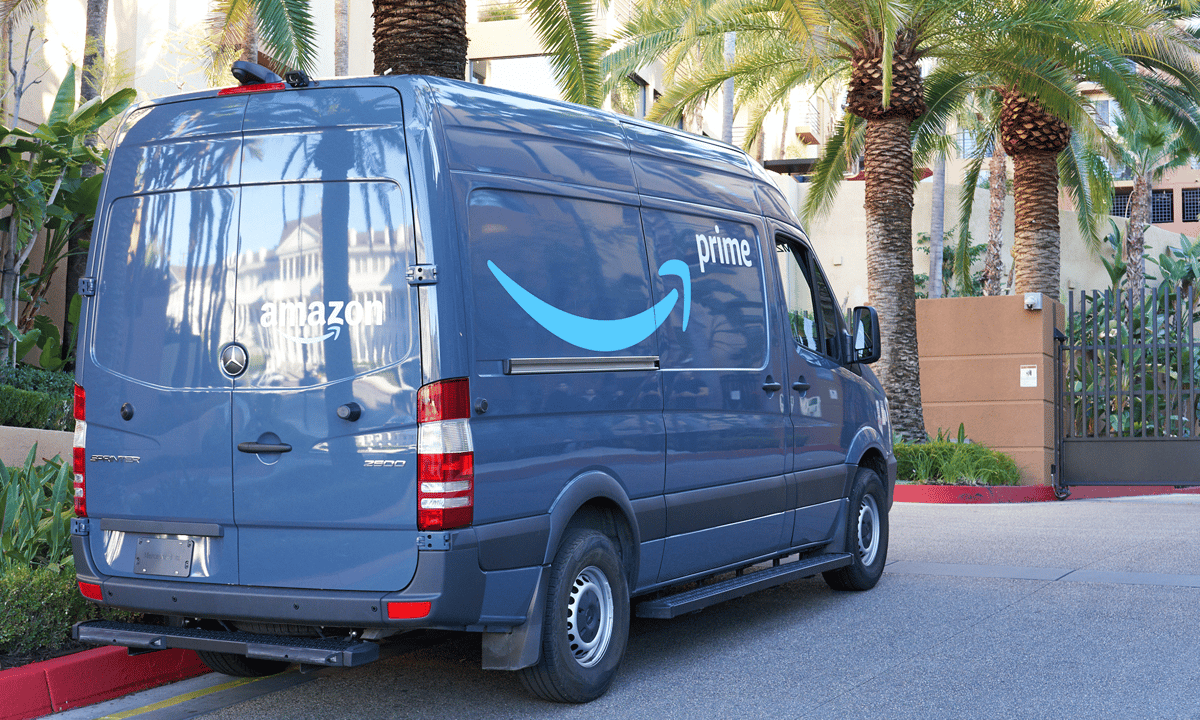
- Key Category Growth: Amazon has achieved accelerated growth in several key categories, indicating a strong recovery in market demand that is expected to further boost the company's overall revenue.
- Stock Performance: As of May 1, 2026, Amazon's stock price rose by 1.36%, reflecting investor optimism about the company's future growth potential, which may attract more investor interest.
- Market Reaction: This growth trend could enhance Amazon's competitiveness in the e-commerce sector, especially in the face of challenges from other retail giants, further solidifying its market leadership.
- Future Outlook: With the continued growth in key categories, Amazon is poised to capture a larger market share in the coming quarters, thereby driving long-term financial health and shareholder value enhancement.
See More

AMAZON TO INVEST OVER EUR 15 BILLION IN FRANCE, GENERATING 7,000+ PERMANENT JOBS
- Investment Announcement: Amazon has announced plans to invest over €15 billion in France.
- Job Creation: This investment is expected to create more than 7,000 permanent jobs in the country.
See More

AWS Enters New Era for Defense Contractors with CMMC Implementation
- CMMC Implementation: AWS is aiding defense contractors in implementing the Cybersecurity Maturity Model Certification 2.0 (CMMC), which is set for full implementation by fiscal year 2028, aiming to enhance cybersecurity standards for businesses working with the U.S. Department of Defense, thereby increasing their market competitiveness.
- Cloud Services Investment: AWS plans a $50 billion investment to expand its artificial intelligence and supercomputing capabilities, expected to add 1.3 GW of compute capacity for U.S. government customers, further solidifying its leadership in the defense cloud services market.
- Major Contract Awarded: In early 2026, AWS secured a $581.3 million contract from the U.S. Air Force to provide cloud services under the Cloud One program, which not only enhances its influence in the defense sector but also paves the way for future contract opportunities.
- AI Capability Collaboration: AWS entered agreements with the Department of Defense as one of eight tech companies to supply AI capabilities, showcasing its technological strength and market potential in the defense sector, which is expected to drive future revenue growth.
See More

Apple Increases R&D Spending, Accelerates AI Strategy


- Significant R&D Increase: Apple's R&D spending reached 10.3% of revenue in Q1 2026, up from 9% a year earlier, indicating a strong commitment to artificial intelligence that is expected to drive future product innovation.
- Strong Sales Growth: In the same quarter, Apple's sales surged by 17%, marking the fastest quarterly growth since 2021, reflecting robust market demand for iPhones and Macs, which further supports the company's investment decisions in AI.
- Accelerated AI Product Development: With CEO Tim Cook preparing to step down, Apple is hastening the development of AI products, including an updated Siri and other AI wearables, demonstrating a sense of urgency and strategic shift in technology innovation.
- Insufficient Capital Expenditure: Despite the increase in R&D spending, Apple lags behind competitors in capital expenditures, spending only $4.3 billion over the past two quarters, significantly less than the hundreds of billions spent by companies like Google and Amazon, which may impact its competitiveness in AI infrastructure development.
See More

Surge in Demand for Service Robotics Amid Global Automation Trends

- Surging Market Demand: The International Federation of Robotics projects that the service robotics market will expand from approximately $31 billion in 2026 to over $131 billion by 2034, indicating sustained double-digit growth driven by increasing automation needs across industries.
- Technological Transformation: Nightfood Holdings, through TechForce Robotics, is focusing on real-world deployments and scalable systems, actively participating in the service robotics industry's transformation while aiming for global expansion through strategic collaborations with industry leaders.
- Accelerated Industry Collaboration: As robotic systems grow more complex, Nightfood Holdings is strengthening its partnerships with technology and manufacturing collaborators, which not only enhances production capacity but also accelerates market deployment, thereby boosting the company's competitive edge.
- Global Market Expansion: Demand for service robotics is rising across new markets in North America, Europe, Asia, and the Middle East, with Nightfood Holdings committed to establishing scalable business models in key regions through infrastructure development and targeted market entry strategies.
See More
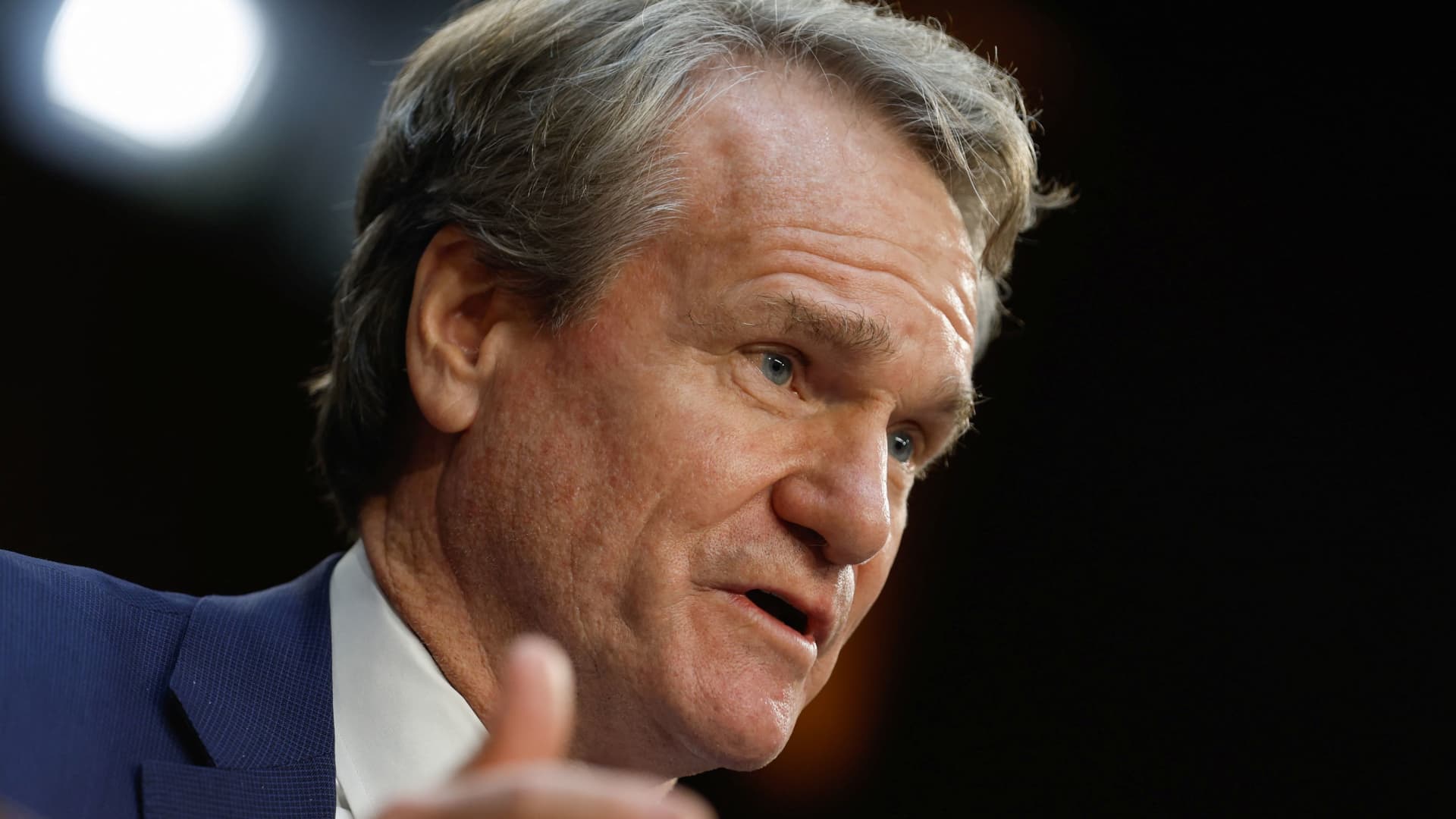
Apple's R&D Spending Hits New High, Accelerating AI Investments
- Surge in R&D Spending: Apple's R&D expenditure reached 10.3% of revenue in the March quarter, up from 9% a year earlier, indicating a significant commitment to artificial intelligence that is expected to drive future product innovation and enhance market competitiveness.
- Strong Sales Growth: While sales jumped 17% year-over-year, marking the fastest growth since 2021, R&D spending increased nearly 34%, demonstrating Apple's determination to invest in AI and its responsiveness to market demands.
- Strategic Transition Signal: With CEO Tim Cook set to step down, the increased investment in AI signifies a heightened urgency for new product development, likely attracting market attention towards Apple's future product lines.
- Capital Expenditure Gap: Despite rising R&D spending, Apple lags behind peers in capital expenditures, having spent only $4.3 billion over the past two quarters, significantly less than the hundreds of billions invested by companies like Google and Amazon, highlighting a shortfall in infrastructure development.
See More
Amazon Accelerates Growth in Key Categories
- Key Category Growth: Amazon has achieved accelerated growth in several key categories, indicating a strong recovery in market demand that is expected to further boost the company's overall revenue.
- Stock Performance: As of May 1, 2026, Amazon's stock price rose by 1.36%, reflecting investor optimism about the company's future growth potential, which may attract more investor interest.
- Market Reaction: This growth trend could enhance Amazon's competitiveness in the e-commerce sector, especially in the face of challenges from other retail giants, further solidifying its market leadership.
- Future Outlook: With the continued growth in key categories, Amazon is poised to capture a larger market share in the coming quarters, thereby driving long-term financial health and shareholder value enhancement.
See More
AMAZON TO INVEST OVER EUR 15 BILLION IN FRANCE, GENERATING 7,000+ PERMANENT JOBS
- Investment Announcement: Amazon has announced plans to invest over €15 billion in France.
- Job Creation: This investment is expected to create more than 7,000 permanent jobs in the country.
See More
AWS Enters New Era for Defense Contractors with CMMC Implementation
- CMMC Implementation: AWS is aiding defense contractors in implementing the Cybersecurity Maturity Model Certification 2.0 (CMMC), which is set for full implementation by fiscal year 2028, aiming to enhance cybersecurity standards for businesses working with the U.S. Department of Defense, thereby increasing their market competitiveness.
- Cloud Services Investment: AWS plans a $50 billion investment to expand its artificial intelligence and supercomputing capabilities, expected to add 1.3 GW of compute capacity for U.S. government customers, further solidifying its leadership in the defense cloud services market.
- Major Contract Awarded: In early 2026, AWS secured a $581.3 million contract from the U.S. Air Force to provide cloud services under the Cloud One program, which not only enhances its influence in the defense sector but also paves the way for future contract opportunities.
- AI Capability Collaboration: AWS entered agreements with the Department of Defense as one of eight tech companies to supply AI capabilities, showcasing its technological strength and market potential in the defense sector, which is expected to drive future revenue growth.
See More
Apple Increases R&D Spending, Accelerates AI Strategy
- Significant R&D Increase: Apple's R&D spending reached 10.3% of revenue in Q1 2026, up from 9% a year earlier, indicating a strong commitment to artificial intelligence that is expected to drive future product innovation.
- Strong Sales Growth: In the same quarter, Apple's sales surged by 17%, marking the fastest quarterly growth since 2021, reflecting robust market demand for iPhones and Macs, which further supports the company's investment decisions in AI.
- Accelerated AI Product Development: With CEO Tim Cook preparing to step down, Apple is hastening the development of AI products, including an updated Siri and other AI wearables, demonstrating a sense of urgency and strategic shift in technology innovation.
- Insufficient Capital Expenditure: Despite the increase in R&D spending, Apple lags behind competitors in capital expenditures, spending only $4.3 billion over the past two quarters, significantly less than the hundreds of billions spent by companies like Google and Amazon, which may impact its competitiveness in AI infrastructure development.
See More
Surge in Demand for Service Robotics Amid Global Automation Trends
- Surging Market Demand: The International Federation of Robotics projects that the service robotics market will expand from approximately $31 billion in 2026 to over $131 billion by 2034, indicating sustained double-digit growth driven by increasing automation needs across industries.
- Technological Transformation: Nightfood Holdings, through TechForce Robotics, is focusing on real-world deployments and scalable systems, actively participating in the service robotics industry's transformation while aiming for global expansion through strategic collaborations with industry leaders.
- Accelerated Industry Collaboration: As robotic systems grow more complex, Nightfood Holdings is strengthening its partnerships with technology and manufacturing collaborators, which not only enhances production capacity but also accelerates market deployment, thereby boosting the company's competitive edge.
- Global Market Expansion: Demand for service robotics is rising across new markets in North America, Europe, Asia, and the Middle East, with Nightfood Holdings committed to establishing scalable business models in key regions through infrastructure development and targeted market entry strategies.
See More
Apple's R&D Spending Hits New High, Accelerating AI Investments
- Surge in R&D Spending: Apple's R&D expenditure reached 10.3% of revenue in the March quarter, up from 9% a year earlier, indicating a significant commitment to artificial intelligence that is expected to drive future product innovation and enhance market competitiveness.
- Strong Sales Growth: While sales jumped 17% year-over-year, marking the fastest growth since 2021, R&D spending increased nearly 34%, demonstrating Apple's determination to invest in AI and its responsiveness to market demands.
- Strategic Transition Signal: With CEO Tim Cook set to step down, the increased investment in AI signifies a heightened urgency for new product development, likely attracting market attention towards Apple's future product lines.
- Capital Expenditure Gap: Despite rising R&D spending, Apple lags behind peers in capital expenditures, having spent only $4.3 billion over the past two quarters, significantly less than the hundreds of billions invested by companies like Google and Amazon, highlighting a shortfall in infrastructure development.
See More