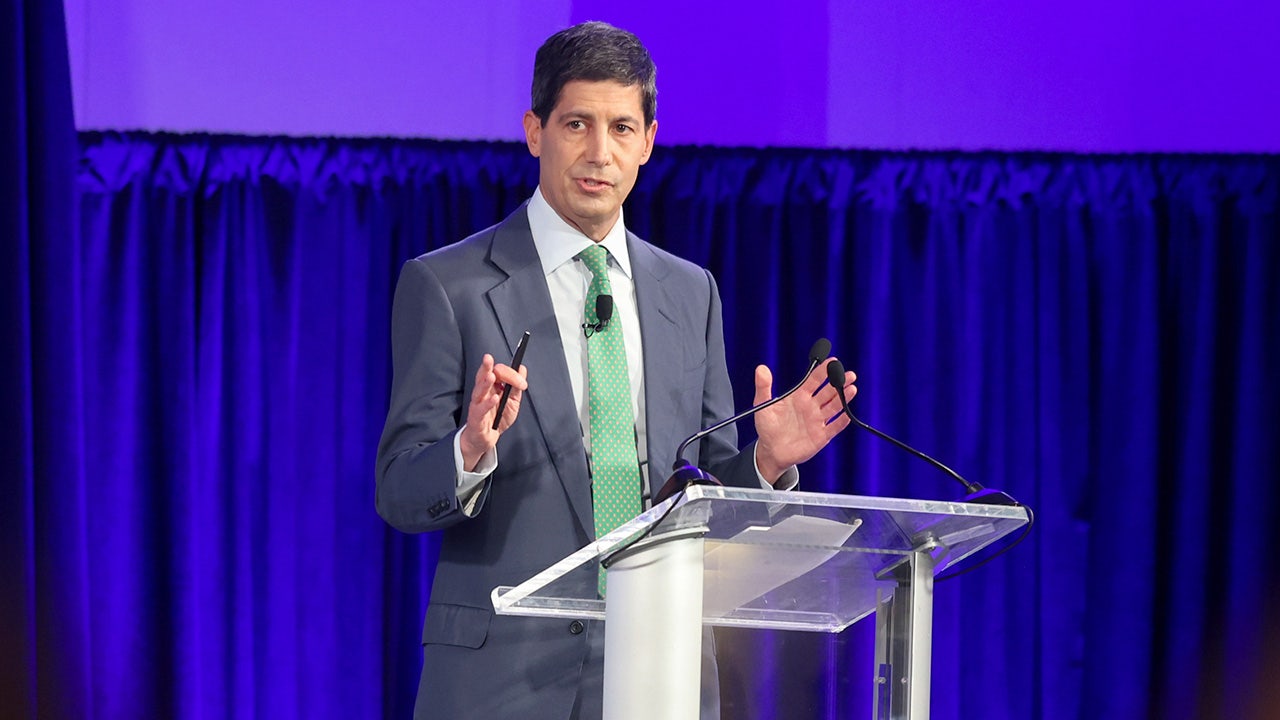
Student Loan SAVE Plan Set to End Soon
Written by Emily J. Thompson, Senior Investment Analyst
Updated: Mar 30 2026
0mins

Should l Buy SLM?
Source: CNBC
- End of SAVE Plan: The Trump administration's announcement to terminate the SAVE plan affects approximately 7.5 million borrowers, who will receive guidance on enrolling in a new repayment plan, highlighting the legal challenges that led to the plan's blockage by a federal appeals court, impacting borrowers' repayment options and financial planning.
- Borrower Deadline: Borrowers must select a new repayment plan by July 1, 2026, as communicated by the Department of Education, with those failing to do so automatically placed into the Standard Repayment Plan, which may result in higher monthly payments than under SAVE.
- Interest Resumption Impact: With interest resuming for SAVE borrowers in August 2024, the average loan balance of $57,000 at a 6.7% interest rate means borrowers have seen their debt increase by over $2,500 since interest accrual resumed, exacerbating their financial burden.
- Diverse Repayment Options: Borrowers can enroll in existing income-driven repayment plans or wait for the new Repayment Assistance Plan, which will set monthly payments between 1% and 10% of income, demonstrating the government's flexibility in adjusting student loan policies to meet borrower needs.
Trade with 70% Backtested Accuracy
Stop guessing "Should I Buy SLM?" and start using high-conviction signals backed by rigorous historical data.
Sign up today to access powerful investing tools and make smarter, data-driven decisions.
Analyst Views on SLM
Wall Street analysts forecast SLM stock price to rise
11 Analyst Rating
7 Buy
2 Hold
2 Sell
Moderate Buy
Current: 23.110

Low
23.00
Averages
31.09
High
37.00
Current: 23.110
Low
23.00
Averages
31.09
High
37.00
About SLM
SLM Corporation is a holding company, which operates through various subsidiaries and is a financial brand for higher education. The Company’s primary business is to originate and service loans it makes to students and their families to finance the cost of their education. It also offers a range of deposit products insured by the Federal Deposit Insurance Corporation. Its primary private education loan product is the Smart Option Student Loan, which emphasizes in-school payment features that can produce shorter terms and reduce customers’ total finance charges. The Smart Option Student Loan generally runs for six months after the borrower separates from school but can run for up to 36 months for a small subset of graduate loans. It also offers six loan products for specific graduate programs of study. These include the Sallie Mae Law School Loan, the Sallie Mae MBA Loan, the Sallie Mae Graduate School Loan for Health Professions, the Sallie Mae Medical School Loan, and others.
About the author

Emily J. Thompson
Emily J. Thompson, a Chartered Financial Analyst (CFA) with 12 years in investment research, graduated with honors from the Wharton School. Specializing in industrial and technology stocks, she provides in-depth analysis for Intellectia’s earnings and market brief reports.

Sallie Mae Offers Guidance and Resources for Financial Aid Comparison

- Financial Aid Transparency: Only 36% of families reported that their financial aid letters included the full cost of attendance, and just 27% clearly outlined expected out-of-pocket costs, indicating that many families face challenges in understanding and comparing financial aid, which could lead to poor choices.
- Loan Awareness Gap: 20% of families were unaware that loans could be included in their aid packages, and 19% believed that any loans offered had to be used, reflecting a general misunderstanding of financial aid terms that may impact family decision-making processes.
- Aid Selection Strategy: Sallie Mae advises families to focus on the proportion of scholarships and grants rather than just the total dollar amount to avoid future repayment burdens, a strategy that helps families make more informed financial decisions.
- Information Access Channels: Families can obtain more information through school financial aid offices and online resources to understand how to compare financial aid offers from different schools, ensuring they plan for educational costs effectively and choose the best-fit institution.
See More
Sallie Mae Offers Guidance and Resources for Financial Aid Comparison
- Financial Aid Transparency: A survey revealed that only 36% of families reported their financial aid letters included the full cost of attendance, and just 27% clearly outlined expected out-of-pocket costs, indicating many families struggle to understand financial aid, potentially leading to poor choices.
- Loan Awareness Issues: The survey also found that 20% of families were unaware that loans could be part of their aid package, and 19% believed any loans offered had to be used, reflecting a widespread misunderstanding of financial aid content that could impact decision-making.
- Aid Selection Strategy: Sallie Mae advises families to focus on the proportion of scholarships and grants rather than just the total dollar amount, as a smaller aid package with more free money may cost less over time, helping families make more informed choices.
- Importance of Proactive Communication: Families are encouraged to communicate with the school's financial aid office before accepting offers to learn if their aid proposal can be reconsidered, especially if their financial situation changes, as this proactive approach can lead to more suitable aid solutions.
See More
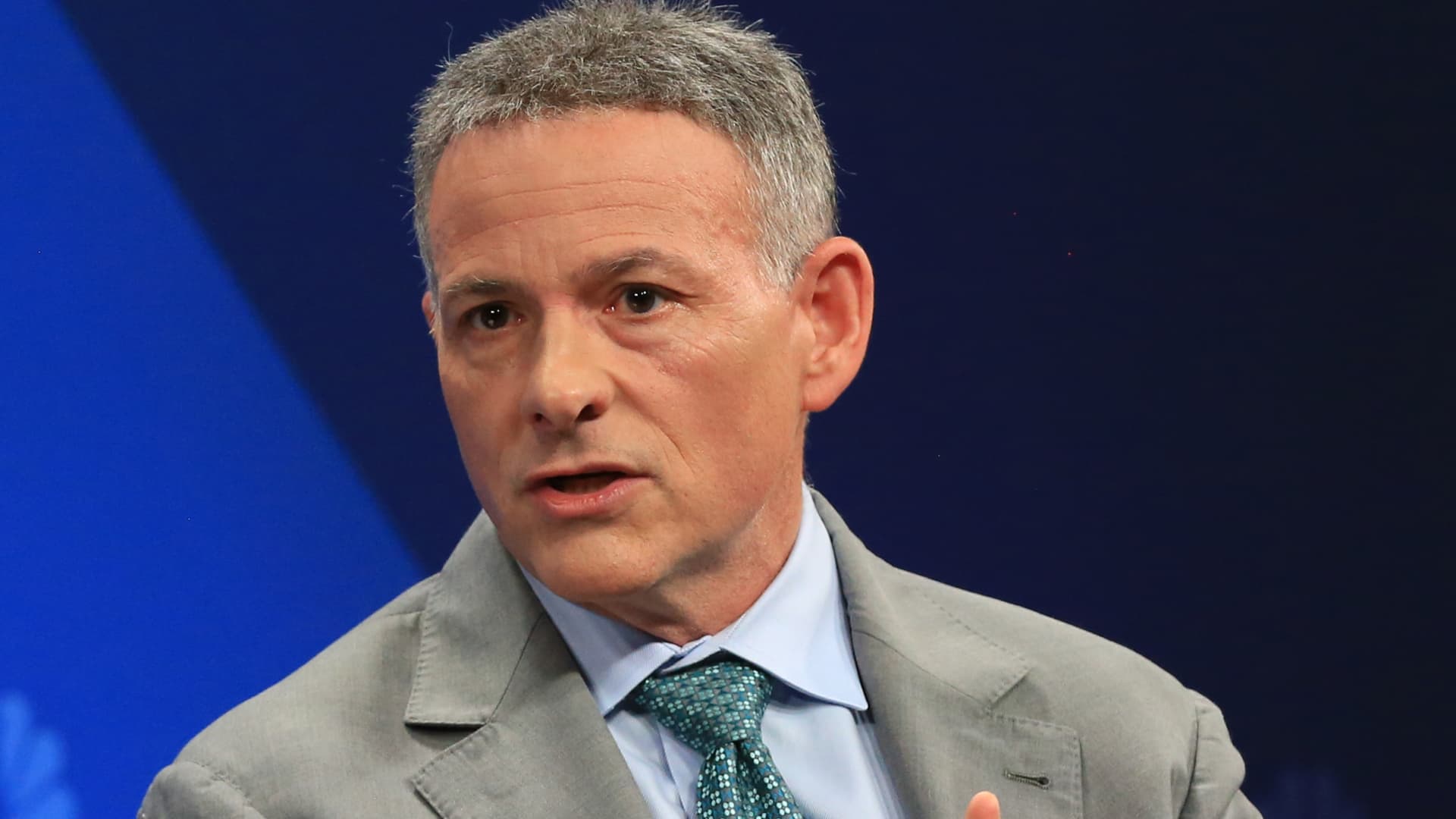
David Einhorn Emphasizes Capital Protection Amid Market Rally

- Capital Protection Priority: David Einhorn emphasized in his latest investor letter that despite the market rally driven by geopolitical optimism, capital preservation remains his top priority, warning that investors may be underestimating potential downside risks.
- Market Rebound Overview: The S&P 500 has fully erased losses incurred since the onset of the Iran war, and despite the breakdown of U.S.-Iran negotiations, investors remain optimistic about a potential deal, fueling continued market gains.
- Fund Performance Insight: Greenlight Capital reported a 6.5% return in Q1, outperforming the S&P 500's 4.4% decline, yet Einhorn noted the firm maintains relatively low gross and net exposure, reflecting caution regarding valuations and the broader macroeconomic backdrop.
- Investment Strategy Adjustments: Einhorn mentioned that Greenlight had already been operating with low exposure at the conflict's onset and added a long position in October oil futures, although this investment has only seen modest gains as the market largely expects any supply disruptions to be temporary.
See More

Student Loan SAVE Plan Set to End Soon
- End of SAVE Plan: The Trump administration's announcement to terminate the SAVE plan affects approximately 7.5 million borrowers, who will receive guidance on enrolling in a new repayment plan, highlighting the legal challenges that led to the plan's blockage by a federal appeals court, impacting borrowers' repayment options and financial planning.
- Borrower Deadline: Borrowers must select a new repayment plan by July 1, 2026, as communicated by the Department of Education, with those failing to do so automatically placed into the Standard Repayment Plan, which may result in higher monthly payments than under SAVE.
- Interest Resumption Impact: With interest resuming for SAVE borrowers in August 2024, the average loan balance of $57,000 at a 6.7% interest rate means borrowers have seen their debt increase by over $2,500 since interest accrual resumed, exacerbating their financial burden.
- Diverse Repayment Options: Borrowers can enroll in existing income-driven repayment plans or wait for the new Repayment Assistance Plan, which will set monthly payments between 1% and 10% of income, demonstrating the government's flexibility in adjusting student loan policies to meet borrower needs.
See More

Sallie Mae Reports Strong Earnings but Stock Declines
- Earnings Performance: Sallie Mae reported revenues of $454.1 million, a 16.4% year-over-year increase, exceeding analysts' expectations by 1%, indicating strong performance in the education loan market; however, the stock has declined by 23.5%, currently trading at $20.43.
- Industry Outlook: The consumer finance sector performed well overall, with 19 companies reporting revenues in line with analyst expectations, but next quarter's revenue guidance is 1% below expectations, reflecting challenges faced by the industry amid economic slowdowns.
- Competitive Pressure: Despite Atlanticus Holdings reporting a remarkable 97.4% revenue growth to $609.2 million, surpassing expectations by 7.1%, Sallie Mae must contend with fierce competition from traditional banks and fintech firms, impacting its market share.
- Market Sentiment: Consumer finance stocks are down an average of 11%, reflecting investor concerns about future economic conditions; although Sallie Mae's earnings report was strong, market confidence in its future growth is affected.
See More

End of SAVE Plan Leaves Borrowers Facing Growing Debt
- Termination of SAVE Plan: A federal appeals court has ordered the end of the SAVE plan, leaving over 7.2 million borrowers facing increasing debt, as they have been in forbearance since July 2024 without progress towards loan forgiveness.
- Debt Growth Risk: The average SAVE enrollee has a loan balance of approximately $57,000 with a 6.7% interest rate, and since interest resumed in August, their debt is projected to have increased by over $2,500, exacerbating financial strain on borrowers.
- Challenges in Applying for New Plans: With the U.S. Department of Education's limited capacity to process applications, borrowers who wait until the end of the SAVE plan to apply for new income-driven repayment options may face longer wait times, increasing their financial risks.
- Cost of Switching Repayment Plans: While the Income-Based Repayment (IBR) plan is viewed as a better option, borrowers switching from SAVE could see their monthly payments double, adding further financial burden to those already under stress.
See More
Sallie Mae Offers Guidance and Resources for Financial Aid Comparison
- Financial Aid Transparency: Only 36% of families reported that their financial aid letters included the full cost of attendance, and just 27% clearly outlined expected out-of-pocket costs, indicating that many families face challenges in understanding and comparing financial aid, which could lead to poor choices.
- Loan Awareness Gap: 20% of families were unaware that loans could be included in their aid packages, and 19% believed that any loans offered had to be used, reflecting a general misunderstanding of financial aid terms that may impact family decision-making processes.
- Aid Selection Strategy: Sallie Mae advises families to focus on the proportion of scholarships and grants rather than just the total dollar amount to avoid future repayment burdens, a strategy that helps families make more informed financial decisions.
- Information Access Channels: Families can obtain more information through school financial aid offices and online resources to understand how to compare financial aid offers from different schools, ensuring they plan for educational costs effectively and choose the best-fit institution.
See More
Sallie Mae Offers Guidance and Resources for Financial Aid Comparison
- Financial Aid Transparency: A survey revealed that only 36% of families reported their financial aid letters included the full cost of attendance, and just 27% clearly outlined expected out-of-pocket costs, indicating many families struggle to understand financial aid, potentially leading to poor choices.
- Loan Awareness Issues: The survey also found that 20% of families were unaware that loans could be part of their aid package, and 19% believed any loans offered had to be used, reflecting a widespread misunderstanding of financial aid content that could impact decision-making.
- Aid Selection Strategy: Sallie Mae advises families to focus on the proportion of scholarships and grants rather than just the total dollar amount, as a smaller aid package with more free money may cost less over time, helping families make more informed choices.
- Importance of Proactive Communication: Families are encouraged to communicate with the school's financial aid office before accepting offers to learn if their aid proposal can be reconsidered, especially if their financial situation changes, as this proactive approach can lead to more suitable aid solutions.
See More
David Einhorn Emphasizes Capital Protection Amid Market Rally
- Capital Protection Priority: David Einhorn emphasized in his latest investor letter that despite the market rally driven by geopolitical optimism, capital preservation remains his top priority, warning that investors may be underestimating potential downside risks.
- Market Rebound Overview: The S&P 500 has fully erased losses incurred since the onset of the Iran war, and despite the breakdown of U.S.-Iran negotiations, investors remain optimistic about a potential deal, fueling continued market gains.
- Fund Performance Insight: Greenlight Capital reported a 6.5% return in Q1, outperforming the S&P 500's 4.4% decline, yet Einhorn noted the firm maintains relatively low gross and net exposure, reflecting caution regarding valuations and the broader macroeconomic backdrop.
- Investment Strategy Adjustments: Einhorn mentioned that Greenlight had already been operating with low exposure at the conflict's onset and added a long position in October oil futures, although this investment has only seen modest gains as the market largely expects any supply disruptions to be temporary.
See More
Student Loan SAVE Plan Set to End Soon
- End of SAVE Plan: The Trump administration's announcement to terminate the SAVE plan affects approximately 7.5 million borrowers, who will receive guidance on enrolling in a new repayment plan, highlighting the legal challenges that led to the plan's blockage by a federal appeals court, impacting borrowers' repayment options and financial planning.
- Borrower Deadline: Borrowers must select a new repayment plan by July 1, 2026, as communicated by the Department of Education, with those failing to do so automatically placed into the Standard Repayment Plan, which may result in higher monthly payments than under SAVE.
- Interest Resumption Impact: With interest resuming for SAVE borrowers in August 2024, the average loan balance of $57,000 at a 6.7% interest rate means borrowers have seen their debt increase by over $2,500 since interest accrual resumed, exacerbating their financial burden.
- Diverse Repayment Options: Borrowers can enroll in existing income-driven repayment plans or wait for the new Repayment Assistance Plan, which will set monthly payments between 1% and 10% of income, demonstrating the government's flexibility in adjusting student loan policies to meet borrower needs.
See More
Sallie Mae Reports Strong Earnings but Stock Declines
- Earnings Performance: Sallie Mae reported revenues of $454.1 million, a 16.4% year-over-year increase, exceeding analysts' expectations by 1%, indicating strong performance in the education loan market; however, the stock has declined by 23.5%, currently trading at $20.43.
- Industry Outlook: The consumer finance sector performed well overall, with 19 companies reporting revenues in line with analyst expectations, but next quarter's revenue guidance is 1% below expectations, reflecting challenges faced by the industry amid economic slowdowns.
- Competitive Pressure: Despite Atlanticus Holdings reporting a remarkable 97.4% revenue growth to $609.2 million, surpassing expectations by 7.1%, Sallie Mae must contend with fierce competition from traditional banks and fintech firms, impacting its market share.
- Market Sentiment: Consumer finance stocks are down an average of 11%, reflecting investor concerns about future economic conditions; although Sallie Mae's earnings report was strong, market confidence in its future growth is affected.
See More
End of SAVE Plan Leaves Borrowers Facing Growing Debt
- Termination of SAVE Plan: A federal appeals court has ordered the end of the SAVE plan, leaving over 7.2 million borrowers facing increasing debt, as they have been in forbearance since July 2024 without progress towards loan forgiveness.
- Debt Growth Risk: The average SAVE enrollee has a loan balance of approximately $57,000 with a 6.7% interest rate, and since interest resumed in August, their debt is projected to have increased by over $2,500, exacerbating financial strain on borrowers.
- Challenges in Applying for New Plans: With the U.S. Department of Education's limited capacity to process applications, borrowers who wait until the end of the SAVE plan to apply for new income-driven repayment options may face longer wait times, increasing their financial risks.
- Cost of Switching Repayment Plans: While the Income-Based Repayment (IBR) plan is viewed as a better option, borrowers switching from SAVE could see their monthly payments double, adding further financial burden to those already under stress.
See More