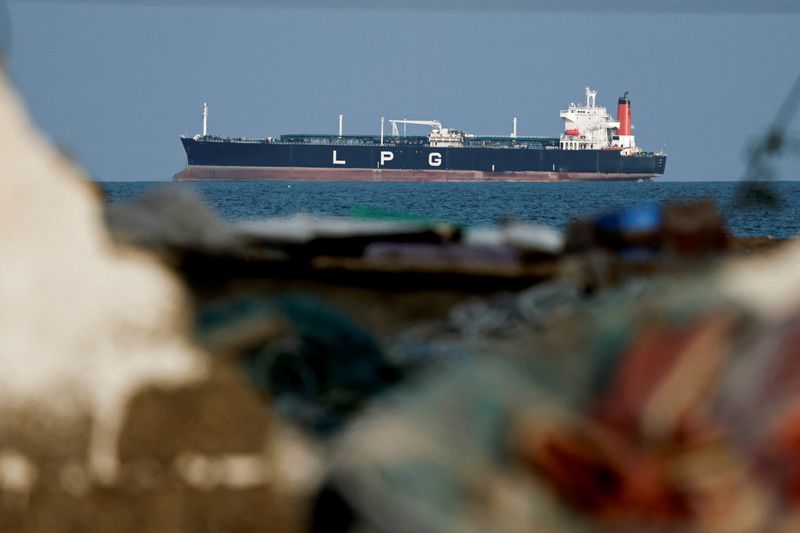
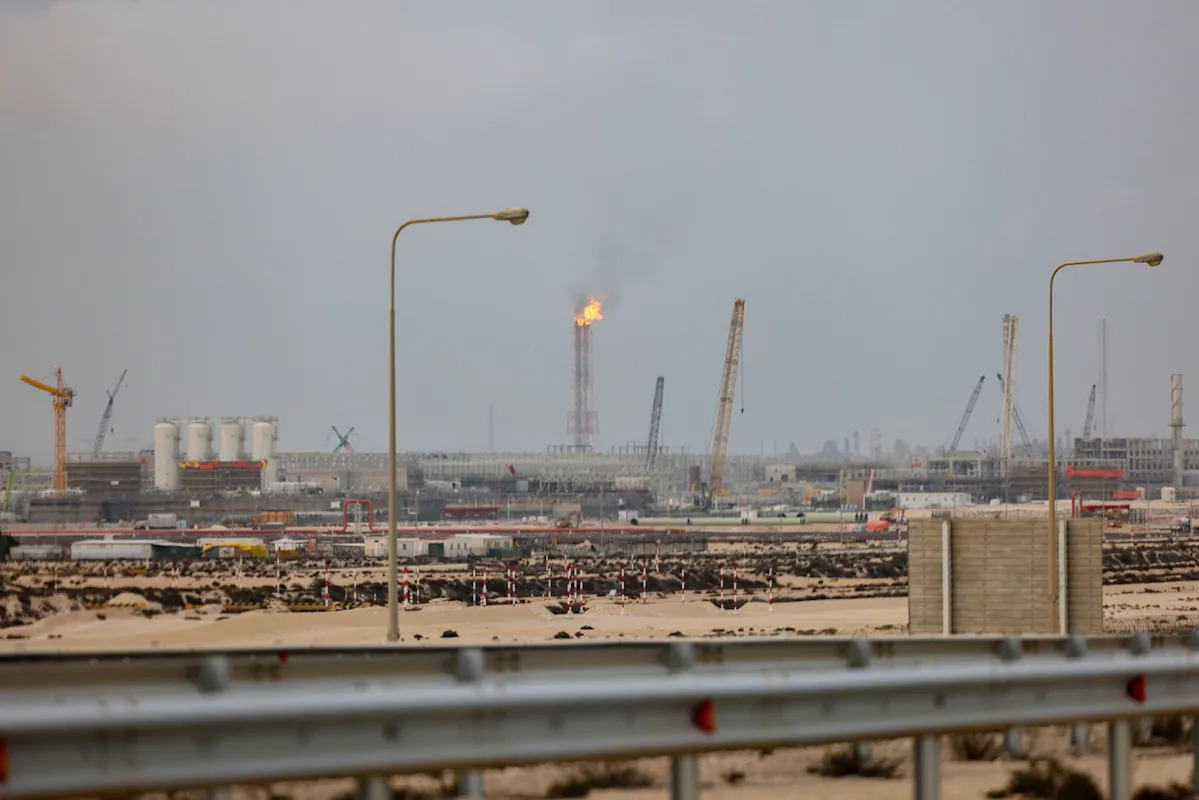
Strait of Hormuz Tensions Intensify Oil Price Impact
Written by Emily J. Thompson, Senior Investment Analyst
Updated: 1 hour ago
0mins

Source: CNBC
- Oil Price Forecast: United Airlines CEO Scott Kirby anticipates oil prices reaching $175 and remaining above $100 through 2027, reflecting potential pressures on the airline industry and prompting proactive planning to mitigate rising costs.
- Market Reaction: The Nasdaq has entered a correction for the fourth consecutive week, indicating growing investor concerns over U.S.-Iran conflict, with safe-haven assets like gold and bonds also declining, showcasing a pessimistic outlook on future economic stability.
- Energy Sector Response: CFOs in the energy sector are scenario planning for three potential outcomes regarding the Strait of Hormuz's closure, which introduces significant operational risks and could destabilize the global economy amid rising uncertainty.
- Supply Chain Crisis: Experts warn that if the Strait of Hormuz is not reopened by April 1, a global energy crisis could ensue, particularly affecting countries like India, Japan, and South Korea, which may need to curtail industrial production due to soaring oil prices, exacerbating supply chain tensions worldwide.
Trade with 70% Backtested Accuracy
Stop guessing "Should I Buy UAL?" and start using high-conviction signals backed by rigorous historical data.
Sign up today to access powerful investing tools and make smarter, data-driven decisions.
Analyst Views on UAL
Wall Street analysts forecast UAL stock price to rise
16 Analyst Rating
15 Buy
1 Hold
0 Sell
Strong Buy
Current: 94.150

Low
115.00
Averages
139.07
High
156.00
Current: 94.150
Low
115.00
Averages
139.07
High
156.00
About UAL
United Airlines Holdings, Inc. is a holding company. The Company transports people and cargo throughout North America and to destinations in Asia, Europe, Africa, the Pacific, the Middle East and Latin America. The Company, through United Airlines, Inc., and its regional carriers, operates across six continents, with hubs at Chicago O'Hare International Airport (ORD), Denver International Airport (DEN), George Bush Intercontinental Airport (IAH), Los Angeles International Airport (LAX), Newark Liberty International Airport (EWR), San Francisco International Airport (SFO), Washington Dulles International Airport (IAD) and A.B. Won Pat International Airport (GUM). Its hub and spoke system allow it to transport passengers between a large number of destinations with frequent services. The Company has contractual relationships with various regional carriers to provide regional aircraft service branded as United Express. It provides freight and mail transportation services (Air Cargo).
About the author

Emily J. Thompson
Emily J. Thompson, a Chartered Financial Analyst (CFA) with 12 years in investment research, graduated with honors from the Wharton School. Specializing in industrial and technology stocks, she provides in-depth analysis for Intellectia’s earnings and market brief reports.
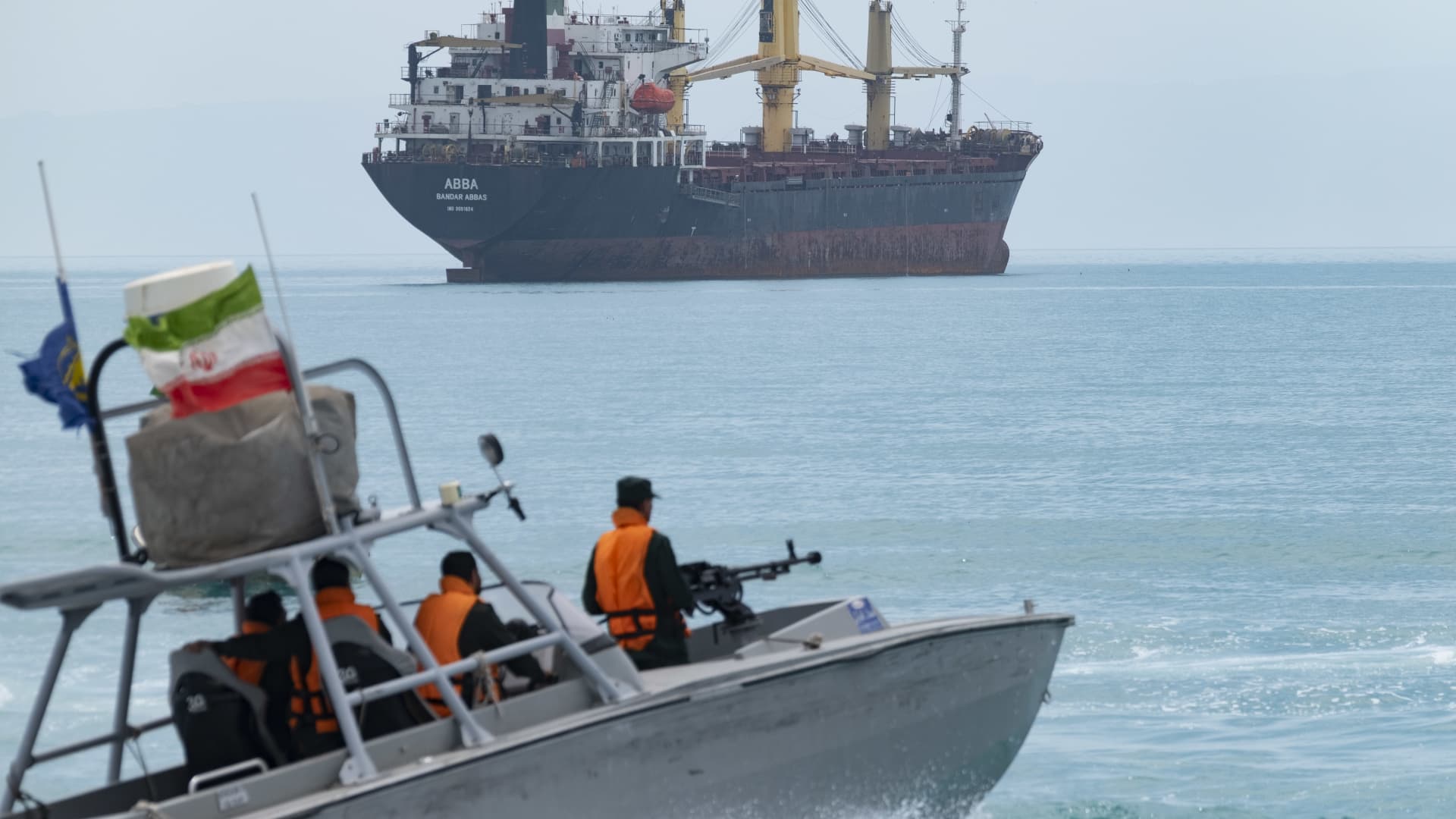
Strait of Hormuz Tensions Intensify Oil Price Impact


- Oil Price Forecast: United Airlines CEO Scott Kirby anticipates oil prices reaching $175 and remaining above $100 through 2027, reflecting potential pressures on the airline industry and prompting proactive planning to mitigate rising costs.
- Market Reaction: The Nasdaq has entered a correction for the fourth consecutive week, indicating growing investor concerns over U.S.-Iran conflict, with safe-haven assets like gold and bonds also declining, showcasing a pessimistic outlook on future economic stability.
- Energy Sector Response: CFOs in the energy sector are scenario planning for three potential outcomes regarding the Strait of Hormuz's closure, which introduces significant operational risks and could destabilize the global economy amid rising uncertainty.
- Supply Chain Crisis: Experts warn that if the Strait of Hormuz is not reopened by April 1, a global energy crisis could ensue, particularly affecting countries like India, Japan, and South Korea, which may need to curtail industrial production due to soaring oil prices, exacerbating supply chain tensions worldwide.
See More
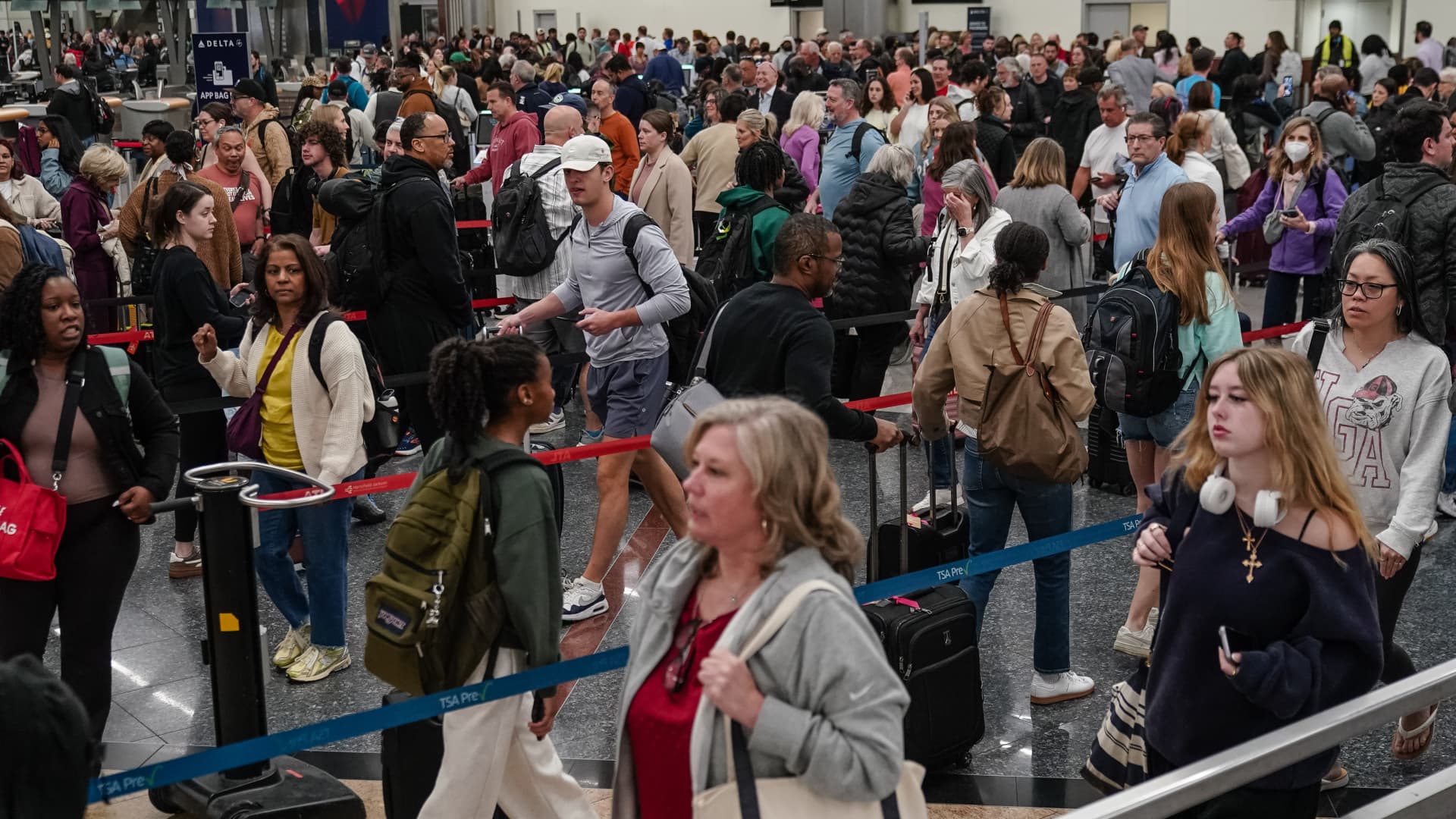
Trump Threatens to Deploy ICE to Alleviate Airport Security Lines

- Security Line Congestion: The ongoing Department of Homeland Security shutdown has led to hours-long wait times at Hartsfield-Jackson Atlanta International Airport, severely impacting travelers and overall airline efficiency.
- ICE Deployment Plan: DHS officials confirmed that ICE agents will be deployed on Monday to assist TSA in alleviating security pressures, with ICE tasked to guard exit doors, allowing TSA to focus on screening travelers and improving efficiency.
- TSA Staff Shortages: Over 400 TSA officers have either quit or called out since the shutdown began, resulting in a significant staffing shortage that exacerbates wait times for travelers and disrupts airline operations.
- Political Backlash: Democratic leaders have expressed strong opposition to the deployment of ICE at airports, arguing it could lead to unnecessary violence, highlighting the divisions in Congress over immigration enforcement policies that may affect future budget negotiations.
See More
Trump Threatens to Deploy ICE Agents to Airports Amid DHS Funding Standoff

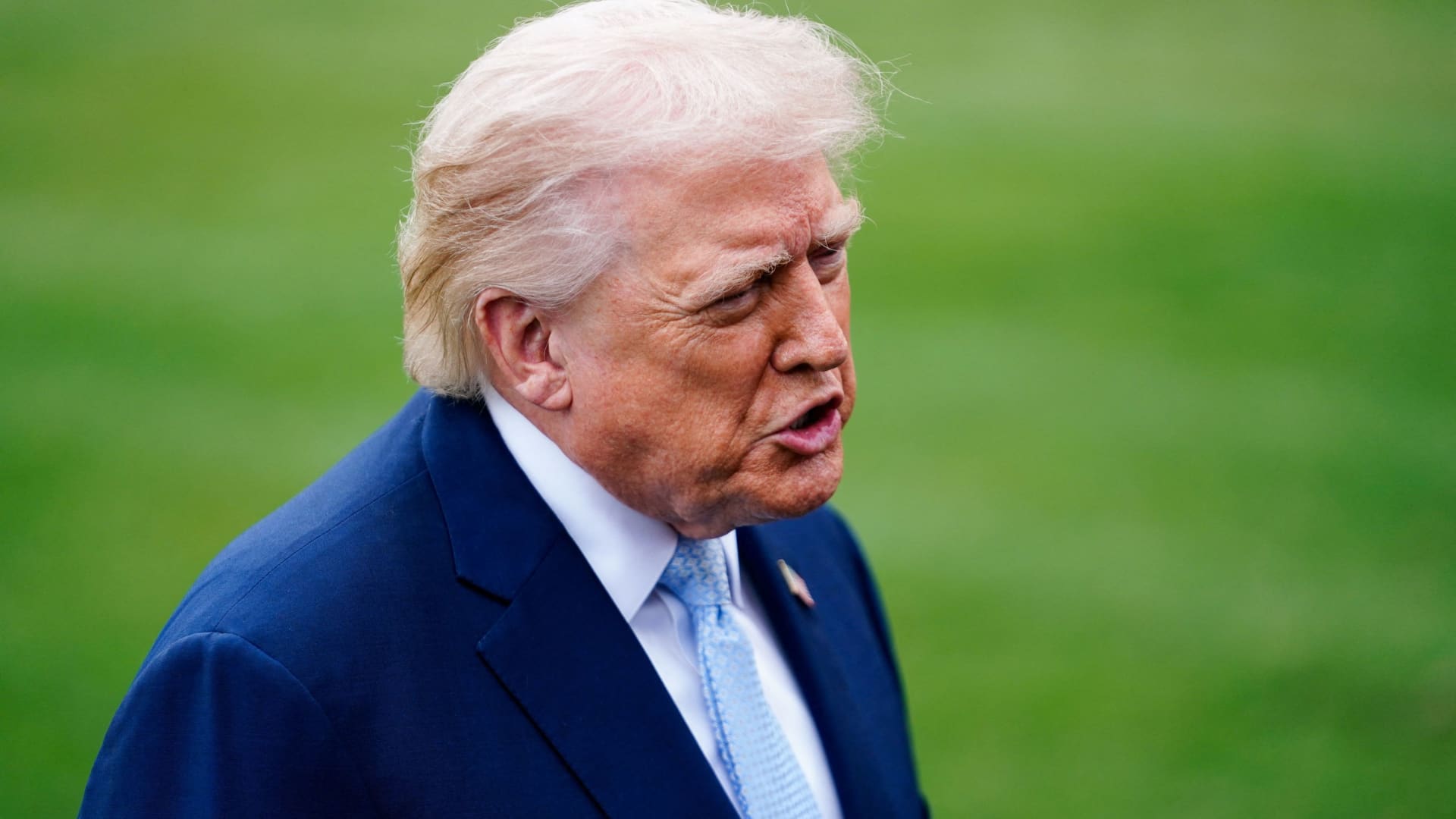
- Immigration Enforcement Threat: Trump threatened to deploy ICE agents to U.S. airports for security checks unless congressional Democrats agree to fund the Department of Homeland Security, aiming to intensify the crackdown on illegal immigrants, particularly targeting individuals from Somalia, which could spark significant social backlash.
- Airport Security Crisis: The funding lapse at DHS has led to Transportation Security Administration (TSA) agents quitting or calling in sick due to unpaid wages, resulting in obscenely long lines at security checkpoints in cities like Atlanta and Houston, severely impacting travel during the spring break peak.
- Funding Gap Impact: The DHS funding shortfall has forced many employees to work without pay, and while this government shutdown is less disruptive than last year's, it still risks the closure of smaller airports, exacerbating travel inconveniences for the public.
- Musk's Proposal: Tesla CEO Elon Musk expressed willingness to cover TSA officers' salaries during the funding impasse, although the feasibility of such an offer remains unclear, highlighting concerns over the shutdown's negative effects on the lives of many Americans at airports nationwide.
See More
United Airlines Cuts Capacity Amid Rising Fuel Prices
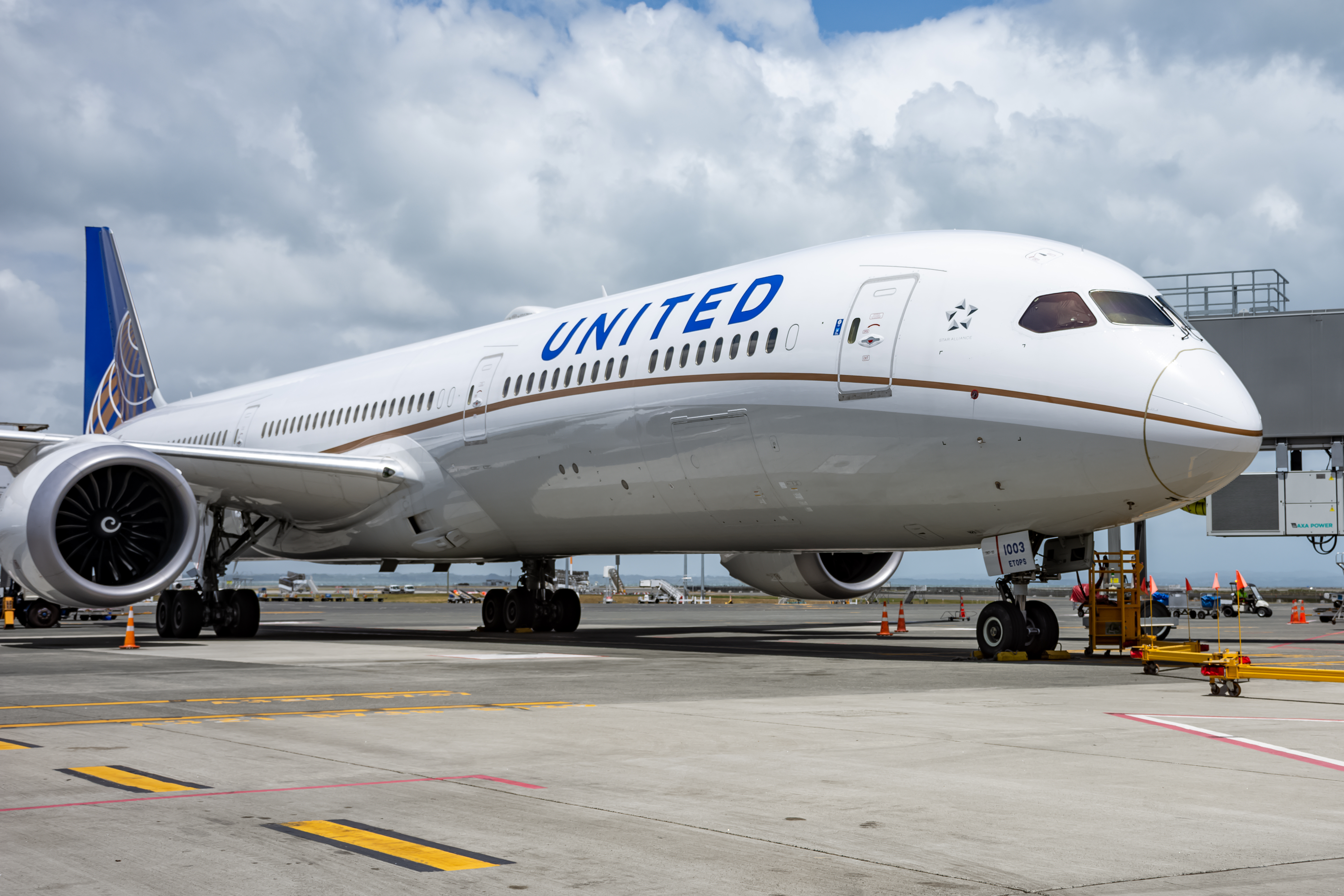
- Capacity Reduction Plan: United Airlines plans to cut capacity by 5% in the near term across less profitable routes in response to soaring fuel prices, which CEO Scott Kirby predicts will remain above $100 per barrel and could reach $175, leading to an additional $11 billion in annual jet fuel expenses.
- Record Demand: Despite high fuel prices, United Airlines has experienced the strongest demand ever, with the company achieving its ten highest booked revenue weeks in history over the past ten weeks, indicating a robust market for air travel as passengers rush to book tickets ahead of anticipated fare increases.
- Route Adjustments: In response to rising oil prices, United will cancel about three percentage points of capacity during off-peak periods in Q2 and Q3, having already pulled TLV and DXB services, which accounts for an additional one point of capacity, resulting in a total short-term reduction of about five points, with plans to restore full schedules in the fall.
- Long-Term Growth Goals: Despite the short-term capacity cuts, United remains on track to take delivery of approximately 120 new jets, including 20 new 787s in 2027 and an additional 130 new aircraft by April 2028, reflecting the company's confidence in its future growth trajectory.
See More

United Airlines Prepares for Industry Challenges
- Industry Challenge Response: United Airlines CEO Scott Kirby reassured employees that the company is well-prepared to tackle industry challenges, including the war in Iran and soaring fuel prices, emphasizing that its long-term strategy and financial strength will support ongoing growth investments.
- Rising Fuel Costs: Jet fuel prices have more than doubled recently, potentially adding $11 billion in annual expenses if sustained; however, Kirby noted that demand remains at record levels, with the last ten weeks marking the strongest revenue period in United's history.
- Investment Plans: United plans to assume oil prices will remain elevated until 2027, tactically adjusting flight schedules to reduce unprofitable routes while continuing major investments in aircraft, technology, and infrastructure, expecting to take delivery of about 120 new aircraft in 2026.
- Enhancing Competitiveness: Kirby stressed that United will not resort to cost-cutting or deferring investments but will use this period to strengthen its competitive position, aiming to become the world's most brand-loyal airline, urging employees to focus on customers and each other.
See More

Cuba Faces Widespread Power Outage Amid Crisis

- Power Crisis Intensifies: On March 16, 2026, Cuba experienced a widespread power outage confirmed by the national electricity company, highlighting the severe economic crisis exacerbated by the U.S. energy blockade, which could lead to social unrest and public dissatisfaction.
- Energy Supply Constraints: The U.S. government has cut off Cuba's oil supply and threatened a 'friendly takeover,' pushing the Cuban economy to the brink of collapse, further worsening energy shortages and rising living costs, impacting citizens' basic livelihoods.
- Tense Historical Relations: The adversarial relationship between Cuba and the U.S. has persisted for over 50 years, with the Cuban government implementing various measures in response to U.S. economic sanctions since the 1959 revolution; however, the current deterioration may further strain diplomatic relations and hinder future progress.
- Uncertain Future: Although there was hope for the restoration of diplomatic ties, the tightening of U.S. policies in recent years has stalled Cuba's reform process, leaving the future of bilateral relations fraught with uncertainty, which could affect regional stability.
See More
Strait of Hormuz Tensions Intensify Oil Price Impact
- Oil Price Forecast: United Airlines CEO Scott Kirby anticipates oil prices reaching $175 and remaining above $100 through 2027, reflecting potential pressures on the airline industry and prompting proactive planning to mitigate rising costs.
- Market Reaction: The Nasdaq has entered a correction for the fourth consecutive week, indicating growing investor concerns over U.S.-Iran conflict, with safe-haven assets like gold and bonds also declining, showcasing a pessimistic outlook on future economic stability.
- Energy Sector Response: CFOs in the energy sector are scenario planning for three potential outcomes regarding the Strait of Hormuz's closure, which introduces significant operational risks and could destabilize the global economy amid rising uncertainty.
- Supply Chain Crisis: Experts warn that if the Strait of Hormuz is not reopened by April 1, a global energy crisis could ensue, particularly affecting countries like India, Japan, and South Korea, which may need to curtail industrial production due to soaring oil prices, exacerbating supply chain tensions worldwide.
See More
Trump Threatens to Deploy ICE to Alleviate Airport Security Lines
- Security Line Congestion: The ongoing Department of Homeland Security shutdown has led to hours-long wait times at Hartsfield-Jackson Atlanta International Airport, severely impacting travelers and overall airline efficiency.
- ICE Deployment Plan: DHS officials confirmed that ICE agents will be deployed on Monday to assist TSA in alleviating security pressures, with ICE tasked to guard exit doors, allowing TSA to focus on screening travelers and improving efficiency.
- TSA Staff Shortages: Over 400 TSA officers have either quit or called out since the shutdown began, resulting in a significant staffing shortage that exacerbates wait times for travelers and disrupts airline operations.
- Political Backlash: Democratic leaders have expressed strong opposition to the deployment of ICE at airports, arguing it could lead to unnecessary violence, highlighting the divisions in Congress over immigration enforcement policies that may affect future budget negotiations.
See More
Trump Threatens to Deploy ICE Agents to Airports Amid DHS Funding Standoff
- Immigration Enforcement Threat: Trump threatened to deploy ICE agents to U.S. airports for security checks unless congressional Democrats agree to fund the Department of Homeland Security, aiming to intensify the crackdown on illegal immigrants, particularly targeting individuals from Somalia, which could spark significant social backlash.
- Airport Security Crisis: The funding lapse at DHS has led to Transportation Security Administration (TSA) agents quitting or calling in sick due to unpaid wages, resulting in obscenely long lines at security checkpoints in cities like Atlanta and Houston, severely impacting travel during the spring break peak.
- Funding Gap Impact: The DHS funding shortfall has forced many employees to work without pay, and while this government shutdown is less disruptive than last year's, it still risks the closure of smaller airports, exacerbating travel inconveniences for the public.
- Musk's Proposal: Tesla CEO Elon Musk expressed willingness to cover TSA officers' salaries during the funding impasse, although the feasibility of such an offer remains unclear, highlighting concerns over the shutdown's negative effects on the lives of many Americans at airports nationwide.
See More
United Airlines Cuts Capacity Amid Rising Fuel Prices
- Capacity Reduction Plan: United Airlines plans to cut capacity by 5% in the near term across less profitable routes in response to soaring fuel prices, which CEO Scott Kirby predicts will remain above $100 per barrel and could reach $175, leading to an additional $11 billion in annual jet fuel expenses.
- Record Demand: Despite high fuel prices, United Airlines has experienced the strongest demand ever, with the company achieving its ten highest booked revenue weeks in history over the past ten weeks, indicating a robust market for air travel as passengers rush to book tickets ahead of anticipated fare increases.
- Route Adjustments: In response to rising oil prices, United will cancel about three percentage points of capacity during off-peak periods in Q2 and Q3, having already pulled TLV and DXB services, which accounts for an additional one point of capacity, resulting in a total short-term reduction of about five points, with plans to restore full schedules in the fall.
- Long-Term Growth Goals: Despite the short-term capacity cuts, United remains on track to take delivery of approximately 120 new jets, including 20 new 787s in 2027 and an additional 130 new aircraft by April 2028, reflecting the company's confidence in its future growth trajectory.
See More
United Airlines Prepares for Industry Challenges
- Industry Challenge Response: United Airlines CEO Scott Kirby reassured employees that the company is well-prepared to tackle industry challenges, including the war in Iran and soaring fuel prices, emphasizing that its long-term strategy and financial strength will support ongoing growth investments.
- Rising Fuel Costs: Jet fuel prices have more than doubled recently, potentially adding $11 billion in annual expenses if sustained; however, Kirby noted that demand remains at record levels, with the last ten weeks marking the strongest revenue period in United's history.
- Investment Plans: United plans to assume oil prices will remain elevated until 2027, tactically adjusting flight schedules to reduce unprofitable routes while continuing major investments in aircraft, technology, and infrastructure, expecting to take delivery of about 120 new aircraft in 2026.
- Enhancing Competitiveness: Kirby stressed that United will not resort to cost-cutting or deferring investments but will use this period to strengthen its competitive position, aiming to become the world's most brand-loyal airline, urging employees to focus on customers and each other.
See More
Cuba Faces Widespread Power Outage Amid Crisis
- Power Crisis Intensifies: On March 16, 2026, Cuba experienced a widespread power outage confirmed by the national electricity company, highlighting the severe economic crisis exacerbated by the U.S. energy blockade, which could lead to social unrest and public dissatisfaction.
- Energy Supply Constraints: The U.S. government has cut off Cuba's oil supply and threatened a 'friendly takeover,' pushing the Cuban economy to the brink of collapse, further worsening energy shortages and rising living costs, impacting citizens' basic livelihoods.
- Tense Historical Relations: The adversarial relationship between Cuba and the U.S. has persisted for over 50 years, with the Cuban government implementing various measures in response to U.S. economic sanctions since the 1959 revolution; however, the current deterioration may further strain diplomatic relations and hinder future progress.
- Uncertain Future: Although there was hope for the restoration of diplomatic ties, the tightening of U.S. policies in recent years has stalled Cuba's reform process, leaving the future of bilateral relations fraught with uncertainty, which could affect regional stability.
See More