Strait of Hormuz Closure Drives Oil Prices to New Heights

- Oil Price Surge Warning: The closure of the Strait of Hormuz has driven crude prices to nearly $120 per barrel, with JPMorgan warning that prices could reach $130 in the near term and potentially exceed $150, significantly impacting the global economy.
- Supply Shock Analysis: The closure has led to a 57% drop in oil production in the Persian Gulf, with the global economy pulling a record 11 to 12 million barrels per day from storage, a practice that cannot be sustained indefinitely, indicating that oil prices will need to rise to curb demand.
- Beneficiaries of Price Increase: Low-cost producers like Chevron and ConocoPhillips stand to gain the most from rising prices, with Chevron's upstream breakeven point at just $30 per barrel, and expected to generate substantial free cash flow if prices exceed $150 per barrel.
- Capital Project Expansion: Chevron's completion of major capital projects and its acquisition of Hess position it to generate $12.5 billion in free cash flow at $70 oil, which will further strengthen its financial position and accelerate its share repurchase program if prices rise significantly.
Trade with 70% Backtested Accuracy
Analyst Views on CVX

About CVX
About the author


CHEVRON: Q2 Downtime and Turnarounds, Including Effects of Cyclone Narelle in Australia and MEAST Conflict, Anticipated to Range from 100,000 to 150,000 BOEPD

Chevron's Q2 Performance: Chevron reported a turnaround in its Q2 performance, indicating a recovery in its operations and financial results.
Impact of Cyclone Narelle: The company faced challenges due to Cyclone Narelle, which affected its operations in Australia, particularly in the eastern conflict region.
Expected Workforce Reduction: Chevron anticipates a workforce reduction, estimating that between 100 to 150 employees may be impacted by the ongoing changes.
Broader Industry Implications: The developments at Chevron reflect broader trends in the energy sector, where companies are adjusting to environmental challenges and operational disruptions.

CHEVRON ANNOUNCES FIRST QUARTER 2026 FINANCIAL RESULTS
Financial Performance: Chevron reported its first-quarter 2026 results, showcasing significant financial metrics and performance indicators.
Revenue and Earnings: The company highlighted its revenue and earnings figures, reflecting the impact of market conditions and operational efficiency.
Operational Highlights: Chevron provided insights into its operational achievements and strategic initiatives during the quarter.
Future Outlook: The report included projections and expectations for future performance, considering ongoing market trends and company strategies.
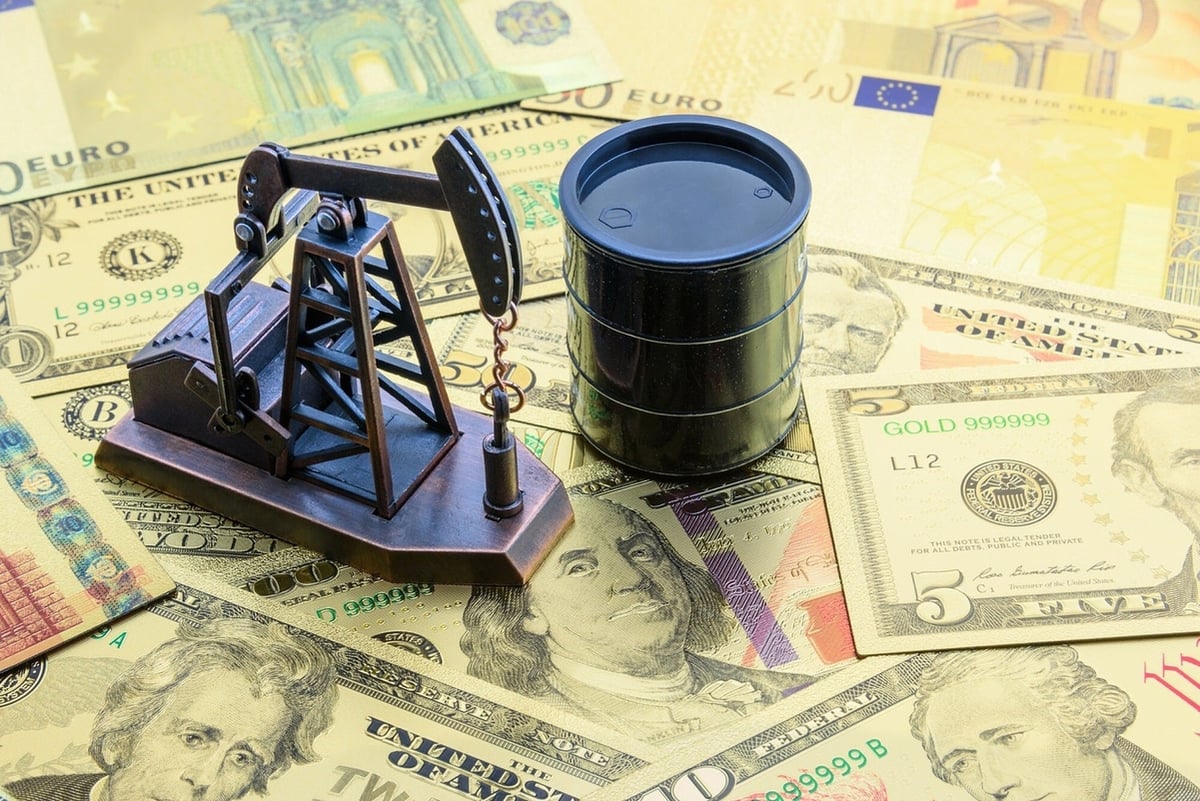
Strait of Hormuz Closure Drives Oil Prices to New Heights

- Oil Price Surge Warning: The closure of the Strait of Hormuz has driven crude prices to nearly $120 per barrel, with JPMorgan warning that prices could reach $130 in the near term and potentially exceed $150, significantly impacting the global economy.
- Supply Shock Analysis: The closure has led to a 57% drop in oil production in the Persian Gulf, with the global economy pulling a record 11 to 12 million barrels per day from storage, a practice that cannot be sustained indefinitely, indicating that oil prices will need to rise to curb demand.
- Beneficiaries of Price Increase: Low-cost producers like Chevron and ConocoPhillips stand to gain the most from rising prices, with Chevron's upstream breakeven point at just $30 per barrel, and expected to generate substantial free cash flow if prices exceed $150 per barrel.
- Capital Project Expansion: Chevron's completion of major capital projects and its acquisition of Hess position it to generate $12.5 billion in free cash flow at $70 oil, which will further strengthen its financial position and accelerate its share repurchase program if prices rise significantly.

Oil Prices Could Surpass $150 Amid Supply Disruption
- Price Surge Warning: JPMorgan warns that oil prices could spike to $150 if the Strait of Hormuz remains closed through mid-May, with current prices nearing $120, marking the highest level since 2022, indicating the global economy's acute sensitivity to supply disruptions.
- Supply Chain Impact: The closure of the Strait has led to a 57% drop in oil production in the Persian Gulf, with the global economy currently drawing down emergency stockpiles at a rate of 11 to 12 million barrels per day, which cannot be sustained indefinitely, forcing prices to rise to curb demand.
- Beneficiaries of Price Increase: Low-cost producers like Chevron will be the biggest beneficiaries of rising prices, with Chevron's upstream breakeven point around $30, expected to generate substantial free cash flow if prices exceed $150, thereby strengthening its financial position.
- Capital Project Expansion: ConocoPhillips has a breakeven point in the mid-$40s and is projected to generate nearly $20 billion in operating cash flow at $60 oil, more than sufficient to cover its $12 billion capital program and $4 billion dividend, with higher prices allowing for a $500 million increase in capital spending and a ramp-up in share repurchases.

Energy ETF Surges 32.07% Driven by Iran War
- ETF Performance: The Energy Select Sector SPDR ETF has surged 32.07% due to the war in Iran, making it the best-performing among the 10 Sector SPDR ETFs, showcasing its resilience amid geopolitical events and attracting significant investor interest.
- Key Holdings Gains: ExxonMobil and Chevron, which together account for over 39% of the ETF, have risen 28.49% and 26.3% year-to-date, respectively, enhancing the ETF's overall performance and reflecting the market dominance of these large oil companies.
- Comparison with Other ETFs: The Fidelity MSCI Energy Index ETF boasts 101 holdings compared to the SPDR ETF's 22, and while their short-term performances are similar, the Fidelity ETF's inclusion of more smaller stocks has yielded a 43.9% return over three years, outperforming the SPDR ETF by over 400 basis points.
- Production Growth Potential: The SPDR Oil & Gas Exploration & Production ETF has increased by 40.73% year-to-date, with expectations that the war in Iran will catalyze increased oil and gas output in the U.S., further enhancing the ETF's investment appeal, especially if crude prices remain elevated.

Iran War Boosts Energy ETF Performance
- Top ETF Performance: The Energy Select Sector SPDR ETF (XLE) has surged 32.07% year-to-date, making it the top performer among sector ETFs, showcasing its resilience amid geopolitical events like the Iran war.
- Significant Holdings Gains: Major holdings such as ExxonMobil and Chevron have risen 28.49% and 26.3% year-to-date, respectively, enhancing the ETF's overall performance and reflecting the attractiveness of large-cap energy stocks in the current market.
- Fidelity ETF Advantage: The Fidelity MSCI Energy Index ETF (FENY) boasts 101 holdings, significantly more than XLE's 22, and has returned 43.9% over the past three years, outperforming its SPDR counterpart by over 400 basis points, indicating its potential for long-term investors.
- Diverse Investment Opportunities: The Alerian MLP ETF (AMLP) offers a distribution yield of 7.54% and, while concentrated in pipeline stocks, provides diversification due to its low correlation with traditional oil and gas stocks, appealing to investors seeking varied exposure.
CHEVRON: Q2 Downtime and Turnarounds, Including Effects of Cyclone Narelle in Australia and MEAST Conflict, Anticipated to Range from 100,000 to 150,000 BOEPD
Chevron's Q2 Performance: Chevron reported a turnaround in its Q2 performance, indicating a recovery in its operations and financial results.
Impact of Cyclone Narelle: The company faced challenges due to Cyclone Narelle, which affected its operations in Australia, particularly in the eastern conflict region.
Expected Workforce Reduction: Chevron anticipates a workforce reduction, estimating that between 100 to 150 employees may be impacted by the ongoing changes.
Broader Industry Implications: The developments at Chevron reflect broader trends in the energy sector, where companies are adjusting to environmental challenges and operational disruptions.
CHEVRON ANNOUNCES FIRST QUARTER 2026 FINANCIAL RESULTS
Financial Performance: Chevron reported its first-quarter 2026 results, showcasing significant financial metrics and performance indicators.
Revenue and Earnings: The company highlighted its revenue and earnings figures, reflecting the impact of market conditions and operational efficiency.
Operational Highlights: Chevron provided insights into its operational achievements and strategic initiatives during the quarter.
Future Outlook: The report included projections and expectations for future performance, considering ongoing market trends and company strategies.
Strait of Hormuz Closure Drives Oil Prices to New Heights
- Oil Price Surge Warning: The closure of the Strait of Hormuz has driven crude prices to nearly $120 per barrel, with JPMorgan warning that prices could reach $130 in the near term and potentially exceed $150, significantly impacting the global economy.
- Supply Shock Analysis: The closure has led to a 57% drop in oil production in the Persian Gulf, with the global economy pulling a record 11 to 12 million barrels per day from storage, a practice that cannot be sustained indefinitely, indicating that oil prices will need to rise to curb demand.
- Beneficiaries of Price Increase: Low-cost producers like Chevron and ConocoPhillips stand to gain the most from rising prices, with Chevron's upstream breakeven point at just $30 per barrel, and expected to generate substantial free cash flow if prices exceed $150 per barrel.
- Capital Project Expansion: Chevron's completion of major capital projects and its acquisition of Hess position it to generate $12.5 billion in free cash flow at $70 oil, which will further strengthen its financial position and accelerate its share repurchase program if prices rise significantly.
Oil Prices Could Surpass $150 Amid Supply Disruption
- Price Surge Warning: JPMorgan warns that oil prices could spike to $150 if the Strait of Hormuz remains closed through mid-May, with current prices nearing $120, marking the highest level since 2022, indicating the global economy's acute sensitivity to supply disruptions.
- Supply Chain Impact: The closure of the Strait has led to a 57% drop in oil production in the Persian Gulf, with the global economy currently drawing down emergency stockpiles at a rate of 11 to 12 million barrels per day, which cannot be sustained indefinitely, forcing prices to rise to curb demand.
- Beneficiaries of Price Increase: Low-cost producers like Chevron will be the biggest beneficiaries of rising prices, with Chevron's upstream breakeven point around $30, expected to generate substantial free cash flow if prices exceed $150, thereby strengthening its financial position.
- Capital Project Expansion: ConocoPhillips has a breakeven point in the mid-$40s and is projected to generate nearly $20 billion in operating cash flow at $60 oil, more than sufficient to cover its $12 billion capital program and $4 billion dividend, with higher prices allowing for a $500 million increase in capital spending and a ramp-up in share repurchases.
Energy ETF Surges 32.07% Driven by Iran War
- ETF Performance: The Energy Select Sector SPDR ETF has surged 32.07% due to the war in Iran, making it the best-performing among the 10 Sector SPDR ETFs, showcasing its resilience amid geopolitical events and attracting significant investor interest.
- Key Holdings Gains: ExxonMobil and Chevron, which together account for over 39% of the ETF, have risen 28.49% and 26.3% year-to-date, respectively, enhancing the ETF's overall performance and reflecting the market dominance of these large oil companies.
- Comparison with Other ETFs: The Fidelity MSCI Energy Index ETF boasts 101 holdings compared to the SPDR ETF's 22, and while their short-term performances are similar, the Fidelity ETF's inclusion of more smaller stocks has yielded a 43.9% return over three years, outperforming the SPDR ETF by over 400 basis points.
- Production Growth Potential: The SPDR Oil & Gas Exploration & Production ETF has increased by 40.73% year-to-date, with expectations that the war in Iran will catalyze increased oil and gas output in the U.S., further enhancing the ETF's investment appeal, especially if crude prices remain elevated.
Iran War Boosts Energy ETF Performance
- Top ETF Performance: The Energy Select Sector SPDR ETF (XLE) has surged 32.07% year-to-date, making it the top performer among sector ETFs, showcasing its resilience amid geopolitical events like the Iran war.
- Significant Holdings Gains: Major holdings such as ExxonMobil and Chevron have risen 28.49% and 26.3% year-to-date, respectively, enhancing the ETF's overall performance and reflecting the attractiveness of large-cap energy stocks in the current market.
- Fidelity ETF Advantage: The Fidelity MSCI Energy Index ETF (FENY) boasts 101 holdings, significantly more than XLE's 22, and has returned 43.9% over the past three years, outperforming its SPDR counterpart by over 400 basis points, indicating its potential for long-term investors.
- Diverse Investment Opportunities: The Alerian MLP ETF (AMLP) offers a distribution yield of 7.54% and, while concentrated in pipeline stocks, provides diversification due to its low correlation with traditional oil and gas stocks, appealing to investors seeking varied exposure.