AI-Driven Surge Propels S&P 500 to New Heights
Written by Emily J. Thompson, Senior Investment Analyst
Updated: May 02 2026
0mins


Source: Fool
- Market Performance Review: The S&P 500 index surged approximately 10.5% in April, marking its best monthly performance since 2020, despite ongoing economic uncertainties from conflicts in the Middle East, indicating strong market confidence in future growth.
- AI Investment Surge: U.S. hyperscalers are projected to invest $670 billion in AI infrastructure in 2023, with analysts predicting this figure could rise to $770 billion by 2026, highlighting the profound impact of AI investments on the overall economy.
- Industry Revenue Boost: The AI investment boom is driving revenue and profit growth across various sectors, particularly in cloud computing and semiconductors, with Nvidia and Micron Technology rising 20% and 61% in April, respectively, reflecting strong market demand for AI-related technologies.
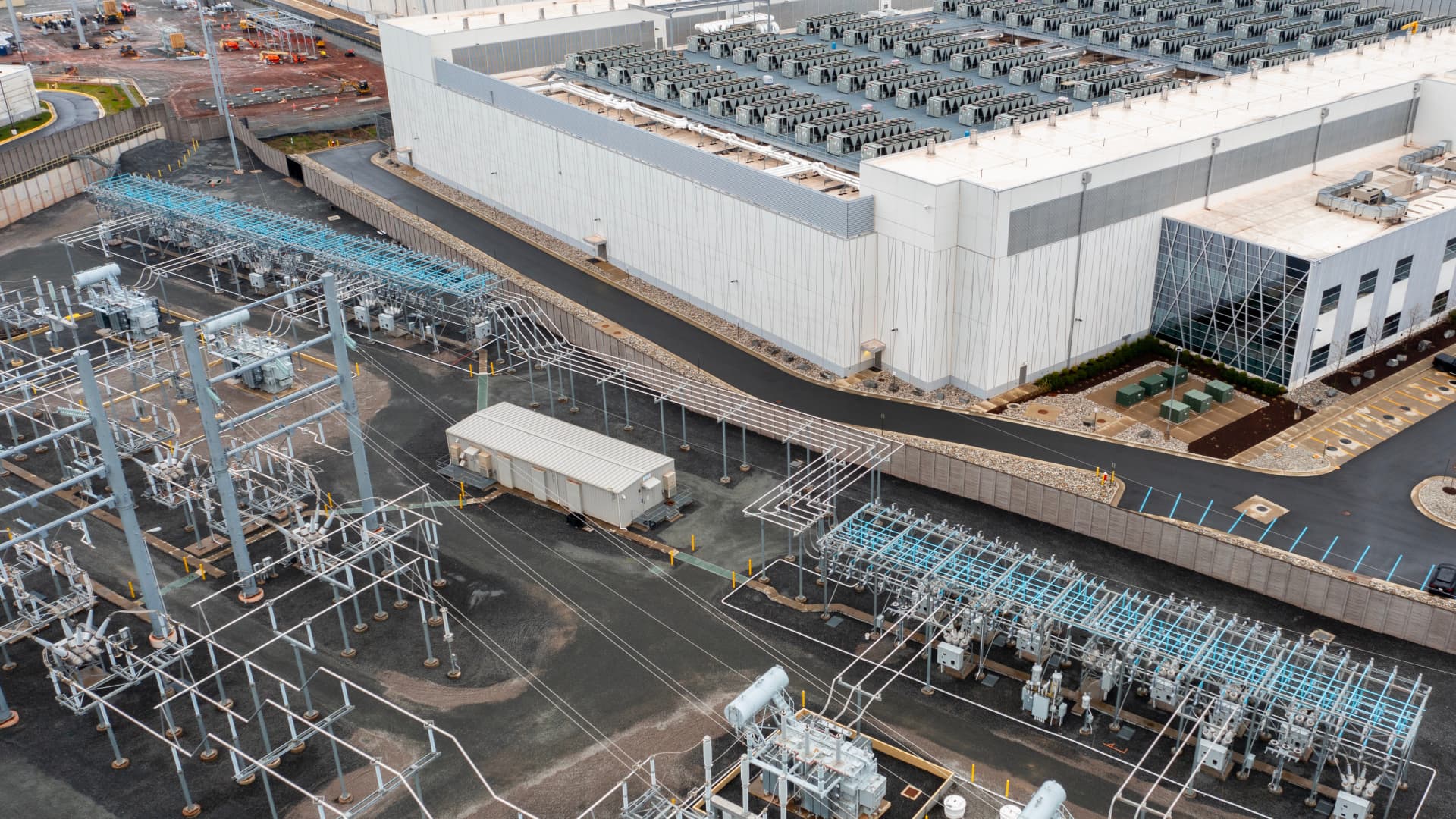
- Surging Power Demand: Due to the immense power needs of AI data centers, Dominion Energy plans to invest nearly $55 billion in building facilities to support these demands, demonstrating the far-reaching effects of AI on the energy sector.
Trade with 70% Backtested Accuracy
Stop guessing "Should I Buy GS?" and start using high-conviction signals backed by rigorous historical data.
Sign up today to access powerful investing tools and make smarter, data-driven decisions.
Analyst Views on GS
Wall Street analysts forecast GS stock price to fall
12 Analyst Rating
5 Buy
7 Hold
0 Sell
Moderate Buy
Current: 1019.610

Low
604.00
Averages
951.45
High
1100
Current: 1019.610
Low
604.00
Averages
951.45
High
1100
About GS
The Goldman Sachs Group, Inc. is a global financial institution that delivers a range of financial services to a large and diversified client base that includes corporations, financial institutions, governments and individuals. Its segments include Global Banking & Markets, Asset & Wealth Management and Platform Solutions. The Global Banking & Markets segment offers a range of services, including financing, advisory services, risk distribution, and hedging for its institutional and corporate clients. It facilitates client transactions and makes markets in fixed income, equity, currency and commodity products. The Asset & Wealth Management segment manages assets and offers investment products across all asset classes to a diverse set of clients. It also provides investing and wealth advisory solutions. The Platform Solutions segment includes consumer platforms, such as partnerships offering credit cards and point-of-sale financing, and transaction banking and other platform businesses.
About the author

Emily J. Thompson
Emily J. Thompson, a Chartered Financial Analyst (CFA) with 12 years in investment research, graduated with honors from the Wharton School. Specializing in industrial and technology stocks, she provides in-depth analysis for Intellectia’s earnings and market brief reports.
Analysis of Today's High Yield CD Rates

- Current Highest Rate: As of June 28, 2026, the highest CD rate is 4.10% APY offered by Marcus by Goldman Sachs on its 14-month CD, indicating strong competitiveness in long-term CD rates in the current economic climate, encouraging savers to lock in funds for higher returns.
- Interest Calculation Example: Investing $1,000 in a one-year CD with a 1.52% APY results in a year-end balance of $1,015.20, demonstrating that even lower rates can yield stable returns, reflecting the reliability of CDs as a savings tool.
- High Deposit Earnings: Choosing a one-year CD at 4% APY with a $10,000 deposit leads to a year-end balance of $10,407.42, meaning an interest earning of $407.42, highlighting the positive correlation between deposit amounts and earnings, encouraging savers to consider higher deposits.
- Diversity of CD Types: The market offers various types of CDs, such as bump-up CDs and no-penalty CDs, which may require accepting lower rates but provide greater flexibility, catering to different savers' needs and reflecting the trend of diversification in financial products.
See More

Market Dynamics and Company Updates


- Market Recovery: S&P 500 and Nasdaq futures are up this morning, recovering some of last week's losses after the U.S. and Iran agreed to halt military strikes, which is expected to ease geopolitical tensions and potentially boost market sentiment.
- Honeywell Spin-off: Honeywell has completed the spin-off of its aviation and defense business into a standalone company called Honeywell Aerospace (HONA), receiving a buy rating and a $306 price target from Melius, indicating strong market confidence in its future growth prospects.
- Space Industry Deal: Rocket Lab is acquiring Iridium Communications in a cash-and-stock deal valued at approximately $8 billion, which is expected to be a transformative deal in the space industry, enhancing Rocket Lab's market position and expanding its business capabilities.
- Semiconductor Price Target Adjustments: Cantor Fitzgerald raised price targets on several semiconductor stocks, including Micron and Applied Materials, reflecting an optimistic outlook on the semiconductor industry's recovery, which may attract more investor interest in the sector.
See More
Signs of Economic Recovery in China

- Manufacturing Recovery: The China Beige Book's survey of 1,321 businesses indicates that factory activity accelerated in June, particularly with significant year-on-year gains in U.S.-bound orders, suggesting a gradual recovery in China's economy after a slowdown in April and May.
- Retail Sales Rebound: Although retail sales fell for the first time since the pandemic in May, June data shows a substantial increase in luxury goods sales, reflecting a recovery in consumer confidence that could support economic growth if the trend continues.
- Significant Export Growth: China's exports to the U.S. surged by 11.3% and 35.4% in April and May, respectively, indicating that businesses are rushing to ship goods before potential tariff increases, further driving economic recovery amid a favorable trade environment.
- Upgraded GDP Forecast: Goldman Sachs raised its third-quarter GDP growth forecast for China from 4.5% to 5%, primarily benefiting from lower oil prices and accelerated fiscal spending, which are expected to provide additional growth momentum for the economy.
See More

SpaceX Achieves Record IPO, Poised for Major Growth Ahead
- Historic IPO: SpaceX's public debut on June 12 raised $85.7 billion, nearly three times the amount raised by Saudi Aramco in its 2019 IPO, marking the largest IPO in Wall Street history and significantly increasing market interest in the space economy.
- Nasdaq-100 Inclusion: SpaceX is set to meet the criteria for inclusion in the Nasdaq-100 on July 7, which is expected to trigger tens of billions in passive buying demand, further driving up the company's stock price and enhancing market recognition.
- Underwriters' Quiet Period Ends: The quiet period for SpaceX's underwriters will conclude on July 6, leading to a likely influx of buy recommendations and lofty price targets, potentially stimulating investor enthusiasm and driving short-term stock price increases.
- Share Lockup Risk: While the stock may see short-term gains, insiders will be allowed to sell their shares starting on the second trading day after the first quarterly earnings report, which could lead to volatility and price corrections in the weeks following July 7, necessitating caution from investors.
See More
SpaceX Achieves Record-Breaking IPO Fundraising

- Historic Fundraising: SpaceX successfully went public on June 12, raising $85.7 billion, nearly three times the amount raised by Saudi Aramco in its 2019 IPO, marking a strong performance in the capital markets and expected to attract significant investor interest.
- Fast Nasdaq Inclusion: SpaceX is set to be included in the Nasdaq-100 on July 7 due to revised inclusion criteria, which will lead to tens of billions in passive buying demand, further driving up its stock price.
- End of Underwriters' Quiet Period: The quiet period for SpaceX's underwriters ends on July 6, likely resulting in a flurry of buy recommendations and lofty price targets that could stimulate market demand for its shares and boost investor confidence.
- Lockup Period Risks: While the stock price may surge due to index inclusion and underwriter recommendations, insiders will have the opportunity to sell shares shortly after the first earnings report, potentially leading to a price drop in the weeks following the initial surge, necessitating caution from investors.
See More
Today's CD Rates Exceed National Average
- Rate Trends: The Federal Reserve's three interest rate cuts in 2025 and subsequent stability in 2026 have led to rising deposit account rates, making it an opportune time to lock in high CD rates, with the current highest rate at 4.10% APY.
- Competitive Advantage: Today's CD rates are among the highest in nearly two decades, significantly exceeding the national average of 1.65%, primarily due to the Fed's high-rate policy aimed at combating inflation, which enhances consumer deposit appeal.
- Selection Strategy: Consumers are advised to compare CD rates from various financial institutions, particularly noting that online banks often offer more competitive rates due to lower operational costs, allowing for higher interest returns.
- Flexibility Considerations: When evaluating CDs, it is crucial to review not only the interest rates but also the terms regarding early withdrawal penalties and auto-renewal policies, as some CDs offer no-penalty withdrawal options, catering to investors needing liquidity.
See More
Analysis of Today's High Yield CD Rates
- Current Highest Rate: As of June 28, 2026, the highest CD rate is 4.10% APY offered by Marcus by Goldman Sachs on its 14-month CD, indicating strong competitiveness in long-term CD rates in the current economic climate, encouraging savers to lock in funds for higher returns.
- Interest Calculation Example: Investing $1,000 in a one-year CD with a 1.52% APY results in a year-end balance of $1,015.20, demonstrating that even lower rates can yield stable returns, reflecting the reliability of CDs as a savings tool.
- High Deposit Earnings: Choosing a one-year CD at 4% APY with a $10,000 deposit leads to a year-end balance of $10,407.42, meaning an interest earning of $407.42, highlighting the positive correlation between deposit amounts and earnings, encouraging savers to consider higher deposits.
- Diversity of CD Types: The market offers various types of CDs, such as bump-up CDs and no-penalty CDs, which may require accepting lower rates but provide greater flexibility, catering to different savers' needs and reflecting the trend of diversification in financial products.
See More
Market Dynamics and Company Updates
- Market Recovery: S&P 500 and Nasdaq futures are up this morning, recovering some of last week's losses after the U.S. and Iran agreed to halt military strikes, which is expected to ease geopolitical tensions and potentially boost market sentiment.
- Honeywell Spin-off: Honeywell has completed the spin-off of its aviation and defense business into a standalone company called Honeywell Aerospace (HONA), receiving a buy rating and a $306 price target from Melius, indicating strong market confidence in its future growth prospects.
- Space Industry Deal: Rocket Lab is acquiring Iridium Communications in a cash-and-stock deal valued at approximately $8 billion, which is expected to be a transformative deal in the space industry, enhancing Rocket Lab's market position and expanding its business capabilities.
- Semiconductor Price Target Adjustments: Cantor Fitzgerald raised price targets on several semiconductor stocks, including Micron and Applied Materials, reflecting an optimistic outlook on the semiconductor industry's recovery, which may attract more investor interest in the sector.
See More
Signs of Economic Recovery in China
- Manufacturing Recovery: The China Beige Book's survey of 1,321 businesses indicates that factory activity accelerated in June, particularly with significant year-on-year gains in U.S.-bound orders, suggesting a gradual recovery in China's economy after a slowdown in April and May.
- Retail Sales Rebound: Although retail sales fell for the first time since the pandemic in May, June data shows a substantial increase in luxury goods sales, reflecting a recovery in consumer confidence that could support economic growth if the trend continues.
- Significant Export Growth: China's exports to the U.S. surged by 11.3% and 35.4% in April and May, respectively, indicating that businesses are rushing to ship goods before potential tariff increases, further driving economic recovery amid a favorable trade environment.
- Upgraded GDP Forecast: Goldman Sachs raised its third-quarter GDP growth forecast for China from 4.5% to 5%, primarily benefiting from lower oil prices and accelerated fiscal spending, which are expected to provide additional growth momentum for the economy.
See More
SpaceX Achieves Record IPO, Poised for Major Growth Ahead
- Historic IPO: SpaceX's public debut on June 12 raised $85.7 billion, nearly three times the amount raised by Saudi Aramco in its 2019 IPO, marking the largest IPO in Wall Street history and significantly increasing market interest in the space economy.
- Nasdaq-100 Inclusion: SpaceX is set to meet the criteria for inclusion in the Nasdaq-100 on July 7, which is expected to trigger tens of billions in passive buying demand, further driving up the company's stock price and enhancing market recognition.
- Underwriters' Quiet Period Ends: The quiet period for SpaceX's underwriters will conclude on July 6, leading to a likely influx of buy recommendations and lofty price targets, potentially stimulating investor enthusiasm and driving short-term stock price increases.
- Share Lockup Risk: While the stock may see short-term gains, insiders will be allowed to sell their shares starting on the second trading day after the first quarterly earnings report, which could lead to volatility and price corrections in the weeks following July 7, necessitating caution from investors.
See More
SpaceX Achieves Record-Breaking IPO Fundraising
- Historic Fundraising: SpaceX successfully went public on June 12, raising $85.7 billion, nearly three times the amount raised by Saudi Aramco in its 2019 IPO, marking a strong performance in the capital markets and expected to attract significant investor interest.
- Fast Nasdaq Inclusion: SpaceX is set to be included in the Nasdaq-100 on July 7 due to revised inclusion criteria, which will lead to tens of billions in passive buying demand, further driving up its stock price.
- End of Underwriters' Quiet Period: The quiet period for SpaceX's underwriters ends on July 6, likely resulting in a flurry of buy recommendations and lofty price targets that could stimulate market demand for its shares and boost investor confidence.
- Lockup Period Risks: While the stock price may surge due to index inclusion and underwriter recommendations, insiders will have the opportunity to sell shares shortly after the first earnings report, potentially leading to a price drop in the weeks following the initial surge, necessitating caution from investors.
See More
Today's CD Rates Exceed National Average
- Rate Trends: The Federal Reserve's three interest rate cuts in 2025 and subsequent stability in 2026 have led to rising deposit account rates, making it an opportune time to lock in high CD rates, with the current highest rate at 4.10% APY.
- Competitive Advantage: Today's CD rates are among the highest in nearly two decades, significantly exceeding the national average of 1.65%, primarily due to the Fed's high-rate policy aimed at combating inflation, which enhances consumer deposit appeal.
- Selection Strategy: Consumers are advised to compare CD rates from various financial institutions, particularly noting that online banks often offer more competitive rates due to lower operational costs, allowing for higher interest returns.
- Flexibility Considerations: When evaluating CDs, it is crucial to review not only the interest rates but also the terms regarding early withdrawal penalties and auto-renewal policies, as some CDs offer no-penalty withdrawal options, catering to investors needing liquidity.
See More