SpaceX IPO Poised to Be Largest in History
Written by Emily J. Thompson, Senior Investment Analyst
Updated: 1 hour ago
0mins
Should l Buy TSLA?
Source: Fool
- Significant Fundraising Goal: SpaceX aims to raise approximately $75 billion through its IPO, targeting a valuation between $1.75 trillion and $2 trillion, which would make it the largest listing in history, reflecting strong market confidence in the space industry.
- Robust Financial Performance: With projected revenues between $15 billion and $16 billion by 2025 and an EBITDA of $8 billion, SpaceX's financial strength is driven by 635 successful Falcon rocket launches and over 9 million Starlink internet users, showcasing its operational success.
- AI Market Dominance Potential: Analyst Gene Munster highlights that SpaceX has the unique capability to build a fully sovereign AI through its asset constellation, with the market potentially worth $600 billion by 2030, underscoring its strategic importance in future technology sectors.
- Four Pillar Advantages: SpaceX's four pillars include its launch monopoly, Starlink network, Grok data model, and Terafab semiconductor facility, which collectively provide a structural advantage in the intelligence economy, enhancing profitability and driving long-term growth.
Trade with 70% Backtested Accuracy
Stop guessing "Should I Buy TSLA?" and start using high-conviction signals backed by rigorous historical data.
Sign up today to access powerful investing tools and make smarter, data-driven decisions.
Analyst Views on TSLA
Wall Street analysts forecast TSLA stock price to rise
30 Analyst Rating
12 Buy
11 Hold
7 Sell
Hold
Current: 343.250

Low
25.28
Averages
401.93
High
600.00
Current: 343.250
Low
25.28
Averages
401.93
High
600.00
About TSLA
Tesla, Inc. designs, develops, manufactures, sells and leases high-performance fully electric vehicles and energy generation and storage systems, and offers services related to its products. Its segments include automotive, and energy generation and storage. The automotive segment includes the design, development, manufacturing, sales and leasing of high-performance fully electric vehicles, and sales of automotive regulatory credits. It also includes sales of used vehicles, non-warranty maintenance services and collisions, part sales, paid supercharging, insurance services revenue and retail merchandise sales. The energy generation and storage segment include the design, manufacture, installation, sales and leasing of solar energy generation and energy storage products and related services and sales of solar energy systems incentives. Its consumer vehicles include the Model 3, Y, S, X and Cybertruck. Its lithium-ion battery energy storage products include Powerwall and Megapack.
About the author

Emily J. Thompson
Emily J. Thompson, a Chartered Financial Analyst (CFA) with 12 years in investment research, graduated with honors from the Wharton School. Specializing in industrial and technology stocks, she provides in-depth analysis for Intellectia’s earnings and market brief reports.

Tesla's Q1 Deliveries Fall Short of Expectations

- Delivery and Production Gap: Tesla delivered 358,023 vehicles in Q1, missing the analyst expectation of 370,000 units and marking a 14.4% drop from 418,227 units in the previous quarter, indicating weak demand in the EV market that could hinder future sales growth.
- Inventory Build-Up Issue: The company produced over 408,000 vehicles in Q1, exceeding deliveries by about 50,000 units, which raises concerns about liquidity and may impact Tesla's ability to invest in capital-intensive projects.
- Decline in Energy Storage Business: Energy storage deployments plummeted 38% to 8.8 GWh in Q1, down from 14.2 GWh in the prior quarter, weakening a critical pillar of support for the company's overall growth narrative and potentially affecting investor confidence.
- Capital Expenditure Pressure: Tesla forecasts capital expenditures to exceed $20 billion this year; while the company is making significant investments in AI and robotics, the weak demand in its core automotive business could lead to insufficient future cash flow, increasing financial risk.
See More

ARK Invest Increases Tesla Holdings Amid Stock Pullback
- Increased Tesla Holdings: ARK Invest purchased 79,845 shares of Tesla this week for approximately $27.8 million, demonstrating confidence during the stock's pullback, even as Tesla's shares hit a seven-month low, negatively impacting ARKK's overall performance.
- Production Plan Shift: CEO Elon Musk announced that only a few hundred Model S and Model X vehicles remain in inventory, with plans to cease production of these models next quarter and repurpose the Fremont factory for the Optimus humanoid robot, marking a significant strategic shift for the company.
- Delivery Data Insights: Tesla delivered about 16,130 vehicles in the “other models” category in Q1, while Model 3 and Model Y deliveries totaled 341,893, indicating strong performance in high-demand models, yet the overall delivery figures could not offset the stock price decline.
- Market Sentiment and Risks: While ARK continues to accumulate shares, JPMorgan reiterated its 'Underweight' rating, warning of a potential 60% downside for the stock and lowering its 2026 EPS forecast to $1.8, reflecting uncertainties around demand and inventory levels.
See More

SpaceX IPO Poised to Be Largest in History
- Significant Fundraising Goal: SpaceX aims to raise approximately $75 billion through its IPO, targeting a valuation between $1.75 trillion and $2 trillion, which would make it the largest listing in history, reflecting strong market confidence in the space industry.
- Robust Financial Performance: With projected revenues between $15 billion and $16 billion by 2025 and an EBITDA of $8 billion, SpaceX's financial strength is driven by 635 successful Falcon rocket launches and over 9 million Starlink internet users, showcasing its operational success.
- AI Market Dominance Potential: Analyst Gene Munster highlights that SpaceX has the unique capability to build a fully sovereign AI through its asset constellation, with the market potentially worth $600 billion by 2030, underscoring its strategic importance in future technology sectors.
- Four Pillar Advantages: SpaceX's four pillars include its launch monopoly, Starlink network, Grok data model, and Terafab semiconductor facility, which collectively provide a structural advantage in the intelligence economy, enhancing profitability and driving long-term growth.
See More
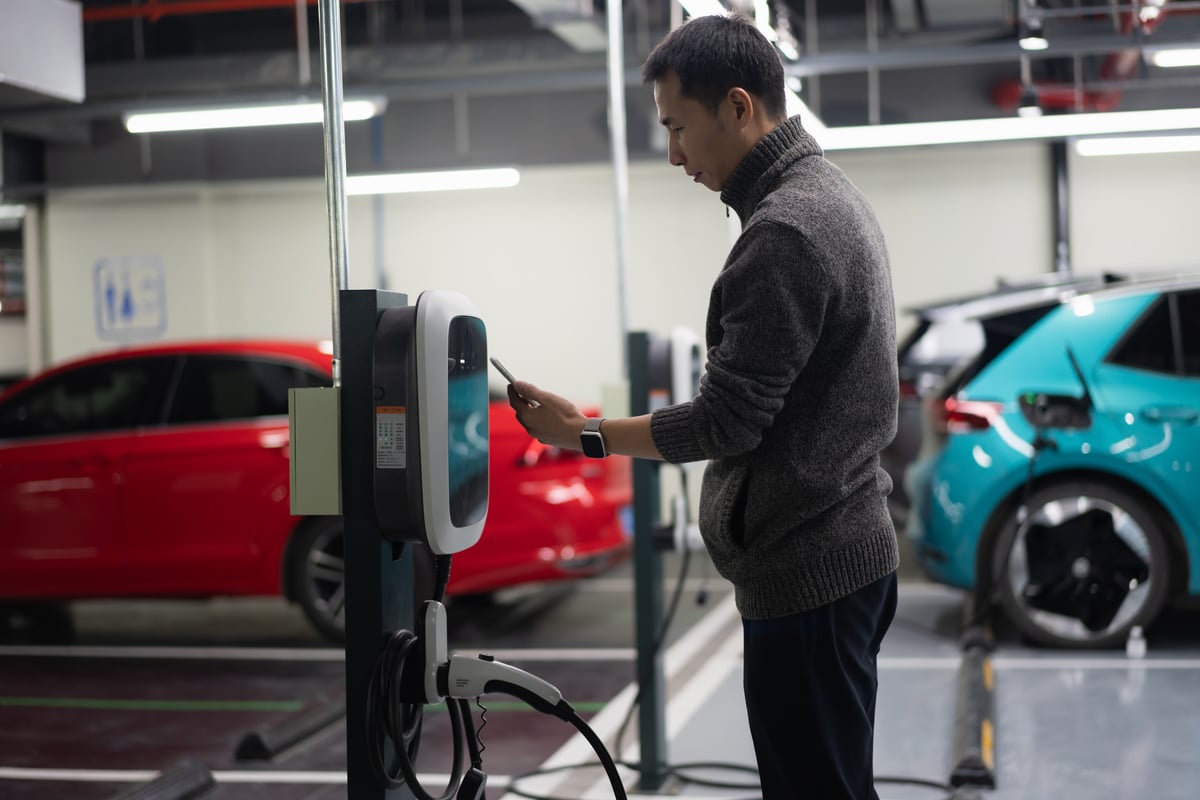
Investment Choice Between Tesla and BYD
- Intensifying Market Competition: In 2025, Tesla's automotive revenue declined by 10% year-over-year with a 9% drop in deliveries, while BYD surpassed Tesla as the world's top EV seller with over 2.25 million units sold, highlighting the fierce competition in the market.
- Tesla's Strategic Shift: Tesla is pivoting towards artificial intelligence and autonomous robotaxis, and while this diversification strategy is compelling, its impact on investors remains uncertain and may take years to materialize.
- BYD's International Expansion: In March 2026, BYD exported 120,083 vehicles internationally, marking a 65% year-over-year increase, demonstrating strong growth potential in global markets despite fierce competition at home in China.
- Valuation Comparison: Tesla's trailing P/E ratio stands at 333, indicating it is relatively expensive, whereas BYD's forward P/E ratio is 18, suggesting its stock may be undervalued, making it a more attractive option for five-year investors.
See More

Nio Shares Drop 4.86% Post ES9 SUV Launch Amid Market Reactions

- Stock Price Movement: Nio (NIO) closed at $6.07 on Thursday, down 4.86%, indicating cautious market sentiment following the launch of its new ES9 SUV, which is touted as the largest fully electric SUV in China.
- Surge in Trading Volume: Trading volume reached 68.5 million shares, approximately 52% above the three-month average of 45.2 million shares, reflecting heightened investor interest in the new model, though it may also suggest short-term profit-taking.
- Market Performance: Among EV manufacturers, Tesla (TSLA) rose 0.69% to $345.62, while Li Auto (LI) fell 1.83% to $18.29, highlighting mixed sentiment towards EV stocks, with Nio's price fluctuations contributing to this trend.
- Future Outlook: Despite the drop, Nio's stock has risen 27% over the past month, reflecting optimism about future delivery volumes and sales growth, with investors closely monitoring upcoming Q1 results and delivery updates to assess the sustainability of its growth trajectory.
See More

EV Market Slowdown Creates Investment Opportunities in Overlooked Stocks

- Market Growth Slowdown: From 2020 to 2023, the electric vehicle market experienced rapid expansion, but growth has significantly slowed due to reduced government subsidies, market saturation among early adopters, and macroeconomic pressures, leading to diminished investor interest in EV stocks.
- QuantumScape's Outlook: QuantumScape focuses on developing solid-state lithium-metal batteries, with projected revenue growth from under $1 million in 2026 to $545 million in 2028; although it has yet to commercialize its products, its partnership with Volkswagen is expected to drive licensing revenue growth.
- ChargePoint User Growth: ChargePoint operated 385,000 charging ports at the end of fiscal 2026, with active users rising 8% to 1.48 million, and as the EV market continues to expand, its user base and market share are expected to grow.
- Future Revenue Projections: Analysts anticipate ChargePoint's revenue will grow at a 13% CAGR from $411 million in 2025 to $590 million in 2028, and with a current market cap of $125 million, its stock appears undervalued at less than one times this year's sales.
See More
Tesla's Q1 Deliveries Fall Short of Expectations
- Delivery and Production Gap: Tesla delivered 358,023 vehicles in Q1, missing the analyst expectation of 370,000 units and marking a 14.4% drop from 418,227 units in the previous quarter, indicating weak demand in the EV market that could hinder future sales growth.
- Inventory Build-Up Issue: The company produced over 408,000 vehicles in Q1, exceeding deliveries by about 50,000 units, which raises concerns about liquidity and may impact Tesla's ability to invest in capital-intensive projects.
- Decline in Energy Storage Business: Energy storage deployments plummeted 38% to 8.8 GWh in Q1, down from 14.2 GWh in the prior quarter, weakening a critical pillar of support for the company's overall growth narrative and potentially affecting investor confidence.
- Capital Expenditure Pressure: Tesla forecasts capital expenditures to exceed $20 billion this year; while the company is making significant investments in AI and robotics, the weak demand in its core automotive business could lead to insufficient future cash flow, increasing financial risk.
See More
ARK Invest Increases Tesla Holdings Amid Stock Pullback
- Increased Tesla Holdings: ARK Invest purchased 79,845 shares of Tesla this week for approximately $27.8 million, demonstrating confidence during the stock's pullback, even as Tesla's shares hit a seven-month low, negatively impacting ARKK's overall performance.
- Production Plan Shift: CEO Elon Musk announced that only a few hundred Model S and Model X vehicles remain in inventory, with plans to cease production of these models next quarter and repurpose the Fremont factory for the Optimus humanoid robot, marking a significant strategic shift for the company.
- Delivery Data Insights: Tesla delivered about 16,130 vehicles in the “other models” category in Q1, while Model 3 and Model Y deliveries totaled 341,893, indicating strong performance in high-demand models, yet the overall delivery figures could not offset the stock price decline.
- Market Sentiment and Risks: While ARK continues to accumulate shares, JPMorgan reiterated its 'Underweight' rating, warning of a potential 60% downside for the stock and lowering its 2026 EPS forecast to $1.8, reflecting uncertainties around demand and inventory levels.
See More
SpaceX IPO Poised to Be Largest in History
- Significant Fundraising Goal: SpaceX aims to raise approximately $75 billion through its IPO, targeting a valuation between $1.75 trillion and $2 trillion, which would make it the largest listing in history, reflecting strong market confidence in the space industry.
- Robust Financial Performance: With projected revenues between $15 billion and $16 billion by 2025 and an EBITDA of $8 billion, SpaceX's financial strength is driven by 635 successful Falcon rocket launches and over 9 million Starlink internet users, showcasing its operational success.
- AI Market Dominance Potential: Analyst Gene Munster highlights that SpaceX has the unique capability to build a fully sovereign AI through its asset constellation, with the market potentially worth $600 billion by 2030, underscoring its strategic importance in future technology sectors.
- Four Pillar Advantages: SpaceX's four pillars include its launch monopoly, Starlink network, Grok data model, and Terafab semiconductor facility, which collectively provide a structural advantage in the intelligence economy, enhancing profitability and driving long-term growth.
See More
Investment Choice Between Tesla and BYD
- Intensifying Market Competition: In 2025, Tesla's automotive revenue declined by 10% year-over-year with a 9% drop in deliveries, while BYD surpassed Tesla as the world's top EV seller with over 2.25 million units sold, highlighting the fierce competition in the market.
- Tesla's Strategic Shift: Tesla is pivoting towards artificial intelligence and autonomous robotaxis, and while this diversification strategy is compelling, its impact on investors remains uncertain and may take years to materialize.
- BYD's International Expansion: In March 2026, BYD exported 120,083 vehicles internationally, marking a 65% year-over-year increase, demonstrating strong growth potential in global markets despite fierce competition at home in China.
- Valuation Comparison: Tesla's trailing P/E ratio stands at 333, indicating it is relatively expensive, whereas BYD's forward P/E ratio is 18, suggesting its stock may be undervalued, making it a more attractive option for five-year investors.
See More
Nio Shares Drop 4.86% Post ES9 SUV Launch Amid Market Reactions
- Stock Price Movement: Nio (NIO) closed at $6.07 on Thursday, down 4.86%, indicating cautious market sentiment following the launch of its new ES9 SUV, which is touted as the largest fully electric SUV in China.
- Surge in Trading Volume: Trading volume reached 68.5 million shares, approximately 52% above the three-month average of 45.2 million shares, reflecting heightened investor interest in the new model, though it may also suggest short-term profit-taking.
- Market Performance: Among EV manufacturers, Tesla (TSLA) rose 0.69% to $345.62, while Li Auto (LI) fell 1.83% to $18.29, highlighting mixed sentiment towards EV stocks, with Nio's price fluctuations contributing to this trend.
- Future Outlook: Despite the drop, Nio's stock has risen 27% over the past month, reflecting optimism about future delivery volumes and sales growth, with investors closely monitoring upcoming Q1 results and delivery updates to assess the sustainability of its growth trajectory.
See More
EV Market Slowdown Creates Investment Opportunities in Overlooked Stocks
- Market Growth Slowdown: From 2020 to 2023, the electric vehicle market experienced rapid expansion, but growth has significantly slowed due to reduced government subsidies, market saturation among early adopters, and macroeconomic pressures, leading to diminished investor interest in EV stocks.
- QuantumScape's Outlook: QuantumScape focuses on developing solid-state lithium-metal batteries, with projected revenue growth from under $1 million in 2026 to $545 million in 2028; although it has yet to commercialize its products, its partnership with Volkswagen is expected to drive licensing revenue growth.
- ChargePoint User Growth: ChargePoint operated 385,000 charging ports at the end of fiscal 2026, with active users rising 8% to 1.48 million, and as the EV market continues to expand, its user base and market share are expected to grow.
- Future Revenue Projections: Analysts anticipate ChargePoint's revenue will grow at a 13% CAGR from $411 million in 2025 to $590 million in 2028, and with a current market cap of $125 million, its stock appears undervalued at less than one times this year's sales.
See More