S&P 500 Futures Rise in Pre-Market Trading; QXO and Mosaic Underperform
Written by Emily J. Thompson, Senior Investment Analyst
Updated: Jan 16 2026
0mins

Source: Barron's
Market Opening: U.S. stock markets are set to open in two hours.
AST SpaceMobile Inc. Performance: AST SpaceMobile Inc. (ASTS) saw a 6.8% increase in pre-market trading.
Sandisk Corp. Performance: Sandisk Corp. (SNDK) experienced a 5.3% rise in pre-market trading.
Overall Market Sentiment: The pre-market gains indicate positive sentiment among investors for these companies.
Trade with 70% Backtested Accuracy
Stop guessing "Should I Buy MOS?" and start using high-conviction signals backed by rigorous historical data.
Sign up today to access powerful investing tools and make smarter, data-driven decisions.
Analyst Views on MOS
Wall Street analysts forecast MOS stock price to rise
13 Analyst Rating
6 Buy
7 Hold
0 Sell
Moderate Buy
Current: 22.510

Low
24.00
Averages
32.38
High
43.00
Current: 22.510
Low
24.00
Averages
32.38
High
43.00
About MOS
The Mosaic Company is a producer and marketer of concentrated phosphate and potash crop nutrients. The Company’s segments include Phosphates, Potash and Mosaic Fertilizantes. The Phosphates segment sells phosphate-based crop nutrients and animal feed ingredients throughout North America and internationally. The Potash business segment owns and operates potash mines and production facilities in Canada and the United States, which produces potash-based crop nutrients, animal feed ingredients and industrial products, and is sold both in domestic and international. The Mosaic Fertilizantes Segment produces and sells phosphate- and potash-based crop nutrients, and animal feed ingredients, in Brazil. In addition to phosphate rock mines and chemical plants, this segment consists of sales offices, crop nutrient blending and bagging facilities, port terminals and warehouses in Brazil and Paraguay. This segment also serves as a distribution outlet for its Phosphates and Potash segments.
About the author

Emily J. Thompson
Emily J. Thompson, a Chartered Financial Analyst (CFA) with 12 years in investment research, graduated with honors from the Wharton School. Specializing in industrial and technology stocks, she provides in-depth analysis for Intellectia’s earnings and market brief reports.

US-Iran Agreement's Limited Impact on Fertilizer Exports
- Fertilizer Export Challenges: Although the US-Iran agreement aims to restore access through the Strait of Hormuz, fertilizer exports remain hindered due to unclear security conditions, leading to diminished market expectations for supply recovery.
- Severe Shipping Bottlenecks: Over 40 fertilizer-laden vessels are currently stranded in the Strait of Hormuz, with weekly exports collapsing by approximately 90% since the conflict began, dropping from nearly 600,000 metric tons in late February to about 60,000 tons by early June, severely impacting global fertilizer supply.
- Price Volatility: Despite urea prices retreating over 30% since mid-April, US urea prices remain about 10% higher than last year, indicating market concerns regarding future supply recovery.
- Shifting Demand Priorities: Analysts expect that when shipping resumes, energy cargoes will take precedence over fertilizer shipments, potentially delaying the recovery process in the fertilizer market and affecting the stability of agricultural supply chains.
See More

KLAC Plummets 90%, Worst Performer in S&P 500 Today
- Price Plunge: KLAC's stock has plummeted 90% today, making it the worst performer in the S&P 500, reflecting extreme pessimism about its future prospects, which could further erode investor confidence.
- Poor Year-to-Date Performance: With a year-to-date decline of approximately 80.2%, KLAC's vulnerability in the current economic environment is evident, potentially impacting its financing capabilities and market competitiveness.
- Market Volatility: Today's trading saw EchoStar's stock drop 8.3%, while Albemarle rose 5.6%, indicating varied market reactions to different companies, likely influenced by their fundamentals and market expectations.
- Investor Sentiment: The drastic fluctuations in KLAC's stock may raise concerns among investors regarding the semiconductor industry as a whole, especially amid increasing economic uncertainty, potentially leading to broader market corrections.
See More

US Inflation Hits Three-Year High Amid Geopolitical Tensions


- Rising Inflation: The US consumer price index rose to an annual rate of 4.2% in May, with Trump expressing optimism that prices will drop sharply once the conflict with Iran concludes, reflecting a potentially misleading confidence in economic stability amidst rising costs.
- Geopolitical Tensions: US airstrikes on Iran have escalated tensions in the Strait of Hormuz, driving oil prices higher, with July crude futures increasing by 2.94% to $92.68 per barrel and Brent futures rising by 2.52% to $95.45, indicating market sensitivity to energy price fluctuations.
- Market Volatility: Amid rising inflation and energy prices, Wall Street faced significant declines on Wednesday, with the Dow dropping over 900 points, highlighting investor concerns about future economic prospects, particularly as chip stocks experienced substantial sell-offs.
- Meta's Investment in India: Meta has agreed to lease an AI-enabled data center with a capacity of 168 megawatts from Reliance Industries in India, expected to be delivered within two years, which will enhance Meta's global AI infrastructure and demonstrate its long-term commitment to the Indian market.
See More

Dow Hits All-Time High as Oil Prices Cool
- Dow's Historic High: The Dow Jones Industrial Average reached an all-time high during a strong trading session, reflecting market optimism about the potential end of the Iran war, despite a weaker performance from the Nasdaq, indicating a divergence in tech stocks.
- Oil Price Decline: Brent crude futures fell by 2.8% to close at $95.03 per barrel, while West Texas Intermediate futures dropped 3.1% to settle at $93.04, suggesting a reduction in market concerns over future supply, which could impact profitability in the energy sector.
- Tech Stock Volatility: Broadcom's stock plummeted approximately 15% after missing revenue expectations, dragging the Nasdaq down nearly 0.1%, highlighting the pressures faced by the tech industry that may affect overall market sentiment.
- SpaceX IPO Festivities: Major Wall Street banks, including Bank of America, JPMorgan, and Morgan Stanley, are hosting lavish events for SpaceX's record $75 billion IPO, which is expected to value the company at $1.75 trillion, further driving market attention towards tech stock performance.
See More
Middle East Tensions Impact Market Volatility

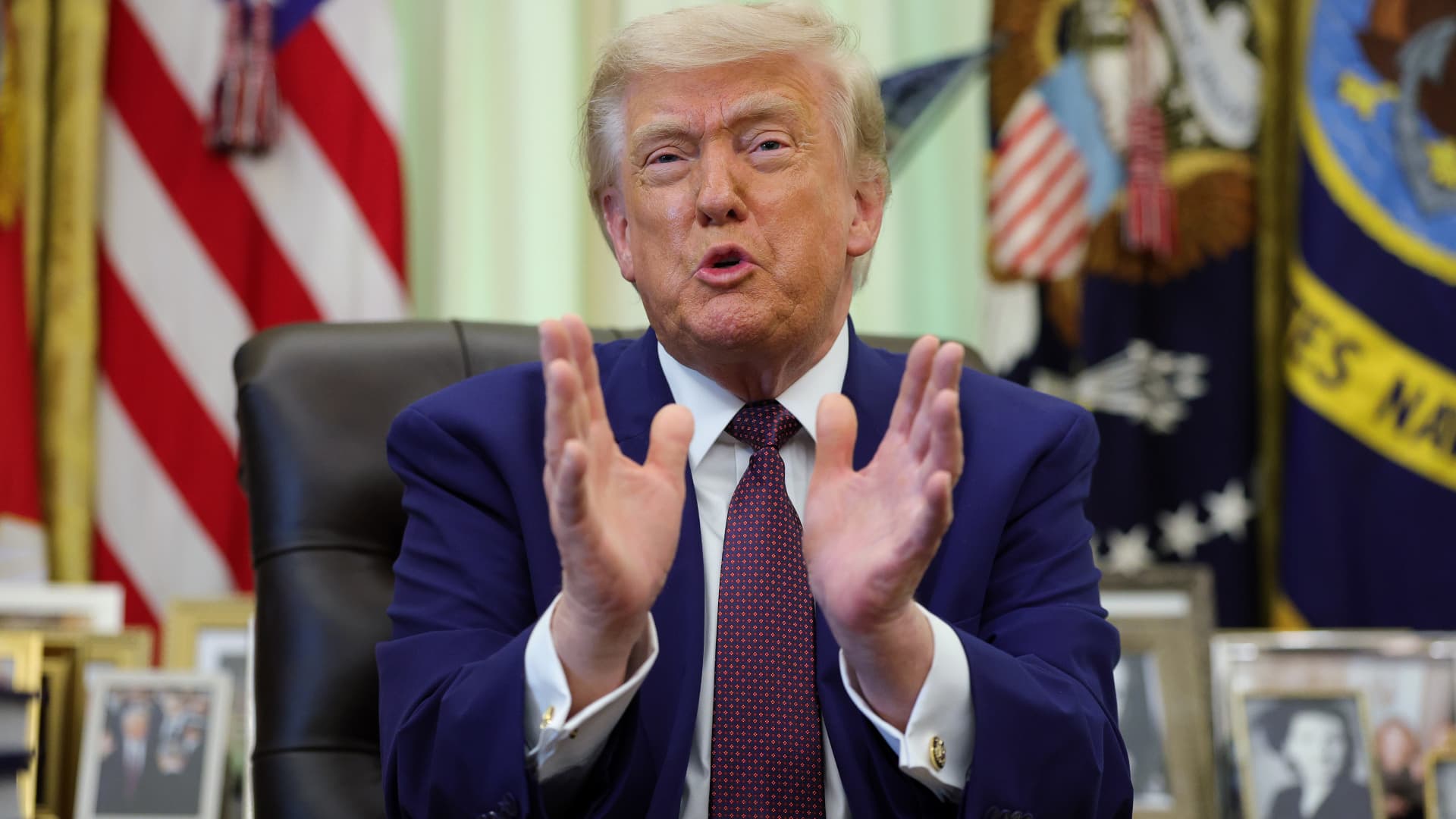
- Escalating Middle East Tensions: Israeli Prime Minister Netanyahu stated that Israel and the U.S. are prepared to take military action against Iran if necessary, which pushed oil prices higher despite a ceasefire agreement with Lebanon, highlighting the complexity of the situation.
- U.S. Congressional Response: The U.S. House passed a war powers measure to end military involvement in Iran, reflecting growing congressional pushback against the scope and duration of the conflict, although the measure still needs Senate approval and could face a presidential veto.
- Corporate Earnings Impact: Broadcom's shares plummeted nearly 14% in after-hours trading due to weaker-than-expected software revenue and failure to raise its full-year AI chip sales target, negatively impacting Wall Street's recent tech-led rally.
- Bitcoin Market Dynamics: Long-term holders of Bitcoin have begun selling, with approximately $2.4 billion sold in the past two days, which could significantly affect Bitcoin's supply/demand balance, particularly as 26% of the sold Bitcoin was purchased above $90,000.
See More
AI Momentum Drives Wall Street to New Heights
- Market Milestones: The S&P 500 reached another record close as traders absorbed tech headlines from the Computex conference in Taipei, reflecting strong investor confidence in the AI sector and signaling a potential influx of capital into major tech firms.
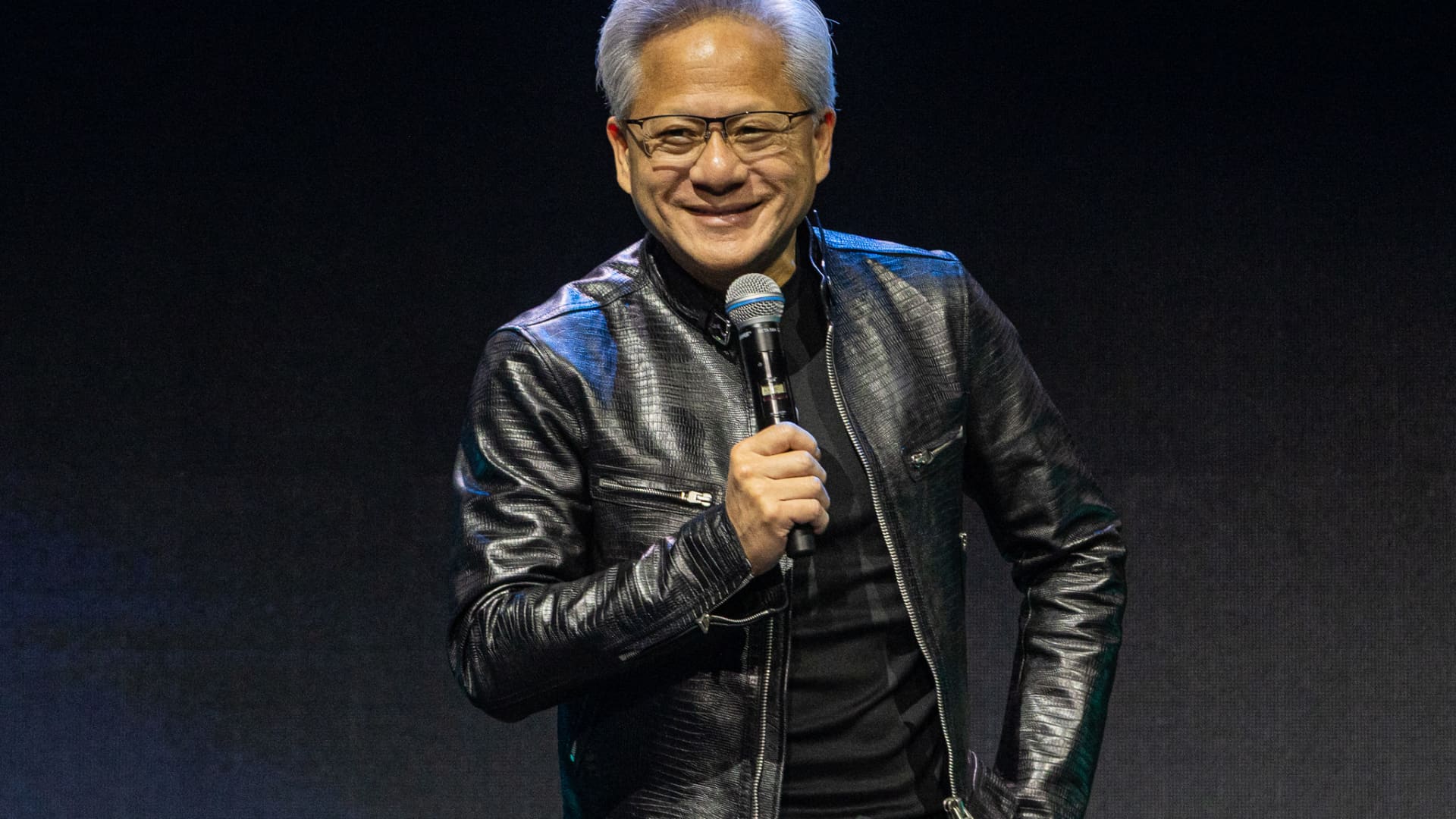
- Nvidia's Influence: CEO Jensen Huang's announcement of new PC processors developed with Microsoft at the conference led to a 32% surge in Marvell's stock, highlighting Huang's market influence and the potential for guiding future tech investments.
- Geopolitical Risks: Despite ongoing optimism in the AI space, geopolitical tensions, particularly the unresolved conflict between the U.S. and Iran, pose a risk to market sentiment, necessitating vigilance among investors.
- Oil Price Fluctuations: West Texas Intermediate futures rose over 1% to $94.81 per barrel due to potential disruptions in the Strait of Hormuz, indicating market sensitivity to geopolitical risks that could impact future energy investment strategies.
See More
US-Iran Agreement's Limited Impact on Fertilizer Exports
- Fertilizer Export Challenges: Although the US-Iran agreement aims to restore access through the Strait of Hormuz, fertilizer exports remain hindered due to unclear security conditions, leading to diminished market expectations for supply recovery.
- Severe Shipping Bottlenecks: Over 40 fertilizer-laden vessels are currently stranded in the Strait of Hormuz, with weekly exports collapsing by approximately 90% since the conflict began, dropping from nearly 600,000 metric tons in late February to about 60,000 tons by early June, severely impacting global fertilizer supply.
- Price Volatility: Despite urea prices retreating over 30% since mid-April, US urea prices remain about 10% higher than last year, indicating market concerns regarding future supply recovery.
- Shifting Demand Priorities: Analysts expect that when shipping resumes, energy cargoes will take precedence over fertilizer shipments, potentially delaying the recovery process in the fertilizer market and affecting the stability of agricultural supply chains.
See More
KLAC Plummets 90%, Worst Performer in S&P 500 Today
- Price Plunge: KLAC's stock has plummeted 90% today, making it the worst performer in the S&P 500, reflecting extreme pessimism about its future prospects, which could further erode investor confidence.
- Poor Year-to-Date Performance: With a year-to-date decline of approximately 80.2%, KLAC's vulnerability in the current economic environment is evident, potentially impacting its financing capabilities and market competitiveness.
- Market Volatility: Today's trading saw EchoStar's stock drop 8.3%, while Albemarle rose 5.6%, indicating varied market reactions to different companies, likely influenced by their fundamentals and market expectations.
- Investor Sentiment: The drastic fluctuations in KLAC's stock may raise concerns among investors regarding the semiconductor industry as a whole, especially amid increasing economic uncertainty, potentially leading to broader market corrections.
See More
US Inflation Hits Three-Year High Amid Geopolitical Tensions
- Rising Inflation: The US consumer price index rose to an annual rate of 4.2% in May, with Trump expressing optimism that prices will drop sharply once the conflict with Iran concludes, reflecting a potentially misleading confidence in economic stability amidst rising costs.
- Geopolitical Tensions: US airstrikes on Iran have escalated tensions in the Strait of Hormuz, driving oil prices higher, with July crude futures increasing by 2.94% to $92.68 per barrel and Brent futures rising by 2.52% to $95.45, indicating market sensitivity to energy price fluctuations.
- Market Volatility: Amid rising inflation and energy prices, Wall Street faced significant declines on Wednesday, with the Dow dropping over 900 points, highlighting investor concerns about future economic prospects, particularly as chip stocks experienced substantial sell-offs.
- Meta's Investment in India: Meta has agreed to lease an AI-enabled data center with a capacity of 168 megawatts from Reliance Industries in India, expected to be delivered within two years, which will enhance Meta's global AI infrastructure and demonstrate its long-term commitment to the Indian market.
See More
Dow Hits All-Time High as Oil Prices Cool
- Dow's Historic High: The Dow Jones Industrial Average reached an all-time high during a strong trading session, reflecting market optimism about the potential end of the Iran war, despite a weaker performance from the Nasdaq, indicating a divergence in tech stocks.
- Oil Price Decline: Brent crude futures fell by 2.8% to close at $95.03 per barrel, while West Texas Intermediate futures dropped 3.1% to settle at $93.04, suggesting a reduction in market concerns over future supply, which could impact profitability in the energy sector.
- Tech Stock Volatility: Broadcom's stock plummeted approximately 15% after missing revenue expectations, dragging the Nasdaq down nearly 0.1%, highlighting the pressures faced by the tech industry that may affect overall market sentiment.
- SpaceX IPO Festivities: Major Wall Street banks, including Bank of America, JPMorgan, and Morgan Stanley, are hosting lavish events for SpaceX's record $75 billion IPO, which is expected to value the company at $1.75 trillion, further driving market attention towards tech stock performance.
See More
Middle East Tensions Impact Market Volatility
- Escalating Middle East Tensions: Israeli Prime Minister Netanyahu stated that Israel and the U.S. are prepared to take military action against Iran if necessary, which pushed oil prices higher despite a ceasefire agreement with Lebanon, highlighting the complexity of the situation.
- U.S. Congressional Response: The U.S. House passed a war powers measure to end military involvement in Iran, reflecting growing congressional pushback against the scope and duration of the conflict, although the measure still needs Senate approval and could face a presidential veto.
- Corporate Earnings Impact: Broadcom's shares plummeted nearly 14% in after-hours trading due to weaker-than-expected software revenue and failure to raise its full-year AI chip sales target, negatively impacting Wall Street's recent tech-led rally.
- Bitcoin Market Dynamics: Long-term holders of Bitcoin have begun selling, with approximately $2.4 billion sold in the past two days, which could significantly affect Bitcoin's supply/demand balance, particularly as 26% of the sold Bitcoin was purchased above $90,000.
See More
AI Momentum Drives Wall Street to New Heights
- Market Milestones: The S&P 500 reached another record close as traders absorbed tech headlines from the Computex conference in Taipei, reflecting strong investor confidence in the AI sector and signaling a potential influx of capital into major tech firms.
- Nvidia's Influence: CEO Jensen Huang's announcement of new PC processors developed with Microsoft at the conference led to a 32% surge in Marvell's stock, highlighting Huang's market influence and the potential for guiding future tech investments.
- Geopolitical Risks: Despite ongoing optimism in the AI space, geopolitical tensions, particularly the unresolved conflict between the U.S. and Iran, pose a risk to market sentiment, necessitating vigilance among investors.
- Oil Price Fluctuations: West Texas Intermediate futures rose over 1% to $94.81 per barrel due to potential disruptions in the Strait of Hormuz, indicating market sensitivity to geopolitical risks that could impact future energy investment strategies.
See More