Should Invesco Dividend Achievers ETF (PFM) Be on Your Investing Radar?


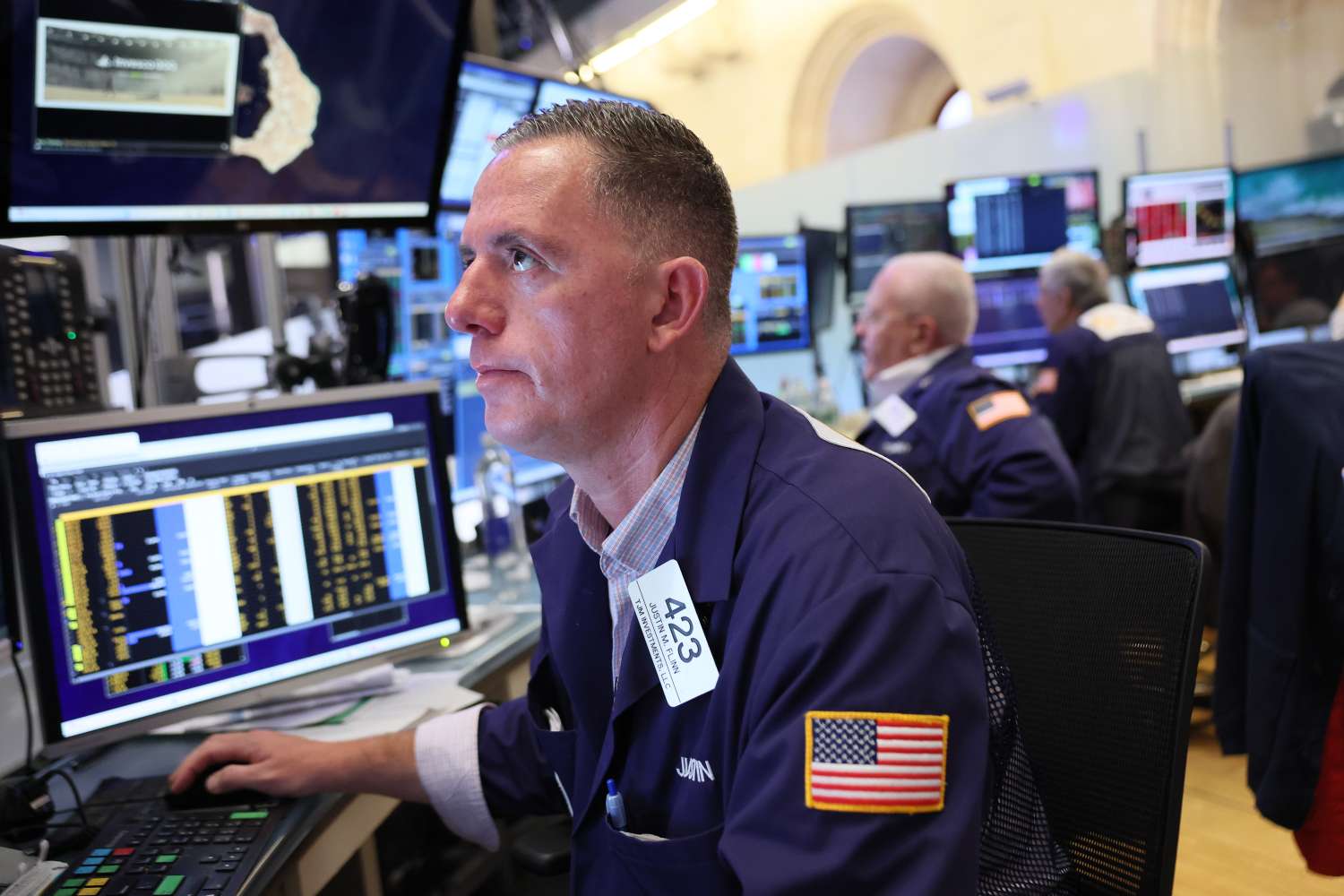
Invesco Dividend Achievers ETF Overview: The Invesco Dividend Achievers ETF (PFM) is a passively managed fund focused on the Large Cap Value segment of the US equity market, with assets over $697 million and an annual operating expense ratio of 0.53%. It aims to match the performance of the NASDAQ US Broad Dividend Achievers Index, featuring significant holdings in Information Technology, Financials, and Healthcare sectors.
Performance and Comparison: PFM has shown a year-to-date gain of 16.28% and a one-year increase of approximately 23.33%, while maintaining a medium risk profile with a beta of 0.83. Other similar ETFs like Schwab U.S. Dividend Equity ETF (SCHD) and Vanguard Value ETF (VTV) offer lower expense ratios and larger asset bases, making them alternatives for investors seeking dividend-paying stocks.
Trade with 70% Backtested Accuracy
Analyst Views on AAPL

About AAPL
About the author

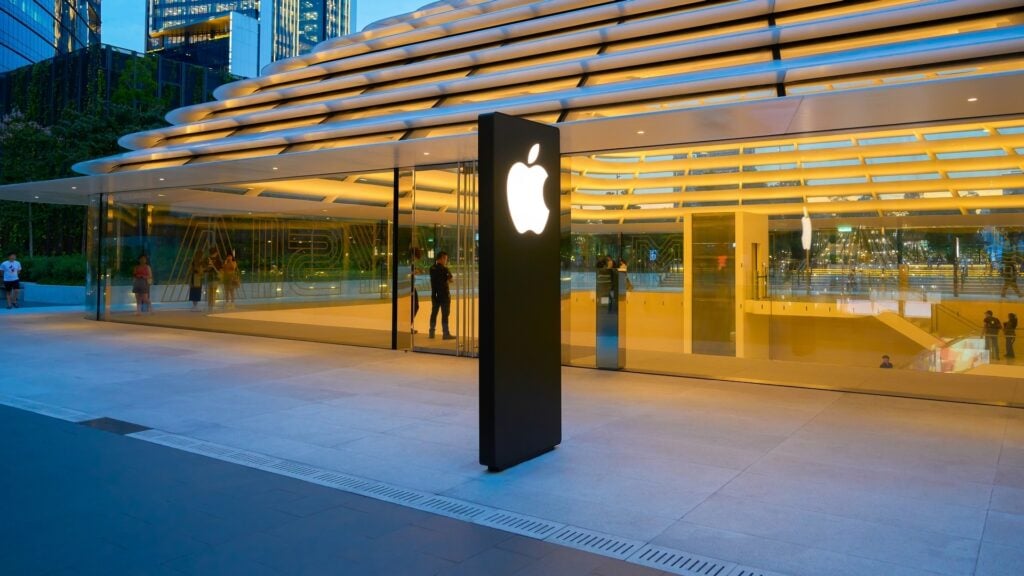
Apple's New MacBook Neo Gains Attention

- Pricing Advantage: Apple's newly launched MacBook Neo is priced at $600, making it the first dedicated budget laptop aimed at users, which is expected to attract a significant number of students and older users, thereby enhancing Apple's market share in the education sector.
- Strong User Ratings: Renowned tech reviewer MKBHD awarded high ratings across various user groups for the MacBook Neo, with students receiving an A+, indicating the product's robust capability to meet educational needs, potentially driving more users towards Apple products.
- Significant Market Potential: Investor Gene Munster estimates that the MacBook Neo could contribute 0.5% to Apple's overall revenue in the next year and potentially add $2 billion in annual revenue to the Mac segment, driving a 6% growth for that division.
- Expanded User Base: MKBHD's review also awarded an A rating to older users, suggesting that the product has the potential to attract seniors who have not previously used Apple products, further broadening Apple's market reach.

TSMC Poised for Strong Growth Ahead


- Market Share Leadership: TSMC, as the world's largest contract chip manufacturer, is expected to capture nearly 70% of the market share by 2025, significantly outpacing Samsung Electronics at 7%, which not only solidifies its industry position but also lays a strong foundation for future revenue growth.
- Price Increase Strategy: TSMC plans to implement a price hike of 3% to 10% on its most advanced chipmaking processes starting in 2026, with annual increases expected through 2029, indicating strong pricing power and clear visibility of demand ahead.
- Increased Capital Expenditure: Management plans to raise capital expenditures to between $52 billion and $56 billion in 2026, a 27% increase from last year, which will support the construction of new facilities in Arizona, thereby mitigating geopolitical risks and enhancing capacity.
- Revenue Growth Outlook: TSMC anticipates a 30% revenue growth for the full year of 2026 and has updated its five-year revenue outlook for 2025-2029 to a compound annual growth rate of 25%, indicating that the company will continue to benefit from strong market demand in the coming years.

TSMC Poised for Strong Revenue Growth Ahead
- Market Share Expansion: TSMC is projected to capture nearly 70% of chip design spending by 2025, significantly outpacing Samsung's 7%, indicating a strengthening dominance in the global semiconductor market that enhances its pricing power and market influence.
- Pricing Strategy: TSMC plans to implement a price increase of 3% to 10% on its advanced chipmaking processes starting in early 2026, expected to continue through 2029, reflecting strong demand expectations and significantly boosting the company's profitability and shareholder returns.
- Increased Capital Expenditure: Management plans to raise capital expenditures to between $52 billion and $56 billion in 2026, up from $40.9 billion last year, with investments aimed at new facility construction to mitigate geopolitical risks and support future capacity expansion.
- Revenue Growth Outlook: TSMC anticipates a 30% revenue growth for the full year of 2026 and a compound annual growth rate of 25% over the next five years, indicating that the company's profitability will continue to strengthen amid surging demand for AI and data centers.
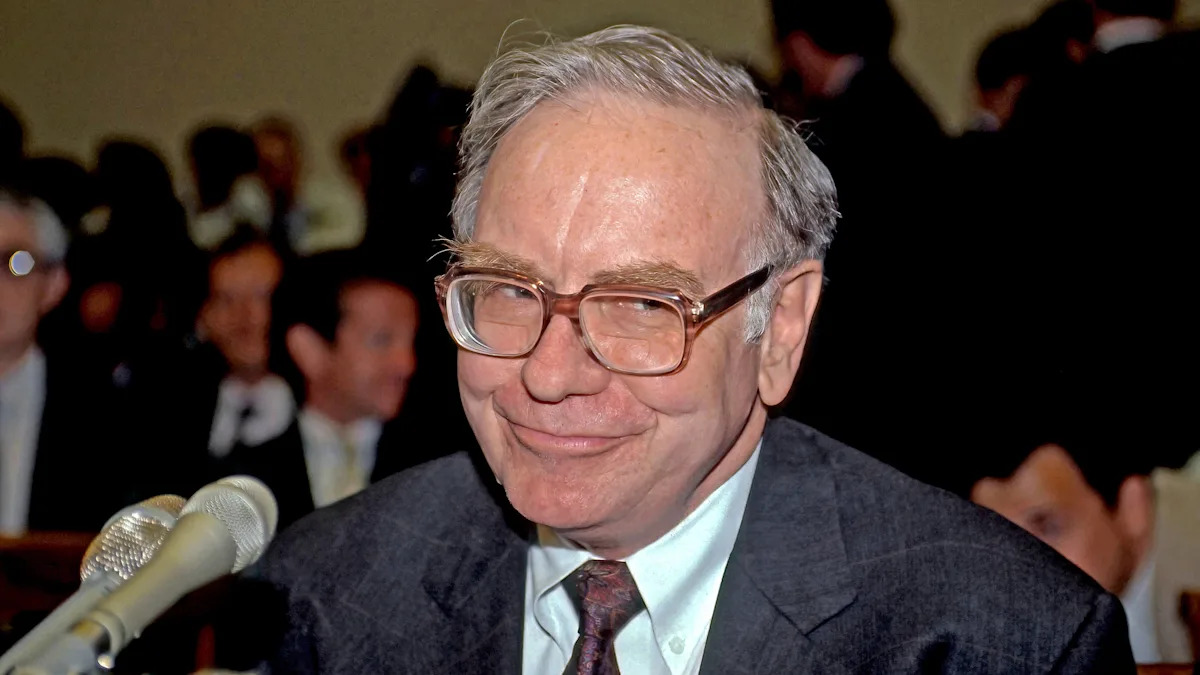
Warren Buffett's Investment Legacy and Lessons


- Staggering Returns: Since Warren Buffett took control of Berkshire Hathaway in 1965, the company's stock has returned over 6 million%, vastly outperforming the S&P 500's 46,061% during the same period, showcasing his exceptional investment acumen and the success of a long-term holding strategy.
- Coca-Cola's Lasting Profits: Buffett invested $1.3 billion in Coca-Cola in 1988, and by 2025, its value had soared to $31 billion, with annual dividends increasing from $75 million to $816 million, illustrating the power of compounding and brand strength.
- Bank of America's Strategic Deal: In 2011, Buffett invested $5 billion in Bank of America, securing $300 million in annual income and realizing a $12 billion paper profit by 2017 through warrant exercise, demonstrating his ability to seize opportunities during crises.
- Apple's Strategic Investment: Buffett invested approximately $36 billion in Apple in 2016, and by 2023, its value exceeded $174 billion, indicating his deep understanding of consumer brands and a successful pivot into tech investments.

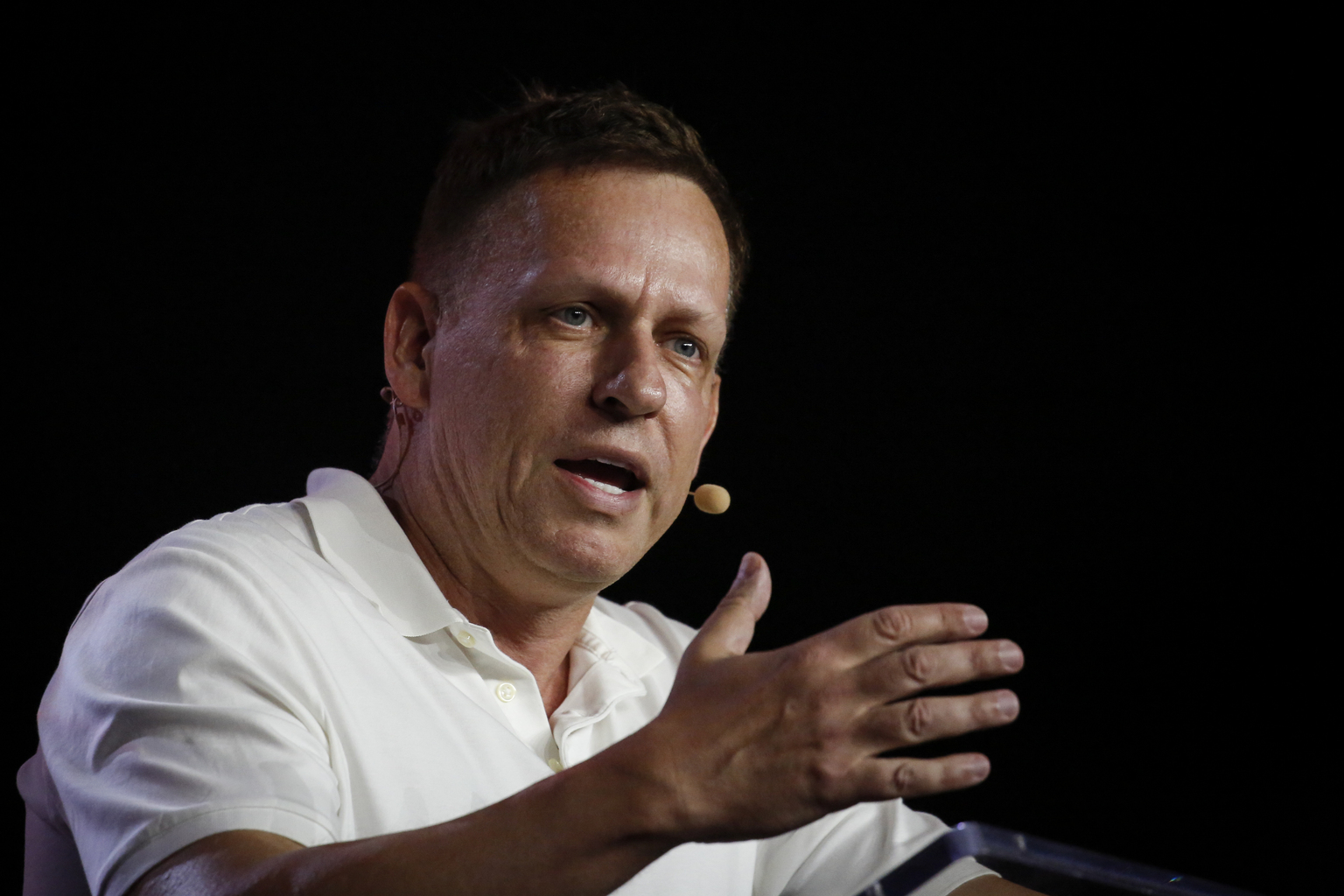
Peter Thiel Sells All Stocks, Raises Market Concerns
- Portfolio Liquidation: Peter Thiel's hedge fund, Thiel Macro, sold its $74 million positions in Tesla, Microsoft, and Apple in Q4 2025, indicating a loss of confidence in these companies and possibly reflecting concerns over market valuations.
- Historical Warning: Thiel similarly liquidated his portfolio in Q4 2019 and did not trade for five years; while the S&P 500 rose approximately 91% during that period, he avoided significant losses by selling put options, highlighting the complexity of his investment strategy.
- Valuation Risks: As of Q4 2025, the S&P 500's cyclically adjusted price-to-earnings (CAPE) ratio reached 39.1, significantly above the 30-year average of 28.5, with historical data suggesting a high likelihood of negative returns over the next three years at such elevated valuations.
- Market Divergence: Despite Thiel's pessimism towards Tesla, Microsoft, and Apple, Wall Street analysts generally view these stocks as undervalued, with target prices implying upside potentials of 22%, 51%, and 21% respectively, indicating strong market confidence in these tech giants.

Peter Thiel Sells Tesla, Microsoft, and Apple Stocks
- Sell-Off Decision: Peter Thiel's hedge fund, Thiel Macro, sold $74 million worth of Tesla, Microsoft, and Apple stocks in Q4 2025, indicating a loss of confidence in these companies, potentially due to concerns over market valuations.
- Historical Review: Thiel made a similar move in Q4 2019, selling all positions and avoiding losses, but missed out on approximately 91% returns over the next five years, highlighting the risks associated with his investment strategy.
- Market Valuation: As of Q4 2025, the S&P 500's cyclically adjusted price-to-earnings (CAPE) ratio reached 39.1, significantly above the 30-year average of 28.5, with historical data suggesting that future returns may decline sharply from such high valuations.
- Analyst Perspectives: Despite Thiel's pessimism towards Tesla, Microsoft, and Apple, most Wall Street analysts believe these stocks are undervalued, reflecting ongoing market confidence in these tech giants, likely bolstered by the rapid advancements in artificial intelligence.
Apple's New MacBook Neo Gains Attention
- Pricing Advantage: Apple's newly launched MacBook Neo is priced at $600, making it the first dedicated budget laptop aimed at users, which is expected to attract a significant number of students and older users, thereby enhancing Apple's market share in the education sector.
- Strong User Ratings: Renowned tech reviewer MKBHD awarded high ratings across various user groups for the MacBook Neo, with students receiving an A+, indicating the product's robust capability to meet educational needs, potentially driving more users towards Apple products.
- Significant Market Potential: Investor Gene Munster estimates that the MacBook Neo could contribute 0.5% to Apple's overall revenue in the next year and potentially add $2 billion in annual revenue to the Mac segment, driving a 6% growth for that division.
- Expanded User Base: MKBHD's review also awarded an A rating to older users, suggesting that the product has the potential to attract seniors who have not previously used Apple products, further broadening Apple's market reach.
TSMC Poised for Strong Growth Ahead
- Market Share Leadership: TSMC, as the world's largest contract chip manufacturer, is expected to capture nearly 70% of the market share by 2025, significantly outpacing Samsung Electronics at 7%, which not only solidifies its industry position but also lays a strong foundation for future revenue growth.
- Price Increase Strategy: TSMC plans to implement a price hike of 3% to 10% on its most advanced chipmaking processes starting in 2026, with annual increases expected through 2029, indicating strong pricing power and clear visibility of demand ahead.
- Increased Capital Expenditure: Management plans to raise capital expenditures to between $52 billion and $56 billion in 2026, a 27% increase from last year, which will support the construction of new facilities in Arizona, thereby mitigating geopolitical risks and enhancing capacity.
- Revenue Growth Outlook: TSMC anticipates a 30% revenue growth for the full year of 2026 and has updated its five-year revenue outlook for 2025-2029 to a compound annual growth rate of 25%, indicating that the company will continue to benefit from strong market demand in the coming years.
TSMC Poised for Strong Revenue Growth Ahead
- Market Share Expansion: TSMC is projected to capture nearly 70% of chip design spending by 2025, significantly outpacing Samsung's 7%, indicating a strengthening dominance in the global semiconductor market that enhances its pricing power and market influence.
- Pricing Strategy: TSMC plans to implement a price increase of 3% to 10% on its advanced chipmaking processes starting in early 2026, expected to continue through 2029, reflecting strong demand expectations and significantly boosting the company's profitability and shareholder returns.
- Increased Capital Expenditure: Management plans to raise capital expenditures to between $52 billion and $56 billion in 2026, up from $40.9 billion last year, with investments aimed at new facility construction to mitigate geopolitical risks and support future capacity expansion.
- Revenue Growth Outlook: TSMC anticipates a 30% revenue growth for the full year of 2026 and a compound annual growth rate of 25% over the next five years, indicating that the company's profitability will continue to strengthen amid surging demand for AI and data centers.
Warren Buffett's Investment Legacy and Lessons
- Staggering Returns: Since Warren Buffett took control of Berkshire Hathaway in 1965, the company's stock has returned over 6 million%, vastly outperforming the S&P 500's 46,061% during the same period, showcasing his exceptional investment acumen and the success of a long-term holding strategy.
- Coca-Cola's Lasting Profits: Buffett invested $1.3 billion in Coca-Cola in 1988, and by 2025, its value had soared to $31 billion, with annual dividends increasing from $75 million to $816 million, illustrating the power of compounding and brand strength.
- Bank of America's Strategic Deal: In 2011, Buffett invested $5 billion in Bank of America, securing $300 million in annual income and realizing a $12 billion paper profit by 2017 through warrant exercise, demonstrating his ability to seize opportunities during crises.
- Apple's Strategic Investment: Buffett invested approximately $36 billion in Apple in 2016, and by 2023, its value exceeded $174 billion, indicating his deep understanding of consumer brands and a successful pivot into tech investments.
Peter Thiel Sells All Stocks, Raises Market Concerns
- Portfolio Liquidation: Peter Thiel's hedge fund, Thiel Macro, sold its $74 million positions in Tesla, Microsoft, and Apple in Q4 2025, indicating a loss of confidence in these companies and possibly reflecting concerns over market valuations.
- Historical Warning: Thiel similarly liquidated his portfolio in Q4 2019 and did not trade for five years; while the S&P 500 rose approximately 91% during that period, he avoided significant losses by selling put options, highlighting the complexity of his investment strategy.
- Valuation Risks: As of Q4 2025, the S&P 500's cyclically adjusted price-to-earnings (CAPE) ratio reached 39.1, significantly above the 30-year average of 28.5, with historical data suggesting a high likelihood of negative returns over the next three years at such elevated valuations.
- Market Divergence: Despite Thiel's pessimism towards Tesla, Microsoft, and Apple, Wall Street analysts generally view these stocks as undervalued, with target prices implying upside potentials of 22%, 51%, and 21% respectively, indicating strong market confidence in these tech giants.
Peter Thiel Sells Tesla, Microsoft, and Apple Stocks
- Sell-Off Decision: Peter Thiel's hedge fund, Thiel Macro, sold $74 million worth of Tesla, Microsoft, and Apple stocks in Q4 2025, indicating a loss of confidence in these companies, potentially due to concerns over market valuations.
- Historical Review: Thiel made a similar move in Q4 2019, selling all positions and avoiding losses, but missed out on approximately 91% returns over the next five years, highlighting the risks associated with his investment strategy.
- Market Valuation: As of Q4 2025, the S&P 500's cyclically adjusted price-to-earnings (CAPE) ratio reached 39.1, significantly above the 30-year average of 28.5, with historical data suggesting that future returns may decline sharply from such high valuations.
- Analyst Perspectives: Despite Thiel's pessimism towards Tesla, Microsoft, and Apple, most Wall Street analysts believe these stocks are undervalued, reflecting ongoing market confidence in these tech giants, likely bolstered by the rapid advancements in artificial intelligence.