Peter Thiel Hosts Private Lectures on Antichrist in Rome
Written by Emily J. Thompson, Senior Investment Analyst
Updated: 1 hour ago
0mins
Should l Buy PLTR?
Source: seekingalpha
- Controversial Private Lectures: Billionaire Peter Thiel's private lectures in Rome on the Antichrist have attracted participants from academia, technology, and religious communities, but have also faced criticism from Catholic commentators, highlighting the contentious nature of his religious views.
- Tensions with the Catholic Church: The event has drawn attention from the Vatican, although Catholic institutions denied hosting it and the Pope's official schedule shows no planned meeting with Thiel, reflecting the Church's wariness of his ideas.
- Intersection of Technology and Ethics: Thiel's thinking is seen as blending technology, politics, and theology in ways that challenge mainstream democratic ideas, with the Italian Catholic newspaper L'Avvenire warning that tech leaders should not set ethical standards for digital platforms without democratic oversight.
- Connections to Conservatives: Thiel remains closely linked to conservative political figures in Washington, and his appearance in Rome follows recent visits by several prominent figures associated with the U.S. conservative movement, underscoring his influence within these circles.
Trade with 70% Backtested Accuracy
Stop guessing "Should I Buy PLTR?" and start using high-conviction signals backed by rigorous historical data.
Sign up today to access powerful investing tools and make smarter, data-driven decisions.
Analyst Views on PLTR
Wall Street analysts forecast PLTR stock price to rise
17 Analyst Rating
5 Buy
10 Hold
2 Sell
Hold
Current: 153.500

Low
50.00
Averages
192.88
High
255.00
Current: 153.500
Low
50.00
Averages
192.88
High
255.00
About PLTR
Palantir Technologies Inc. is engaged in building software to assist in counterterrorism investigations and operations. The Company has built four principal software platforms, including Palantir Gotham (Gotham), Palantir Foundry (Foundry), Palantir Apollo (Apollo), and Palantir Artificial Intelligence Platform (AIP). Apollo is a cloud-agnostic, single control layer that coordinates ongoing delivery of new features, security updates, and platform configurations, helping to ensure the continuous operation of critical systems. Gotham enables users to identify patterns hidden deep within datasets, ranging from signals intelligence sources to reports from confidential informants. Foundry transforms the ways organizations operate by creating a central operating system for their data. AIP enables responsible artificial intelligence (AI)-advantage across the enterprise by using primary, core components built to effectively activate large language models and other AI within any organization.
About the author

Emily J. Thompson
Emily J. Thompson, a Chartered Financial Analyst (CFA) with 12 years in investment research, graduated with honors from the Wharton School. Specializing in industrial and technology stocks, she provides in-depth analysis for Intellectia’s earnings and market brief reports.

Palantir Stock Rebounds Amid Middle East Conflict

- Stock Recovery: Palantir's stock has rallied 14% in March 2026, recovering from a 12% decline year-to-date, indicating a resurgence of market confidence in its growth prospects, particularly amid the Middle East conflict.
- Government Contract Potential: In Q4 2025, Palantir generated 40% of its total revenue from the U.S. government, a 66% year-over-year increase, suggesting that the company’s strong performance in government contracts could be further bolstered by the current geopolitical tensions.
- Strong Commercial Growth: Palantir's commercial revenue surged by 82% year-over-year in Q4 2025, with over 200 new commercial customers added, demonstrating sustained demand for its software solutions, and the company anticipates a 60% revenue increase in 2026.
- Analyst Optimism: Rosenblatt Securities raised Palantir's price target from $150 to $200, indicating a 27% upside, reflecting analysts' positive outlook on the company's prospects in the government contract sector.
See More
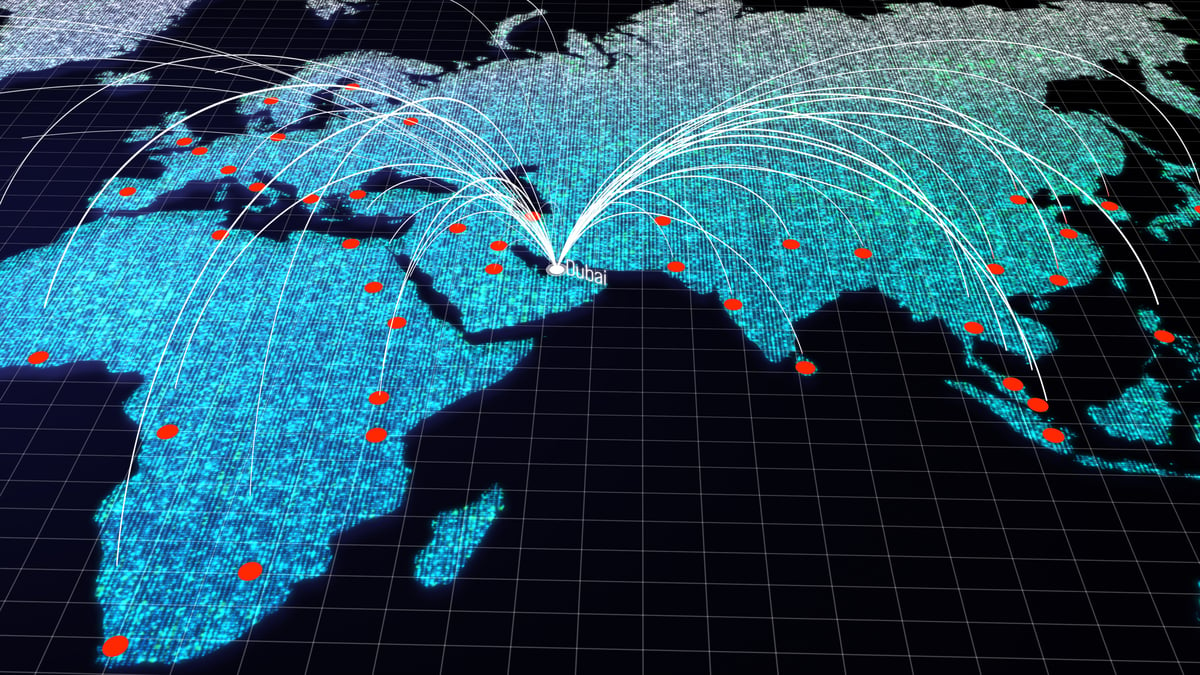
Impact of Iran War on Global AI Data Centers

- Humanitarian Impact: The Iran war has resulted in thousands of deaths and millions displaced, with economic repercussions spreading globally, potentially destabilizing international markets and affecting global supply chains.
- First Military Targeting: On March 1, Iranian drone strikes targeted three Amazon AWS data centers, marking the first military attack on AI data centers, which could reshape the future construction of AI infrastructure for years to come.
- Cloud Service Disruption: The strikes severely impacted cloud availability in the UAE and Bahrain, affecting banks and online payment platforms, prompting Amazon to advise clients to secure their data outside the region to mitigate risks.
- Investment Risk Shift: Given the insufficient data center infrastructure and military risks in the Middle East, hyperscalers are likely to redirect their investments to safer regions like Southeastern Europe or India over the next year, which could hinder technological development and market competitiveness in the region.
See More

Iranian Drone Strikes Target Amazon Data Centers
- Data Center Attacks: On March 1, Iranian drone strikes targeted three Amazon data centers in the UAE and Bahrain, marking the first military attacks on a hyperscale cloud provider, severely disrupting cloud service availability for banks and online payment platforms in the region.
- Cloud Service Disruption: Following the strikes, Amazon advised clients to secure their data outside the region, anticipating a prolonged recovery period due to physical damage, which exacerbates investment risks for data centers in the Middle East.
- Attractiveness as Military Targets: Data centers, due to their high value and ease of targeting, are becoming increasingly appealing military targets, especially as AI technology integrates into warfare, suggesting potential for more attacks that could compromise global data infrastructure security.
- Dim Future for Regional Development: Given the ongoing war in Iran and surrounding conflicts, hyperscalers are expected to halt expansion plans in the Middle East for 2026, redirecting focus to safer markets like Southeastern Europe or India, which may stall AI development in the region.
See More

Peter Thiel Hosts Private Lectures on Antichrist in Rome
- Controversial Private Lectures: Billionaire Peter Thiel's private lectures in Rome on the Antichrist have attracted participants from academia, technology, and religious communities, but have also faced criticism from Catholic commentators, highlighting the contentious nature of his religious views.
- Tensions with the Catholic Church: The event has drawn attention from the Vatican, although Catholic institutions denied hosting it and the Pope's official schedule shows no planned meeting with Thiel, reflecting the Church's wariness of his ideas.
- Intersection of Technology and Ethics: Thiel's thinking is seen as blending technology, politics, and theology in ways that challenge mainstream democratic ideas, with the Italian Catholic newspaper L'Avvenire warning that tech leaders should not set ethical standards for digital platforms without democratic oversight.
- Connections to Conservatives: Thiel remains closely linked to conservative political figures in Washington, and his appearance in Rome follows recent visits by several prominent figures associated with the U.S. conservative movement, underscoring his influence within these circles.
See More
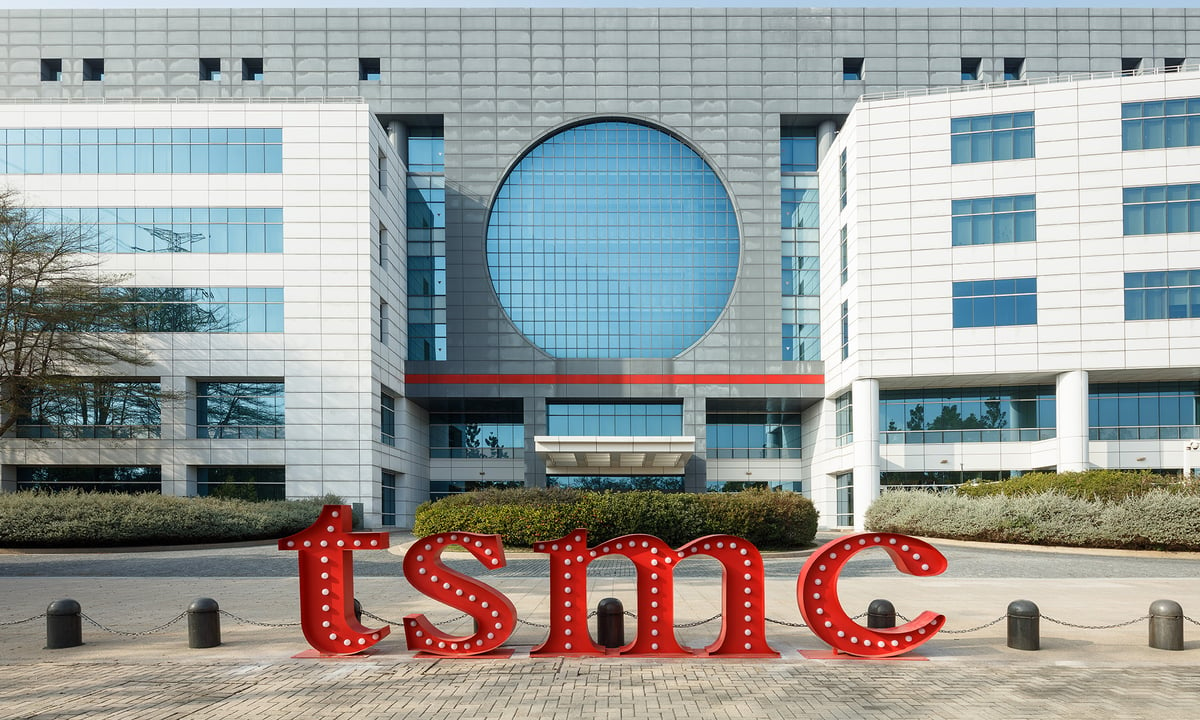
AI Market Growth Prospects Highlighted

- Global Economic Impact: PwC forecasts that AI adoption could add 15 percentage points to global GDP by 2035, indicating the profound influence of AI technology on the economy, prompting businesses to strategically position themselves to capitalize on this growth opportunity.
- Semiconductor Market Outlook: The global semiconductor market revenue is projected to exceed $2.8 trillion over the next decade, with TSMC, a key chip manufacturer, expecting its AI accelerator sales to grow at a compound annual growth rate in the mid-to-high 50% range, ensuring its leading position in the market.
- Significant Customer Growth: Since the launch of Palantir's AI platform in 2023, its customer base has increased by 34% to 954, and the number of deals worth over $1 million surged from 55 in 2022 to 180, demonstrating the strong appeal of its software solutions.
- Revenue Growth Potential: Palantir anticipates that the AI software platform market will achieve a 29% CAGR through 2034, with projected revenues reaching $237 billion, positioning Palantir, as an industry leader, to consistently outpace market growth and enhance its long-term profitability.
See More

The Future of Semiconductors and AI
- Market Growth Potential: According to PwC, AI adoption could add 15 percentage points to global GDP by 2035, highlighting the immense potential of the AI market and its profound economic impact.
- TSMC's Leading Position: TSMC anticipates a compound annual growth rate (CAGR) of mid-to-high 50% for AI accelerator sales through 2029, indicating that its dominant position in the semiconductor market will persist, with overall revenue expected to grow at a 25% CAGR.
- Palantir's Customer Growth: By the end of 2025, Palantir had 954 customers, a 34% increase from the previous year, while the number of deals worth over $1 million surged from 55 in Q4 2022 to 180, demonstrating strong market demand for its AI platform.
- AI Software Market Outlook: The AI software platform market is projected to achieve a 29% CAGR through 2034, and with its leading position and rapidly growing customer base, Palantir is well-positioned to sustain robust growth over the next decade.
See More
Palantir Stock Rebounds Amid Middle East Conflict
- Stock Recovery: Palantir's stock has rallied 14% in March 2026, recovering from a 12% decline year-to-date, indicating a resurgence of market confidence in its growth prospects, particularly amid the Middle East conflict.
- Government Contract Potential: In Q4 2025, Palantir generated 40% of its total revenue from the U.S. government, a 66% year-over-year increase, suggesting that the company’s strong performance in government contracts could be further bolstered by the current geopolitical tensions.
- Strong Commercial Growth: Palantir's commercial revenue surged by 82% year-over-year in Q4 2025, with over 200 new commercial customers added, demonstrating sustained demand for its software solutions, and the company anticipates a 60% revenue increase in 2026.
- Analyst Optimism: Rosenblatt Securities raised Palantir's price target from $150 to $200, indicating a 27% upside, reflecting analysts' positive outlook on the company's prospects in the government contract sector.
See More
Impact of Iran War on Global AI Data Centers
- Humanitarian Impact: The Iran war has resulted in thousands of deaths and millions displaced, with economic repercussions spreading globally, potentially destabilizing international markets and affecting global supply chains.
- First Military Targeting: On March 1, Iranian drone strikes targeted three Amazon AWS data centers, marking the first military attack on AI data centers, which could reshape the future construction of AI infrastructure for years to come.
- Cloud Service Disruption: The strikes severely impacted cloud availability in the UAE and Bahrain, affecting banks and online payment platforms, prompting Amazon to advise clients to secure their data outside the region to mitigate risks.
- Investment Risk Shift: Given the insufficient data center infrastructure and military risks in the Middle East, hyperscalers are likely to redirect their investments to safer regions like Southeastern Europe or India over the next year, which could hinder technological development and market competitiveness in the region.
See More
Iranian Drone Strikes Target Amazon Data Centers
- Data Center Attacks: On March 1, Iranian drone strikes targeted three Amazon data centers in the UAE and Bahrain, marking the first military attacks on a hyperscale cloud provider, severely disrupting cloud service availability for banks and online payment platforms in the region.
- Cloud Service Disruption: Following the strikes, Amazon advised clients to secure their data outside the region, anticipating a prolonged recovery period due to physical damage, which exacerbates investment risks for data centers in the Middle East.
- Attractiveness as Military Targets: Data centers, due to their high value and ease of targeting, are becoming increasingly appealing military targets, especially as AI technology integrates into warfare, suggesting potential for more attacks that could compromise global data infrastructure security.
- Dim Future for Regional Development: Given the ongoing war in Iran and surrounding conflicts, hyperscalers are expected to halt expansion plans in the Middle East for 2026, redirecting focus to safer markets like Southeastern Europe or India, which may stall AI development in the region.
See More
Peter Thiel Hosts Private Lectures on Antichrist in Rome
- Controversial Private Lectures: Billionaire Peter Thiel's private lectures in Rome on the Antichrist have attracted participants from academia, technology, and religious communities, but have also faced criticism from Catholic commentators, highlighting the contentious nature of his religious views.
- Tensions with the Catholic Church: The event has drawn attention from the Vatican, although Catholic institutions denied hosting it and the Pope's official schedule shows no planned meeting with Thiel, reflecting the Church's wariness of his ideas.
- Intersection of Technology and Ethics: Thiel's thinking is seen as blending technology, politics, and theology in ways that challenge mainstream democratic ideas, with the Italian Catholic newspaper L'Avvenire warning that tech leaders should not set ethical standards for digital platforms without democratic oversight.
- Connections to Conservatives: Thiel remains closely linked to conservative political figures in Washington, and his appearance in Rome follows recent visits by several prominent figures associated with the U.S. conservative movement, underscoring his influence within these circles.
See More
AI Market Growth Prospects Highlighted
- Global Economic Impact: PwC forecasts that AI adoption could add 15 percentage points to global GDP by 2035, indicating the profound influence of AI technology on the economy, prompting businesses to strategically position themselves to capitalize on this growth opportunity.
- Semiconductor Market Outlook: The global semiconductor market revenue is projected to exceed $2.8 trillion over the next decade, with TSMC, a key chip manufacturer, expecting its AI accelerator sales to grow at a compound annual growth rate in the mid-to-high 50% range, ensuring its leading position in the market.
- Significant Customer Growth: Since the launch of Palantir's AI platform in 2023, its customer base has increased by 34% to 954, and the number of deals worth over $1 million surged from 55 in 2022 to 180, demonstrating the strong appeal of its software solutions.
- Revenue Growth Potential: Palantir anticipates that the AI software platform market will achieve a 29% CAGR through 2034, with projected revenues reaching $237 billion, positioning Palantir, as an industry leader, to consistently outpace market growth and enhance its long-term profitability.
See More
The Future of Semiconductors and AI
- Market Growth Potential: According to PwC, AI adoption could add 15 percentage points to global GDP by 2035, highlighting the immense potential of the AI market and its profound economic impact.
- TSMC's Leading Position: TSMC anticipates a compound annual growth rate (CAGR) of mid-to-high 50% for AI accelerator sales through 2029, indicating that its dominant position in the semiconductor market will persist, with overall revenue expected to grow at a 25% CAGR.
- Palantir's Customer Growth: By the end of 2025, Palantir had 954 customers, a 34% increase from the previous year, while the number of deals worth over $1 million surged from 55 in Q4 2022 to 180, demonstrating strong market demand for its AI platform.
- AI Software Market Outlook: The AI software platform market is projected to achieve a 29% CAGR through 2034, and with its leading position and rapidly growing customer base, Palantir is well-positioned to sustain robust growth over the next decade.
See More