Conagra Brands Invests $220 Million to Expand Production Amid Challenges
Written by Emily J. Thompson, Senior Investment Analyst
Updated: Mar 15 2026
0mins
Source: Fool
- Investment Expansion: Conagra Brands is investing $220 million to upgrade its chicken processing facility to meet strong demand for its newly launched fried chicken product, which, while seemingly positive, merely reflects the company's need to keep pace with industry innovation.
- Sales Decline: In the fiscal second quarter of 2026, Conagra's sales fell by 6.8%, with organic sales down 3%, indicating poor overall performance amid economic pressures and shifting consumer preferences, which also suggests a decline in brand value.
- Brand Positioning Issues: Although Conagra boasts a high dividend yield of 8.6%, its portfolio has long been filled with second-tier brands, leading investors to consider better-positioned consumer staples companies to avoid potential financial risks.
- Market Environment Challenges: The entire packaged food sector is facing pressures from economic slowdowns and a consumer shift towards healthier options, making Conagra's investments appear less convincing within its broader business framework, potentially deterring long-term growth-focused investors.
Trade with 70% Backtested Accuracy
Stop guessing "Should I Buy CAG?" and start using high-conviction signals backed by rigorous historical data.
Sign up today to access powerful investing tools and make smarter, data-driven decisions.
Analyst Views on CAG
Wall Street analysts forecast CAG stock price to rise
14 Analyst Rating
1 Buy
12 Hold
1 Sell
Hold
Current: 13.280

Low
16.00
Averages
18.67
High
22.00
Current: 13.280
Low
16.00
Averages
18.67
High
22.00
About CAG
Conagra Brands, Inc. is a branded food company. The Company’s segments include Grocery & Snacks, Refrigerated & Frozen, International, and Foodservice. The Grocery & Snacks segment includes branded, shelf-stable food products sold in various retail channels in the United States. The Refrigerated & Frozen segment includes branded, temperature-controlled food products sold in various retail channels in the United States. The International segment includes branded food products in various temperature states, sold in various retail and foodservice channels outside the United States. The Foodservice segment includes branded and customized food products, including meals, entrees, sauces, and a variety of custom-manufactured culinary products that are packaged for sale to restaurants and other foodservice establishments primarily in the United States. Its brands include Birds Eye, Duncan Hines, Healthy Choice, Marie Callender's, Reddi-wip, Slim Jim, Angie's BOOMCHICKAPOP, and others.
About the author

Emily J. Thompson
Emily J. Thompson, a Chartered Financial Analyst (CFA) with 12 years in investment research, graduated with honors from the Wharton School. Specializing in industrial and technology stocks, she provides in-depth analysis for Intellectia’s earnings and market brief reports.

Conagra's Dividend Yield Hits Shocking 9.8%, Raising Concerns
- Abnormal Dividend Yield: Conagra's dividend yield stands at a striking 9.8%, significantly higher than the consumer staples average of 2.1%, raising investor concerns about the company's financial health and potential risks.
- Weak Financial Performance: Despite a 1.9% organic sales gain in Q3 FY2026, Conagra expects to finish the year close to break-even, with adjusted earnings projected between $1.70 and $1.85 per share, a notable drop from last year's $2.30, indicating significant profitability pressures.
- Increased Debt Burden: Conagra's ability to cover interest expenses is weaker than many peers, and while the company is actively working on debt reduction, further improvements to the balance sheet are necessary; if conditions worsen, the risk of a dividend cut looms, reminiscent of cuts in 2006 and 2017.
- Market Uncertainty: With changing consumer buying habits and the rising risk of economic downturns, Conagra may face even greater challenges in the current market environment, prompting conservative dividend investors to exercise caution and avoid investing in an industry laggard.
See More
Valuation Analysis of U.S. Mid-Cap Consumer Staples Stocks
- Valuation Overview: Sendas Distribuidora S.A., Barry Callebaut AG, and Conagra Brands are identified as some of the most attractively valued mid-cap consumer staples companies, indicating their relative undervaluation compared to peers.
- Valuation Metrics Analysis: The valuation grades incorporate multiple metrics such as P/E, PEG, price-to-sales, and price-to-cash-flow ratios, utilizing both current and forward-looking estimates to illustrate the relative cheapness of these stocks within their sector.
- Conagra Brands Performance: Conagra Brands received an A+ rating, marking it as one of the cheapest stocks among mid-cap consumer staples, although market expectations suggest it may face pressure from a potential dividend cut.
- Market Dynamics Impact: As investor interest in mid-cap consumer staples grows, companies like Molson Coors and Darling Ingredients are also highlighted, reflecting varying market perceptions and potential recovery opportunities for these stocks.
See More
Conagra's 9.8% Dividend Yield: Opportunity or Risk?
- Abnormal Dividend Yield: Conagra's dividend yield stands at an impressive 9.8%, significantly higher than the consumer staples average of 2.1%, which may attract investor interest but also signals potential risks.
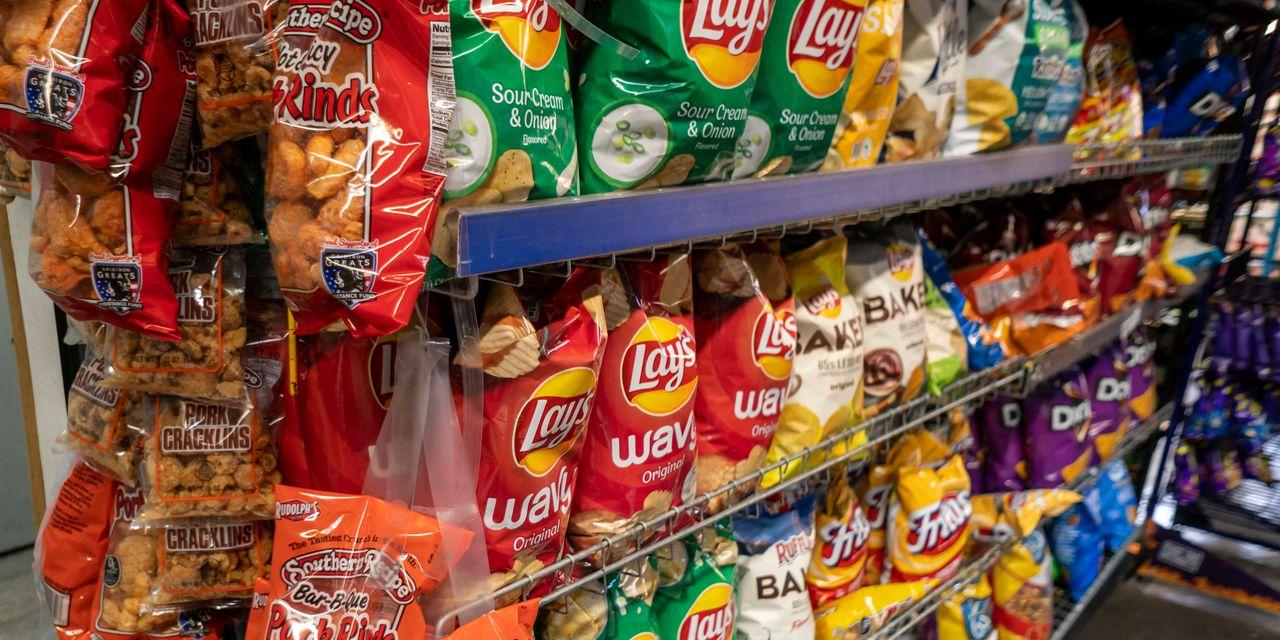
- Weak Brand Competitiveness: While Conagra owns recognizable brands like Slim Jim, its overall portfolio lacks industry-leading status, placing the company at a competitive disadvantage and increasing investment risks.
- Weak Financial Performance: The company reported a 1.9% organic sales gain in Q3 2026, yet full-year performance is expected to be near break-even, with adjusted earnings projected between $1.70 and $1.85 per share, down from $2.30 last year.
- Economic Environment Impact: Although bankruptcy is unlikely for Conagra, changing consumer habits, economic tightening, and the risk of recession could further strain its business, prompting conservative dividend investors to exercise caution.
See More

Investment Opportunities in High Yield Environment

- Rising Bond Yields: The U.S. 10-year Treasury yield is at 4.59%, with the 30-year yield at 5.12%, indicating increasing risks in the bond market that could pressure equities, particularly amid growing economic uncertainty.
- Market Response: Despite higher interest rates, the S&P 500 rose on Wednesday, breaking a three-day losing streak, reflecting strong fundamentals, especially with Nvidia's AI-driven earnings expectations boosting market sentiment.
- Defensive Stock Recommendations: Piper Sandler identified Genuine Parts Company, which has a 78% correlation to the 10-year Treasury yield, suggesting it may outperform in a rising rate environment, particularly as consumers are more likely to repair rather than buy new vehicles.
- Consumer Goods Performance: Conagra Brands shows a 75% correlation to Treasury yields and may gain some market support in a high yield environment, despite facing margin compression and a nearly 40% drop from its 52-week highs due to rising commodity prices.
See More

Challenges of High-Yield Investments in Consumer Goods for 2026
- Philip Morris International: In Q1 2026, Philip Morris International reported a 9.1% year-over-year increase in net revenue to $10.1 billion, with adjusted EPS growth of 16%, and raised its full-year EPS guidance to between $8.36 and $8.51, highlighting strong growth potential in alternative tobacco products despite regulatory risks.
- British American Tobacco: British American Tobacco's Velo Plus nicotine pouches lead the rapidly growing market, with a 3.4% EPS increase for full-year 2025 and a current dividend yield of 5%, while its healthy payout ratio of 69% indicates stability despite challenges from declining combustible product volumes.
- Hormel Foods: As a
See More

Consumer Buying Habits Shift, Food Stocks Face Challenges

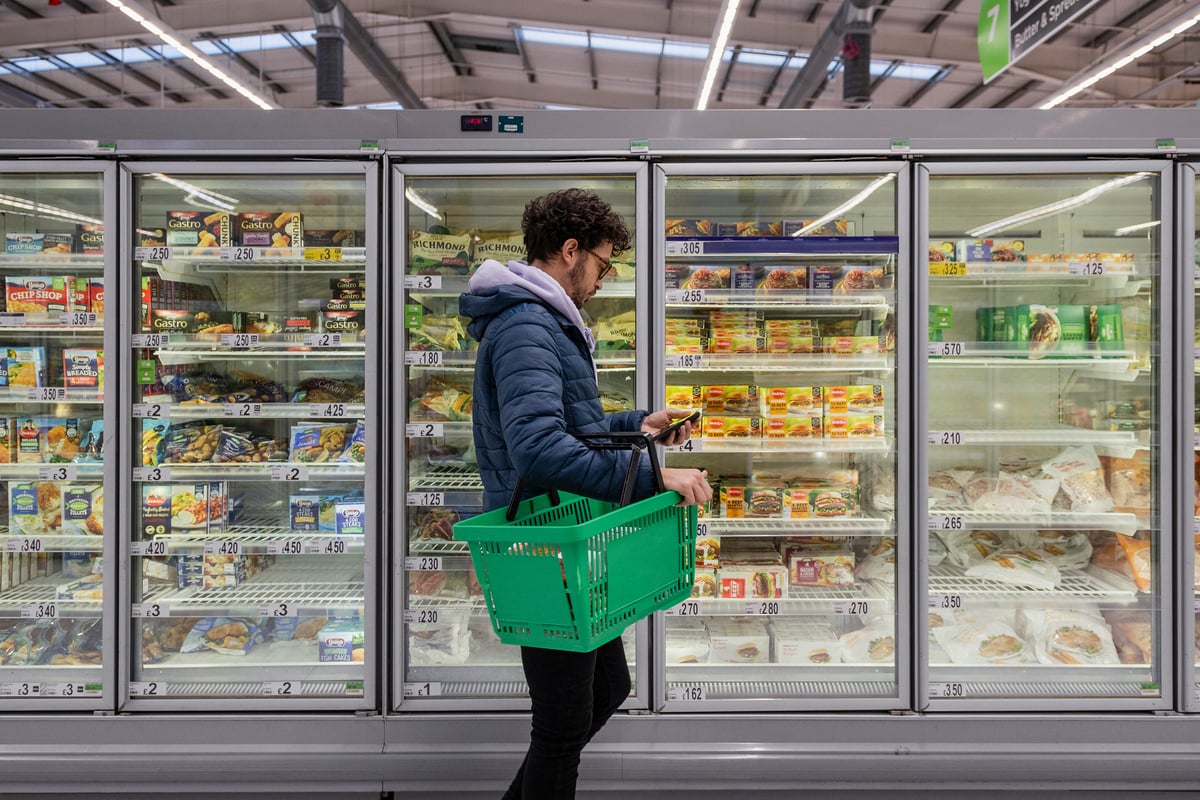
- High Dividend Yields: With consumers tightening budgets, both Conagra and General Mills have seen significant stock price declines, resulting in Conagra's dividend yield soaring to 9.9% and General Mills at 7.2%, indicating a lack of market confidence in these companies.
- Profitability Under Pressure: Conagra has faced substantial losses due to one-time charges over the past three quarters, projecting an adjusted earnings of $1.70 per share for fiscal 2026, which can cover its annual dividend of $1.40, despite an 80% payout ratio.
- Financial Stability Comparison: General Mills boasts a stronger financial foundation, having paid uninterrupted dividends for 127 years; its adjusted earnings of $0.64 per share in Q3 2026 slightly undercut the $0.61 dividend, yet its cash dividend payout ratio remains around 80%.
- Brand Management Advantage: General Mills excels in managing its brand portfolio effectively, continually adapting to include industry-leading products, while Conagra's reliance on secondary brands diminishes its competitive strength in challenging market conditions.
See More
Conagra's Dividend Yield Hits Shocking 9.8%, Raising Concerns
- Abnormal Dividend Yield: Conagra's dividend yield stands at a striking 9.8%, significantly higher than the consumer staples average of 2.1%, raising investor concerns about the company's financial health and potential risks.
- Weak Financial Performance: Despite a 1.9% organic sales gain in Q3 FY2026, Conagra expects to finish the year close to break-even, with adjusted earnings projected between $1.70 and $1.85 per share, a notable drop from last year's $2.30, indicating significant profitability pressures.
- Increased Debt Burden: Conagra's ability to cover interest expenses is weaker than many peers, and while the company is actively working on debt reduction, further improvements to the balance sheet are necessary; if conditions worsen, the risk of a dividend cut looms, reminiscent of cuts in 2006 and 2017.
- Market Uncertainty: With changing consumer buying habits and the rising risk of economic downturns, Conagra may face even greater challenges in the current market environment, prompting conservative dividend investors to exercise caution and avoid investing in an industry laggard.
See More
Valuation Analysis of U.S. Mid-Cap Consumer Staples Stocks
- Valuation Overview: Sendas Distribuidora S.A., Barry Callebaut AG, and Conagra Brands are identified as some of the most attractively valued mid-cap consumer staples companies, indicating their relative undervaluation compared to peers.
- Valuation Metrics Analysis: The valuation grades incorporate multiple metrics such as P/E, PEG, price-to-sales, and price-to-cash-flow ratios, utilizing both current and forward-looking estimates to illustrate the relative cheapness of these stocks within their sector.
- Conagra Brands Performance: Conagra Brands received an A+ rating, marking it as one of the cheapest stocks among mid-cap consumer staples, although market expectations suggest it may face pressure from a potential dividend cut.
- Market Dynamics Impact: As investor interest in mid-cap consumer staples grows, companies like Molson Coors and Darling Ingredients are also highlighted, reflecting varying market perceptions and potential recovery opportunities for these stocks.
See More
Conagra's 9.8% Dividend Yield: Opportunity or Risk?
- Abnormal Dividend Yield: Conagra's dividend yield stands at an impressive 9.8%, significantly higher than the consumer staples average of 2.1%, which may attract investor interest but also signals potential risks.
- Weak Brand Competitiveness: While Conagra owns recognizable brands like Slim Jim, its overall portfolio lacks industry-leading status, placing the company at a competitive disadvantage and increasing investment risks.
- Weak Financial Performance: The company reported a 1.9% organic sales gain in Q3 2026, yet full-year performance is expected to be near break-even, with adjusted earnings projected between $1.70 and $1.85 per share, down from $2.30 last year.
- Economic Environment Impact: Although bankruptcy is unlikely for Conagra, changing consumer habits, economic tightening, and the risk of recession could further strain its business, prompting conservative dividend investors to exercise caution.
See More
Investment Opportunities in High Yield Environment
- Rising Bond Yields: The U.S. 10-year Treasury yield is at 4.59%, with the 30-year yield at 5.12%, indicating increasing risks in the bond market that could pressure equities, particularly amid growing economic uncertainty.
- Market Response: Despite higher interest rates, the S&P 500 rose on Wednesday, breaking a three-day losing streak, reflecting strong fundamentals, especially with Nvidia's AI-driven earnings expectations boosting market sentiment.
- Defensive Stock Recommendations: Piper Sandler identified Genuine Parts Company, which has a 78% correlation to the 10-year Treasury yield, suggesting it may outperform in a rising rate environment, particularly as consumers are more likely to repair rather than buy new vehicles.
- Consumer Goods Performance: Conagra Brands shows a 75% correlation to Treasury yields and may gain some market support in a high yield environment, despite facing margin compression and a nearly 40% drop from its 52-week highs due to rising commodity prices.
See More
Challenges of High-Yield Investments in Consumer Goods for 2026
- Philip Morris International: In Q1 2026, Philip Morris International reported a 9.1% year-over-year increase in net revenue to $10.1 billion, with adjusted EPS growth of 16%, and raised its full-year EPS guidance to between $8.36 and $8.51, highlighting strong growth potential in alternative tobacco products despite regulatory risks.
- British American Tobacco: British American Tobacco's Velo Plus nicotine pouches lead the rapidly growing market, with a 3.4% EPS increase for full-year 2025 and a current dividend yield of 5%, while its healthy payout ratio of 69% indicates stability despite challenges from declining combustible product volumes.
- Hormel Foods: As a
See More
Consumer Buying Habits Shift, Food Stocks Face Challenges
- High Dividend Yields: With consumers tightening budgets, both Conagra and General Mills have seen significant stock price declines, resulting in Conagra's dividend yield soaring to 9.9% and General Mills at 7.2%, indicating a lack of market confidence in these companies.
- Profitability Under Pressure: Conagra has faced substantial losses due to one-time charges over the past three quarters, projecting an adjusted earnings of $1.70 per share for fiscal 2026, which can cover its annual dividend of $1.40, despite an 80% payout ratio.
- Financial Stability Comparison: General Mills boasts a stronger financial foundation, having paid uninterrupted dividends for 127 years; its adjusted earnings of $0.64 per share in Q3 2026 slightly undercut the $0.61 dividend, yet its cash dividend payout ratio remains around 80%.
- Brand Management Advantage: General Mills excels in managing its brand portfolio effectively, continually adapting to include industry-leading products, while Conagra's reliance on secondary brands diminishes its competitive strength in challenging market conditions.
See More