Semiconductor Sector Outlook Remains Positive Amid Market Volatility
Written by Emily J. Thompson, Senior Investment Analyst
Updated: 1 hour ago
0mins
Should l Buy NVDA?
Source: Yahoo Finance
- Market Volatility and Investment Opportunities: U.S. equities have shown some volatility in 2026, yet they have remained relatively stable, with the conflict in Iran adding uncertainty while potentially creating 'buy low' opportunities, particularly in the tech sector.
- Semiconductor Sector Growth: The AI infrastructure boom indicates that the semiconductor industry is still in its early stages, with expectations of delivering the best earnings growth among all S&P 500 sectors in both 2026 and 2027, highlighting the sector's strong fundamental foundation.
- Valuation Analysis: The VanEck Semiconductor ETF currently has a trailing 12-month P/E ratio of 43, but this drops to 23 based on next 12 months' earnings, which, while still elevated, does not suggest overvaluation, especially given the sector's projected growth trajectory.
- Investment Recommendations: Despite the recent strong performance of the VanEck Semiconductor ETF, the Motley Fool analyst team has identified 10 stocks that they believe are better investment opportunities, potentially yielding significant returns in the coming years, urging investors to consider these recommendations carefully.
Trade with 70% Backtested Accuracy
Stop guessing "Should I Buy NVDA?" and start using high-conviction signals backed by rigorous historical data.
Sign up today to access powerful investing tools and make smarter, data-driven decisions.
Analyst Views on NVDA
Wall Street analysts forecast NVDA stock price to rise
41 Analyst Rating
39 Buy
1 Hold
1 Sell
Strong Buy
Current: 178.560

Low
200.00
Averages
264.97
High
352.00
Current: 178.560
Low
200.00
Averages
264.97
High
352.00
About NVDA
NVIDIA Corporation is a full-stack computing infrastructure company. The Company is engaged in accelerated computing to help solve the challenging computational problems. The Company’s segments include Compute & Networking and Graphics. The Compute & Networking segment includes its Data Center accelerated computing platforms and artificial intelligence (AI) solutions and software; networking; automotive platforms and autonomous and electric vehicle solutions; Jetson for robotics and other embedded platforms, and DGX Cloud computing services. The Graphics segment includes GeForce GPUs for gaming and PCs, the GeForce NOW game streaming service and related infrastructure, and solutions for gaming platforms; Quadro/NVIDIA RTX GPUs for enterprise workstation graphics; virtual GPU software for cloud-based visual and virtual computing; automotive platforms for infotainment systems, and Omniverse Enterprise software for building and operating industrial AI and digital twin applications.
About the author

Emily J. Thompson
Emily J. Thompson, a Chartered Financial Analyst (CFA) with 12 years in investment research, graduated with honors from the Wharton School. Specializing in industrial and technology stocks, she provides in-depth analysis for Intellectia’s earnings and market brief reports.

Nvidia's Future Revenue Forecast Reaches $1 Trillion

- Revenue Surge Forecast: Nvidia CEO Jensen Huang announced at the GPU Technology Conference that orders for the Blackwell and Vera Rubin architectures are expected to reach $1 trillion by 2027, doubling last year's forecast, indicating strong market demand and future growth potential.
- Price Target Analysis: With Nvidia's current share price at $183, a rise to $500 would require a 173% increase, a target deemed achievable against the backdrop of ongoing AI investments, reflecting market optimism about its future performance.
- Earnings Growth Outlook: Wall Street analysts project Nvidia's revenue and earnings per share to grow at compound annual rates of 36.5% and 39.4% over the next three fiscal years, providing investors with confidence that could lead to further stock price increases.
- Market Valuation Underestimation: Despite Nvidia's current forward price-to-earnings ratio of 22.5, the market may be underestimating its business potential, and investors should monitor whether AI spending continues to grow to avoid potential cyclical risks.
See More
Nvidia's Groq Acquisition to Propel Inference Architecture
- Focus on Inference Architecture: Analysts indicate that Nvidia is shifting its focus to inference architecture, which is expected to be the next growth catalyst for the company, particularly following its acquisition of Groq, driving further development in its AI business.
- Significant Performance Boost: Nvidia claims that when Groq 3 LPX racks are paired with its next-generation Vera Rubin GPUs, the architecture can achieve up to 35 times higher throughput per watt, with expectations of a 15-fold increase in token output per second, significantly enhancing AI application efficiency.
- Strategic Acquisition Implications: Analyst Beth Kindig highlights that the Groq acquisition will drive increased token usage, thereby boosting the company's revenue and profits, akin to the benefits realized from the 2020 acquisition of Mellanox, which resolved networking bottlenecks.
- Market Reaction and Outlook: Although Nvidia's stock fell over 1% in Friday's opening trade, retail sentiment on Stocktwits remained bullish, reflecting market confidence in the company's future growth potential.
See More

Big Tech Bets Big on Low Earth Orbit Investments

- Investment Surge: According to Space IQ, investments in low Earth orbit exceeded $45 billion in 2025, a significant increase from just under $25 billion in 2024, highlighting the strategic importance and market potential of this sector.
- Satellite Network Expansion: SpaceX's Starlink currently operates over 9,500 satellites and plans to add thousands more, showcasing its dominant position in global communications and data services.
- New Technology Platform: Nvidia unveiled a new platform at GTC 2026 aimed at bringing AI computing into orbit, which could transform the functionality of data centers and enhance the autonomy of space operations.
- Regulatory Challenges: Experts argue that existing legal frameworks are inadequate for the complexities of low Earth orbit, necessitating updates to manage the rapid growth of commercial operations and ensure the sustainability and safety of space activities.
See More

Energy Stocks Surge Amid Conflict, Positive Outlook

- Diamondback Energy Performance: Diamondback Energy, focused on the highly productive Permian Basin, has returned $12.5 billion to investors since 2018, showcasing its strong cash flow and prudent management strategy.
- Dividend Growth Assurance: The company's annual dividend has increased from $0.50 to $4.20, with protection down to an oil price of $37, indicating its financial resilience and risk management capabilities in low-price environments.
- Valero Energy Crack Spread: Valero Energy's crack spread has surged to $47 recently, significantly higher than the $15 to $30 range seen in previous years, indicating a potential for substantial refining profits amid supply constraints.
- Opportunities from Market Structural Changes: The ongoing conflict in the Gulf may lead to lasting structural issues for refineries, positioning Valero Energy to benefit and further solidify its market position in a high oil price environment.
See More

Rivian's R2 SUV Threatens Tesla's Market Share

- Market Share Challenge: Tesla currently holds over 50% of the U.S. market share, but Rivian's R2 SUV, set to launch in 2026, poses a significant threat that could erode Tesla's leadership position.
- Revenue Concentration: Approximately 86% of Tesla's revenue is derived from automotive sales, with the Model Y and Model 3 being the primary contributors, as evidenced by 418,227 vehicles delivered in 2023, highlighting Tesla's reliance on these models.
- Competitive Pricing Strategy: Rivian's R2 SUV starts at $45,000, slightly above Tesla's Model Y at $41,630, yet offers a compelling value proposition that could attract a substantial consumer base away from Tesla.
- Sales Forecast Volatility: Since its launch in 2020, Model Y sales surged from 40,001 units to 385,897 in 2023, but are projected to drop to around 250,000 units by 2025, indicating that if Rivian's R2 successfully enters the market, it could potentially surpass Model Y sales by 2029.
See More
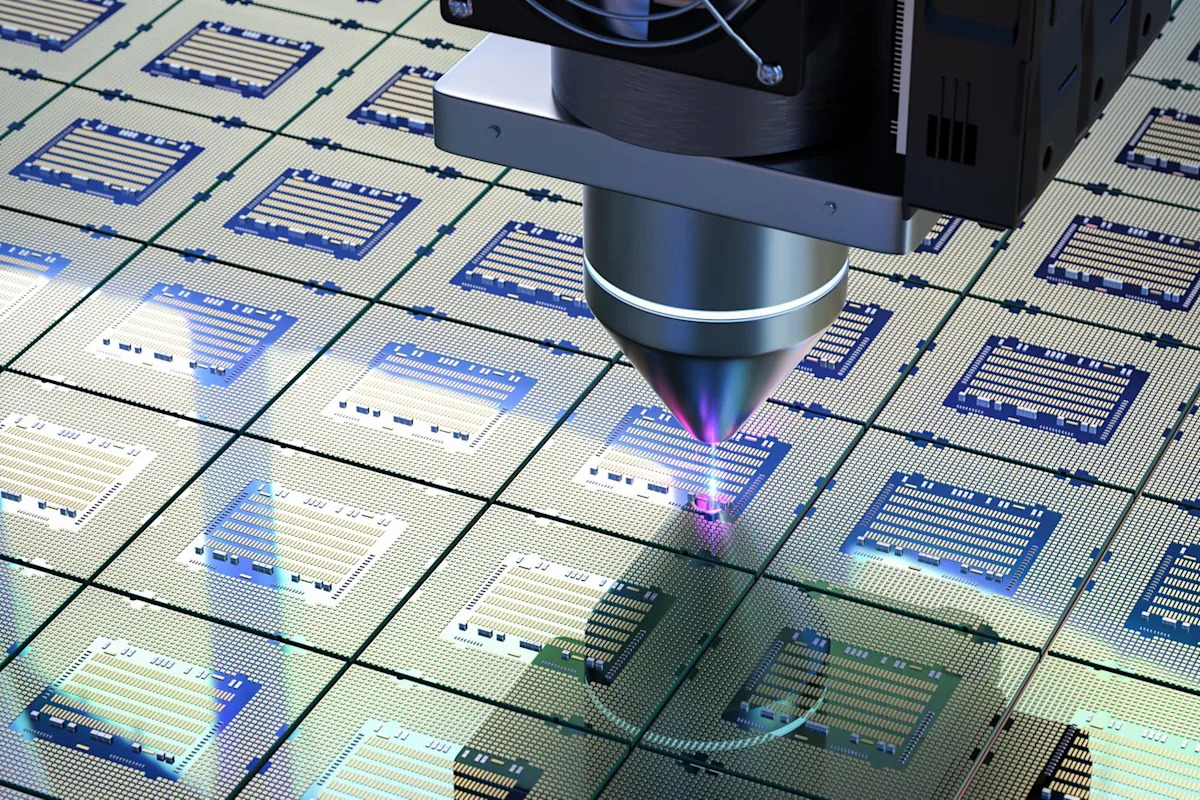
Semiconductor Sector Outlook Remains Positive Amid Market Volatility

- Market Volatility and Investment Opportunities: U.S. equities have shown some volatility in 2026, yet they have remained relatively stable, with the conflict in Iran adding uncertainty while potentially creating 'buy low' opportunities, particularly in the tech sector.
- Semiconductor Sector Growth: The AI infrastructure boom indicates that the semiconductor industry is still in its early stages, with expectations of delivering the best earnings growth among all S&P 500 sectors in both 2026 and 2027, highlighting the sector's strong fundamental foundation.
- Valuation Analysis: The VanEck Semiconductor ETF currently has a trailing 12-month P/E ratio of 43, but this drops to 23 based on next 12 months' earnings, which, while still elevated, does not suggest overvaluation, especially given the sector's projected growth trajectory.
- Investment Recommendations: Despite the recent strong performance of the VanEck Semiconductor ETF, the Motley Fool analyst team has identified 10 stocks that they believe are better investment opportunities, potentially yielding significant returns in the coming years, urging investors to consider these recommendations carefully.
See More
Nvidia's Future Revenue Forecast Reaches $1 Trillion
- Revenue Surge Forecast: Nvidia CEO Jensen Huang announced at the GPU Technology Conference that orders for the Blackwell and Vera Rubin architectures are expected to reach $1 trillion by 2027, doubling last year's forecast, indicating strong market demand and future growth potential.
- Price Target Analysis: With Nvidia's current share price at $183, a rise to $500 would require a 173% increase, a target deemed achievable against the backdrop of ongoing AI investments, reflecting market optimism about its future performance.
- Earnings Growth Outlook: Wall Street analysts project Nvidia's revenue and earnings per share to grow at compound annual rates of 36.5% and 39.4% over the next three fiscal years, providing investors with confidence that could lead to further stock price increases.
- Market Valuation Underestimation: Despite Nvidia's current forward price-to-earnings ratio of 22.5, the market may be underestimating its business potential, and investors should monitor whether AI spending continues to grow to avoid potential cyclical risks.
See More
Nvidia's Groq Acquisition to Propel Inference Architecture
- Focus on Inference Architecture: Analysts indicate that Nvidia is shifting its focus to inference architecture, which is expected to be the next growth catalyst for the company, particularly following its acquisition of Groq, driving further development in its AI business.
- Significant Performance Boost: Nvidia claims that when Groq 3 LPX racks are paired with its next-generation Vera Rubin GPUs, the architecture can achieve up to 35 times higher throughput per watt, with expectations of a 15-fold increase in token output per second, significantly enhancing AI application efficiency.
- Strategic Acquisition Implications: Analyst Beth Kindig highlights that the Groq acquisition will drive increased token usage, thereby boosting the company's revenue and profits, akin to the benefits realized from the 2020 acquisition of Mellanox, which resolved networking bottlenecks.
- Market Reaction and Outlook: Although Nvidia's stock fell over 1% in Friday's opening trade, retail sentiment on Stocktwits remained bullish, reflecting market confidence in the company's future growth potential.
See More
Big Tech Bets Big on Low Earth Orbit Investments
- Investment Surge: According to Space IQ, investments in low Earth orbit exceeded $45 billion in 2025, a significant increase from just under $25 billion in 2024, highlighting the strategic importance and market potential of this sector.
- Satellite Network Expansion: SpaceX's Starlink currently operates over 9,500 satellites and plans to add thousands more, showcasing its dominant position in global communications and data services.
- New Technology Platform: Nvidia unveiled a new platform at GTC 2026 aimed at bringing AI computing into orbit, which could transform the functionality of data centers and enhance the autonomy of space operations.
- Regulatory Challenges: Experts argue that existing legal frameworks are inadequate for the complexities of low Earth orbit, necessitating updates to manage the rapid growth of commercial operations and ensure the sustainability and safety of space activities.
See More
Energy Stocks Surge Amid Conflict, Positive Outlook
- Diamondback Energy Performance: Diamondback Energy, focused on the highly productive Permian Basin, has returned $12.5 billion to investors since 2018, showcasing its strong cash flow and prudent management strategy.
- Dividend Growth Assurance: The company's annual dividend has increased from $0.50 to $4.20, with protection down to an oil price of $37, indicating its financial resilience and risk management capabilities in low-price environments.
- Valero Energy Crack Spread: Valero Energy's crack spread has surged to $47 recently, significantly higher than the $15 to $30 range seen in previous years, indicating a potential for substantial refining profits amid supply constraints.
- Opportunities from Market Structural Changes: The ongoing conflict in the Gulf may lead to lasting structural issues for refineries, positioning Valero Energy to benefit and further solidify its market position in a high oil price environment.
See More
Rivian's R2 SUV Threatens Tesla's Market Share
- Market Share Challenge: Tesla currently holds over 50% of the U.S. market share, but Rivian's R2 SUV, set to launch in 2026, poses a significant threat that could erode Tesla's leadership position.
- Revenue Concentration: Approximately 86% of Tesla's revenue is derived from automotive sales, with the Model Y and Model 3 being the primary contributors, as evidenced by 418,227 vehicles delivered in 2023, highlighting Tesla's reliance on these models.
- Competitive Pricing Strategy: Rivian's R2 SUV starts at $45,000, slightly above Tesla's Model Y at $41,630, yet offers a compelling value proposition that could attract a substantial consumer base away from Tesla.
- Sales Forecast Volatility: Since its launch in 2020, Model Y sales surged from 40,001 units to 385,897 in 2023, but are projected to drop to around 250,000 units by 2025, indicating that if Rivian's R2 successfully enters the market, it could potentially surpass Model Y sales by 2029.
See More
Semiconductor Sector Outlook Remains Positive Amid Market Volatility
- Market Volatility and Investment Opportunities: U.S. equities have shown some volatility in 2026, yet they have remained relatively stable, with the conflict in Iran adding uncertainty while potentially creating 'buy low' opportunities, particularly in the tech sector.
- Semiconductor Sector Growth: The AI infrastructure boom indicates that the semiconductor industry is still in its early stages, with expectations of delivering the best earnings growth among all S&P 500 sectors in both 2026 and 2027, highlighting the sector's strong fundamental foundation.
- Valuation Analysis: The VanEck Semiconductor ETF currently has a trailing 12-month P/E ratio of 43, but this drops to 23 based on next 12 months' earnings, which, while still elevated, does not suggest overvaluation, especially given the sector's projected growth trajectory.
- Investment Recommendations: Despite the recent strong performance of the VanEck Semiconductor ETF, the Motley Fool analyst team has identified 10 stocks that they believe are better investment opportunities, potentially yielding significant returns in the coming years, urging investors to consider these recommendations carefully.
See More