SAIC Reports Fourth Quarter Earnings Decline
Written by Emily J. Thompson, Senior Investment Analyst
Updated: Mar 16 2026
0mins
Should l Buy SAIC?
Source: NASDAQ.COM
- Earnings Decline: SAIC reported a fourth-quarter net income of $85 million, translating to an earnings per share (EPS) of $1.87, down from $85 million and $2.00 per share last year, indicating a weakening in profitability.
- Revenue Drop: The company's revenue for the quarter was $1.750 billion, a 4.8% decrease from $1.838 billion in the same period last year, reflecting the impact of soft market demand and increased competition.
- Year-over-Year Comparison: While net income remained stable, the decline in EPS suggests challenges in cost control and operational efficiency, which may affect investor confidence moving forward.
- Uncertain Future Outlook: The dual decline in revenue and earnings could lead to cautious market expectations regarding SAIC's future performance, potentially impacting its stock price and investors' long-term strategic decisions.
Trade with 70% Backtested Accuracy
Stop guessing "Should I Buy SAIC?" and start using high-conviction signals backed by rigorous historical data.
Sign up today to access powerful investing tools and make smarter, data-driven decisions.
Analyst Views on SAIC
Wall Street analysts forecast SAIC stock price to rise
6 Analyst Rating
2 Buy
4 Hold
0 Sell
Moderate Buy
Current: 96.770

Low
113.00
Averages
122.00
High
128.00
Current: 96.770
Low
113.00
Averages
122.00
High
128.00
About SAIC
Science Applications International Corporation is a technology integrator providing full life cycle services and solutions in the technical, engineering and enterprise information technology (IT) markets. The Company's portfolio of offerings across the defense, space, civilian and intelligence markets include secure solutions in mission IT, enterprise IT, engineering services and professional services. It integrates emerging technology securely into mission critical operations that modernize and enable critical national imperatives, including IT modernization, digital engineering, artificial intelligence and ground vehicle support. Its segments include Defense and Intelligence, and Civilian. Defense and Intelligence segment provides a diverse portfolio of national security solutions to the Department of Defense and Intelligence Community of the United States Government. Civilian segment provides solutions to the civilian markets, encompassing federal, state, and local governments.
About the author

Emily J. Thompson
Emily J. Thompson, a Chartered Financial Analyst (CFA) with 12 years in investment research, graduated with honors from the Wharton School. Specializing in industrial and technology stocks, she provides in-depth analysis for Intellectia’s earnings and market brief reports.
Intensifying AI Feature Competition in China's EV Market


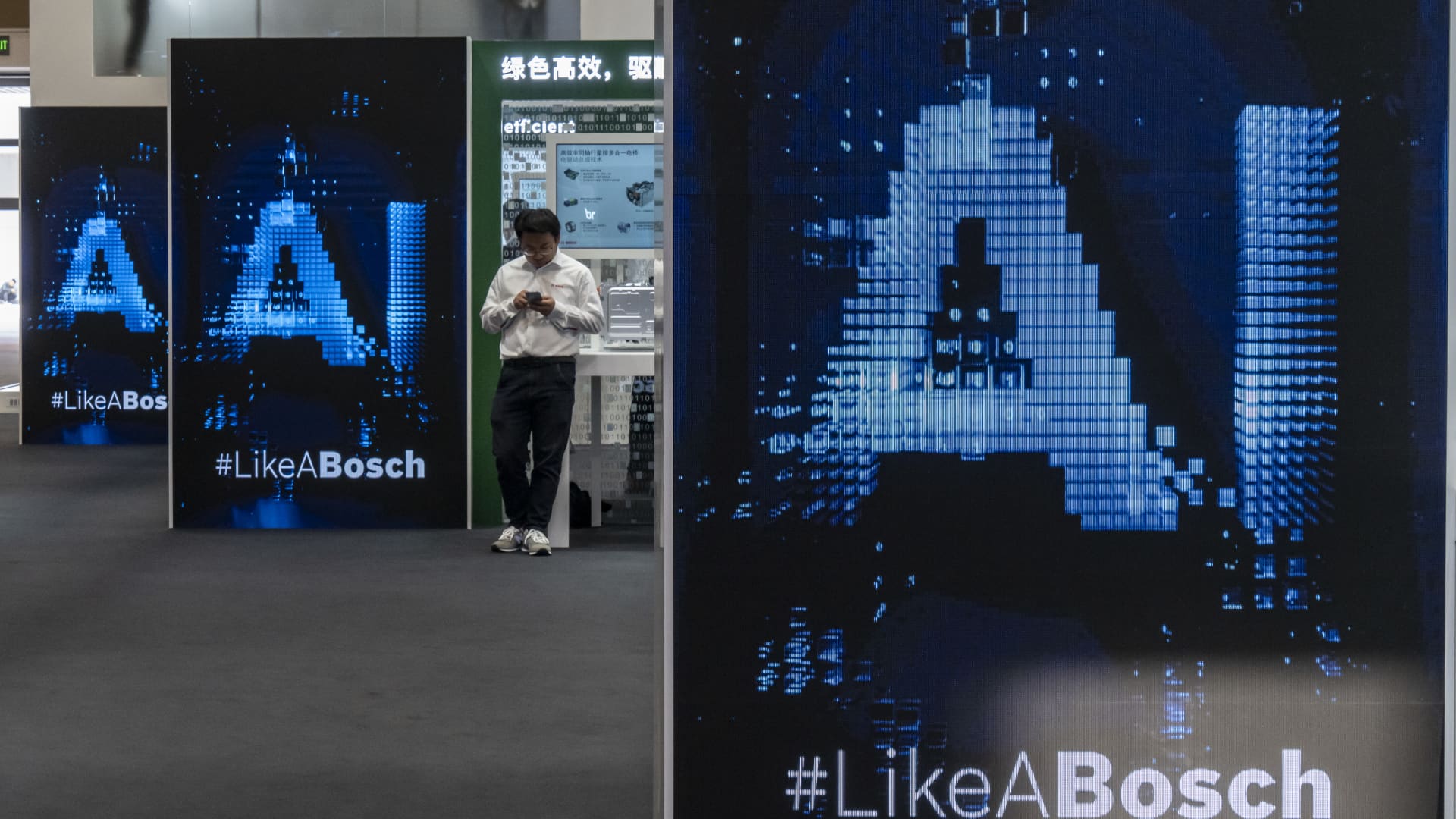
- AI Feature Adoption: Over 50 car brands have integrated ByteDance's Doubao AI model, which is now present in 145 car models and over 7 million vehicles, indicating widespread adoption of AI technology in China's EV market, although companies must rapidly adapt to consumer demand for smart features amid fierce competition.
- Ongoing Price War: Despite the rapid rollout of new features, automakers face persistent sales pressure, with industry experts noting that the price war is unlikely to cease in the near term, compelling companies to continuously compete on technology updates and user experience to maintain market share.
- Speed of Tech Updates: Automakers can quickly deploy tech updates via over-the-air methods, as noted by the CEO of the Audi and SAIC Cooperation Project, highlighting the flexibility to respond to market changes, even as technology becomes increasingly homogeneous, necessitating differentiated competitive strategies.
- Nio's Market Performance: Nio claims its ES8 model has delivered 100,000 units in just 215 days within the 400,000 yuan and above segment, showcasing its ability to attract consumers despite cost pressures and slower market growth, while offering unique customer experiences and premium interior materials.
See More

BigBear.ai Shares Surge 10.99% Amid Increased Trading Activity


- Stock Price Surge: BigBear.ai shares rose by 10.99% to close at $4.12, reflecting investor anticipation for the upcoming earnings report and a focus on demand trends in defense-related artificial intelligence.
- Volume Spike: The company experienced a trading volume of 64.9 million shares, approximately 54% above its three-month average of 41.9 million shares, indicating strong market interest in the AI sector.
- Market Performance: Despite the rise in BigBear.ai's stock price, its gains were lower compared to peers like Leidos and SAIC, which increased by 1.32% and 1.16% respectively, suggesting a market preference for larger firms.
- Future Outlook: BigBear.ai's business is contract-based in defense intelligence and decision-support systems, with future contract announcements and federal spending cycles being crucial for determining whether recent gains can be sustained.
See More

Dismantling of USAID Has Far-Reaching Economic Impacts


- Job Market Impact: The dismantling of USAID resulted in approximately 16,000 employees losing their jobs, with hundreds of thousands of contractors and nonprofit partners also affected, pushing Washington D.C.'s unemployment rate to 6.7%, significantly weakening local consumer spending and economic vitality.
- Weakened Industry Demand: Companies tied to consulting, outsourcing, healthcare administration, education, and real estate face declining demand, particularly as federal funding retreats, which could lead to reduced revenues for service sectors and local banks, thereby impacting overall economic growth.
- Long-Term Policy Implications: The agency's closure not only represents a crackdown on perceived bureaucratic inefficiencies but also raises questions about the long-term value of U.S. soft power and international influence, with former employees arguing that dismantling an agency representing less than 1% of the federal budget may incur disproportionate geopolitical costs.
- Disrupted Professional Networks: Many former employees struggle to find new jobs despite some transitioning to local government, academia, and nonprofit work, highlighting the significant impact of sudden policy changes on labor markets and the broader economy.
See More

SAIC Secures $75.2 Million Navy Contract for Critical Support
- Significant Contract Value: SAIC has been awarded a $75.2 million task order to provide critical support to the Naval Air Systems Command, further solidifying its long-term collaboration with the Navy and enhancing its competitive position in the defense market.
- Application of Technological Innovation: SAIC will leverage predictive analytics and digital engineering tools to improve the reliability of AAE systems, reduce downtime, and enhance support for global naval contingency operations, ensuring that warfighters' equipment is always in optimal condition.
- Project Management Integration: This task order supports multiple NAVAIR program offices, including PMA-201 responsible for AAE and PMA-260 overseeing SE sustainment, ensuring real-time troubleshooting and maintenance of critical aviation systems, thereby enhancing the Navy's operational efficiency.
- Long-term Partnership Advantage: Over the past two decades, SAIC has delivered critical innovative capabilities to the Navy, focusing on prioritizing AAE and SE while advancing the MQ-25 refueling program, further solidifying its position as the preferred partner for the Navy and joint forces.
See More
Rapid Growth of Chinese Electric Vehicle Market


- Increased Competition: Chinese EV manufacturers like BYD and Geely have overtaken Tesla in global EV sales, demonstrating strong competitiveness of Chinese brands in the global market, which may pressure American automakers' market shares.
- Tariff Policy Changes: Canada has reduced tariffs on Chinese EVs from 100% to 6.1%, although import caps remain, indicating a gradual market opening that could enhance acceptance and sales of Chinese EVs internationally.
- Rising Consumer Acceptance: As Chinese EVs become more prevalent globally, consumer recognition of their quality is increasing, which may prompt governments to further relax market access restrictions on Chinese EVs, accelerating industry consolidation and growth.
- Cautious Investment Outlook: Despite the promising prospects of the Chinese EV market, intense competition is squeezing profit margins, necessitating investors to carefully assess the investment value of Chinese EV companies, especially against the backdrop of market consolidation and policy changes.
See More

In-Depth Analysis of the Chinese EV Market
- Market Acceptance Rising: Canada's reduction of tariffs on Chinese EVs from 100% to 6.1% and plans to gradually increase import caps indicate a growing acceptance of Chinese vehicles in global markets, potentially opening up broader opportunities for manufacturers.
- Intensifying Competition: BYD's 19% profit decline in Q1 2026 highlights the fierce competition in the EV sector, as other manufacturers vie for market share, which may lead to increased pressure on profits in the coming years.
- Historical Parallels: Similar to the rise of Japanese cars in the U.S. market, Chinese EVs may disrupt Western automakers by offering higher quality products, prompting innovation and improvement that ultimately benefits consumers.
- Cautious Investment Outlook: Despite the promising prospects of the Chinese EV market, analysts remain cautious about investments, suggesting that fierce competition may hinder significant returns for investors, especially given government intervention in the industry.
See More
Intensifying AI Feature Competition in China's EV Market
- AI Feature Adoption: Over 50 car brands have integrated ByteDance's Doubao AI model, which is now present in 145 car models and over 7 million vehicles, indicating widespread adoption of AI technology in China's EV market, although companies must rapidly adapt to consumer demand for smart features amid fierce competition.
- Ongoing Price War: Despite the rapid rollout of new features, automakers face persistent sales pressure, with industry experts noting that the price war is unlikely to cease in the near term, compelling companies to continuously compete on technology updates and user experience to maintain market share.
- Speed of Tech Updates: Automakers can quickly deploy tech updates via over-the-air methods, as noted by the CEO of the Audi and SAIC Cooperation Project, highlighting the flexibility to respond to market changes, even as technology becomes increasingly homogeneous, necessitating differentiated competitive strategies.
- Nio's Market Performance: Nio claims its ES8 model has delivered 100,000 units in just 215 days within the 400,000 yuan and above segment, showcasing its ability to attract consumers despite cost pressures and slower market growth, while offering unique customer experiences and premium interior materials.
See More
BigBear.ai Shares Surge 10.99% Amid Increased Trading Activity
- Stock Price Surge: BigBear.ai shares rose by 10.99% to close at $4.12, reflecting investor anticipation for the upcoming earnings report and a focus on demand trends in defense-related artificial intelligence.
- Volume Spike: The company experienced a trading volume of 64.9 million shares, approximately 54% above its three-month average of 41.9 million shares, indicating strong market interest in the AI sector.
- Market Performance: Despite the rise in BigBear.ai's stock price, its gains were lower compared to peers like Leidos and SAIC, which increased by 1.32% and 1.16% respectively, suggesting a market preference for larger firms.
- Future Outlook: BigBear.ai's business is contract-based in defense intelligence and decision-support systems, with future contract announcements and federal spending cycles being crucial for determining whether recent gains can be sustained.
See More
Dismantling of USAID Has Far-Reaching Economic Impacts
- Job Market Impact: The dismantling of USAID resulted in approximately 16,000 employees losing their jobs, with hundreds of thousands of contractors and nonprofit partners also affected, pushing Washington D.C.'s unemployment rate to 6.7%, significantly weakening local consumer spending and economic vitality.
- Weakened Industry Demand: Companies tied to consulting, outsourcing, healthcare administration, education, and real estate face declining demand, particularly as federal funding retreats, which could lead to reduced revenues for service sectors and local banks, thereby impacting overall economic growth.
- Long-Term Policy Implications: The agency's closure not only represents a crackdown on perceived bureaucratic inefficiencies but also raises questions about the long-term value of U.S. soft power and international influence, with former employees arguing that dismantling an agency representing less than 1% of the federal budget may incur disproportionate geopolitical costs.
- Disrupted Professional Networks: Many former employees struggle to find new jobs despite some transitioning to local government, academia, and nonprofit work, highlighting the significant impact of sudden policy changes on labor markets and the broader economy.
See More
SAIC Secures $75.2 Million Navy Contract for Critical Support
- Significant Contract Value: SAIC has been awarded a $75.2 million task order to provide critical support to the Naval Air Systems Command, further solidifying its long-term collaboration with the Navy and enhancing its competitive position in the defense market.
- Application of Technological Innovation: SAIC will leverage predictive analytics and digital engineering tools to improve the reliability of AAE systems, reduce downtime, and enhance support for global naval contingency operations, ensuring that warfighters' equipment is always in optimal condition.
- Project Management Integration: This task order supports multiple NAVAIR program offices, including PMA-201 responsible for AAE and PMA-260 overseeing SE sustainment, ensuring real-time troubleshooting and maintenance of critical aviation systems, thereby enhancing the Navy's operational efficiency.
- Long-term Partnership Advantage: Over the past two decades, SAIC has delivered critical innovative capabilities to the Navy, focusing on prioritizing AAE and SE while advancing the MQ-25 refueling program, further solidifying its position as the preferred partner for the Navy and joint forces.
See More
Rapid Growth of Chinese Electric Vehicle Market
- Increased Competition: Chinese EV manufacturers like BYD and Geely have overtaken Tesla in global EV sales, demonstrating strong competitiveness of Chinese brands in the global market, which may pressure American automakers' market shares.
- Tariff Policy Changes: Canada has reduced tariffs on Chinese EVs from 100% to 6.1%, although import caps remain, indicating a gradual market opening that could enhance acceptance and sales of Chinese EVs internationally.
- Rising Consumer Acceptance: As Chinese EVs become more prevalent globally, consumer recognition of their quality is increasing, which may prompt governments to further relax market access restrictions on Chinese EVs, accelerating industry consolidation and growth.
- Cautious Investment Outlook: Despite the promising prospects of the Chinese EV market, intense competition is squeezing profit margins, necessitating investors to carefully assess the investment value of Chinese EV companies, especially against the backdrop of market consolidation and policy changes.
See More
In-Depth Analysis of the Chinese EV Market
- Market Acceptance Rising: Canada's reduction of tariffs on Chinese EVs from 100% to 6.1% and plans to gradually increase import caps indicate a growing acceptance of Chinese vehicles in global markets, potentially opening up broader opportunities for manufacturers.
- Intensifying Competition: BYD's 19% profit decline in Q1 2026 highlights the fierce competition in the EV sector, as other manufacturers vie for market share, which may lead to increased pressure on profits in the coming years.
- Historical Parallels: Similar to the rise of Japanese cars in the U.S. market, Chinese EVs may disrupt Western automakers by offering higher quality products, prompting innovation and improvement that ultimately benefits consumers.
- Cautious Investment Outlook: Despite the promising prospects of the Chinese EV market, analysts remain cautious about investments, suggesting that fierce competition may hinder significant returns for investors, especially given government intervention in the industry.
See More