Rivian's R2 Pricing Strategy Analysis
Written by Emily J. Thompson, Senior Investment Analyst
Updated: 1 hour ago
0mins
Should l Buy RIVN?
Source: Fool
- Pricing Strategy: Rivian has opted to launch its first mass-market vehicle, the R2, at a price of $60,000, despite an initial promise of $45,000, aiming to maximize profits and attract early adopters to offset high initial production costs.
- Market Competition: The R2's high-end pricing exceeds Tesla's Model Y at $41,600, placing Rivian under competitive pressure; however, the upcoming lower-priced variants are expected to directly compete with Tesla by 2027.
- Product Release Plan: Rivian plans to release a premium version priced at $55,500 by the end of 2023, followed by a standard long-range model at $49,985 in the first half of 2027, with the base model set at $45,000 to capture market share.
- Brand Image Building: By launching higher-priced models, Rivian aims to showcase its best technology and features, which is crucial for enhancing brand perception as a young automaker in an increasingly competitive electric vehicle market.
Trade with 70% Backtested Accuracy
Stop guessing "Should I Buy RIVN?" and start using high-conviction signals backed by rigorous historical data.
Sign up today to access powerful investing tools and make smarter, data-driven decisions.
Analyst Views on RIVN
Wall Street analysts forecast RIVN stock price to rise
18 Analyst Rating
8 Buy
7 Hold
3 Sell
Moderate Buy
Current: 16.120

Low
10.00
Averages
17.78
High
25.00
Current: 16.120
Low
10.00
Averages
17.78
High
25.00
About RIVN
Rivian Automotive, Inc. is an automotive manufacturer, which is engaged in developing and building category-defining electric vehicles (EVs) and accessories, as well as software and services that address the entire lifecycle of the vehicle. The Company’s R1 platform consists of two vehicles: the R1T, a two-row five-passenger pickup truck, and the R1S, a three-row seven-passenger sport utility vehicle (SUV). In the commercial market, the Company offers a Rivian Commercial Vehicle (RCV) platform. The vehicle on this platform is the Electric Delivery Van (EDV), designed and engineered by Rivian in collaboration with Amazon. The Company also offers FleetOS, its proprietary, end-to-end centralized fleet management subscription platform. It also offers a variety of services, including vehicle repair and maintenance, financing, insurance, software subscriptions and FleetOS solutions. Its value-added services include vehicle electrical architecture and software development services, and more.
About the author

Emily J. Thompson
Emily J. Thompson, a Chartered Financial Analyst (CFA) with 12 years in investment research, graduated with honors from the Wharton School. Specializing in industrial and technology stocks, she provides in-depth analysis for Intellectia’s earnings and market brief reports.
Rivian Set to Announce Q1 2026 Earnings with Key Updates

- New Vehicle Launch: Rivian's upcoming R2 SUV, priced under $50,000, represents the company's first foray into the mass market, potentially attracting tens of millions of new customers and enhancing market share.
- Delivery and Production Capacity: While R2 SUV deliveries are expected to begin in April, investors should monitor whether initial deliveries occur on schedule and if production capacity scales as anticipated to avoid common EV industry delays.
- AI Investment Potential: Rivian's investments in artificial intelligence could be pivotal for future growth, and if the company provides positive AI updates next quarter, the market may reassess its valuation, driving stock price increases.
- Market Reaction Expectations: Rivian's stock surged nearly 80% following its AI Day in December, indicating market recognition of its AI potential; positive developments in the earnings report could further boost investor confidence.
See More
Rivian Unveils New R2 SUV Lineup Details
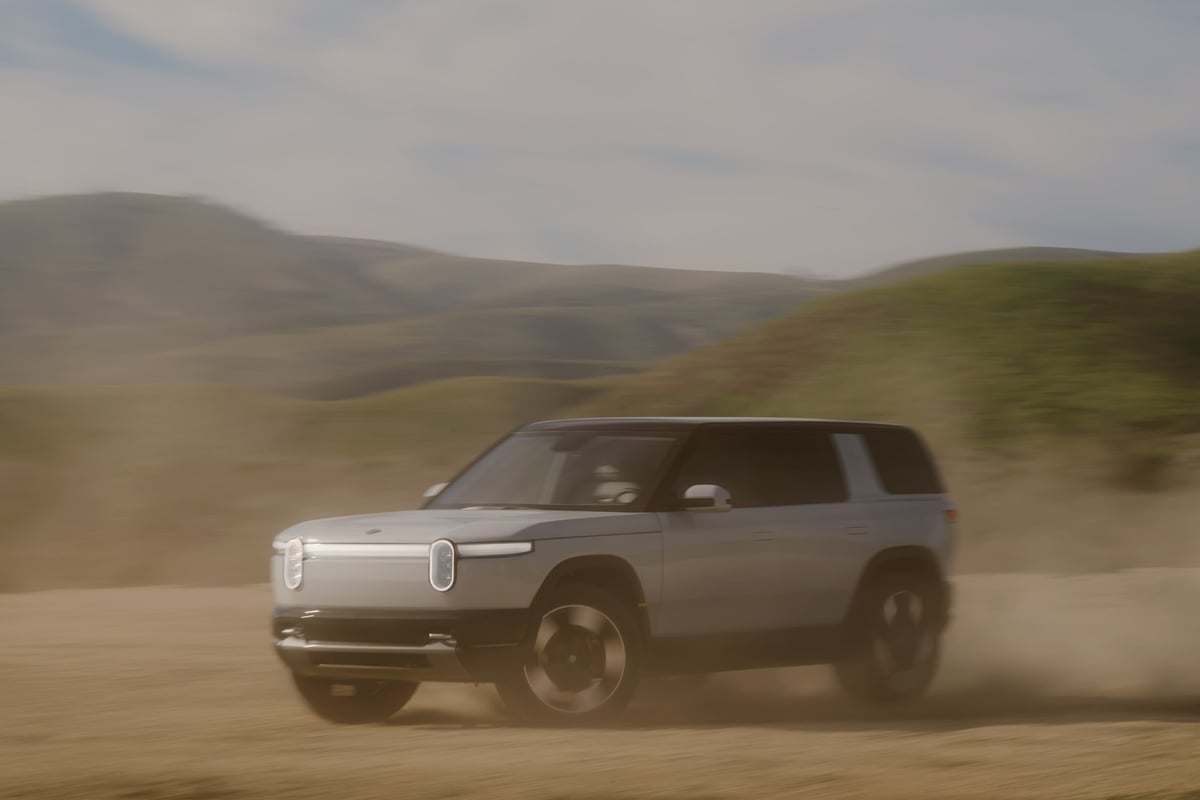
- New Model Launch: Rivian has recently unveiled its R2 SUV lineup, with the first version now available and several cheaper models expected to launch over the next 12 months, aiming to attract more potential buyers, particularly those uninterested in the R1S and R1T.
- Power and Range: The R2 Launch Package features dual motors generating 656 horsepower and an EPA-estimated range of 330 miles, with a starting price of $58,000, which may appeal to early demand due to its high-performance attributes.
- Pricing Strategy: Rivian plans to release a $45,000 version of the R2 by 2027, which is below the average new vehicle price of $49,200, aiming to attract consumers who have not previously considered electric vehicles, thereby expanding its market share.
- Market Challenges and Opportunities: Despite facing high costs and uncertain demand in the EV sector, if Rivian's R2 series successfully attracts its target customers, it could find a unique demand point in a competitive market, potentially driving the company's stock price higher.
See More
Rivian's R2 Pricing Strategy Analysis

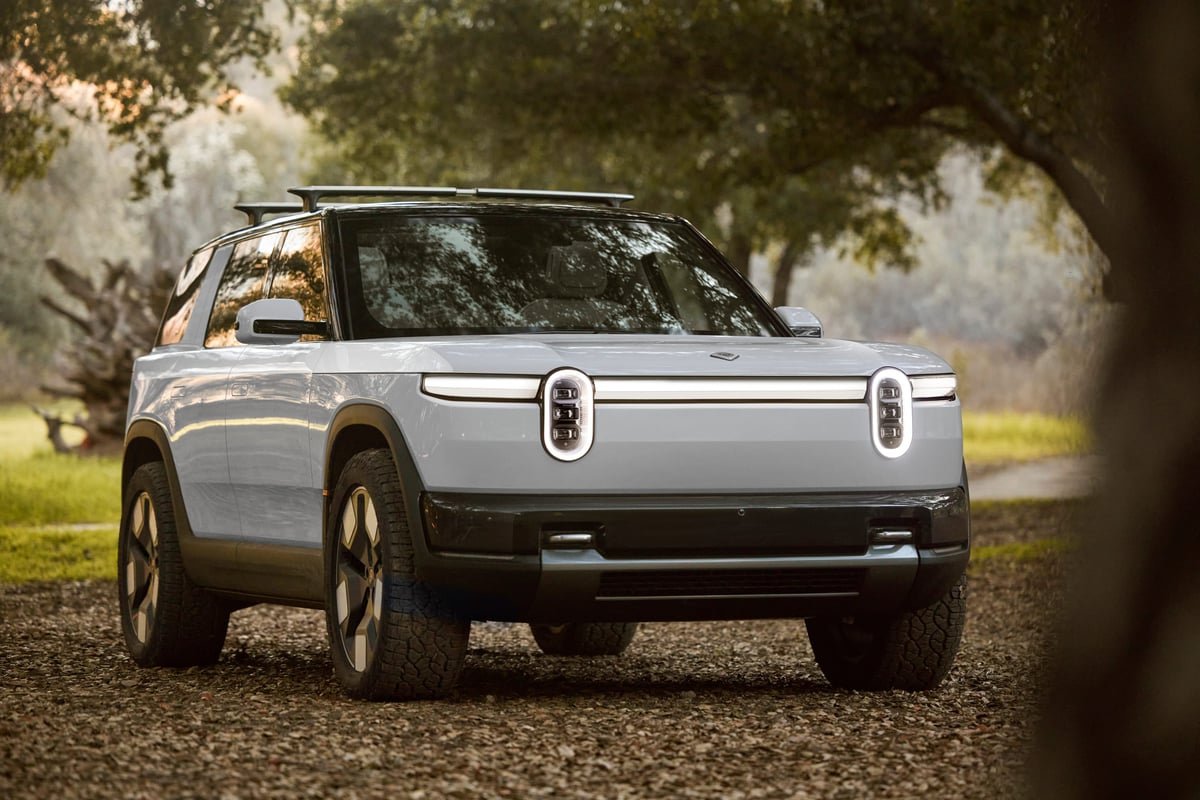
- Pricing Strategy: Rivian has opted to launch its first mass-market vehicle, the R2, at a price of $60,000, despite an initial promise of $45,000, aiming to maximize profits and attract early adopters to offset high initial production costs.
- Market Competition: The R2's high-end pricing exceeds Tesla's Model Y at $41,600, placing Rivian under competitive pressure; however, the upcoming lower-priced variants are expected to directly compete with Tesla by 2027.
- Product Release Plan: Rivian plans to release a premium version priced at $55,500 by the end of 2023, followed by a standard long-range model at $49,985 in the first half of 2027, with the base model set at $45,000 to capture market share.
- Brand Image Building: By launching higher-priced models, Rivian aims to showcase its best technology and features, which is crucial for enhancing brand perception as a young automaker in an increasingly competitive electric vehicle market.
See More

Analysis of Rivian R2 Pricing Strategy
- Pricing Strategy Overview: Rivian's R2 electric vehicle launches at a high price of $60,000, despite an initial promise of $45,000, aiming to prioritize high-value orders to maximize profits and offset initial production costs.
- Market Competition Pressure: The R2 will compete against Tesla's Model Y, which has a base price of approximately $41,600, with Rivian planning to release a $45,000 base model in late 2027 to enhance its market competitiveness.
- Product Release Schedule: Rivian intends to launch a lower-priced premium version at $55,500 by the end of 2023, followed by a standard long-range model priced at $49,985 in the first half of 2027, which will help attract a broader consumer base.
- Brand Image Building: By introducing high-priced models, Rivian aims to showcase its best technology and features, thereby enhancing its brand image, which is crucial for a young automaker in an increasingly competitive electric vehicle market.
See More

Israeli Conflict Impacts Market Dynamics

- Dow Jones Decline: The Dow Jones Industrial Average is set to record its fourth consecutive weekly decline, marking the first such streak since 2023, reflecting investor concerns about market outlook amid escalating conflict between Israel and Iran.
- Gold and Copper Volatility: Gold is on track for its worst week since 2020, while copper has fallen to its lowest level of the year, a trend typically viewed as a sign of cooling economic growth that could undermine investor confidence and consumer spending.
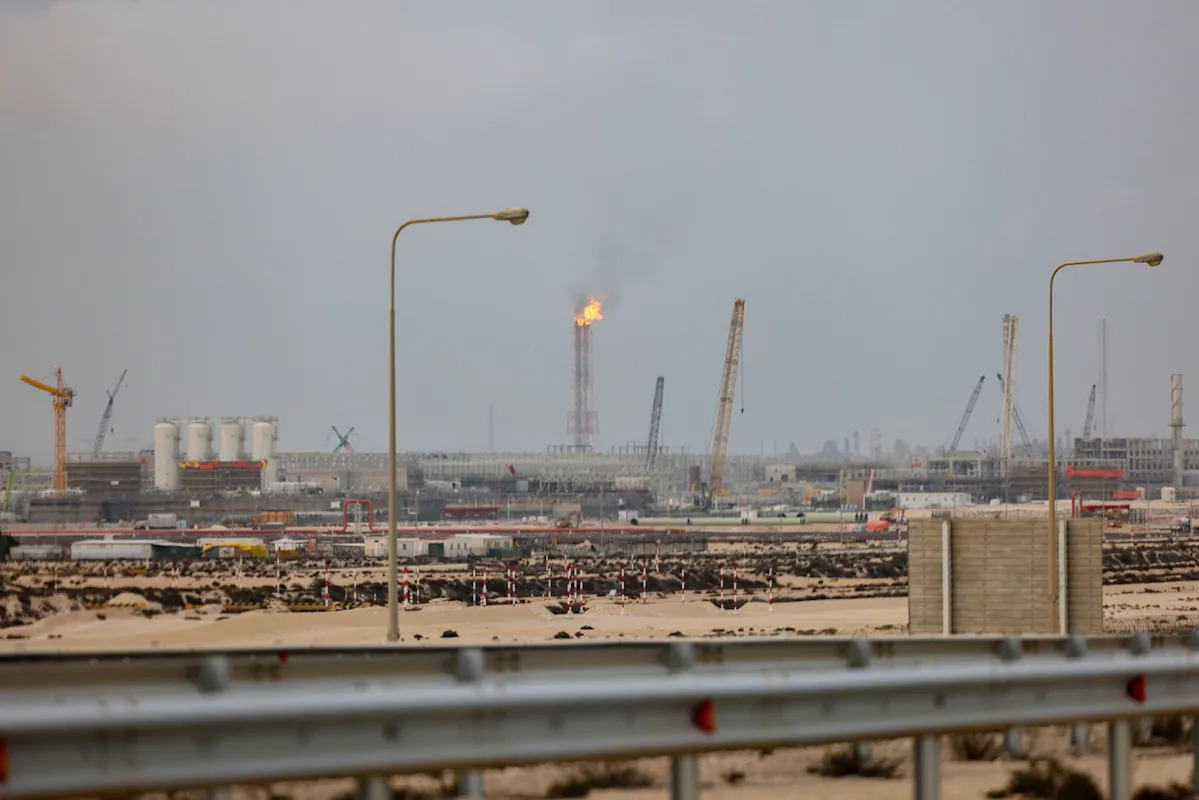
- Supply Chain Crisis Intensifies: The U.S.-Iran war threatens global helium supplies, with a Qatar facility halting production due to drone strikes, potentially increasing costs in semiconductor manufacturing and further straining the tech industry's supply chain.
- Meta's Strategic Shift: Meta has decided to keep the Horizon Worlds platform operational in response to user feedback, despite its user base being significantly smaller than competitors like Roblox, a decision that may impact Meta's long-term strategy in the virtual reality market.
See More
Key Wall Street Rating Updates on Friday


- Nvidia Rating Reaffirmed: Wolfe maintains Nvidia as an outperform, stating that with the stock priced at just 13x their bull case EPS, it is too cheap to ignore, potentially attracting more investor interest.
- Arm Upgrade: HSBC upgrades Arm from reduce to buy, highlighting its strong positioning in the AI sector, suggesting that its transition to a major AI server CPU player presents a significant undervaluation opportunity for investors.
- Apple App Store Revenue Slowdown: Morgan Stanley reiterates Apple as overweight, noting that App Store revenue growth decelerated to 6% YoY in Q1 2023, falling short of the expected 8%, indicating market caution regarding Apple's future growth prospects.
- Oneok Upgrade: Jefferies upgrades Oneok from hold to buy, citing tangible upside potential in the current market environment, particularly as geopolitical tensions in the Middle East raise crude oil price risks.
See More
Rivian Set to Announce Q1 2026 Earnings with Key Updates
- New Vehicle Launch: Rivian's upcoming R2 SUV, priced under $50,000, represents the company's first foray into the mass market, potentially attracting tens of millions of new customers and enhancing market share.
- Delivery and Production Capacity: While R2 SUV deliveries are expected to begin in April, investors should monitor whether initial deliveries occur on schedule and if production capacity scales as anticipated to avoid common EV industry delays.
- AI Investment Potential: Rivian's investments in artificial intelligence could be pivotal for future growth, and if the company provides positive AI updates next quarter, the market may reassess its valuation, driving stock price increases.
- Market Reaction Expectations: Rivian's stock surged nearly 80% following its AI Day in December, indicating market recognition of its AI potential; positive developments in the earnings report could further boost investor confidence.
See More
Rivian Unveils New R2 SUV Lineup Details
- New Model Launch: Rivian has recently unveiled its R2 SUV lineup, with the first version now available and several cheaper models expected to launch over the next 12 months, aiming to attract more potential buyers, particularly those uninterested in the R1S and R1T.
- Power and Range: The R2 Launch Package features dual motors generating 656 horsepower and an EPA-estimated range of 330 miles, with a starting price of $58,000, which may appeal to early demand due to its high-performance attributes.
- Pricing Strategy: Rivian plans to release a $45,000 version of the R2 by 2027, which is below the average new vehicle price of $49,200, aiming to attract consumers who have not previously considered electric vehicles, thereby expanding its market share.
- Market Challenges and Opportunities: Despite facing high costs and uncertain demand in the EV sector, if Rivian's R2 series successfully attracts its target customers, it could find a unique demand point in a competitive market, potentially driving the company's stock price higher.
See More
Rivian's R2 Pricing Strategy Analysis
- Pricing Strategy: Rivian has opted to launch its first mass-market vehicle, the R2, at a price of $60,000, despite an initial promise of $45,000, aiming to maximize profits and attract early adopters to offset high initial production costs.
- Market Competition: The R2's high-end pricing exceeds Tesla's Model Y at $41,600, placing Rivian under competitive pressure; however, the upcoming lower-priced variants are expected to directly compete with Tesla by 2027.
- Product Release Plan: Rivian plans to release a premium version priced at $55,500 by the end of 2023, followed by a standard long-range model at $49,985 in the first half of 2027, with the base model set at $45,000 to capture market share.
- Brand Image Building: By launching higher-priced models, Rivian aims to showcase its best technology and features, which is crucial for enhancing brand perception as a young automaker in an increasingly competitive electric vehicle market.
See More
Analysis of Rivian R2 Pricing Strategy
- Pricing Strategy Overview: Rivian's R2 electric vehicle launches at a high price of $60,000, despite an initial promise of $45,000, aiming to prioritize high-value orders to maximize profits and offset initial production costs.
- Market Competition Pressure: The R2 will compete against Tesla's Model Y, which has a base price of approximately $41,600, with Rivian planning to release a $45,000 base model in late 2027 to enhance its market competitiveness.
- Product Release Schedule: Rivian intends to launch a lower-priced premium version at $55,500 by the end of 2023, followed by a standard long-range model priced at $49,985 in the first half of 2027, which will help attract a broader consumer base.
- Brand Image Building: By introducing high-priced models, Rivian aims to showcase its best technology and features, thereby enhancing its brand image, which is crucial for a young automaker in an increasingly competitive electric vehicle market.
See More
Israeli Conflict Impacts Market Dynamics
- Dow Jones Decline: The Dow Jones Industrial Average is set to record its fourth consecutive weekly decline, marking the first such streak since 2023, reflecting investor concerns about market outlook amid escalating conflict between Israel and Iran.
- Gold and Copper Volatility: Gold is on track for its worst week since 2020, while copper has fallen to its lowest level of the year, a trend typically viewed as a sign of cooling economic growth that could undermine investor confidence and consumer spending.
- Supply Chain Crisis Intensifies: The U.S.-Iran war threatens global helium supplies, with a Qatar facility halting production due to drone strikes, potentially increasing costs in semiconductor manufacturing and further straining the tech industry's supply chain.
- Meta's Strategic Shift: Meta has decided to keep the Horizon Worlds platform operational in response to user feedback, despite its user base being significantly smaller than competitors like Roblox, a decision that may impact Meta's long-term strategy in the virtual reality market.
See More
Key Wall Street Rating Updates on Friday
- Nvidia Rating Reaffirmed: Wolfe maintains Nvidia as an outperform, stating that with the stock priced at just 13x their bull case EPS, it is too cheap to ignore, potentially attracting more investor interest.
- Arm Upgrade: HSBC upgrades Arm from reduce to buy, highlighting its strong positioning in the AI sector, suggesting that its transition to a major AI server CPU player presents a significant undervaluation opportunity for investors.
- Apple App Store Revenue Slowdown: Morgan Stanley reiterates Apple as overweight, noting that App Store revenue growth decelerated to 6% YoY in Q1 2023, falling short of the expected 8%, indicating market caution regarding Apple's future growth prospects.
- Oneok Upgrade: Jefferies upgrades Oneok from hold to buy, citing tangible upside potential in the current market environment, particularly as geopolitical tensions in the Middle East raise crude oil price risks.
See More