Rivian's 2026 Electric Vehicle Market Outlook
Written by Emily J. Thompson, Senior Investment Analyst
Updated: Feb 13 2026
0mins

Should l Buy RIVN?
Source: Fool
- Production Capacity Growth: Rivian is projected to produce around 42,000 high-end electric trucks and delivery vehicles annually by 2026, demonstrating rapid growth in the EV manufacturing sector despite high costs and competitive pressures.
- R2 Model Launch: Rivian plans to introduce a mass-market electric truck called the R2, aimed at attracting a broader consumer base, although the limited number of high-end customers could significantly impact market share.
- Strong Financial Position: As of Q3 2025, Rivian has approximately $7 billion in cash and short-term investments, providing ample funding for the R2 launch and bolstering investor confidence in its future growth.
- Uncertain Sales Outlook: While the R2's launch could present profitability opportunities, the decision by Ford to halt electric F-150 production and shift focus to hybrid models, coupled with the end of government subsidies, raises concerns about the R2's sales potential, increasing investment risks.
Trade with 70% Backtested Accuracy
Stop guessing "Should I Buy RIVN?" and start using high-conviction signals backed by rigorous historical data.
Sign up today to access powerful investing tools and make smarter, data-driven decisions.
Analyst Views on RIVN
Wall Street analysts forecast RIVN stock price to rise
18 Analyst Rating
8 Buy
7 Hold
3 Sell
Moderate Buy
Current: 14.600

Low
10.00
Averages
17.78
High
25.00
Current: 14.600
Low
10.00
Averages
17.78
High
25.00
About RIVN
Rivian Automotive, Inc. is an automotive technology company, which is engaged in developing and manufacturing category-defining electric vehicles (EVs) as well as vertically integrated technologies and services. The Company's R1 platform consists of two vehicles: the R1T, a two-row five-passenger pickup truck, and the R1S, a three-row seven-passenger sport utility vehicle (SUV). In the commercial market, the Company offers a Rivian Commercial Vehicle (RCV) platform. The vehicle on this platform is the Electric Delivery Van (EDV), designed and engineered by Rivian in collaboration with Amazon. The Company also offers FleetOS, its proprietary, end-to-end centralized fleet management subscription platform. It also offers a variety of services, including vehicle repair and maintenance, financing, insurance, joint venture, software subscriptions, and vehicle accessories, among others. Its other services include vehicle electrical architecture and software development services, and more.
About the author

Emily J. Thompson
Emily J. Thompson, a Chartered Financial Analyst (CFA) with 12 years in investment research, graduated with honors from the Wharton School. Specializing in industrial and technology stocks, she provides in-depth analysis for Intellectia’s earnings and market brief reports.
Rivian Q1 Results Analysis and Future Outlook

- Revenue Growth: In Q1, Rivian's revenue increased by 11% year-over-year to $1.4 billion, with deliveries rising 20% to 10,365 vehicles, nearly half of which came from Electric Delivery Van sales to Amazon, indicating strong performance in the electric logistics market.
- Surge in Software Revenue: Software and service revenue soared by 49% to $473 million, with approximately 60% stemming from its joint venture with Volkswagen, highlighting Rivian's potential in high-margin software business, which is expected to drive future profitability.
- Cash Outflow and EBITDA Loss: The company reported a free cash outflow of $1.08 billion in Q1, significantly up from $526 million a year ago, while adjusted EBITDA loss widened from $329 million to $472 million, reflecting financial pressures during its expansion phase.
- Future Outlook and Investments: Despite challenges, Rivian maintains its delivery target of 62,000 to 67,000 vehicles for 2023 and anticipates receiving $1 billion from Volkswagen and $550 million from Uber, demonstrating its ongoing appeal in the electric vehicle market.
See More

Rivian Automotive's Promising Outlook with R2 SUV Launch
- Revenue Growth: In Q1, Rivian's revenue rose 11% year-over-year to $1.4 billion, with deliveries increasing by 20% to 10,365 vehicles, indicating sustained growth potential in the electric vehicle market, particularly from Amazon's electric delivery vans contributing nearly half of the revenue.
- Surge in Software Revenue: Software and service revenue surged 49% year-over-year to $473 million, with approximately 60% coming from its joint venture with Volkswagen, highlighting Rivian's success in high-margin software business despite a 2% decline in automotive revenue to $908 million.
- Capital Infusion Outlook: Rivian expects to receive $1 billion from Volkswagen and $550 million from Uber this year, which will provide financial support for the launch of its new R2 SUV and the development of autonomous driving technology, enhancing its competitive position in the market.
- Future Guidance: Despite challenges, Rivian maintains its delivery target for 2023, expecting to deliver between 62,000 and 67,000 vehicles, and plans to achieve full autonomy by 2028, demonstrating its long-term strategic positioning in the electric vehicle and autonomous driving sectors.
See More
Insider Buying Signals Strong Confidence Across Key Companies

- NeOnc Technologies Update: CEO Amir Heshmatpour has purchased nearly $1 million in shares over the past year, indicating strong internal confidence in the upcoming interim data for its NEO100 clinical trial targeting CNS cancers, which could positively impact the company's future trajectory.
- Rivian Strategic Investment: Volkswagen's recent commitment of approximately $1 billion in stock purchases signals long-term confidence in Rivian's EV technology and market share, potentially facilitating further expansion in the competitive electric vehicle landscape.
- Sportradar Executive Buying: Senior executives at Sportradar have collectively acquired over $4.7 million in shares, a significant buying activity that not only reflects confidence in data monetization and global betting market growth but also may provide robust support for the company's future expansion plans.
- Northwest Bancshares Insider Purchases: A cluster of insider purchases totaling around $200,000 has emerged at Northwest Bancshares, and while smaller in scale, this coordinated buying may indicate confidence in the stability of the company's balance sheet and loan portfolio quality as interest rates stabilize.
See More

Insider Buying Signals Strong Confidence Across Key Companies

- NeOnc Technologies Update: CEO Amir Heshmatpour has accumulated nearly $1 million in stock purchases over the past year, indicating strong internal confidence in its CNS cancer treatment platform, especially ahead of upcoming clinical trial data.
- Rivian Investment Activity: Volkswagen's recent commitment of approximately $1 billion in share purchases signals long-term confidence in Rivian's EV technology, potentially enhancing its market share despite not being a traditional insider buy.
- Sportradar Executive Buying: Senior executives at Sportradar have acquired over $4.7 million in shares, suggesting confidence in data monetization and global betting market expansion, which may indicate future growth momentum for the company.
- Northwest Bancshares Activity: A cluster of insider purchases totaling around $200,000 has emerged at Northwest Bancshares, reflecting potential confidence in balance sheet stability and loan portfolio quality, despite the smaller scale of these transactions.
See More
Uber's Q1 Earnings Miss Estimates but Guidance Surpasses Expectations


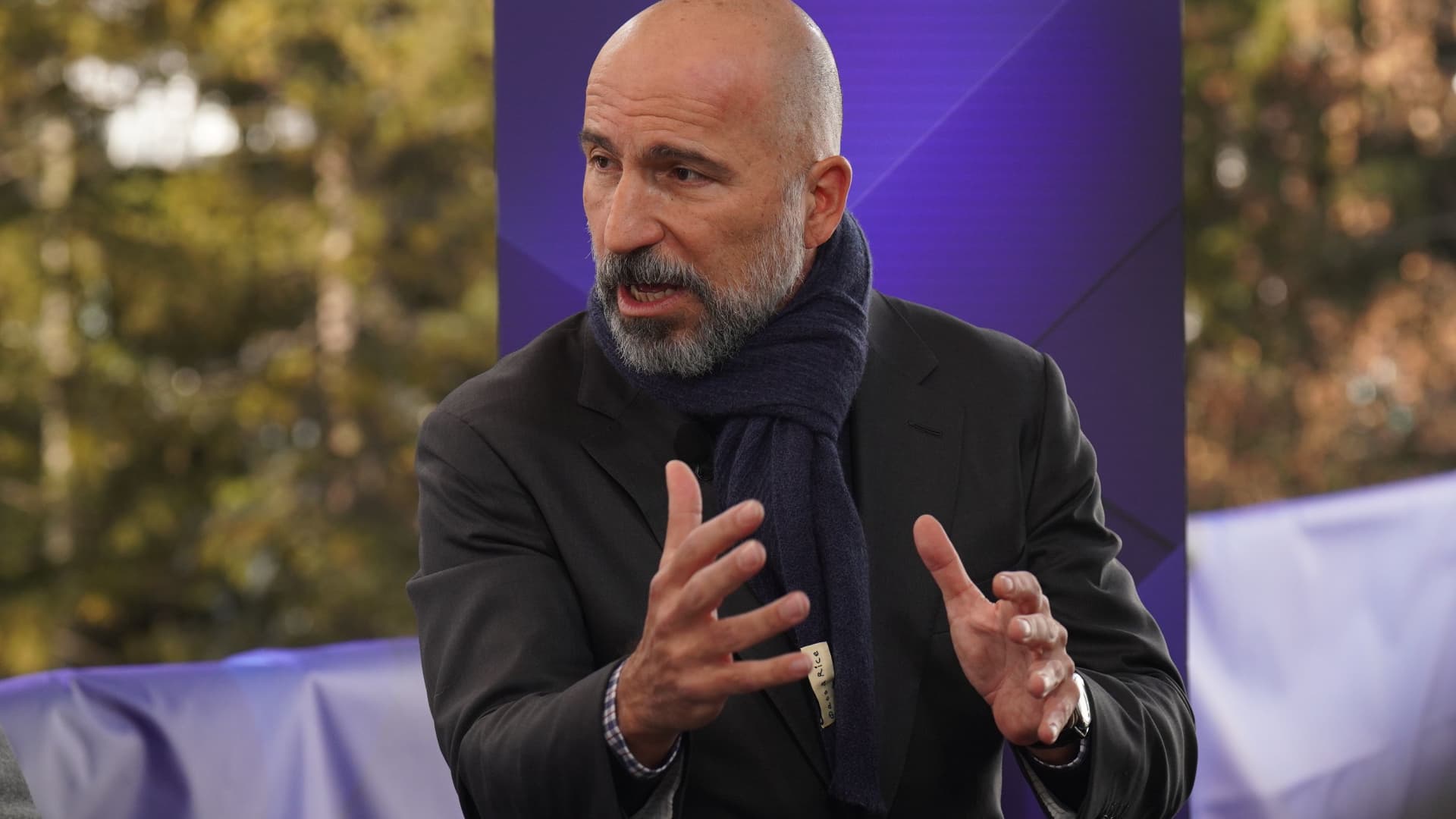
- Earnings Performance: Uber reported Q1 revenue of $13.2 billion, missing the market expectation of $13.29 billion, with earnings per share at 13 cents, significantly below the expected 70 cents, indicating challenges in a complex macro environment.
- Net Income Decline: Due to the revaluation of equity investments, Uber's net income fell from $1.78 billion a year ago to $263 million, reflecting the pressure of market volatility on the company's profitability.
- Delivery Segment Growth: Uber's delivery segment achieved a 34% revenue growth to $5.07 billion, surpassing analyst expectations of $4.89 billion, demonstrating strong performance in Australia, Japan, and the UK.
- Optimistic Future Guidance: Uber expects total bookings for Q2 to range between $56.25 billion and $57.75 billion, exceeding the consensus estimate of $56.17 billion, indicating a positive outlook for future growth.
See More

SpaceX Plans Historic IPO Targeting $1.75 Trillion Valuation


- IPO Filing: Last month, SpaceX confidentially filed for an initial public offering (IPO) with the SEC, planning to kick off its roadshow on June 8 to pitch the stock to institutional investors and analysts, although a specific IPO date has not been set, trading is expected to commence in late June or early July.
- Valuation Target: The company is aiming for a staggering $1.75 trillion valuation, which would make it the largest IPO in U.S. history; however, historical trends indicate that IPO stocks often underperform in their first year, prompting investors to exercise caution.
- Historical Performance Insights: Data shows that since 1980, around 9,300 companies have gone public on the NYSE or Nasdaq, with IPO stocks gaining an average of 19% on their first trading day, yet those with large market values frequently experience sharp declines after initial excitement fades.
- Long-Term Investment Risks: While SpaceX may perform well in the long run, most large IPO stocks historically have underperformed the S&P 500 post-listing, suggesting that investors might be better off investing in an S&P 500 index fund rather than directly purchasing SpaceX shares.
See More
Rivian Q1 Results Analysis and Future Outlook
- Revenue Growth: In Q1, Rivian's revenue increased by 11% year-over-year to $1.4 billion, with deliveries rising 20% to 10,365 vehicles, nearly half of which came from Electric Delivery Van sales to Amazon, indicating strong performance in the electric logistics market.
- Surge in Software Revenue: Software and service revenue soared by 49% to $473 million, with approximately 60% stemming from its joint venture with Volkswagen, highlighting Rivian's potential in high-margin software business, which is expected to drive future profitability.
- Cash Outflow and EBITDA Loss: The company reported a free cash outflow of $1.08 billion in Q1, significantly up from $526 million a year ago, while adjusted EBITDA loss widened from $329 million to $472 million, reflecting financial pressures during its expansion phase.
- Future Outlook and Investments: Despite challenges, Rivian maintains its delivery target of 62,000 to 67,000 vehicles for 2023 and anticipates receiving $1 billion from Volkswagen and $550 million from Uber, demonstrating its ongoing appeal in the electric vehicle market.
See More
Rivian Automotive's Promising Outlook with R2 SUV Launch
- Revenue Growth: In Q1, Rivian's revenue rose 11% year-over-year to $1.4 billion, with deliveries increasing by 20% to 10,365 vehicles, indicating sustained growth potential in the electric vehicle market, particularly from Amazon's electric delivery vans contributing nearly half of the revenue.
- Surge in Software Revenue: Software and service revenue surged 49% year-over-year to $473 million, with approximately 60% coming from its joint venture with Volkswagen, highlighting Rivian's success in high-margin software business despite a 2% decline in automotive revenue to $908 million.
- Capital Infusion Outlook: Rivian expects to receive $1 billion from Volkswagen and $550 million from Uber this year, which will provide financial support for the launch of its new R2 SUV and the development of autonomous driving technology, enhancing its competitive position in the market.
- Future Guidance: Despite challenges, Rivian maintains its delivery target for 2023, expecting to deliver between 62,000 and 67,000 vehicles, and plans to achieve full autonomy by 2028, demonstrating its long-term strategic positioning in the electric vehicle and autonomous driving sectors.
See More
Insider Buying Signals Strong Confidence Across Key Companies
- NeOnc Technologies Update: CEO Amir Heshmatpour has purchased nearly $1 million in shares over the past year, indicating strong internal confidence in the upcoming interim data for its NEO100 clinical trial targeting CNS cancers, which could positively impact the company's future trajectory.
- Rivian Strategic Investment: Volkswagen's recent commitment of approximately $1 billion in stock purchases signals long-term confidence in Rivian's EV technology and market share, potentially facilitating further expansion in the competitive electric vehicle landscape.
- Sportradar Executive Buying: Senior executives at Sportradar have collectively acquired over $4.7 million in shares, a significant buying activity that not only reflects confidence in data monetization and global betting market growth but also may provide robust support for the company's future expansion plans.
- Northwest Bancshares Insider Purchases: A cluster of insider purchases totaling around $200,000 has emerged at Northwest Bancshares, and while smaller in scale, this coordinated buying may indicate confidence in the stability of the company's balance sheet and loan portfolio quality as interest rates stabilize.
See More
Insider Buying Signals Strong Confidence Across Key Companies
- NeOnc Technologies Update: CEO Amir Heshmatpour has accumulated nearly $1 million in stock purchases over the past year, indicating strong internal confidence in its CNS cancer treatment platform, especially ahead of upcoming clinical trial data.
- Rivian Investment Activity: Volkswagen's recent commitment of approximately $1 billion in share purchases signals long-term confidence in Rivian's EV technology, potentially enhancing its market share despite not being a traditional insider buy.
- Sportradar Executive Buying: Senior executives at Sportradar have acquired over $4.7 million in shares, suggesting confidence in data monetization and global betting market expansion, which may indicate future growth momentum for the company.
- Northwest Bancshares Activity: A cluster of insider purchases totaling around $200,000 has emerged at Northwest Bancshares, reflecting potential confidence in balance sheet stability and loan portfolio quality, despite the smaller scale of these transactions.
See More
Uber's Q1 Earnings Miss Estimates but Guidance Surpasses Expectations
- Earnings Performance: Uber reported Q1 revenue of $13.2 billion, missing the market expectation of $13.29 billion, with earnings per share at 13 cents, significantly below the expected 70 cents, indicating challenges in a complex macro environment.
- Net Income Decline: Due to the revaluation of equity investments, Uber's net income fell from $1.78 billion a year ago to $263 million, reflecting the pressure of market volatility on the company's profitability.
- Delivery Segment Growth: Uber's delivery segment achieved a 34% revenue growth to $5.07 billion, surpassing analyst expectations of $4.89 billion, demonstrating strong performance in Australia, Japan, and the UK.
- Optimistic Future Guidance: Uber expects total bookings for Q2 to range between $56.25 billion and $57.75 billion, exceeding the consensus estimate of $56.17 billion, indicating a positive outlook for future growth.
See More
SpaceX Plans Historic IPO Targeting $1.75 Trillion Valuation
- IPO Filing: Last month, SpaceX confidentially filed for an initial public offering (IPO) with the SEC, planning to kick off its roadshow on June 8 to pitch the stock to institutional investors and analysts, although a specific IPO date has not been set, trading is expected to commence in late June or early July.
- Valuation Target: The company is aiming for a staggering $1.75 trillion valuation, which would make it the largest IPO in U.S. history; however, historical trends indicate that IPO stocks often underperform in their first year, prompting investors to exercise caution.
- Historical Performance Insights: Data shows that since 1980, around 9,300 companies have gone public on the NYSE or Nasdaq, with IPO stocks gaining an average of 19% on their first trading day, yet those with large market values frequently experience sharp declines after initial excitement fades.
- Long-Term Investment Risks: While SpaceX may perform well in the long run, most large IPO stocks historically have underperformed the S&P 500 post-listing, suggesting that investors might be better off investing in an S&P 500 index fund rather than directly purchasing SpaceX shares.
See More