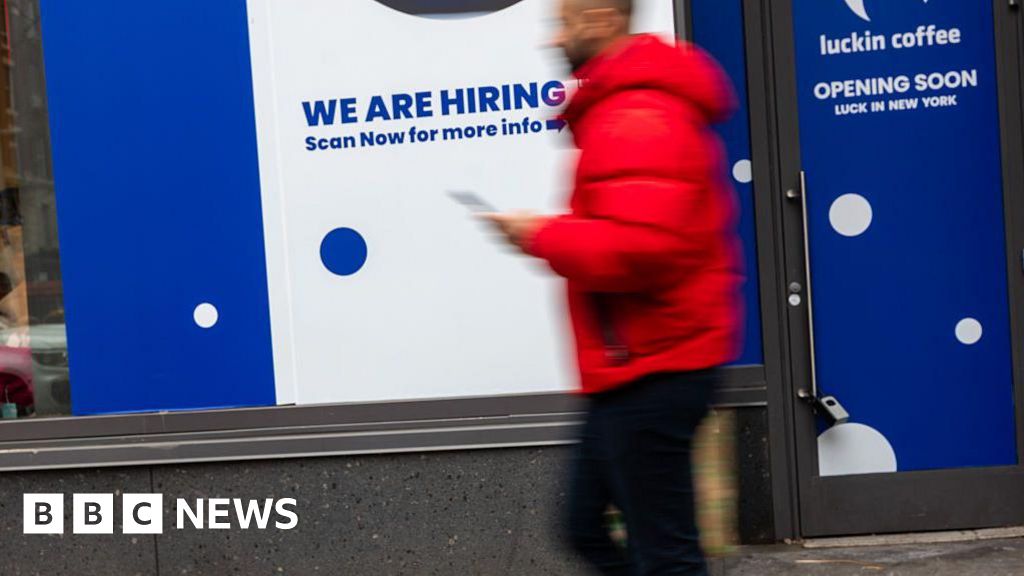
Retailers such as Claire’s and Rite Aid are shutting down locations. Here’s how major discount chains will gain from it.
Written by Emily J. Thompson, Senior Investment Analyst
Updated: Sep 18 2025
0mins

Should l Buy COST?
Source: MarketWatch
Retail Store Closures: Bankruptcy filings have led to significant store closures among retailers like Claire’s, At Home, and Rite Aid.
Market Dynamics: Large discount chains such as Walmart and Dollar Tree are expected to occupy the vacant retail spaces, potentially increasing the market dominance of a few major retailers.
Trade with 70% Backtested Accuracy
Stop guessing "Should I Buy COST?" and start using high-conviction signals backed by rigorous historical data.
Sign up today to access powerful investing tools and make smarter, data-driven decisions.
Analyst Views on COST
Wall Street analysts forecast COST stock price to rise
24 Analyst Rating
19 Buy
4 Hold
1 Sell
Strong Buy
Current: 996.560

Low
769.00
Averages
1061
High
1205
Current: 996.560
Low
769.00
Averages
1061
High
1205
About COST
Costco Wholesale Corporation (Costco) operates membership warehouses and e-commerce sites that offer a selection of nationally branded and private-label products in a wide range of categories. The Company buys the majority of its merchandise directly from suppliers and route it to cross-docking consolidation points (depots) or directly to its warehouses. It operates 891 warehouses, including 614 in the United States and Puerto Rico, 108 in Canada, 40 in Mexico, 35 in Japan, 29 in the United Kingdom, 19 in Korea, 15 in Australia, 14 in Taiwan, seven in China, five in Spain, two in France, and one each in Iceland, New Zealand and Sweden. It also operates e-commerce sites in the United States, Canada, the United Kingdom, Mexico, Korea, Taiwan, Japan and Australia. The Company provides wide selection of merchandise, plus the convenience of specialty departments and exclusive member services.
About the author

Emily J. Thompson
Emily J. Thompson, a Chartered Financial Analyst (CFA) with 12 years in investment research, graduated with honors from the Wharton School. Specializing in industrial and technology stocks, she provides in-depth analysis for Intellectia’s earnings and market brief reports.

Costco's Steady Growth Faces Stock Valuation Risks
- Significant Membership Growth: Costco's paid membership surged from 44.6 million to 82.1 million, indicating enhanced customer loyalty and market appeal, which lays a solid foundation for future revenue growth.
- Continued Warehouse Expansion: The global warehouse count increased from 686 to 924, demonstrating strong international expansion capabilities, although the future target of only 28 new warehouses may limit growth potential.
- Stock Price Discrepancy: Despite a cumulative earnings per share growth of 258% since fiscal 2015, the stock's total return reached 734%, reflecting a high premium on earnings that may face valuation risks in the future.
- Cautious Future Growth Expectations: Analysts forecast a 12% earnings growth this year and an annual growth of 9.6% thereafter, suggesting that investors should temper their expectations for the next decade, anticipating more modest returns compared to previous years.
See More

Retail Giants Navigate Economic Turmoil

- Costco's Market Adaptability: Costco's strategy of charging membership fees and selling high-quality goods at near-cost prices has successfully attracted consumers, helping its members mitigate inflation impacts; however, its P/E ratio of 52, significantly above the S&P 500's 27, underscores its strong market position.
- Amazon's Diversification Advantage: Amazon leverages its dominant retail position and low-margin sales strategy to effectively guide consumers towards substitute goods to combat inflation, while its AWS cloud computing segment is projected to grow at a 19% CAGR through 2030, alleviating pressure on its online sales business.
- Walmart's Supply Chain Efficiency: As the world's largest retailer, Walmart has stores within 10 miles of over 90% of Americans, and its success in e-commerce, coupled with efficient supply chain management, enables it to effectively counter inflation and tariffs, despite a high P/E ratio of 46, indicating strong market competitiveness.
- Long-Term Growth Potential: Despite economic turmoil, retail giants like Costco, Amazon, and Walmart are expected to maintain robust market performance over the next 30 years due to their solid business models and adaptability, making them attractive options for investors.
See More

Costco, Amazon, and Walmart's Market Strategies Amid Economic Turmoil
- Costco's Legal Action: Costco has sued the Trump administration over tariffs deemed unconstitutional, seeking refunds that could alleviate cost pressures on members, thereby enhancing customer loyalty and market competitiveness.
- Amazon's Market Advantage: Amazon's strategy of low-margin sales and its robust AWS cloud business, which is projected to grow at a 19% CAGR through 2030, further solidifies its leadership position in the retail market.
- Walmart's Supply Chain Efficiency: With over 90% of Americans living within 10 miles of a Walmart, the company has shown resilience and adaptability, achieving a 13% profit increase in fiscal 2025 through effective supply chain management and e-commerce transformation.
- Long-Term Investment Outlook: Despite Costco and Walmart's P/E ratios being above industry averages, their business models and market positioning suggest strong growth potential over the next 30 years, making them worthy of investor consideration.
See More
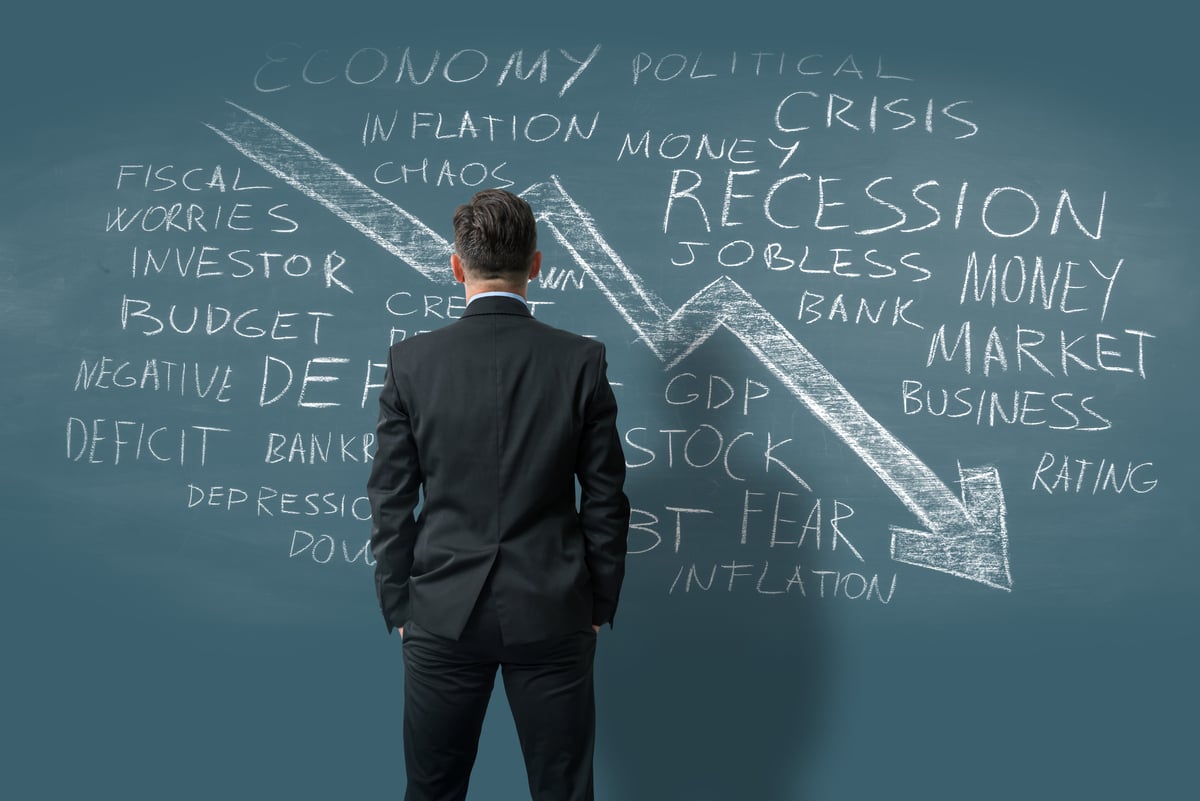
U.S. Consumer Spending Shows Unexpected Growth Amid Iran War

- Retail Sales Growth: U.S. retail sales rose 0.6% in February compared to the previous month, surpassing the expected 0.4% growth, indicating broad consumer spending increases in discretionary categories like department stores, restaurants, and cars, despite ongoing recession concerns.
- Impact of Energy Prices: The Iran war has led to a one-third increase in oil prices, raising fuel and shipping costs, prompting investors to seek safe investment avenues, with consumer staples stocks favored for their defensive and recession-resistant characteristics.
- Dollar General Performance: Dollar General has a strong track record during economic downturns, with management noting a shift in consumer behavior due to high energy prices and inflation, anticipating comparable sales and profit growth in 2025 as it continues to expand and renovate stores.
- Philip Morris Growth: Philip Morris International has pivoted successfully to next-gen products like Zyn and Iqos, achieving a 6.5% organic revenue growth to $40.6 billion, with a solid 3.7% dividend yield, positioning it well to weather market volatility amid the Iran conflict.
See More

Investors Heighten Concerns Over Economic Recession
- Recession Probability Fluctuations: According to Kalshi, the probability of a recession in 2025 exceeded 40% but dropped below 20% in February this year, only to rebound to 28% as of April 1, reflecting the impact of poor economic data and international tensions on market sentiment.
- GDP Revision Impact: The U.S. fourth-quarter GDP was revised down to 0.7% in March, increasing the risk of economic slowdown, and investors should be aware of the potential for two consecutive quarters of negative growth, which could be viewed as a shallow recession.
- Consumer Staples ETF Performance: The State Street Consumer Staples Select Sector SPDR ETF (XLP) has performed well amid market turmoil, rising 5% this year, with major holdings including Walmart (11.85%) and Coca-Cola (6.46%), demonstrating the resilience of consumer staples in uncertain economic conditions.
- Utilities ETF Stability: The Vanguard Utilities ETF (VPU) has also shown strong performance, up approximately 5% this year, with key holdings like NextEra Energy (11.95%) and Southern (6.38%), indicating that utility stocks' defensive characteristics are attracting investors amid recession fears.
See More

Market Volatility and Amazon's Acquisition Talks


- Market Volatility: Stocks experienced significant declines at the open on Thursday due to President Trump's hawkish remarks on the Iran war, which raised concerns and caused oil prices to surge; however, news of Iran working with Oman on a shipping protocol eased oil price pressures, allowing the S&P 500 to briefly trade higher, reflecting the market's high uncertainty.
- Amazon Acquisition Talks: Amazon is in negotiations to acquire satellite company Globalstar to advance its internet-from-space service, Leo, having launched about 200 low Earth orbit satellites despite competition from SpaceX's Starlink, which has over 10,000 satellites; this move is expected to enhance rural internet access and make Prime membership more attractive.
- Microsoft's AI Investment Lag: A profile on Microsoft CFO Amy Mood highlighted the company's conservative approach to AI spending, which has led to a competitive disadvantage, with the stock down 23% year-to-date; nevertheless, analysts remain optimistic about management's ability to address these challenges, maintaining a $600 price target.
- Rapid Stock Review: Stocks mentioned in Thursday's rapid-fire segment included Brinker, Texas Roadhouse, and Constellation Brands, indicating a focus on diversified investment strategies while emphasizing Jim Cramer's long-term holding approach in specific stocks within his charitable trust.
See More
Costco's Steady Growth Faces Stock Valuation Risks
- Significant Membership Growth: Costco's paid membership surged from 44.6 million to 82.1 million, indicating enhanced customer loyalty and market appeal, which lays a solid foundation for future revenue growth.
- Continued Warehouse Expansion: The global warehouse count increased from 686 to 924, demonstrating strong international expansion capabilities, although the future target of only 28 new warehouses may limit growth potential.
- Stock Price Discrepancy: Despite a cumulative earnings per share growth of 258% since fiscal 2015, the stock's total return reached 734%, reflecting a high premium on earnings that may face valuation risks in the future.
- Cautious Future Growth Expectations: Analysts forecast a 12% earnings growth this year and an annual growth of 9.6% thereafter, suggesting that investors should temper their expectations for the next decade, anticipating more modest returns compared to previous years.
See More
Retail Giants Navigate Economic Turmoil
- Costco's Market Adaptability: Costco's strategy of charging membership fees and selling high-quality goods at near-cost prices has successfully attracted consumers, helping its members mitigate inflation impacts; however, its P/E ratio of 52, significantly above the S&P 500's 27, underscores its strong market position.
- Amazon's Diversification Advantage: Amazon leverages its dominant retail position and low-margin sales strategy to effectively guide consumers towards substitute goods to combat inflation, while its AWS cloud computing segment is projected to grow at a 19% CAGR through 2030, alleviating pressure on its online sales business.
- Walmart's Supply Chain Efficiency: As the world's largest retailer, Walmart has stores within 10 miles of over 90% of Americans, and its success in e-commerce, coupled with efficient supply chain management, enables it to effectively counter inflation and tariffs, despite a high P/E ratio of 46, indicating strong market competitiveness.
- Long-Term Growth Potential: Despite economic turmoil, retail giants like Costco, Amazon, and Walmart are expected to maintain robust market performance over the next 30 years due to their solid business models and adaptability, making them attractive options for investors.
See More
Costco, Amazon, and Walmart's Market Strategies Amid Economic Turmoil
- Costco's Legal Action: Costco has sued the Trump administration over tariffs deemed unconstitutional, seeking refunds that could alleviate cost pressures on members, thereby enhancing customer loyalty and market competitiveness.
- Amazon's Market Advantage: Amazon's strategy of low-margin sales and its robust AWS cloud business, which is projected to grow at a 19% CAGR through 2030, further solidifies its leadership position in the retail market.
- Walmart's Supply Chain Efficiency: With over 90% of Americans living within 10 miles of a Walmart, the company has shown resilience and adaptability, achieving a 13% profit increase in fiscal 2025 through effective supply chain management and e-commerce transformation.
- Long-Term Investment Outlook: Despite Costco and Walmart's P/E ratios being above industry averages, their business models and market positioning suggest strong growth potential over the next 30 years, making them worthy of investor consideration.
See More
U.S. Consumer Spending Shows Unexpected Growth Amid Iran War
- Retail Sales Growth: U.S. retail sales rose 0.6% in February compared to the previous month, surpassing the expected 0.4% growth, indicating broad consumer spending increases in discretionary categories like department stores, restaurants, and cars, despite ongoing recession concerns.
- Impact of Energy Prices: The Iran war has led to a one-third increase in oil prices, raising fuel and shipping costs, prompting investors to seek safe investment avenues, with consumer staples stocks favored for their defensive and recession-resistant characteristics.
- Dollar General Performance: Dollar General has a strong track record during economic downturns, with management noting a shift in consumer behavior due to high energy prices and inflation, anticipating comparable sales and profit growth in 2025 as it continues to expand and renovate stores.
- Philip Morris Growth: Philip Morris International has pivoted successfully to next-gen products like Zyn and Iqos, achieving a 6.5% organic revenue growth to $40.6 billion, with a solid 3.7% dividend yield, positioning it well to weather market volatility amid the Iran conflict.
See More
Investors Heighten Concerns Over Economic Recession
- Recession Probability Fluctuations: According to Kalshi, the probability of a recession in 2025 exceeded 40% but dropped below 20% in February this year, only to rebound to 28% as of April 1, reflecting the impact of poor economic data and international tensions on market sentiment.
- GDP Revision Impact: The U.S. fourth-quarter GDP was revised down to 0.7% in March, increasing the risk of economic slowdown, and investors should be aware of the potential for two consecutive quarters of negative growth, which could be viewed as a shallow recession.
- Consumer Staples ETF Performance: The State Street Consumer Staples Select Sector SPDR ETF (XLP) has performed well amid market turmoil, rising 5% this year, with major holdings including Walmart (11.85%) and Coca-Cola (6.46%), demonstrating the resilience of consumer staples in uncertain economic conditions.
- Utilities ETF Stability: The Vanguard Utilities ETF (VPU) has also shown strong performance, up approximately 5% this year, with key holdings like NextEra Energy (11.95%) and Southern (6.38%), indicating that utility stocks' defensive characteristics are attracting investors amid recession fears.
See More
Market Volatility and Amazon's Acquisition Talks
- Market Volatility: Stocks experienced significant declines at the open on Thursday due to President Trump's hawkish remarks on the Iran war, which raised concerns and caused oil prices to surge; however, news of Iran working with Oman on a shipping protocol eased oil price pressures, allowing the S&P 500 to briefly trade higher, reflecting the market's high uncertainty.
- Amazon Acquisition Talks: Amazon is in negotiations to acquire satellite company Globalstar to advance its internet-from-space service, Leo, having launched about 200 low Earth orbit satellites despite competition from SpaceX's Starlink, which has over 10,000 satellites; this move is expected to enhance rural internet access and make Prime membership more attractive.
- Microsoft's AI Investment Lag: A profile on Microsoft CFO Amy Mood highlighted the company's conservative approach to AI spending, which has led to a competitive disadvantage, with the stock down 23% year-to-date; nevertheless, analysts remain optimistic about management's ability to address these challenges, maintaining a $600 price target.
- Rapid Stock Review: Stocks mentioned in Thursday's rapid-fire segment included Brinker, Texas Roadhouse, and Constellation Brands, indicating a focus on diversified investment strategies while emphasizing Jim Cramer's long-term holding approach in specific stocks within his charitable trust.
See More