Retail Sector to Close Nearly 300 Stores in 2026 Amid Ongoing Trends
Written by Emily J. Thompson, Senior Investment Analyst
Updated: Dec 26 2025
0mins
Source: Benzinga
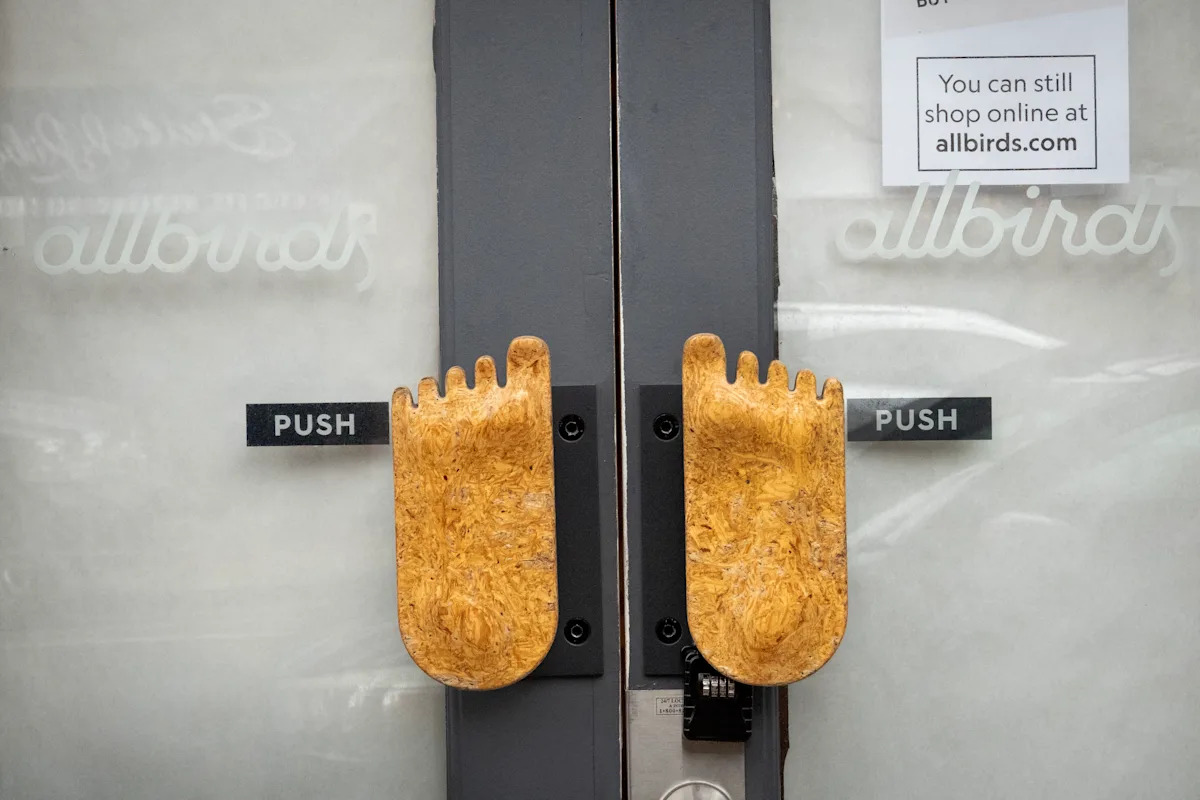
- Retail Contraction: Nearly 300 retail stores are expected to close by 2026, continuing the significant closure trend observed in 2024 and 2025, highlighting ongoing challenges in the retail sector.
- Impact on Major Chains: Macy's plans to close 150 locations by 2026, allowing the company to focus on its most profitable stores and enhance its online experience, aiming to improve overall profitability.
- Small Retailers Adjusting: Many niche stores are reallocating resources to strengthen their online presence, indicating a market shift towards e-commerce that is likely to affect consumer shopping habits.
- Uncertain Industry Outlook: As the pandemic accelerates the transformation of the retail sector, more closures are anticipated in the coming years, making the changes in retail dynamics and consumer behavior critical to monitor.
Trade with 70% Backtested Accuracy
Stop guessing "Should I Buy KR?" and start using high-conviction signals backed by rigorous historical data.
Sign up today to access powerful investing tools and make smarter, data-driven decisions.
Analyst Views on KR
Wall Street analysts forecast KR stock price to rise
15 Analyst Rating
9 Buy
6 Hold
0 Sell
Moderate Buy
Current: 67.190

Low
68.00
Averages
75.00
High
85.00
Current: 67.190
Low
68.00
Averages
75.00
High
85.00
About KR
The Kroger Co. is a food and drug retailer. The Company operates supermarkets, multi-department stores and fulfillment centers throughout the United States. It operates approximately 2,731 supermarkets, 2,273 pharmacies and 1,702 fuel centers in over 35 states and the District of Columbia while also operating online through a digital ecosystem to offer customers an omnichannel shopping experience. The Company also manufactures and processes food for sale in its supermarkets and online. It offers Pickup and Harris Teeter ExpressLane personalized, order online, pick-up at the store services at approximately 2,412 of its supermarkets and provides delivery, which allows it to offer digital solutions to substantially all of its customers. Its delivery solutions include orders delivered to customers at retail store locations, customer fulfillment centers and orders placed through third-party platforms. The Company also offers customer-facing apps and interfaces.
About the author

Emily J. Thompson
Emily J. Thompson, a Chartered Financial Analyst (CFA) with 12 years in investment research, graduated with honors from the Wharton School. Specializing in industrial and technology stocks, she provides in-depth analysis for Intellectia’s earnings and market brief reports.
Walmart's Great Value Brand Gets a Revamp


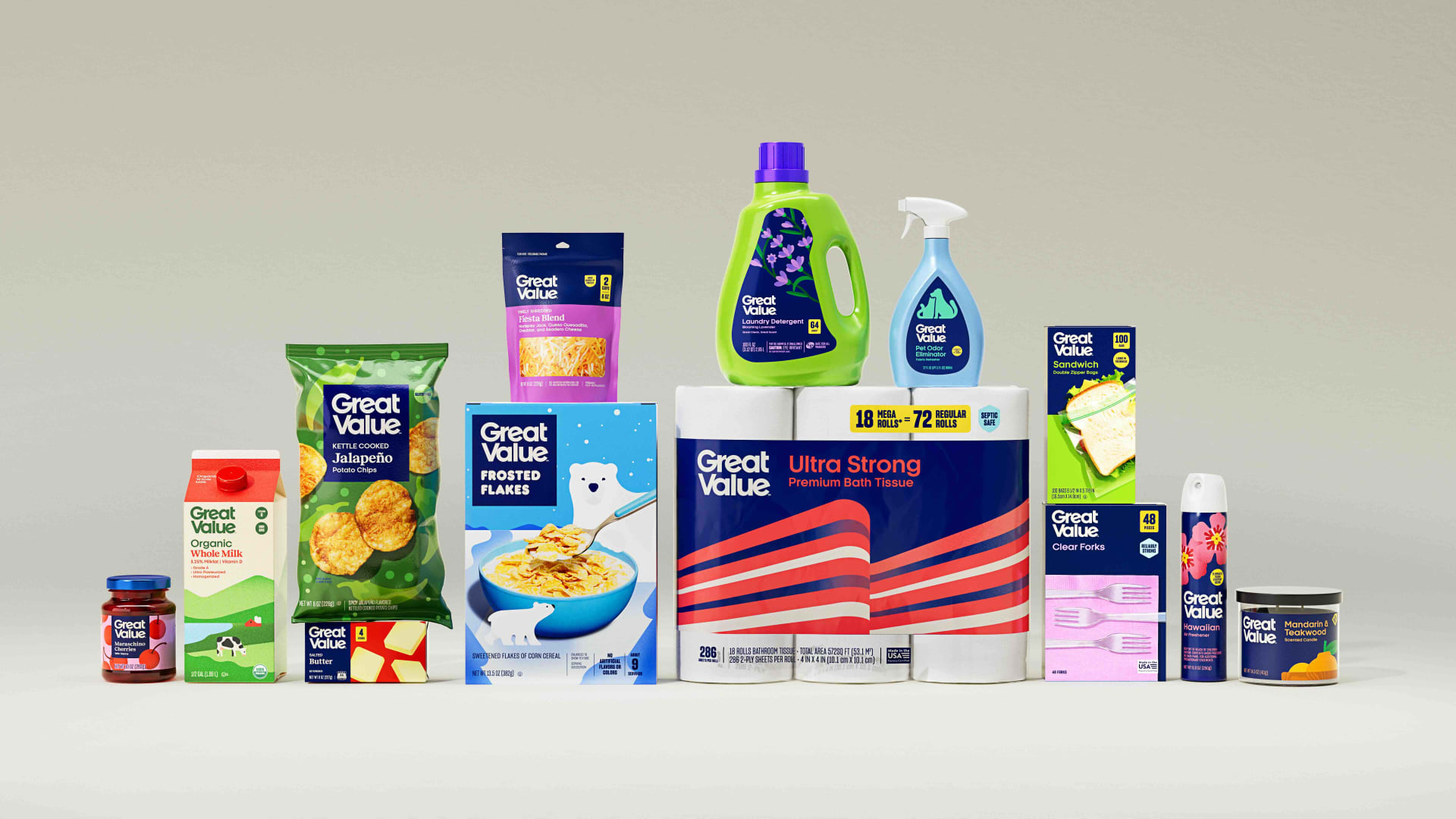
- Brand Image Refresh: Walmart announced that starting in May, it will revamp the packaging of approximately 10,000 Great Value products, maintaining the same prices and contents, which aims to enhance consumer brand recognition and pride.
- Leading Market Penetration: According to market researcher Numerator, Great Value boasts an 87% household penetration rate in the U.S., showcasing its strong influence in the retail market, particularly in the increasingly competitive private label sector.
- Competitive Pressure Response: This packaging update represents an offensive strategy by Walmart to counter the rise of competitors like Amazon, whose grocery brand has become the fastest-growing private label since its launch, with Walmart aiming to attract more high-income consumers through improved brand image.
- Evolving Consumer Demands: Walmart executives noted that consumer expectations for private brands are rising, especially among younger generations who prefer private labels, and the update aims to meet this trend and enhance the brand's market competitiveness.
See More
Buffett's Investment Legacy and the Resilience of Coca-Cola and Kroger


- Coca-Cola's Market Resilience: As a long-held stock by Buffett, Coca-Cola showcases its robust risk management with a 64-year dividend history and a 12% year-to-date increase, serving as a safe haven for investors during market volatility and reinforcing its critical role in the U.S. economy.
- Kroger's Growth Potential: As the largest premium grocer in the U.S. with nearly 2,700 stores, Kroger capitalizes on significant market opportunities in food, attracting affluent customers, and despite being acquired by Buffett at a low price in 2019, it continues to offer stable investment returns.
- Portfolio Stability: Following Buffett's departure, successor Greg Abel has indicated no changes to the existing investment strategy, ensuring that Buffett's favored stocks like Coca-Cola and Kroger will remain integral to Berkshire Hathaway's portfolio, thereby maintaining investor confidence.
- Adaptability to Market Conditions: Amid current geopolitical unrest and oil price fluctuations, while the S&P 500 remains flat, Coca-Cola and Kroger stocks have excelled, rising 12% and 9% respectively, demonstrating their adaptability and investment value in uncertain market environments.
See More

Coca-Cola and Kroger's Investment Value
- Coca-Cola's Stability: As Berkshire Hathaway's longest-held stock, Coca-Cola has raised its dividend for 64 consecutive years, demonstrating resilience during market volatility, particularly as its stock rose 12% while the S&P 500 remained flat amid geopolitical unrest.
- Kroger's Market Opportunity: Kroger, the largest premium grocer in the U.S. with nearly 2,700 stores, operates in a sector that represents Americans' second-largest expense after housing and healthcare, providing significant market opportunities and attracting a wealthier clientele that is more resilient in tough times.
- Dividend Growth Potential: While Kroger's dividend yield is not as high as Coca-Cola's, it has grown nearly 1,000% over the past 20 years, indicating a stable passive income stream and future growth potential, even though its stock is no longer at a bargain price.
- Investor Confidence: Buffett's acquisition of Kroger in 2019 at a low price, despite its current higher valuation, reflects confidence in its resilience and value in the food sector, particularly as economic uncertainties increase.
See More
Rising Gas Prices in the U.S. Impact Consumer Spending Habits
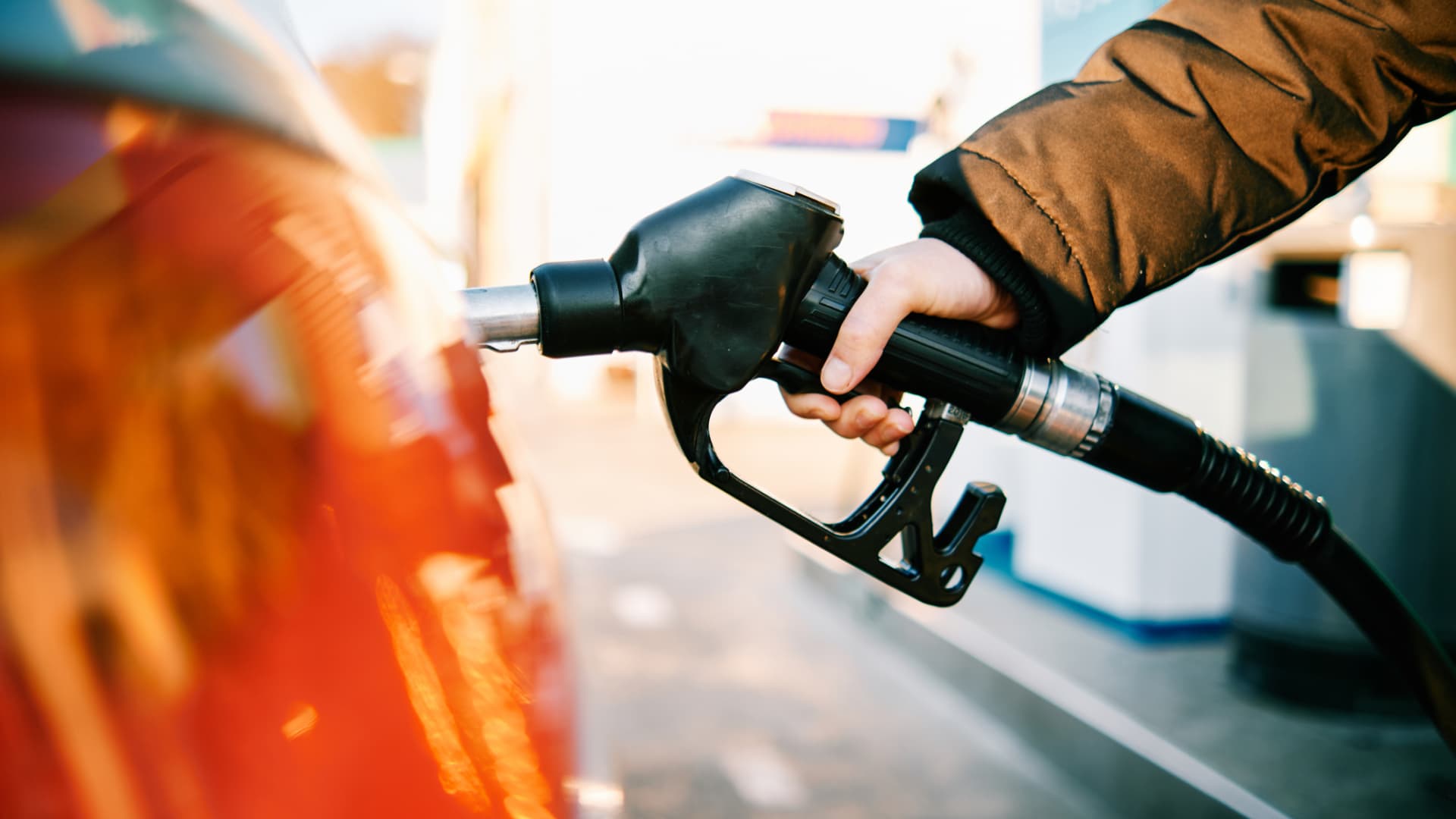
- Rising Gas Prices: U.S. gas prices have surged to an average of $4.14 per gallon, nearly a $1 increase since early March, prompting 59% of Americans to consider altering their driving habits or lifestyle, indicating a significant impact on consumer behavior due to fuel costs.
- Cost of Living Pressure: In New York, resident Miranda Alcalá reports her gas expenses have nearly doubled from $20-$25 to $40, forcing her to adjust her food and social spending, reflecting the direct impact of rising gas prices on household budgets.
- Budget Adjustment Strategies: In Washington, D.C., resident Corinne Candilis notes that while she hasn't cut back yet, she is reviewing her budget to prepare for potential increases in spending, showcasing consumer caution regarding future economic conditions.
- Changes in Work Arrangements: In Los Angeles, contractor Emanuel Gonzalez is altering work schedules to minimize trips and avoid profit losses due to high gas prices, highlighting the pressure on businesses to control costs amidst rising fuel expenses.
See More

Kroger Co. Supports Conservation Efforts Through Donations
- Earth Month Initiative: Kroger is inviting customers to round up their purchases at checkout during Earth Month to support the World Wildlife Fund (WWF), which is expected to enhance customer engagement in environmental efforts.
- Donation Matching Program: Kroger's Zero Hunger | Zero Waste Foundation will match customer donations up to $50,000, a move that not only increases customer participation but also directly supports WWF's sustainability projects worldwide.
- Community Engagement Activities: Kroger is organizing local events nationwide, such as planting 45 trees in Cincinnati and community clean-up initiatives, which not only enhance brand image but also promote environmental awareness within communities.
- Long-term Commitment: Since 2017, Kroger has donated over 4 billion meals, showcasing its unique role in the food system and further solidifying its position as a leader in sustainability efforts.
See More
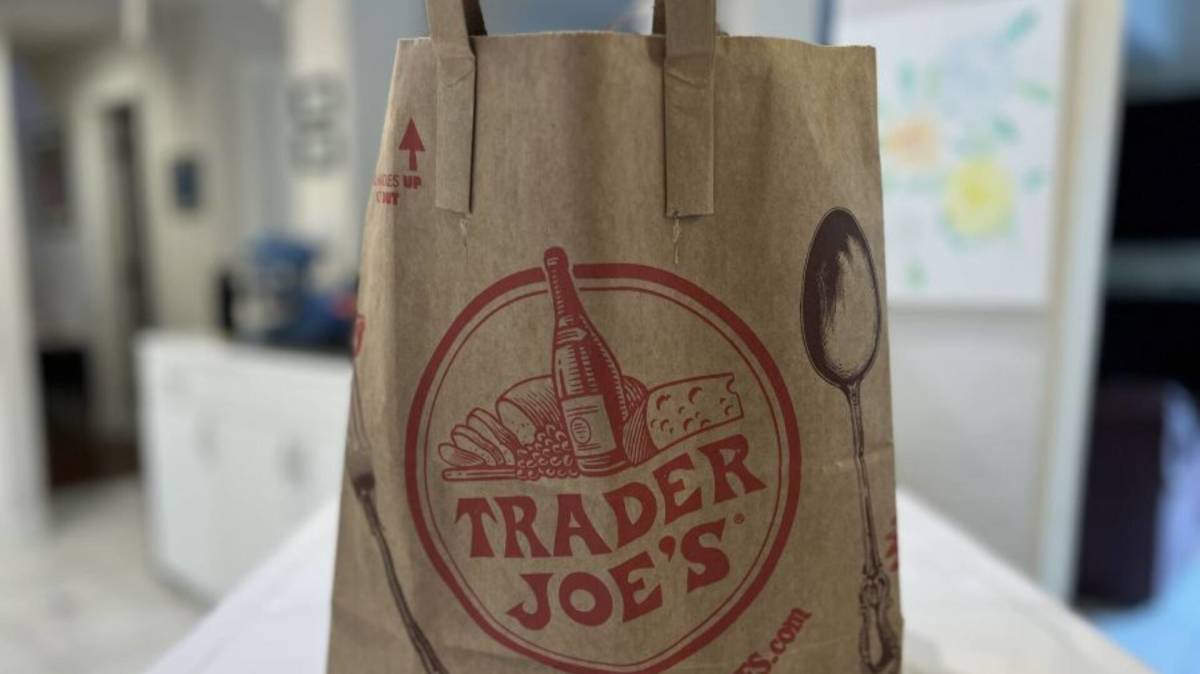
Trader Joe's Easter Sunday Hours Confirmed
- Easter Operating Hours: Almost all Trader Joe's locations will be open on Easter Sunday, with the exception of the Portland, Maine store, providing customers the opportunity to make last-minute purchases for their holiday meals.
- Diverse Holiday Offerings: Trader Joe's features a variety of Easter foods, including uncured spiral sliced hams, four cheese scalloped potatoes, and plenty of candy, catering to festive needs and enhancing its competitive edge in the market.
- Price Competitiveness: With food prices rising 4.8% year-over-year according to the Bureau of Labor Statistics, Trader Joe's offers competitive prices on staples like milk and eggs compared to warehouse stores like Costco, attracting value-seeking consumers.
- Consumer Spending Trends: Americans are projected to spend a record $24.9 billion for the 2026 Easter holiday, including $3.9 billion on gifts, $3.5 billion on candy, and $2.2 billion on flowers, indicating a strong growth trend in holiday spending.
See More
Walmart's Great Value Brand Gets a Revamp
- Brand Image Refresh: Walmart announced that starting in May, it will revamp the packaging of approximately 10,000 Great Value products, maintaining the same prices and contents, which aims to enhance consumer brand recognition and pride.
- Leading Market Penetration: According to market researcher Numerator, Great Value boasts an 87% household penetration rate in the U.S., showcasing its strong influence in the retail market, particularly in the increasingly competitive private label sector.
- Competitive Pressure Response: This packaging update represents an offensive strategy by Walmart to counter the rise of competitors like Amazon, whose grocery brand has become the fastest-growing private label since its launch, with Walmart aiming to attract more high-income consumers through improved brand image.
- Evolving Consumer Demands: Walmart executives noted that consumer expectations for private brands are rising, especially among younger generations who prefer private labels, and the update aims to meet this trend and enhance the brand's market competitiveness.
See More
Buffett's Investment Legacy and the Resilience of Coca-Cola and Kroger
- Coca-Cola's Market Resilience: As a long-held stock by Buffett, Coca-Cola showcases its robust risk management with a 64-year dividend history and a 12% year-to-date increase, serving as a safe haven for investors during market volatility and reinforcing its critical role in the U.S. economy.
- Kroger's Growth Potential: As the largest premium grocer in the U.S. with nearly 2,700 stores, Kroger capitalizes on significant market opportunities in food, attracting affluent customers, and despite being acquired by Buffett at a low price in 2019, it continues to offer stable investment returns.
- Portfolio Stability: Following Buffett's departure, successor Greg Abel has indicated no changes to the existing investment strategy, ensuring that Buffett's favored stocks like Coca-Cola and Kroger will remain integral to Berkshire Hathaway's portfolio, thereby maintaining investor confidence.
- Adaptability to Market Conditions: Amid current geopolitical unrest and oil price fluctuations, while the S&P 500 remains flat, Coca-Cola and Kroger stocks have excelled, rising 12% and 9% respectively, demonstrating their adaptability and investment value in uncertain market environments.
See More
Coca-Cola and Kroger's Investment Value
- Coca-Cola's Stability: As Berkshire Hathaway's longest-held stock, Coca-Cola has raised its dividend for 64 consecutive years, demonstrating resilience during market volatility, particularly as its stock rose 12% while the S&P 500 remained flat amid geopolitical unrest.
- Kroger's Market Opportunity: Kroger, the largest premium grocer in the U.S. with nearly 2,700 stores, operates in a sector that represents Americans' second-largest expense after housing and healthcare, providing significant market opportunities and attracting a wealthier clientele that is more resilient in tough times.
- Dividend Growth Potential: While Kroger's dividend yield is not as high as Coca-Cola's, it has grown nearly 1,000% over the past 20 years, indicating a stable passive income stream and future growth potential, even though its stock is no longer at a bargain price.
- Investor Confidence: Buffett's acquisition of Kroger in 2019 at a low price, despite its current higher valuation, reflects confidence in its resilience and value in the food sector, particularly as economic uncertainties increase.
See More
Rising Gas Prices in the U.S. Impact Consumer Spending Habits
- Rising Gas Prices: U.S. gas prices have surged to an average of $4.14 per gallon, nearly a $1 increase since early March, prompting 59% of Americans to consider altering their driving habits or lifestyle, indicating a significant impact on consumer behavior due to fuel costs.
- Cost of Living Pressure: In New York, resident Miranda Alcalá reports her gas expenses have nearly doubled from $20-$25 to $40, forcing her to adjust her food and social spending, reflecting the direct impact of rising gas prices on household budgets.
- Budget Adjustment Strategies: In Washington, D.C., resident Corinne Candilis notes that while she hasn't cut back yet, she is reviewing her budget to prepare for potential increases in spending, showcasing consumer caution regarding future economic conditions.
- Changes in Work Arrangements: In Los Angeles, contractor Emanuel Gonzalez is altering work schedules to minimize trips and avoid profit losses due to high gas prices, highlighting the pressure on businesses to control costs amidst rising fuel expenses.
See More
Kroger Co. Supports Conservation Efforts Through Donations
- Earth Month Initiative: Kroger is inviting customers to round up their purchases at checkout during Earth Month to support the World Wildlife Fund (WWF), which is expected to enhance customer engagement in environmental efforts.
- Donation Matching Program: Kroger's Zero Hunger | Zero Waste Foundation will match customer donations up to $50,000, a move that not only increases customer participation but also directly supports WWF's sustainability projects worldwide.
- Community Engagement Activities: Kroger is organizing local events nationwide, such as planting 45 trees in Cincinnati and community clean-up initiatives, which not only enhance brand image but also promote environmental awareness within communities.
- Long-term Commitment: Since 2017, Kroger has donated over 4 billion meals, showcasing its unique role in the food system and further solidifying its position as a leader in sustainability efforts.
See More
Trader Joe's Easter Sunday Hours Confirmed
- Easter Operating Hours: Almost all Trader Joe's locations will be open on Easter Sunday, with the exception of the Portland, Maine store, providing customers the opportunity to make last-minute purchases for their holiday meals.
- Diverse Holiday Offerings: Trader Joe's features a variety of Easter foods, including uncured spiral sliced hams, four cheese scalloped potatoes, and plenty of candy, catering to festive needs and enhancing its competitive edge in the market.
- Price Competitiveness: With food prices rising 4.8% year-over-year according to the Bureau of Labor Statistics, Trader Joe's offers competitive prices on staples like milk and eggs compared to warehouse stores like Costco, attracting value-seeking consumers.
- Consumer Spending Trends: Americans are projected to spend a record $24.9 billion for the 2026 Easter holiday, including $3.9 billion on gifts, $3.5 billion on candy, and $2.2 billion on flowers, indicating a strong growth trend in holiday spending.
See More