Ralph Lauren Is Growing Despite Tariff Headwinds, Hikes Dividend By 10%
Written by Emily J. Thompson, Senior Investment Analyst
Updated: May 22 2025
0mins


Should l Buy RL?
Source: Benzinga
Financial Performance: Ralph Lauren Corp reported an 8% year-on-year sales growth to $1.70 billion for Q4 FY25, exceeding analyst expectations, with adjusted EPS of $2.27 also surpassing estimates. The company generated $1.24 billion in operating cash flow and announced a 10% increase in its quarterly cash dividend.
Future Outlook: For FY26, Ralph Lauren anticipates low-single digit revenue growth, primarily in the first half of the fiscal year, while maintaining a focus on managing macroeconomic uncertainties and leveraging its diversified supply chain.
Trade with 70% Backtested Accuracy
Stop guessing "Should I Buy RL?" and start using high-conviction signals backed by rigorous historical data.
Sign up today to access powerful investing tools and make smarter, data-driven decisions.
Analyst Views on RL
Wall Street analysts forecast RL stock price to rise
14 Analyst Rating
12 Buy
2 Hold
0 Sell
Strong Buy
Current: 343.500

Low
305.00
Averages
401.85
High
473.00
Current: 343.500
Low
305.00
Averages
401.85
High
473.00
About RL
Ralph Lauren Corporation is engaged in the design, marketing, and distribution of luxury lifestyle products, including apparel, footwear and accessories, home, fragrances and hospitality. Its segments include North America, Europe, and Asia. Its brands include Ralph Lauren, Ralph Lauren Collection, Ralph Lauren Purple Label, Polo Ralph Lauren, Lauren Ralph Lauren, Polo Ralph Lauren Children, and Chaps, among others. Its products include apparel and footwear and accessories for men, women, and children, as well as fragrance and home collections, together with its hospitality portfolio. Its range of footwear and accessories include casual shoes, dress shoes, boots, sneakers, sandals, eyewear, watches, scarves, hats and others. Its range of home products includes bed and bath lines, lighting, dining, floor coverings, giftware and more. Its hospitality collection is comprised of its restaurants, including The Polo Bar in New York City, RL Restaurant located in Chicago, and others.
About the author

Emily J. Thompson
Emily J. Thompson, a Chartered Financial Analyst (CFA) with 12 years in investment research, graduated with honors from the Wharton School. Specializing in industrial and technology stocks, she provides in-depth analysis for Intellectia’s earnings and market brief reports.
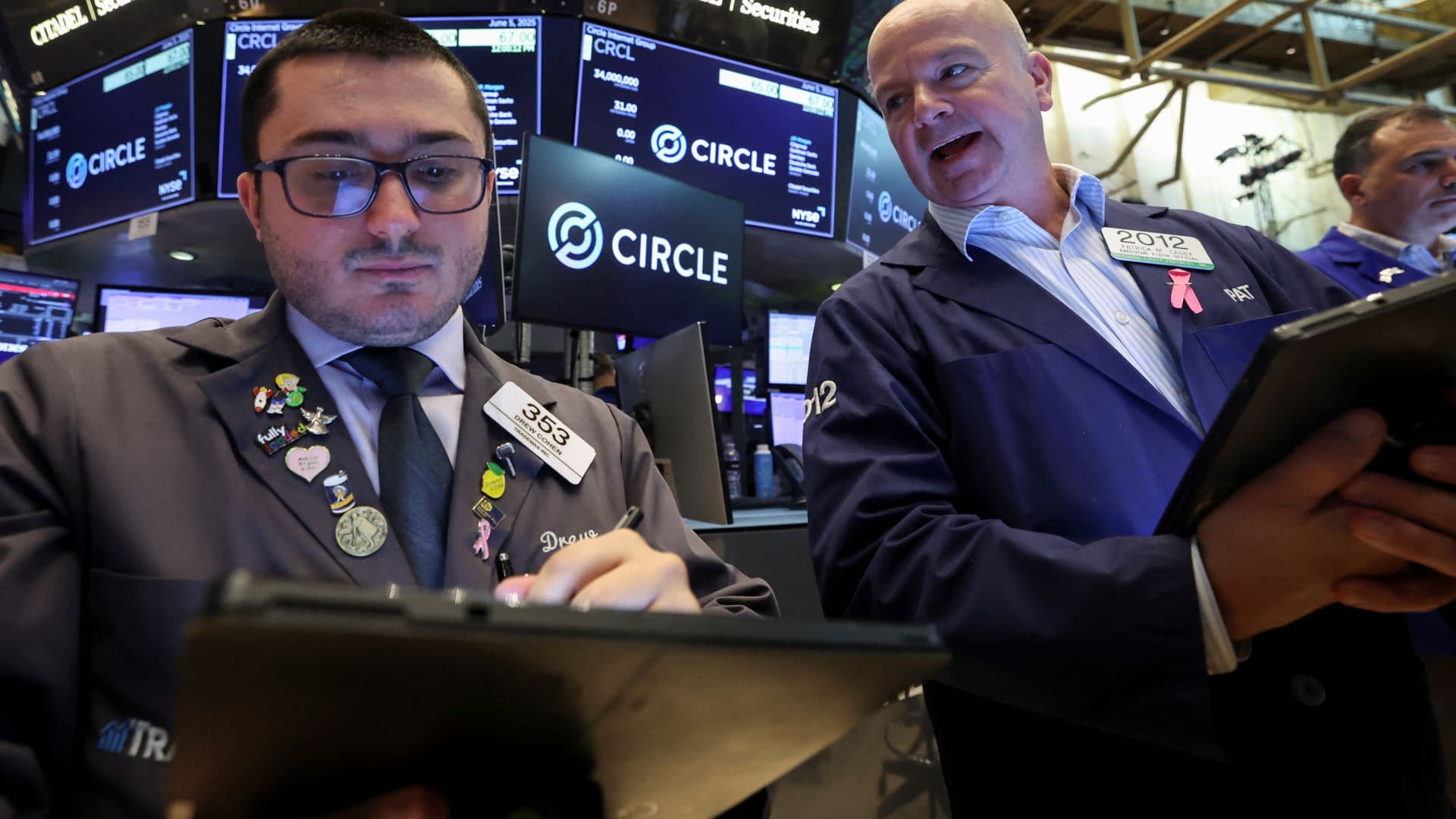
Circle's Shares Plunge 19% Following Tether's Audit Announcement

- Stablecoin Market Turmoil: Circle's shares plummeted approximately 19% after rival Tether announced it hired a Big Four accounting firm to audit its USDT reserves, raising concerns over transparency in the stablecoin market and potentially undermining investor confidence and market stability.
- SAP Rating Downgrade: SAP's stock fell 4% following JPMorgan's downgrade from overweight to neutral and a price target reduction from €260 to €175, with analysts noting that the company's cloud backlog is likely to decelerate further as the migration base matures, increasing uncertainty around future performance.
- Surge in Optical Component Demand: Applied Optoelectronics saw a 14% increase in shares after announcing a new order for 800G data center transceivers from a major hyperscale customer, which not only boosts revenue expectations but also strengthens its market position in the optical manufacturing sector.
- Network Equipment Market Shift: Netgear's stock surged 16% after the FCC banned imports of consumer routers made abroad due to national security risks, a policy change that is likely to enhance Netgear's competitive advantage in the domestic market.
See More
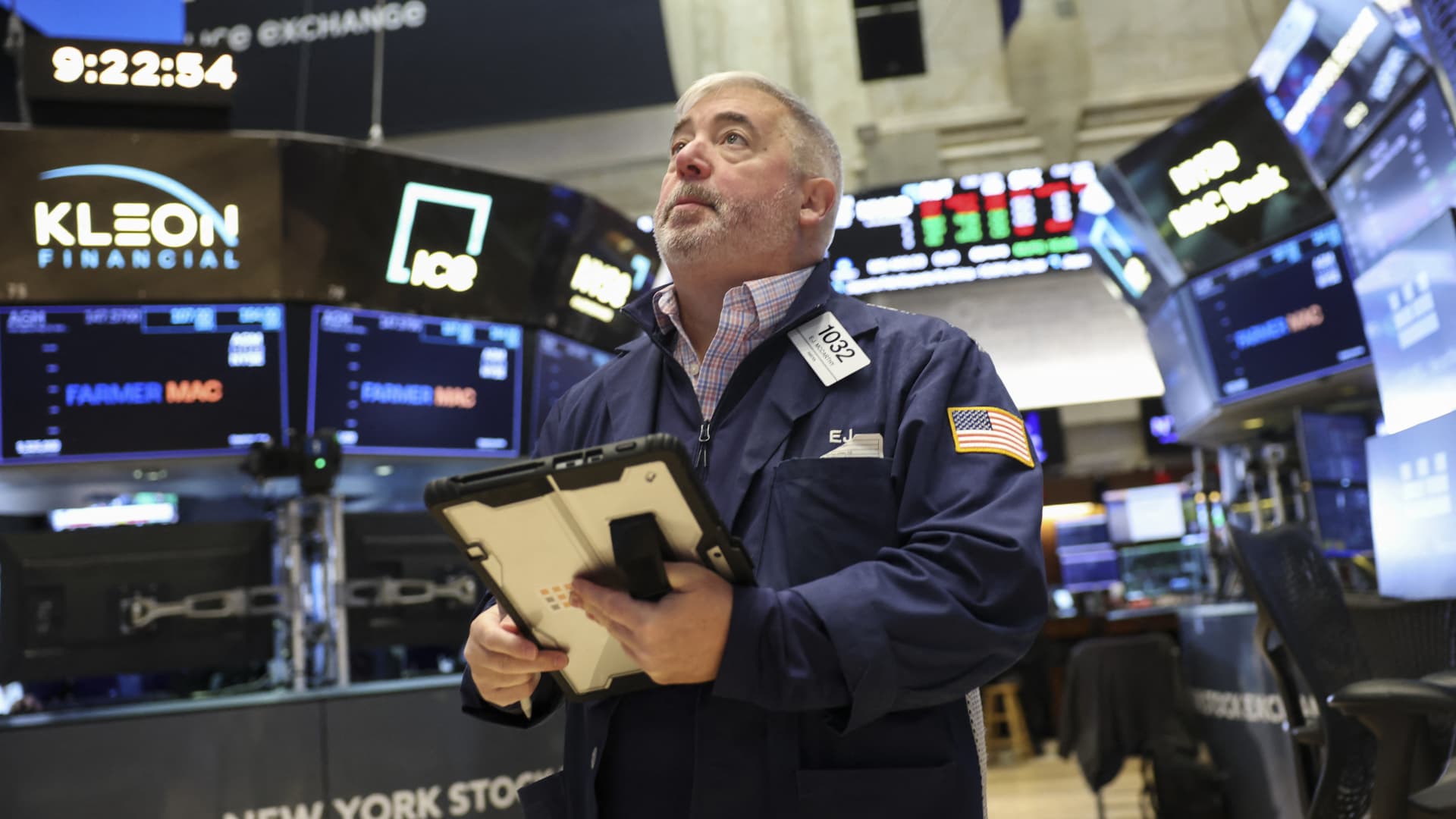
Market Dynamics and Investment Strategy Recap
- Market Reaction Analysis: Following President Trump's statement about U.S.-Iran negotiations, the S&P 500 showed little change, despite Iranian media denying direct talks, indicating market sensitivity to mixed headlines and caution against chasing short-term rallies.
- Wells Fargo Performance: Shares of Wells Fargo dipped slightly amidst turmoil in the private credit sector, with Moody's downgrading a private credit fund managed by KKR and Future Standard to junk status; however, Cramer views this as a positive sign for Wells Fargo, reflecting the strength of its lending relationships.
- Microsoft Rating Upgrade: Bank of America reinstated Microsoft with a buy rating and a $500 price target, highlighting its central role in the AI supercycle and potential for significant revenue generation, with Cramer suggesting buying the stock after a 20% decline this year.
- Rapid Fire Stock Review: Stocks mentioned at the end of the video included Estee Lauder, Ralph Lauren, OpenAI, Sumitomo Mitsui, and Celsius, showcasing a diverse investment portfolio and keen awareness of market dynamics.
See More

Market Watch: Oil Prices Rise Amid Tech Developments


- Oil Price Surge: Global crude benchmark Brent has surged back above $100 a barrel, reflecting market sensitivity and uncertainty as optimism over resolving the Iran conflict is undermined by new attacks, impacting energy prices significantly.
- Market Momentum Indicator: The S&P Oscillator has dropped to -5.2, indicating that while the market remains oversold, this shift suggests potential consolidation ahead, prompting investors to monitor future developments in the war for market direction.
- Arm Event and AI Collaboration: Chip designer Arm Holdings is set to announce a new partnership with Nvidia at its “Arm Everywhere” event, which is expected to solidify its crucial role in AI computing, potentially influencing stock performance in the tech sector.
- Investment Rating Changes: Bank of America upgraded CoreWeave to a buy rating, despite market skepticism about its durability; analysts believe its strategic alliances with Nvidia and OpenAI will provide competitive advantages, reflecting ongoing confidence in AI infrastructure.
See More
Ralph Lauren's Brand Strategy Proves Successful
- Brand Elevation Success: Citi Research analyst Paul Lejuez upgraded Ralph Lauren's stock from Neutral to Buy, citing the company's successful implementation of its brand elevation strategy amidst current macroeconomic volatility, achieving significant unit retail growth over the past few years, which validates its turnaround plan.
- Sustained Customer Growth: Ralph Lauren has added 1.5M to 2M new customers each quarter over the past two years, with a recent holiday quarter showing an increase to 2.1M new customers compared to 1.9M in the same period of 2024, notably attracting a significant portion of Gen Z and Millennials, demonstrating the brand's appeal to younger consumers.
- Earnings Estimates Raised: Lejuez raised his EPS estimates for FY26/27/28 to $16.54, $19.47, and $22.84, respectively, exceeding prior estimates and consensus, with expectations that the company will easily surpass conservative FY27 guidance.
- Buying Opportunity Identified: Despite a 7% decline in shares over the past month, Lejuez views this as a buying opportunity given the company's historical performance (+204% over the past three years) and has raised his price target by 11% to $400, indicating an 18% upside from Monday's close.
See More
Key Wall Street Rating Updates from Tuesday

- Apple Services Strength: Evercore ISI reiterates Apple as outperform based on a survey of 3,500 smartphone users indicating continued strength in Apple Services like Apple TV, with both engagement and monetization trending higher, suggesting enhanced competitiveness in its services ecosystem.
- Ralph Lauren Brand Elevation: Citi upgrades Ralph Lauren from neutral to buy, citing management's brand elevation efforts that have driven strong performance, with a projected 6.5% sales CAGR and over 350bps EBIT margin expansion by FY26, indicating significant long-term growth potential.
- Ecolab Investment Opportunity: JPMorgan upgrades Ecolab from neutral to overweight, noting that the stock has declined since February 27 amid rising Middle East tensions, while the broader market is down 4%, suggesting a buying opportunity for investors anticipating a rebound.
- AI Infrastructure Market Outlook: Bank of America initiates coverage of Nebius Group with a buy rating and a $150 price target, highlighting the company's differentiated offering in the rapidly growing AI Infrastructure-as-a-Service market, expected to benefit from sustained demand for AI computing.
See More
Netgear Shares Surge After FCC Import Ban on Foreign Routers
- FCC Import Ban Impact: The FCC's ban on all imports of consumer routers has led to an 11% surge in Netgear's stock price, which not only enhances the company's market share but also strengthens its competitive position in the domestic market.
- Acquisition Rumors Boost: Jefferies Financial Group shares rallied nearly 7% following reports that Japan's second-largest lender, Sumitomo Mitsui Financial Group, is considering a takeover, which could significantly enhance Jefferies' market position and capital strength.
- Apollo Fund Withdrawal Limits: Apollo Global Management's stock fell 2% after it was revealed that its flagship private credit fund will limit withdrawals, with redemption requests totaling 11.2% of shares outstanding in Q1, exceeding the 5% cap, potentially impacting investor confidence and liquidity.
- Smithfield's Strong Earnings: Smithfield Foods shares jumped 5.6% as its fourth-quarter results exceeded expectations, with adjusted earnings of 83 cents per share and revenue of $4.23 billion, alongside a 25% increase in quarterly dividends to 31 cents per share, indicating robust financial performance.
See More
Circle's Shares Plunge 19% Following Tether's Audit Announcement
- Stablecoin Market Turmoil: Circle's shares plummeted approximately 19% after rival Tether announced it hired a Big Four accounting firm to audit its USDT reserves, raising concerns over transparency in the stablecoin market and potentially undermining investor confidence and market stability.
- SAP Rating Downgrade: SAP's stock fell 4% following JPMorgan's downgrade from overweight to neutral and a price target reduction from €260 to €175, with analysts noting that the company's cloud backlog is likely to decelerate further as the migration base matures, increasing uncertainty around future performance.
- Surge in Optical Component Demand: Applied Optoelectronics saw a 14% increase in shares after announcing a new order for 800G data center transceivers from a major hyperscale customer, which not only boosts revenue expectations but also strengthens its market position in the optical manufacturing sector.
- Network Equipment Market Shift: Netgear's stock surged 16% after the FCC banned imports of consumer routers made abroad due to national security risks, a policy change that is likely to enhance Netgear's competitive advantage in the domestic market.
See More
Market Dynamics and Investment Strategy Recap
- Market Reaction Analysis: Following President Trump's statement about U.S.-Iran negotiations, the S&P 500 showed little change, despite Iranian media denying direct talks, indicating market sensitivity to mixed headlines and caution against chasing short-term rallies.
- Wells Fargo Performance: Shares of Wells Fargo dipped slightly amidst turmoil in the private credit sector, with Moody's downgrading a private credit fund managed by KKR and Future Standard to junk status; however, Cramer views this as a positive sign for Wells Fargo, reflecting the strength of its lending relationships.
- Microsoft Rating Upgrade: Bank of America reinstated Microsoft with a buy rating and a $500 price target, highlighting its central role in the AI supercycle and potential for significant revenue generation, with Cramer suggesting buying the stock after a 20% decline this year.
- Rapid Fire Stock Review: Stocks mentioned at the end of the video included Estee Lauder, Ralph Lauren, OpenAI, Sumitomo Mitsui, and Celsius, showcasing a diverse investment portfolio and keen awareness of market dynamics.
See More
Market Watch: Oil Prices Rise Amid Tech Developments
- Oil Price Surge: Global crude benchmark Brent has surged back above $100 a barrel, reflecting market sensitivity and uncertainty as optimism over resolving the Iran conflict is undermined by new attacks, impacting energy prices significantly.
- Market Momentum Indicator: The S&P Oscillator has dropped to -5.2, indicating that while the market remains oversold, this shift suggests potential consolidation ahead, prompting investors to monitor future developments in the war for market direction.
- Arm Event and AI Collaboration: Chip designer Arm Holdings is set to announce a new partnership with Nvidia at its “Arm Everywhere” event, which is expected to solidify its crucial role in AI computing, potentially influencing stock performance in the tech sector.
- Investment Rating Changes: Bank of America upgraded CoreWeave to a buy rating, despite market skepticism about its durability; analysts believe its strategic alliances with Nvidia and OpenAI will provide competitive advantages, reflecting ongoing confidence in AI infrastructure.
See More
Ralph Lauren's Brand Strategy Proves Successful
- Brand Elevation Success: Citi Research analyst Paul Lejuez upgraded Ralph Lauren's stock from Neutral to Buy, citing the company's successful implementation of its brand elevation strategy amidst current macroeconomic volatility, achieving significant unit retail growth over the past few years, which validates its turnaround plan.
- Sustained Customer Growth: Ralph Lauren has added 1.5M to 2M new customers each quarter over the past two years, with a recent holiday quarter showing an increase to 2.1M new customers compared to 1.9M in the same period of 2024, notably attracting a significant portion of Gen Z and Millennials, demonstrating the brand's appeal to younger consumers.
- Earnings Estimates Raised: Lejuez raised his EPS estimates for FY26/27/28 to $16.54, $19.47, and $22.84, respectively, exceeding prior estimates and consensus, with expectations that the company will easily surpass conservative FY27 guidance.
- Buying Opportunity Identified: Despite a 7% decline in shares over the past month, Lejuez views this as a buying opportunity given the company's historical performance (+204% over the past three years) and has raised his price target by 11% to $400, indicating an 18% upside from Monday's close.
See More
Key Wall Street Rating Updates from Tuesday
- Apple Services Strength: Evercore ISI reiterates Apple as outperform based on a survey of 3,500 smartphone users indicating continued strength in Apple Services like Apple TV, with both engagement and monetization trending higher, suggesting enhanced competitiveness in its services ecosystem.
- Ralph Lauren Brand Elevation: Citi upgrades Ralph Lauren from neutral to buy, citing management's brand elevation efforts that have driven strong performance, with a projected 6.5% sales CAGR and over 350bps EBIT margin expansion by FY26, indicating significant long-term growth potential.
- Ecolab Investment Opportunity: JPMorgan upgrades Ecolab from neutral to overweight, noting that the stock has declined since February 27 amid rising Middle East tensions, while the broader market is down 4%, suggesting a buying opportunity for investors anticipating a rebound.
- AI Infrastructure Market Outlook: Bank of America initiates coverage of Nebius Group with a buy rating and a $150 price target, highlighting the company's differentiated offering in the rapidly growing AI Infrastructure-as-a-Service market, expected to benefit from sustained demand for AI computing.
See More
Netgear Shares Surge After FCC Import Ban on Foreign Routers
- FCC Import Ban Impact: The FCC's ban on all imports of consumer routers has led to an 11% surge in Netgear's stock price, which not only enhances the company's market share but also strengthens its competitive position in the domestic market.
- Acquisition Rumors Boost: Jefferies Financial Group shares rallied nearly 7% following reports that Japan's second-largest lender, Sumitomo Mitsui Financial Group, is considering a takeover, which could significantly enhance Jefferies' market position and capital strength.
- Apollo Fund Withdrawal Limits: Apollo Global Management's stock fell 2% after it was revealed that its flagship private credit fund will limit withdrawals, with redemption requests totaling 11.2% of shares outstanding in Q1, exceeding the 5% cap, potentially impacting investor confidence and liquidity.
- Smithfield's Strong Earnings: Smithfield Foods shares jumped 5.6% as its fourth-quarter results exceeded expectations, with adjusted earnings of 83 cents per share and revenue of $4.23 billion, alongside a 25% increase in quarterly dividends to 31 cents per share, indicating robust financial performance.
See More