QuantumScape's Stock Plummets, Yet Potential Catalysts Remain Ignored
Written by Emily J. Thompson, Senior Investment Analyst
Updated: 2 days ago
0mins
Should l Buy QS?
Source: NASDAQ.COM
- Market Value Decline: QuantumScape's stock has dropped approximately 40% this year, with a current market cap of $3.86 billion, reflecting a 95% decline from its all-time high, indicating investor concerns over its future profitability.
- Significant Technological Edge: The QSE-5 battery boasts an energy density of 844 Wh/L and can charge from 10% to 80% in under 15 minutes, significantly outperforming most lithium-ion batteries, which average 300-700 Wh/L and require 20 minutes to an hour for charging, showcasing its competitive potential in the EV market.
- Business Model Shift: QuantumScape plans to pivot to a less capital-intensive licensing model in 2024, collaborating with Volkswagen's battery subsidiary PowerCo, which is expected to generate higher-margin royalty and licensing revenues, thereby improving its financial outlook.
- Future Revenue Expectations: Analysts forecast QuantumScape's revenue to rise from less than $1 million to $544.5 million between 2026 and 2028, and if the company can provide clear updates on B-sample shipments and new OEM partnerships during its next earnings call, it could trigger a stock price rebound.
Trade with 70% Backtested Accuracy
Stop guessing "Should I Buy QS?" and start using high-conviction signals backed by rigorous historical data.
Sign up today to access powerful investing tools and make smarter, data-driven decisions.
Analyst Views on QS
Wall Street analysts forecast QS stock price to rise
8 Analyst Rating
0 Buy
6 Hold
2 Sell
Hold
Current: 6.180

Low
2.50
Averages
11.29
High
16.00
Current: 6.180
Low
2.50
Averages
11.29
High
16.00
About QS
QuantumScape Corporation is developing solid-state lithium-metal battery technology for electric vehicles (EVs) and other applications. The Company’s solid-state lithium-metal battery technology is designed to offer energy density, faster charging, and enhanced safety. Its battery cells have none of the host materials used in conventional anodes. The Company's cells are anode-free in that they are manufactured without anodes in a discharged state. It has demonstrated a solid-state separator for lithium-metal batteries capable of resisting dendrite formation at higher power densities, such as those required for automotive applications and fast charging, for at least 800 cycles at around 25 degrees Celsius. The Company's solid-state electrolyte-separator is a dense, entirely inorganic ceramic. The Company's solid-state battery technology has applicability in other markets, including stationary storage and consumer electronics, data centers, defense, and others.
About the author

Emily J. Thompson
Emily J. Thompson, a Chartered Financial Analyst (CFA) with 12 years in investment research, graduated with honors from the Wharton School. Specializing in industrial and technology stocks, she provides in-depth analysis for Intellectia’s earnings and market brief reports.
QuantumScape's Battery Technology Outlook

- Market Value Decline: QuantumScape has seen a 40% drop in market value this year, trading 95% below its all-time high, reflecting investor concerns over its commercialization progress and resulting in significant stock pressure.
- Significant Technical Advantages: The QSE-5 battery boasts an energy density of 844 Wh/L and can charge from 10% to 80% in just 15 minutes, showcasing a competitive edge over traditional lithium-ion batteries, which average 300-700 Wh/L and require 20 minutes to an hour for charging.
- Business Model Shift: The company plans to pivot to a less capital-intensive licensing model in 2024, licensing its battery technology to Volkswagen's battery subsidiary PowerCo and other automakers, aiming to generate higher-margin royalty and licensing revenues.
- Future Revenue Expectations: Analysts project QuantumScape's revenue to rise from under $1 million to $544.5 million between 2026 and 2028, and if the company can provide clear updates on B-sample shipments and new OEM partnerships during its next earnings call, its stock could see a rebound.
See More

QuantumScape's Stock Plummets, Yet Potential Catalysts Remain Ignored
- Market Value Decline: QuantumScape's stock has dropped approximately 40% this year, with a current market cap of $3.86 billion, reflecting a 95% decline from its all-time high, indicating investor concerns over its future profitability.
- Significant Technological Edge: The QSE-5 battery boasts an energy density of 844 Wh/L and can charge from 10% to 80% in under 15 minutes, significantly outperforming most lithium-ion batteries, which average 300-700 Wh/L and require 20 minutes to an hour for charging, showcasing its competitive potential in the EV market.
- Business Model Shift: QuantumScape plans to pivot to a less capital-intensive licensing model in 2024, collaborating with Volkswagen's battery subsidiary PowerCo, which is expected to generate higher-margin royalty and licensing revenues, thereby improving its financial outlook.
- Future Revenue Expectations: Analysts forecast QuantumScape's revenue to rise from less than $1 million to $544.5 million between 2026 and 2028, and if the company can provide clear updates on B-sample shipments and new OEM partnerships during its next earnings call, it could trigger a stock price rebound.
See More
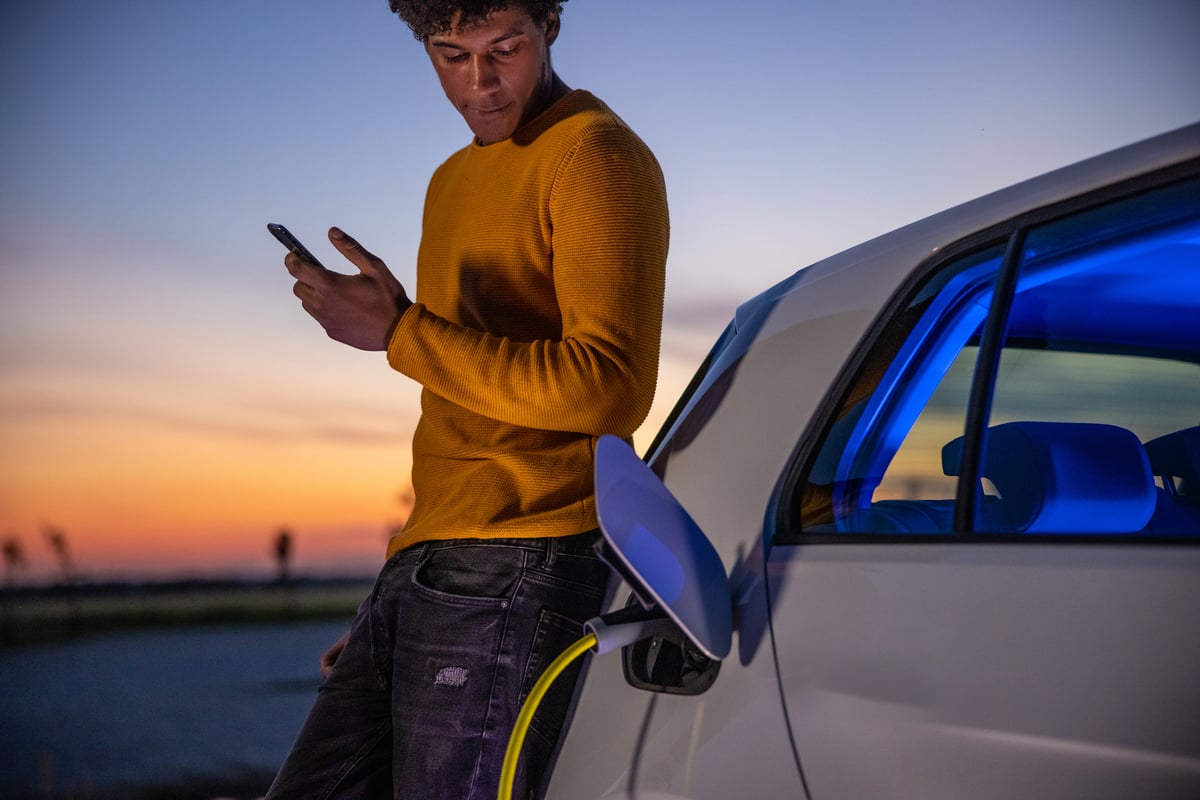
EV Market Slowdown Creates Investment Opportunities in Overlooked Stocks

- Market Growth Slowdown: From 2020 to 2023, the electric vehicle market experienced rapid expansion, but growth has significantly slowed due to reduced government subsidies, market saturation among early adopters, and macroeconomic pressures, leading to diminished investor interest in EV stocks.
- QuantumScape's Outlook: QuantumScape focuses on developing solid-state lithium-metal batteries, with projected revenue growth from under $1 million in 2026 to $545 million in 2028; although it has yet to commercialize its products, its partnership with Volkswagen is expected to drive licensing revenue growth.
- ChargePoint User Growth: ChargePoint operated 385,000 charging ports at the end of fiscal 2026, with active users rising 8% to 1.48 million, and as the EV market continues to expand, its user base and market share are expected to grow.
- Future Revenue Projections: Analysts anticipate ChargePoint's revenue will grow at a 13% CAGR from $411 million in 2025 to $590 million in 2028, and with a current market cap of $125 million, its stock appears undervalued at less than one times this year's sales.
See More

Aurora Leads the Charge in Autonomous Trucking


- Industry Pioneer: Aurora Innovation has successfully validated driverless operations between Dallas and Houston since deploying its first autonomous trucks in April last year, marking its leadership in the autonomous trucking sector and is expected to drive significant business growth.
- Business Expansion: By validating autonomous freight movement on the 1,000-mile route from Fort Worth to Phoenix, Aurora has surpassed 'hours of service' limitations and anticipates operating over 200 driverless trucks by year-end, projecting annual revenue to reach $80 million.
- Technological Innovation: QuantumScape has accelerated its manufacturing speed by 25 times through its Cobra process and launched a new automated pilot line, aiming to commercialize solid-state batteries, which could play a crucial role in the convergence of electric and driverless vehicles.
- Market Opportunity: Uber Technologies has established partnerships with over 20 autonomous vehicle tech companies, leveraging its strong market share and user base to mitigate development risks, and is expected to enhance profitability of its existing business through the utilization of driverless vehicles.
See More

Rapid Growth in the Driverless Vehicle Industry
- Pioneering Autonomous Trucks: Aurora Innovation has validated driverless operations between Dallas and Houston since its first deployment in April last year, and it expects a 400% revenue increase to a forecasted $14 million to $16 million by 2026, showcasing strong growth potential in the autonomous freight market.
- Outstanding Safety Record: As of January 2026, Aurora has logged over 250,000 driverless miles with zero collisions attributed to the Aurora Driver, establishing a solid foundation for future business expansion and enhancing investor confidence.
- Uber's Capital-Light Strategy: Uber Technologies leverages its dominant position in rideshare and delivery, partnering with autonomous tech firms like Aurora and Waymo to mitigate development risks while aiming to enhance profitability through driverless vehicles, making it an attractive option for risk-averse investors.
- Quantum Battery Technology Breakthrough: QuantumScape is developing solid-state battery technology that could significantly improve EV battery density and safety; despite facing fierce competition, its partnership with Volkswagen Group and accelerated production capabilities position it uniquely in the autonomous EV market.
See More
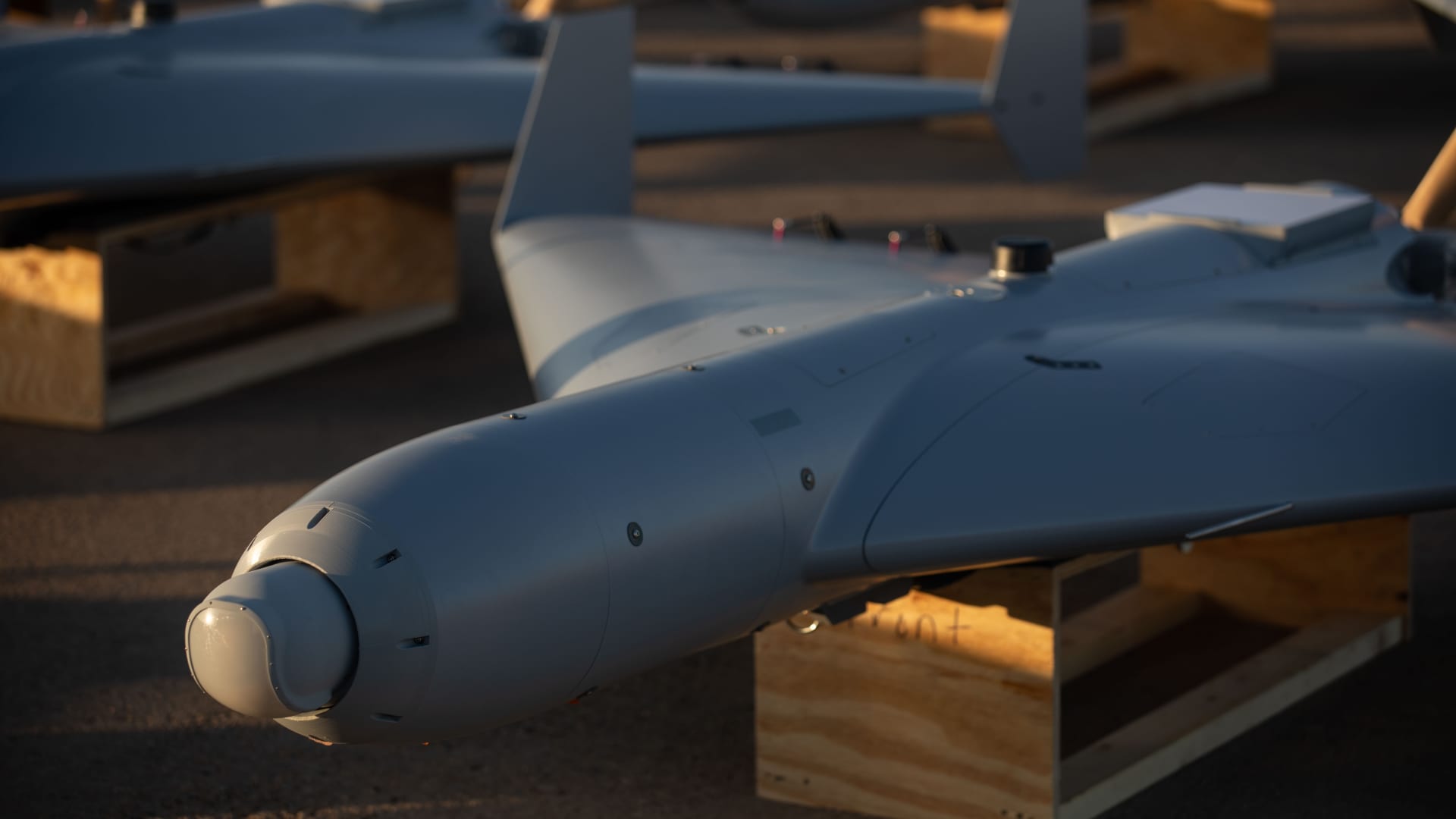
Sion Power Shifts Focus to Defense Battery Market Amid Rising Demand
- Market Shift: Sion Power is transitioning from electric vehicle battery production to the defense sector, expecting to commercialize high-energy lithium-metal batteries later this year in response to rising U.S. drone demand, demonstrating the company's adaptability to market changes.
- Technological Advantage: The newly developed 'Licerion HE' lithium-metal battery cells boast energy densities exceeding 500 watt-hours per kilogram, significantly higher than the 300-350 Wh/kg of current lithium-ion batteries, making them suitable for drones and other critical platforms, enhancing competitiveness in the defense market.
- Production Capacity Enhancement: Sion Power's 110,000-square-foot facility in Arizona is being repurposed to focus on defense product manufacturing, with plans to convert production lines to meet the growing defense demand, further solidifying its market position.
- Investment and Funding: The company has raised over $200 million for lithium-metal cell development, with investors including LG Energy Solution, and plans to launch new products between the second half of 2026 and into 2027, indicating strong market prospects and growth potential.
See More
QuantumScape's Battery Technology Outlook
- Market Value Decline: QuantumScape has seen a 40% drop in market value this year, trading 95% below its all-time high, reflecting investor concerns over its commercialization progress and resulting in significant stock pressure.
- Significant Technical Advantages: The QSE-5 battery boasts an energy density of 844 Wh/L and can charge from 10% to 80% in just 15 minutes, showcasing a competitive edge over traditional lithium-ion batteries, which average 300-700 Wh/L and require 20 minutes to an hour for charging.
- Business Model Shift: The company plans to pivot to a less capital-intensive licensing model in 2024, licensing its battery technology to Volkswagen's battery subsidiary PowerCo and other automakers, aiming to generate higher-margin royalty and licensing revenues.
- Future Revenue Expectations: Analysts project QuantumScape's revenue to rise from under $1 million to $544.5 million between 2026 and 2028, and if the company can provide clear updates on B-sample shipments and new OEM partnerships during its next earnings call, its stock could see a rebound.
See More
QuantumScape's Stock Plummets, Yet Potential Catalysts Remain Ignored
- Market Value Decline: QuantumScape's stock has dropped approximately 40% this year, with a current market cap of $3.86 billion, reflecting a 95% decline from its all-time high, indicating investor concerns over its future profitability.
- Significant Technological Edge: The QSE-5 battery boasts an energy density of 844 Wh/L and can charge from 10% to 80% in under 15 minutes, significantly outperforming most lithium-ion batteries, which average 300-700 Wh/L and require 20 minutes to an hour for charging, showcasing its competitive potential in the EV market.
- Business Model Shift: QuantumScape plans to pivot to a less capital-intensive licensing model in 2024, collaborating with Volkswagen's battery subsidiary PowerCo, which is expected to generate higher-margin royalty and licensing revenues, thereby improving its financial outlook.
- Future Revenue Expectations: Analysts forecast QuantumScape's revenue to rise from less than $1 million to $544.5 million between 2026 and 2028, and if the company can provide clear updates on B-sample shipments and new OEM partnerships during its next earnings call, it could trigger a stock price rebound.
See More
EV Market Slowdown Creates Investment Opportunities in Overlooked Stocks
- Market Growth Slowdown: From 2020 to 2023, the electric vehicle market experienced rapid expansion, but growth has significantly slowed due to reduced government subsidies, market saturation among early adopters, and macroeconomic pressures, leading to diminished investor interest in EV stocks.
- QuantumScape's Outlook: QuantumScape focuses on developing solid-state lithium-metal batteries, with projected revenue growth from under $1 million in 2026 to $545 million in 2028; although it has yet to commercialize its products, its partnership with Volkswagen is expected to drive licensing revenue growth.
- ChargePoint User Growth: ChargePoint operated 385,000 charging ports at the end of fiscal 2026, with active users rising 8% to 1.48 million, and as the EV market continues to expand, its user base and market share are expected to grow.
- Future Revenue Projections: Analysts anticipate ChargePoint's revenue will grow at a 13% CAGR from $411 million in 2025 to $590 million in 2028, and with a current market cap of $125 million, its stock appears undervalued at less than one times this year's sales.
See More
Aurora Leads the Charge in Autonomous Trucking
- Industry Pioneer: Aurora Innovation has successfully validated driverless operations between Dallas and Houston since deploying its first autonomous trucks in April last year, marking its leadership in the autonomous trucking sector and is expected to drive significant business growth.
- Business Expansion: By validating autonomous freight movement on the 1,000-mile route from Fort Worth to Phoenix, Aurora has surpassed 'hours of service' limitations and anticipates operating over 200 driverless trucks by year-end, projecting annual revenue to reach $80 million.
- Technological Innovation: QuantumScape has accelerated its manufacturing speed by 25 times through its Cobra process and launched a new automated pilot line, aiming to commercialize solid-state batteries, which could play a crucial role in the convergence of electric and driverless vehicles.
- Market Opportunity: Uber Technologies has established partnerships with over 20 autonomous vehicle tech companies, leveraging its strong market share and user base to mitigate development risks, and is expected to enhance profitability of its existing business through the utilization of driverless vehicles.
See More
Rapid Growth in the Driverless Vehicle Industry
- Pioneering Autonomous Trucks: Aurora Innovation has validated driverless operations between Dallas and Houston since its first deployment in April last year, and it expects a 400% revenue increase to a forecasted $14 million to $16 million by 2026, showcasing strong growth potential in the autonomous freight market.
- Outstanding Safety Record: As of January 2026, Aurora has logged over 250,000 driverless miles with zero collisions attributed to the Aurora Driver, establishing a solid foundation for future business expansion and enhancing investor confidence.
- Uber's Capital-Light Strategy: Uber Technologies leverages its dominant position in rideshare and delivery, partnering with autonomous tech firms like Aurora and Waymo to mitigate development risks while aiming to enhance profitability through driverless vehicles, making it an attractive option for risk-averse investors.
- Quantum Battery Technology Breakthrough: QuantumScape is developing solid-state battery technology that could significantly improve EV battery density and safety; despite facing fierce competition, its partnership with Volkswagen Group and accelerated production capabilities position it uniquely in the autonomous EV market.
See More
Sion Power Shifts Focus to Defense Battery Market Amid Rising Demand
- Market Shift: Sion Power is transitioning from electric vehicle battery production to the defense sector, expecting to commercialize high-energy lithium-metal batteries later this year in response to rising U.S. drone demand, demonstrating the company's adaptability to market changes.
- Technological Advantage: The newly developed 'Licerion HE' lithium-metal battery cells boast energy densities exceeding 500 watt-hours per kilogram, significantly higher than the 300-350 Wh/kg of current lithium-ion batteries, making them suitable for drones and other critical platforms, enhancing competitiveness in the defense market.
- Production Capacity Enhancement: Sion Power's 110,000-square-foot facility in Arizona is being repurposed to focus on defense product manufacturing, with plans to convert production lines to meet the growing defense demand, further solidifying its market position.
- Investment and Funding: The company has raised over $200 million for lithium-metal cell development, with investors including LG Energy Solution, and plans to launch new products between the second half of 2026 and into 2027, indicating strong market prospects and growth potential.
See More