Qnity Electronics Partners with NVIDIA to Accelerate AI Innovation
Written by Emily J. Thompson, Senior Investment Analyst
Updated: Mar 18 2026
0mins
Should l Buy Q?
Qnity Electronics (Q) "announced a collaboration with NVIDIA to accelerate AI-driven innovation using open NVIDIA (NVDA) Nemotron 3 Nano, ALCHEMI BMD NIM, LAMMPS Kokkos, and CUDA-X accelerated Abaqus for modeling and simulation technologies. The collaboration is focused on advancing materials research and development to support next-generation AI, high-performance computing, and advanced packaging technologies. Maintaining signal integrity at higher speeds and densities is critical to system performance and reliability."
Trade with 70% Backtested Accuracy
Stop guessing "Should I Buy Q?" and start using high-conviction signals backed by rigorous historical data.
Sign up today to access powerful investing tools and make smarter, data-driven decisions.
Analyst Views on Q
Wall Street analysts forecast Q stock price to fall
9 Analyst Rating
9 Buy
0 Hold
0 Sell
Strong Buy
Current: 136.290

Low
92.00
Averages
105.89
High
117.00
Current: 136.290
Low
92.00
Averages
105.89
High
117.00
About Q
Qnity Electronics, Inc. is engaged in providing materials and solutions for semiconductor and electronics industries. The Company has two business segments, namely Semiconductor Technologies and Interconnect Solutions. The Semiconductor Technologies segment provides a portfolio of materials and solutions utilized across multiple stages of the semiconductor manufacturing process. These materials are integrated into customers’ roadmaps and are intended to support improvements in chip performance, production yield, and the implementation of advanced node technologies. The Interconnect Solutions segment offers a comprehensive range of material solutions that address the complexities of signal integrity, thermal and power management, and advanced packaging. These solutions are used in advanced electronics hardware applications, including complex printed circuit boards and advanced semiconductor packaging.
About the author

Emily J. Thompson
Emily J. Thompson, a Chartered Financial Analyst (CFA) with 12 years in investment research, graduated with honors from the Wharton School. Specializing in industrial and technology stocks, she provides in-depth analysis for Intellectia’s earnings and market brief reports.
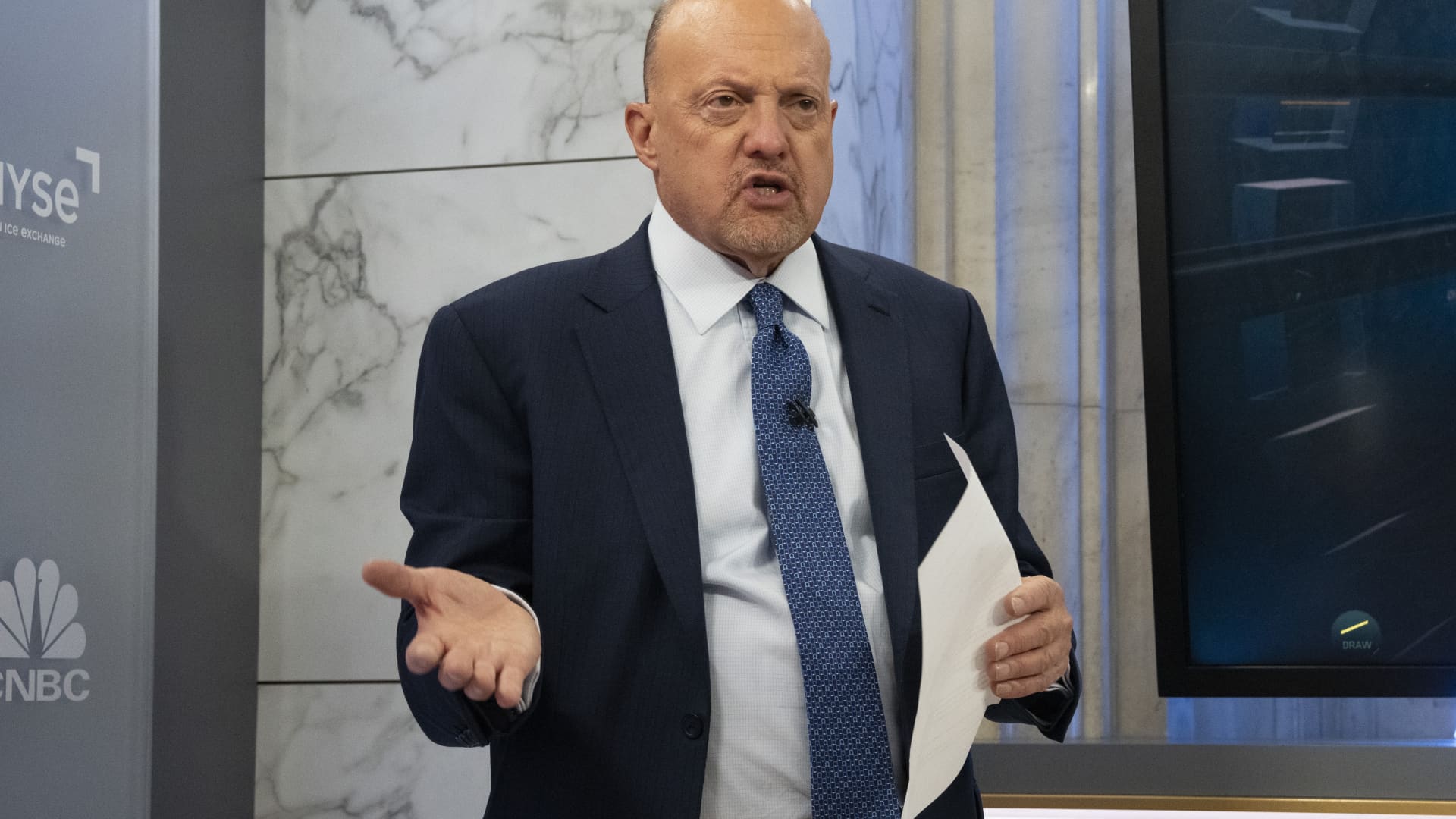
CNBC Investing Club April Meeting Highlights


- Market Rebound Analysis: The S&P 500 index reached a record high in April, marking a significant recovery from the Iran war sell-off, indicating a renewed focus on company fundamentals despite the ongoing conflict, which underscores the importance of investor calmness.
- Nike Investment Reflection: Despite insider buying signals prompting us to increase our stake in Nike last December, we are now skeptical about CEO Elliott Hill's ability to turn the company around, and if next quarter's performance is disappointing, we will consider exiting.
- Amazon Cloud Business Recovery: Amazon's stock rebound highlights the importance of patience, as the market is gradually recognizing the strength of its AWS cloud division and online retail business, which are expected to continue growing in the future.
- Nvidia Market Leadership: Nvidia's leading position in the AI chip sector is paying off, and despite competitive pressures, its advantage in computing power positions it well to maintain market leadership going forward.
See More

Qnity Electronics Declares Quarterly Dividend of $0.08

- Quarterly Dividend Announcement: Qnity Electronics has declared a quarterly dividend of $0.08 per share, payable on June 15, 2026, reflecting the company's commitment to shareholder returns and enhancing investor confidence.
- Record Date for Shareholders: The dividend will be payable to shareholders of record as of May 29, 2026, ensuring that eligible shareholders benefit from this distribution, thereby strengthening the relationship between the company and its investors.
- Company Background: Qnity is a leading technology solutions provider across the semiconductor value chain, focusing on AI, high-performance computing, and advanced connectivity, showcasing its significant role in the rapidly evolving tech landscape.
- Forward-Looking Statements: The company’s cautionary statements regarding forward-looking information highlight uncertainties in future operational and financial performance, reminding investors to consider potential risks while ensuring transparency and compliance.
See More
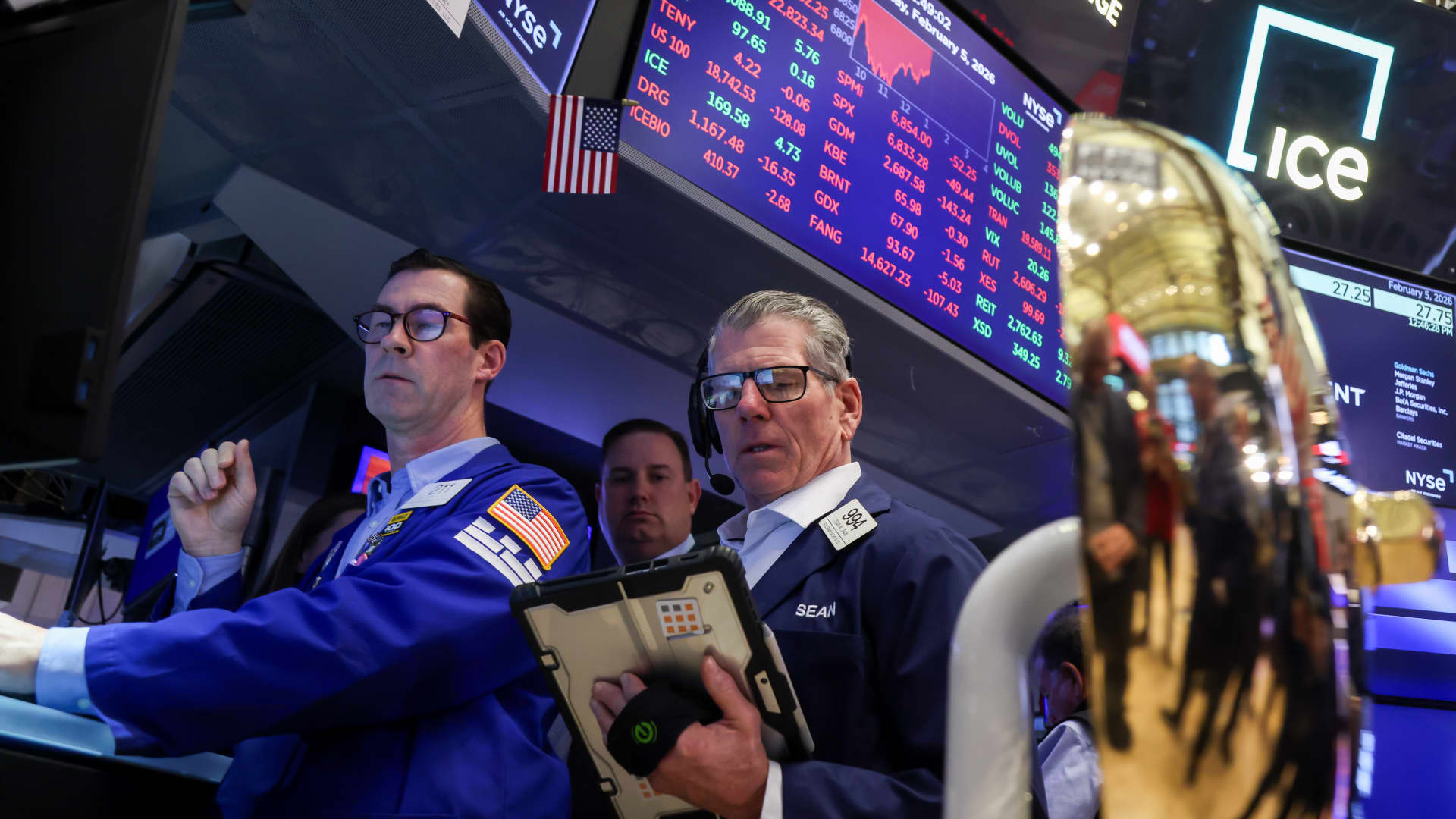
Market Faces Multiple Challenges and Opportunities


- Impact of Iran War: Since the onset of the Iran war, oil prices have doubled, and despite a significant drop following the two-week ceasefire news, the S&P 500 remains only 2.3% below its all-time high, indicating market resilience and adaptability to rising oil prices.
- Tech Stock Turmoil: Software stocks like ServiceNow and Salesforce have plummeted by 30% to 40% despite strong profitability due to fears of AI's impact, while hardware stocks have surged by 50% to 150%, reflecting a stark divergence in market sentiment towards the tech sector.
- Bond Market Stability: The 10-year Treasury yield peaked at 4.5% on March 27 before settling at 4.32%, with the low-rate environment providing support for the stock market, even as discussions about Federal Reserve policies remain prevalent.
- Bank Earnings Season: Goldman Sachs is set to report earnings, expected to showcase a stronger narrative than traditional banks, while Wells Fargo's performance may be influenced by market underestimations of its historical issues, potentially leading to more realistic expectations.
See More
Market Volatility and Surge in Oil Prices


- Surge in Oil Prices: President Trump's address indicated a hardline U.S. stance on Iran, causing WTI crude prices to exceed $110 per barrel, reflecting market concerns over Middle Eastern tensions that could impact global economic recovery.
- Brief Market Rebound: Despite rising oil prices, stocks briefly turned positive due to reports of Iran drafting a plan with Oman to monitor the Strait of Hormuz, yet this rebound was short-lived, highlighting the fragility of market sentiment.
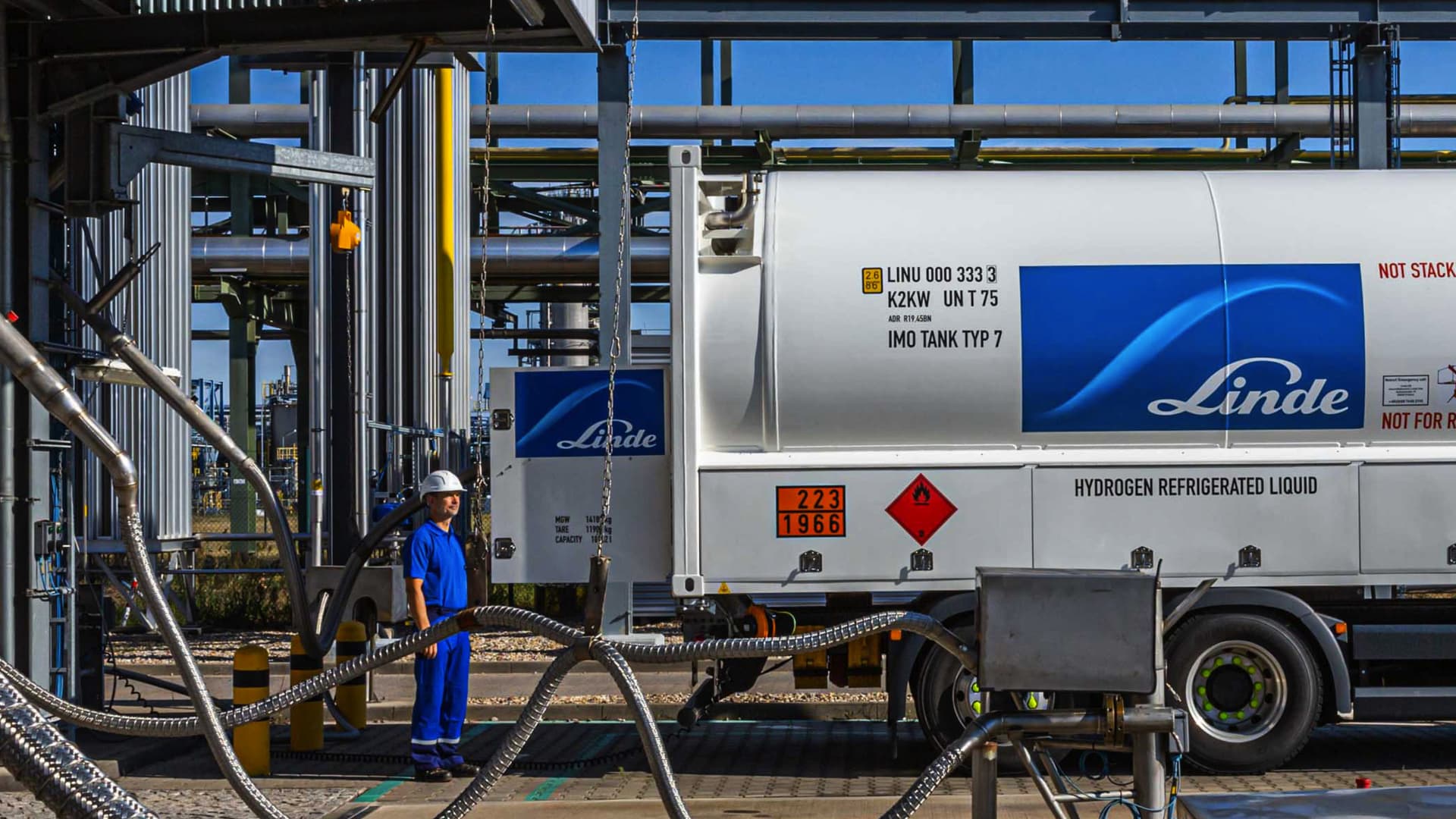
- Helium Supply Chain Disruption: The Wall Street Journal noted that the war has disrupted helium supply chains in Qatar, with Linde and Air Products identified as beneficiaries, although Linde faces challenges due to its smaller helium revenue share compared to Air Products.
- Upcoming Economic Data: While the stock market is closed for Good Friday, attention will turn to the March jobs report, with economists predicting an addition of 60,000 jobs and an unchanged unemployment rate of 4.4%, which will influence market expectations for economic recovery.
See More

Market Volatility Intensifies, Investors Urged to Exercise Caution

- Market Sentiment Fluctuations: Following President Trump's hardline speech, Wall Street experienced a sell-off on Thursday morning, leading to rising oil prices and falling stocks, reflecting the inverse relationship that has characterized the market since the war began on February 28, severely impacting investor sentiment.
- Short-term Investment Strategy: Despite increasing market volatility, analysts recommend that investors identify three to five stocks that remain attractive in the current environment, allowing for accumulation at lower prices to reduce overall cost basis and ensure better returns when the conflict concludes.
- Importance of Risk Management: Historical data shows that investors attempting to predict market corrections often incur greater losses, making patience and a measured investment strategy crucial in the current uncertain market to avoid missing potential rebound opportunities.
- Economic Growth Outlook: With the war potentially dragging on, oil prices may remain elevated, putting pressure on corporate profits; analysts note that while the tail risk of a recession has increased, earnings remain the guiding light for the stock market, and investors should focus on the potential for earnings growth.
See More

Market Volatility and TJX Dividend Increase

- Market Volatility: The S&P 500 struggled to maintain gains at the start of the holiday-shortened trading week, initially rising after President Trump's comments on the Iran war but subsequently falling, with the tech-heavy Nasdaq leading the decline, indicating market uncertainty.
- Oil Price Impact: U.S. West Texas Intermediate crude oil prices rose over 3% to above $100 per barrel; however, despite this typically leading to higher bond yields, the 10-year Treasury yield fell about 10 basis points to 4.32%, reflecting a cautious market response to short-term energy cost spikes.
- TJX Dividend and Buyback: TJX Companies announced a 14% increase in its quarterly dividend to $0.48 per share and plans to repurchase approximately $2.5 billion to $2.75 billion of stock in the current fiscal year, signaling confidence in future earnings and cash flow growth, despite a modest dividend yield of 1.2%.
- Strong Long-term Performance: TJX shares have risen 298% over the past decade, with a total return of 358% when including reinvested dividends, demonstrating the company's consistent execution and off-price model's effectiveness in attracting value-seeking shoppers.
See More
CNBC Investing Club April Meeting Highlights
- Market Rebound Analysis: The S&P 500 index reached a record high in April, marking a significant recovery from the Iran war sell-off, indicating a renewed focus on company fundamentals despite the ongoing conflict, which underscores the importance of investor calmness.
- Nike Investment Reflection: Despite insider buying signals prompting us to increase our stake in Nike last December, we are now skeptical about CEO Elliott Hill's ability to turn the company around, and if next quarter's performance is disappointing, we will consider exiting.
- Amazon Cloud Business Recovery: Amazon's stock rebound highlights the importance of patience, as the market is gradually recognizing the strength of its AWS cloud division and online retail business, which are expected to continue growing in the future.
- Nvidia Market Leadership: Nvidia's leading position in the AI chip sector is paying off, and despite competitive pressures, its advantage in computing power positions it well to maintain market leadership going forward.
See More
Qnity Electronics Declares Quarterly Dividend of $0.08
- Quarterly Dividend Announcement: Qnity Electronics has declared a quarterly dividend of $0.08 per share, payable on June 15, 2026, reflecting the company's commitment to shareholder returns and enhancing investor confidence.
- Record Date for Shareholders: The dividend will be payable to shareholders of record as of May 29, 2026, ensuring that eligible shareholders benefit from this distribution, thereby strengthening the relationship between the company and its investors.
- Company Background: Qnity is a leading technology solutions provider across the semiconductor value chain, focusing on AI, high-performance computing, and advanced connectivity, showcasing its significant role in the rapidly evolving tech landscape.
- Forward-Looking Statements: The company’s cautionary statements regarding forward-looking information highlight uncertainties in future operational and financial performance, reminding investors to consider potential risks while ensuring transparency and compliance.
See More
Market Faces Multiple Challenges and Opportunities
- Impact of Iran War: Since the onset of the Iran war, oil prices have doubled, and despite a significant drop following the two-week ceasefire news, the S&P 500 remains only 2.3% below its all-time high, indicating market resilience and adaptability to rising oil prices.
- Tech Stock Turmoil: Software stocks like ServiceNow and Salesforce have plummeted by 30% to 40% despite strong profitability due to fears of AI's impact, while hardware stocks have surged by 50% to 150%, reflecting a stark divergence in market sentiment towards the tech sector.
- Bond Market Stability: The 10-year Treasury yield peaked at 4.5% on March 27 before settling at 4.32%, with the low-rate environment providing support for the stock market, even as discussions about Federal Reserve policies remain prevalent.
- Bank Earnings Season: Goldman Sachs is set to report earnings, expected to showcase a stronger narrative than traditional banks, while Wells Fargo's performance may be influenced by market underestimations of its historical issues, potentially leading to more realistic expectations.
See More
Market Volatility and Surge in Oil Prices
- Surge in Oil Prices: President Trump's address indicated a hardline U.S. stance on Iran, causing WTI crude prices to exceed $110 per barrel, reflecting market concerns over Middle Eastern tensions that could impact global economic recovery.
- Brief Market Rebound: Despite rising oil prices, stocks briefly turned positive due to reports of Iran drafting a plan with Oman to monitor the Strait of Hormuz, yet this rebound was short-lived, highlighting the fragility of market sentiment.
- Helium Supply Chain Disruption: The Wall Street Journal noted that the war has disrupted helium supply chains in Qatar, with Linde and Air Products identified as beneficiaries, although Linde faces challenges due to its smaller helium revenue share compared to Air Products.
- Upcoming Economic Data: While the stock market is closed for Good Friday, attention will turn to the March jobs report, with economists predicting an addition of 60,000 jobs and an unchanged unemployment rate of 4.4%, which will influence market expectations for economic recovery.
See More
Market Volatility Intensifies, Investors Urged to Exercise Caution
- Market Sentiment Fluctuations: Following President Trump's hardline speech, Wall Street experienced a sell-off on Thursday morning, leading to rising oil prices and falling stocks, reflecting the inverse relationship that has characterized the market since the war began on February 28, severely impacting investor sentiment.
- Short-term Investment Strategy: Despite increasing market volatility, analysts recommend that investors identify three to five stocks that remain attractive in the current environment, allowing for accumulation at lower prices to reduce overall cost basis and ensure better returns when the conflict concludes.
- Importance of Risk Management: Historical data shows that investors attempting to predict market corrections often incur greater losses, making patience and a measured investment strategy crucial in the current uncertain market to avoid missing potential rebound opportunities.
- Economic Growth Outlook: With the war potentially dragging on, oil prices may remain elevated, putting pressure on corporate profits; analysts note that while the tail risk of a recession has increased, earnings remain the guiding light for the stock market, and investors should focus on the potential for earnings growth.
See More
Market Volatility and TJX Dividend Increase
- Market Volatility: The S&P 500 struggled to maintain gains at the start of the holiday-shortened trading week, initially rising after President Trump's comments on the Iran war but subsequently falling, with the tech-heavy Nasdaq leading the decline, indicating market uncertainty.
- Oil Price Impact: U.S. West Texas Intermediate crude oil prices rose over 3% to above $100 per barrel; however, despite this typically leading to higher bond yields, the 10-year Treasury yield fell about 10 basis points to 4.32%, reflecting a cautious market response to short-term energy cost spikes.
- TJX Dividend and Buyback: TJX Companies announced a 14% increase in its quarterly dividend to $0.48 per share and plans to repurchase approximately $2.5 billion to $2.75 billion of stock in the current fiscal year, signaling confidence in future earnings and cash flow growth, despite a modest dividend yield of 1.2%.
- Strong Long-term Performance: TJX shares have risen 298% over the past decade, with a total return of 358% when including reinvested dividends, demonstrating the company's consistent execution and off-price model's effectiveness in attracting value-seeking shoppers.
See More