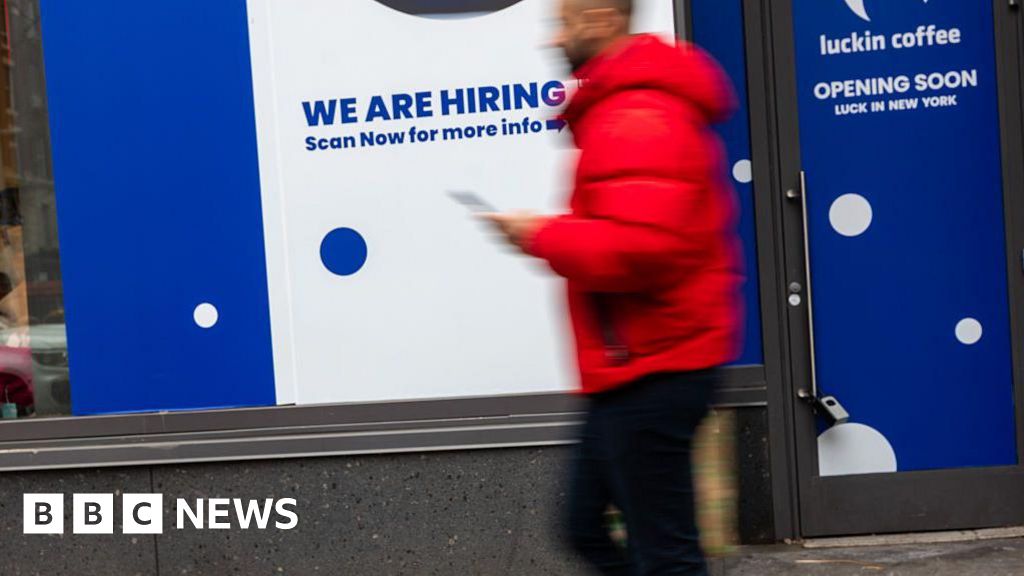
Prime Capital Increases Stake in CAVA Group Amid Price Decline
Written by Emily J. Thompson, Senior Investment Analyst
Updated: Feb 12 2026
0mins


Should l Buy CAVA?
Source: Fool
- Share Acquisition: Prime Capital Management increased its stake in CAVA Group by 490,300 shares in Q4 2025, investing $27.34 million, reflecting confidence in the company despite a 48.5% drop in stock price over the past year.
- Increased Ownership: Following this acquisition, Prime Capital's stake in CAVA reached 7.19%, significantly impacting its reportable U.S. equity assets under management, indicating optimism about CAVA's growth potential.
- Market Performance: As of February 11, 2026, CAVA shares were priced at $67.37 with a market cap of $7.81 billion; despite market challenges, revenue grew 23% in the first nine months of fiscal 2025, showcasing strong expansion momentum.
- Strategic Implications: CAVA aims to operate over 1,000 restaurants by 2032, and Prime Capital's investment could yield substantial returns in the future, especially as CAVA is viewed as a potential opportunity similar to Chipotle at its current valuation.
Trade with 70% Backtested Accuracy
Stop guessing "Should I Buy CAVA?" and start using high-conviction signals backed by rigorous historical data.
Sign up today to access powerful investing tools and make smarter, data-driven decisions.
Analyst Views on CAVA
Wall Street analysts forecast CAVA stock price to fall
18 Analyst Rating
12 Buy
6 Hold
0 Sell
Moderate Buy
Current: 80.140

Low
60.00
Averages
73.29
High
86.00
Current: 80.140
Low
60.00
Averages
73.29
High
86.00
About CAVA
CAVA Group, Inc. is a category-defining Mediterranean fast-casual restaurant brand. The Company’s Mediterranean cuisine unites taste and health, with a menu that features chef-curated and customizable bowls and pitas. Its dips, spreads, and dressings are centrally produced and sold in grocery stores. Its menu offers a range of dietary preferences, from hearty and indulgent to vegan, vegetarian, gluten-free, dairy-free, paleo, keto, and nut-free diets. Its guests can choose a chef-curated meal or a build-your-own-bowl or pita using its 38 ingredients with over 17.4 billion combinations. It has developed a multi-channel experience that consists of in-restaurant dining, digital pick-up, drive-thru pick-up in select restaurants, delivery, catering, and consumer packaged goods offerings, fully supported by its digital infrastructure. It operates two production facilities: one in Maryland and one in Virginia. It operates in approximately 26 states and the District of Columbia.
About the author

Emily J. Thompson
Emily J. Thompson, a Chartered Financial Analyst (CFA) with 12 years in investment research, graduated with honors from the Wharton School. Specializing in industrial and technology stocks, she provides in-depth analysis for Intellectia’s earnings and market brief reports.

Chipotle Stock Declines Amid Sales Struggles


- Sales Decline: Chipotle's same-store sales fell 2.5% year-over-year in Q4 2025, leading to a drop in operating margin from 14.6% to 14.1%, indicating challenges in maintaining customer traffic and pricing power, which could hinder future revenue growth.
- Bearish Market Sentiment: Investor sentiment has turned negative towards Chipotle and other restaurant stocks due to concerns over rising gas prices, with expectations that reduced consumer spending on dining out will further pressure the company's performance.
- Increased Competitive Pressure: Chipotle is losing market share to emerging fast-casual brands like Cava Group, with growing consumer concerns over food quality and inconsistent portion sizes potentially leading to customer attrition and damaging brand reputation.
- Valuation Risks: Despite a 50% drop from its highs, Chipotle's stock still trades at a P/E ratio of 29.5, suggesting that investors should be cautious about buying the stock at this time given its current underperformance.
See More
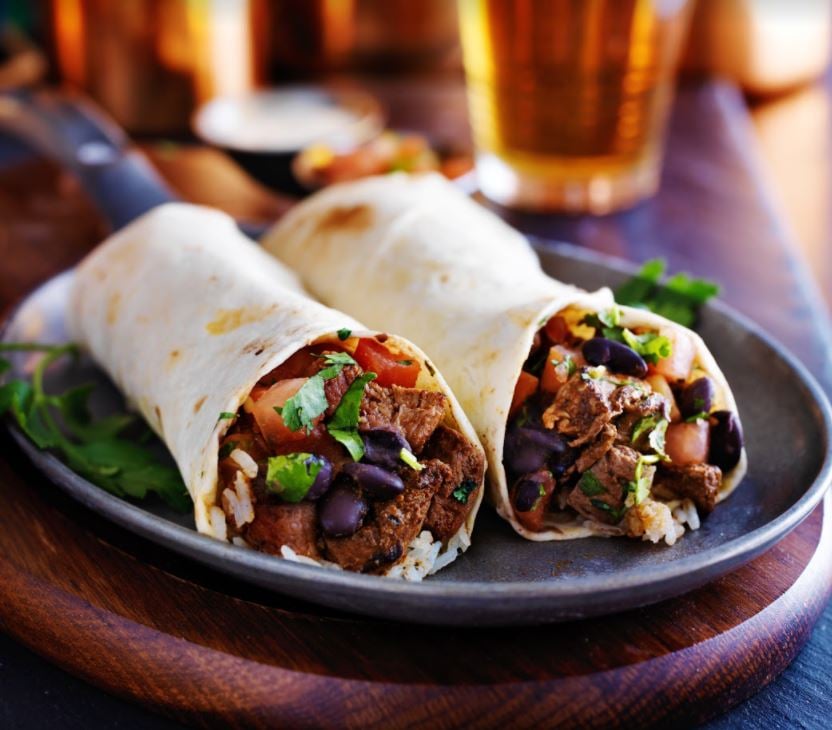
Chipotle Shares Drop 14% Amid Consumer Spending Concerns
- Stock Price Decline: Chipotle's shares fell 14% in March, primarily due to increasing investor pessimism about the restaurant sector, particularly concerns over rising gas prices impacting consumer spending, which has led to diminished confidence in its future performance.
- Poor Earnings Performance: In its Q4 2025 report, Chipotle revealed a 2.5% year-over-year decline in same-store sales and a drop in operating margin from 14.6% to 14.1%, indicating challenges in maintaining customer traffic and pricing power, reflecting a broader trend of weakness in the restaurant industry.
- Increased Market Competition: With growing consumer dissatisfaction regarding food quality and portion sizes, Chipotle is losing market share to emerging fast-casual brands like Cava Group, which threatens its previously dominant position in the fast-casual dining market and heightens investor concerns.
- Future Growth Potential: Despite the current stock decline, Chipotle operates over 4,000 restaurants and is slowly expanding globally; if it can restore same-store sales growth, revenue is expected to continue compounding, but the current P/E ratio of 29.5 appears too high for a struggling restaurant concept, suggesting investors should hold off on buying the dip.
See More

Market Watch: Oil Price Surge and Stock Market Turmoil

- Oil Price Surge Impact: Following President Trump's address on the Iran war, which raised escalation concerns, U.S. crude benchmark WTI surged 9% to $109 a barrel, putting downward pressure on the stock market and negatively affecting investor sentiment.
- Bank of America Upgrades Vale: Bank of America upgraded Vale from hold to buy, suggesting that now is an attractive entry point for investors in the iron ore producer, despite Vale's stock dropping nearly 7% since the Iran conflict began, while iron ore prices have risen about 8%.
- Wix's Outlook Downgraded: UBS downgraded Wix from buy to hold, with analysts believing its 2026 outlook indicates a slowdown in core business growth from 12% last year to 8% this year, and despite efforts to integrate AI capabilities, the company remains vulnerable to disruption by AI.
- Cheniere Energy Price Target Increased: Citigroup raised Cheniere Energy's price target from $280 to $330 while reiterating its buy rating, as supply disruptions in the Middle East could benefit U.S. LNG exports long-term, with shares up about 17% since the war began.
See More

Cava Group's Strong Expansion Momentum
- Significant Revenue Growth: Cava achieved its first annual revenue exceeding $1 billion in FY 2025, with a 22.5% growth year-over-year, and same-store sales increased by 0.5% in Q4, surpassing Wall Street's expectation of a 0.1% decline, indicating strong market performance.
- Clear Expansion Plans: Cava plans to open approximately 75 new restaurants in 2026, with same-store sales growth projected at 3% to 5%, and adjusted EBITDA guidance between $176 million and $184 million, showcasing confidence in sustained growth.
- Superior Unit Economics: New restaurant locations are generating annualized average unit volumes exceeding $3 million, with expected restaurant-level profit margins between 23.7% and 24.2%, demonstrating Cava's ability to maintain profitability and operational discipline during expansion.
- Increased Market Recognition: Guggenheim recently initiated coverage with a buy rating and a $100 price target for Cava, reflecting market acknowledgment of its growth potential, particularly as the company demonstrates resilience amid macroeconomic challenges.
See More

Cava Group Surpasses Expectations in 2025 Earnings, Stock Up 41%
- Strong Financial Performance: Cava Group achieved over $1 billion in annual revenue for Q4 2025, with a year-over-year growth rate of 22.5%, and same-store sales increased by 0.5% in Q4, surpassing Wall Street's expectation of a 0.1% decline, indicating robust market demand and profitability.
- Clear Expansion Plans: Management guided for 74 to 76 net new restaurant openings in 2026, alongside same-store sales growth targets of 3% to 5%, with adjusted EBITDA expected between $176 million and $184 million, demonstrating a proactive approach to increasing market share on a solid growth foundation.
- New Store Performance: Cava's newest restaurants are generating annualized average unit volumes exceeding $3 million, with expected restaurant-level profit margins between 23.7% and 24.2% for the full year, showcasing the company's operational discipline during expansion.
- Positive Market Response: Guggenheim analysts recently initiated coverage on Cava with a buy rating and a $100 price target, reflecting market recognition of Cava's future growth potential and further bolstering investor confidence.
See More

Market Outlook Dims as Analysts Downgrade Key Stocks


- Oil Prices and Market Pressure: Rising oil prices and bond yields, coupled with Washington's negotiations with Iran, are creating significant challenges for the stock market, as futures indicate a lower open, making it difficult for investors to commit substantial capital in this environment.
- Qualcomm Downgrade: Bernstein downgraded Qualcomm from buy to hold, citing concerns that soaring memory prices are pressuring the smartphone market, indicating a loss of confidence in Qualcomm as Wall Street shifts preference towards Arm Holdings.
- Adobe Faces Competitive Pressure: William Blair downgraded Adobe from buy to hold, highlighting intense AI competition in its core Creative Cloud business, suggesting that Adobe's high valuation may be unsustainable amid declining earnings power.
- Tyson Foods Receives Buy Rating: Mizuho initiated coverage of Tyson Foods with a buy rating, noting that increased consumer demand for nutrient-rich diets will drive growth, while the company's heavy reinvestment over the past five years is expected to enhance profitability.
See More
Chipotle Stock Declines Amid Sales Struggles
- Sales Decline: Chipotle's same-store sales fell 2.5% year-over-year in Q4 2025, leading to a drop in operating margin from 14.6% to 14.1%, indicating challenges in maintaining customer traffic and pricing power, which could hinder future revenue growth.
- Bearish Market Sentiment: Investor sentiment has turned negative towards Chipotle and other restaurant stocks due to concerns over rising gas prices, with expectations that reduced consumer spending on dining out will further pressure the company's performance.
- Increased Competitive Pressure: Chipotle is losing market share to emerging fast-casual brands like Cava Group, with growing consumer concerns over food quality and inconsistent portion sizes potentially leading to customer attrition and damaging brand reputation.
- Valuation Risks: Despite a 50% drop from its highs, Chipotle's stock still trades at a P/E ratio of 29.5, suggesting that investors should be cautious about buying the stock at this time given its current underperformance.
See More
Chipotle Shares Drop 14% Amid Consumer Spending Concerns
- Stock Price Decline: Chipotle's shares fell 14% in March, primarily due to increasing investor pessimism about the restaurant sector, particularly concerns over rising gas prices impacting consumer spending, which has led to diminished confidence in its future performance.
- Poor Earnings Performance: In its Q4 2025 report, Chipotle revealed a 2.5% year-over-year decline in same-store sales and a drop in operating margin from 14.6% to 14.1%, indicating challenges in maintaining customer traffic and pricing power, reflecting a broader trend of weakness in the restaurant industry.
- Increased Market Competition: With growing consumer dissatisfaction regarding food quality and portion sizes, Chipotle is losing market share to emerging fast-casual brands like Cava Group, which threatens its previously dominant position in the fast-casual dining market and heightens investor concerns.
- Future Growth Potential: Despite the current stock decline, Chipotle operates over 4,000 restaurants and is slowly expanding globally; if it can restore same-store sales growth, revenue is expected to continue compounding, but the current P/E ratio of 29.5 appears too high for a struggling restaurant concept, suggesting investors should hold off on buying the dip.
See More
Market Watch: Oil Price Surge and Stock Market Turmoil
- Oil Price Surge Impact: Following President Trump's address on the Iran war, which raised escalation concerns, U.S. crude benchmark WTI surged 9% to $109 a barrel, putting downward pressure on the stock market and negatively affecting investor sentiment.
- Bank of America Upgrades Vale: Bank of America upgraded Vale from hold to buy, suggesting that now is an attractive entry point for investors in the iron ore producer, despite Vale's stock dropping nearly 7% since the Iran conflict began, while iron ore prices have risen about 8%.
- Wix's Outlook Downgraded: UBS downgraded Wix from buy to hold, with analysts believing its 2026 outlook indicates a slowdown in core business growth from 12% last year to 8% this year, and despite efforts to integrate AI capabilities, the company remains vulnerable to disruption by AI.
- Cheniere Energy Price Target Increased: Citigroup raised Cheniere Energy's price target from $280 to $330 while reiterating its buy rating, as supply disruptions in the Middle East could benefit U.S. LNG exports long-term, with shares up about 17% since the war began.
See More
Cava Group's Strong Expansion Momentum
- Significant Revenue Growth: Cava achieved its first annual revenue exceeding $1 billion in FY 2025, with a 22.5% growth year-over-year, and same-store sales increased by 0.5% in Q4, surpassing Wall Street's expectation of a 0.1% decline, indicating strong market performance.
- Clear Expansion Plans: Cava plans to open approximately 75 new restaurants in 2026, with same-store sales growth projected at 3% to 5%, and adjusted EBITDA guidance between $176 million and $184 million, showcasing confidence in sustained growth.
- Superior Unit Economics: New restaurant locations are generating annualized average unit volumes exceeding $3 million, with expected restaurant-level profit margins between 23.7% and 24.2%, demonstrating Cava's ability to maintain profitability and operational discipline during expansion.
- Increased Market Recognition: Guggenheim recently initiated coverage with a buy rating and a $100 price target for Cava, reflecting market acknowledgment of its growth potential, particularly as the company demonstrates resilience amid macroeconomic challenges.
See More
Cava Group Surpasses Expectations in 2025 Earnings, Stock Up 41%
- Strong Financial Performance: Cava Group achieved over $1 billion in annual revenue for Q4 2025, with a year-over-year growth rate of 22.5%, and same-store sales increased by 0.5% in Q4, surpassing Wall Street's expectation of a 0.1% decline, indicating robust market demand and profitability.
- Clear Expansion Plans: Management guided for 74 to 76 net new restaurant openings in 2026, alongside same-store sales growth targets of 3% to 5%, with adjusted EBITDA expected between $176 million and $184 million, demonstrating a proactive approach to increasing market share on a solid growth foundation.
- New Store Performance: Cava's newest restaurants are generating annualized average unit volumes exceeding $3 million, with expected restaurant-level profit margins between 23.7% and 24.2% for the full year, showcasing the company's operational discipline during expansion.
- Positive Market Response: Guggenheim analysts recently initiated coverage on Cava with a buy rating and a $100 price target, reflecting market recognition of Cava's future growth potential and further bolstering investor confidence.
See More
Market Outlook Dims as Analysts Downgrade Key Stocks
- Oil Prices and Market Pressure: Rising oil prices and bond yields, coupled with Washington's negotiations with Iran, are creating significant challenges for the stock market, as futures indicate a lower open, making it difficult for investors to commit substantial capital in this environment.
- Qualcomm Downgrade: Bernstein downgraded Qualcomm from buy to hold, citing concerns that soaring memory prices are pressuring the smartphone market, indicating a loss of confidence in Qualcomm as Wall Street shifts preference towards Arm Holdings.
- Adobe Faces Competitive Pressure: William Blair downgraded Adobe from buy to hold, highlighting intense AI competition in its core Creative Cloud business, suggesting that Adobe's high valuation may be unsustainable amid declining earnings power.
- Tyson Foods Receives Buy Rating: Mizuho initiated coverage of Tyson Foods with a buy rating, noting that increased consumer demand for nutrient-rich diets will drive growth, while the company's heavy reinvestment over the past five years is expected to enhance profitability.
See More