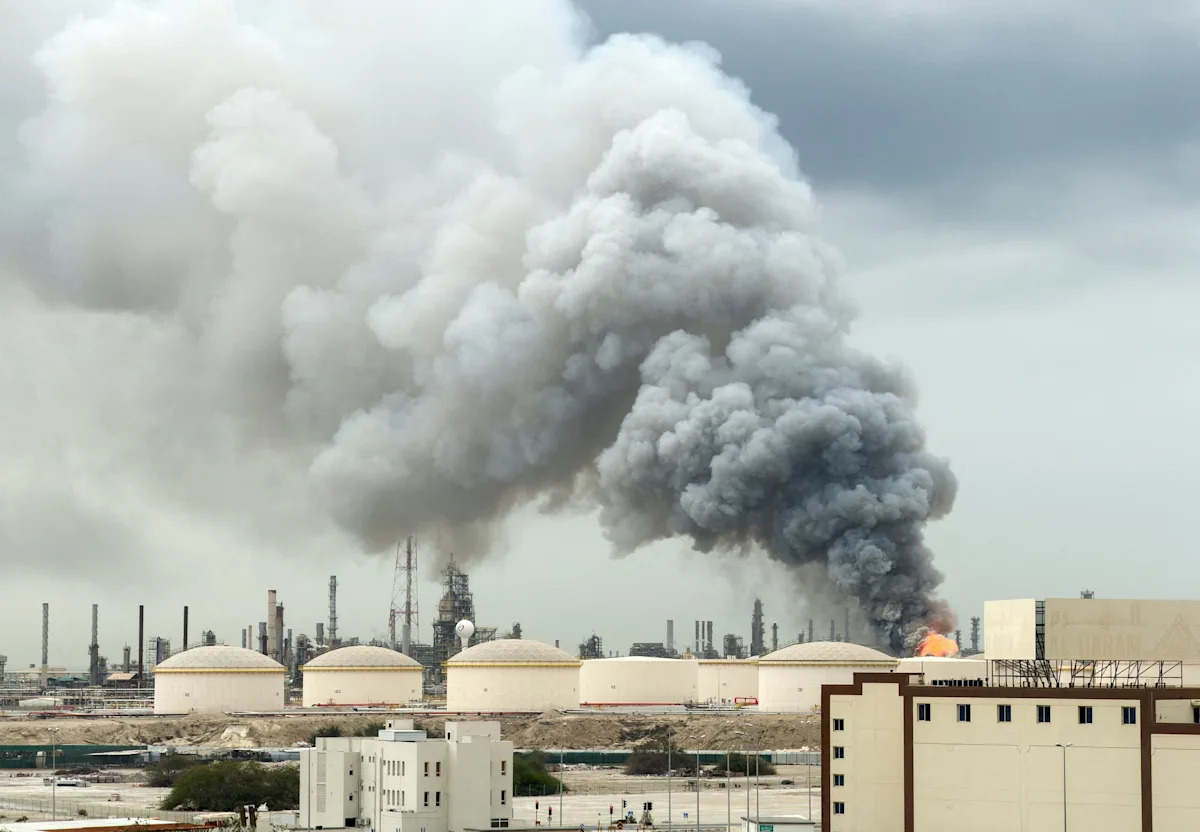
PHILLIPS 66 STOCK FALLS 1% FOLLOWING ANNOUNCEMENT OF $900 MILLION LOSS RELATED TO IRAN CONFLICT
Written by Emily J. Thompson, Senior Investment Analyst
Updated: 1 day ago
0mins
Should l Buy PSX?
Source: moomoo
- Stock Market Reaction: Phillips shares fell by 1% following a significant financial announcement.
- Financial Losses: The company reported a $900 million loss attributed to the ongoing conflict with Iran.
Trade with 70% Backtested Accuracy
Stop guessing "Should I Buy PSX?" and start using high-conviction signals backed by rigorous historical data.
Sign up today to access powerful investing tools and make smarter, data-driven decisions.
Analyst Views on PSX
Wall Street analysts forecast PSX stock price to fall
15 Analyst Rating
8 Buy
7 Hold
0 Sell
Moderate Buy
Current: 174.700

Low
110.00
Averages
132.40
High
162.00
Current: 174.700
Low
110.00
Averages
132.40
High
162.00
About PSX
Phillips 66 is a diversified and integrated downstream energy provider that manufactures, transports and markets products. The Company's Midstream segment provides crude oil and refined petroleum product transportation, terminating and processing services, as well as natural gas and natural gas liquids (NGL) transportation, storage, fractionation, gathering, processing and marketing services. Its Chemicals segment consists of its 50% equity investment in Chevron Phillips Chemical Company LLC, which manufactures and markets petrochemicals and plastics on a worldwide basis. Its Refining segment refines crude oil and other feedstocks into petroleum products, such as gasoline, distillates, including aviation fuels. Its Marketing and Specialties segment purchases for resale and markets refined products, mainly in the United States and Europe. Its Renewable Fuels segment processes renewable feedstocks into renewable products at the Rodeo Renewable Energy Complex and at its Humber Refinery.
About the author

Emily J. Thompson
Emily J. Thompson, a Chartered Financial Analyst (CFA) with 12 years in investment research, graduated with honors from the Wharton School. Specializing in industrial and technology stocks, she provides in-depth analysis for Intellectia’s earnings and market brief reports.

PHILLIPS 66 REFINING SEGMENT AFFECTED BY $300 MILLION PRE-TAX DUE TO GULF COAST PRICING LAG IN Q1 2026 - SEC FILING

- Financial Impact: The refining segment is affected by a $300 million pre-tax charge from Gulf Coast pricing lag in Q1 2026.
- Regulatory Filing: The information is part of a SEC filing, indicating the company's financial adjustments and market conditions.
See More

Global Stock Markets Surge on Iran Ceasefire Agreement


- Market Sentiment Rebound: Global stock markets surged on Wednesday as the US and Iran agreed to a two-week ceasefire, with the S&P 500 rising 2.51%, the Dow Jones up 2.85%, and the Nasdaq 100 increasing by 2.90%, reflecting a positive market response to easing geopolitical tensions.
- Crude Oil Price Plunge: The ceasefire news led to a more than 15% drop in crude oil prices to a 1.5-week low, alleviating inflation concerns and sparking a rally in global government bond markets, with the German 10-year Bund yield falling to a 3-week low, indicating a more optimistic outlook for the economy.
- Fed Policy Expectations: Although the market discounts only a 1% chance of a 25 bp rate hike at the upcoming April 28-29 FOMC meeting, the minutes from the March FOMC indicated heightened concerns among participants regarding upside risks to inflation and downside risks to employment, suggesting a more cautious approach to future monetary policy.
- Strong Tech Stock Performance: Chipmakers and AI infrastructure stocks saw significant gains on Wednesday, with Intel rising over 11%, driving the Nasdaq 100's increase, highlighting the tech sector's crucial role in the market recovery and further boosting investor confidence in technology stocks.
See More

Oil Prices Drop, Potential Relief at the Pump


- Oil Price Decline: Oil prices plummeted on Wednesday following a two-week ceasefire agreement between the U.S. and Iran, with West Texas Intermediate crude futures dropping from nearly $113 to about $95, and Brent crude futures falling from $109 to $95, indicating potential relief for consumers at the gas pump.
- Gas Price Expectations: Analysts predict that gas prices may decrease by 10 to 20 cents per gallon over the next few weeks due to the ceasefire, although this forecast hinges on the ceasefire's durability; if tensions escalate, prices could spike again.
- Market Response: The national average gas price was reported at $4.16 per gallon on Wednesday, up from just under $3 before the Iran conflict began on February 28, and significantly higher than the $5.01 peak in June 2022 due to supply disruptions, reflecting the market's sensitivity to oil price fluctuations.
- Supply Chain Challenges: While the ceasefire may lead to increased oil supply, analysts caution that prices are unlikely to return to pre-conflict levels due to heightened geopolitical risks in the Middle East, compounded by seasonal demand increases during summer, which could further pressure gas prices.
See More

Global Stock Markets Surge on Iran Ceasefire Agreement
- Market Sentiment Rebounds: Global stock markets surged as the US and Iran agreed to a two-week ceasefire, with the S&P 500 rising 2.04%, the Dow Jones up 2.25%, and the Nasdaq 100 increasing by 2.52%, indicating a renewed investor confidence in risk assets.
- Crude Oil Price Plunge: The ceasefire news led to a more than 15% drop in crude oil prices to a 1.5-week low, alleviating inflation concerns and sparking a rally in global government bond markets, with the German 10-year Bund yield falling to a 3-week low, reflecting market expectations of a potential economic slowdown.
- US Treasury Yields Decline: The 10-year US Treasury yield fell to 4.228%, a 3-week low, as concerns over inflation eased, indicating increased demand for safe-haven assets, while also supporting the upcoming $39 billion auction of 10-year notes.
- Strong Performance in Tech Stocks: Amid the positive market sentiment, technology stocks performed strongly, with Amazon, Meta, and Alphabet all rising over 3%, showcasing sustained investor confidence in the tech sector, which may drive future investment inflows.
See More

Global Stock Markets Surge on Iran Ceasefire Agreement
- Market Rally: The S&P 500 rose by 2.35%, the Dow Jones by 2.78%, and the Nasdaq 100 by 2.89%, all reaching four-week highs, reflecting optimistic market sentiment following the easing of geopolitical tensions.
- Crude Oil Plunge: Crude oil prices fell over 17% to a 1.5-week low after the US and Iran agreed to a two-week ceasefire, alleviating inflation concerns and sparking a rally in global government bond markets.
- Declining Bond Yields: The 10-year US Treasury yield dropped to a three-week low of 4.228%, as easing inflation worries are expected to influence future monetary policy, particularly ahead of the upcoming FOMC meeting.
- Airline Stocks Surge: With lower fuel costs, Alaska Air Group surged over 16% and Carnival Cruises rose over 13%, indicating a positive impact of falling oil prices on the airline and cruise industries, potentially enhancing overall profitability.
See More

Delta Air Lines Adjusts Capacity Amid Rising Fuel Costs

- Capacity Growth Adjustment: Delta Air Lines CEO Ed Bastian announced a
See More
PHILLIPS 66 REFINING SEGMENT AFFECTED BY $300 MILLION PRE-TAX DUE TO GULF COAST PRICING LAG IN Q1 2026 - SEC FILING
- Financial Impact: The refining segment is affected by a $300 million pre-tax charge from Gulf Coast pricing lag in Q1 2026.
- Regulatory Filing: The information is part of a SEC filing, indicating the company's financial adjustments and market conditions.
See More
Global Stock Markets Surge on Iran Ceasefire Agreement
- Market Sentiment Rebound: Global stock markets surged on Wednesday as the US and Iran agreed to a two-week ceasefire, with the S&P 500 rising 2.51%, the Dow Jones up 2.85%, and the Nasdaq 100 increasing by 2.90%, reflecting a positive market response to easing geopolitical tensions.
- Crude Oil Price Plunge: The ceasefire news led to a more than 15% drop in crude oil prices to a 1.5-week low, alleviating inflation concerns and sparking a rally in global government bond markets, with the German 10-year Bund yield falling to a 3-week low, indicating a more optimistic outlook for the economy.
- Fed Policy Expectations: Although the market discounts only a 1% chance of a 25 bp rate hike at the upcoming April 28-29 FOMC meeting, the minutes from the March FOMC indicated heightened concerns among participants regarding upside risks to inflation and downside risks to employment, suggesting a more cautious approach to future monetary policy.
- Strong Tech Stock Performance: Chipmakers and AI infrastructure stocks saw significant gains on Wednesday, with Intel rising over 11%, driving the Nasdaq 100's increase, highlighting the tech sector's crucial role in the market recovery and further boosting investor confidence in technology stocks.
See More
Oil Prices Drop, Potential Relief at the Pump
- Oil Price Decline: Oil prices plummeted on Wednesday following a two-week ceasefire agreement between the U.S. and Iran, with West Texas Intermediate crude futures dropping from nearly $113 to about $95, and Brent crude futures falling from $109 to $95, indicating potential relief for consumers at the gas pump.
- Gas Price Expectations: Analysts predict that gas prices may decrease by 10 to 20 cents per gallon over the next few weeks due to the ceasefire, although this forecast hinges on the ceasefire's durability; if tensions escalate, prices could spike again.
- Market Response: The national average gas price was reported at $4.16 per gallon on Wednesday, up from just under $3 before the Iran conflict began on February 28, and significantly higher than the $5.01 peak in June 2022 due to supply disruptions, reflecting the market's sensitivity to oil price fluctuations.
- Supply Chain Challenges: While the ceasefire may lead to increased oil supply, analysts caution that prices are unlikely to return to pre-conflict levels due to heightened geopolitical risks in the Middle East, compounded by seasonal demand increases during summer, which could further pressure gas prices.
See More
Global Stock Markets Surge on Iran Ceasefire Agreement
- Market Sentiment Rebounds: Global stock markets surged as the US and Iran agreed to a two-week ceasefire, with the S&P 500 rising 2.04%, the Dow Jones up 2.25%, and the Nasdaq 100 increasing by 2.52%, indicating a renewed investor confidence in risk assets.
- Crude Oil Price Plunge: The ceasefire news led to a more than 15% drop in crude oil prices to a 1.5-week low, alleviating inflation concerns and sparking a rally in global government bond markets, with the German 10-year Bund yield falling to a 3-week low, reflecting market expectations of a potential economic slowdown.
- US Treasury Yields Decline: The 10-year US Treasury yield fell to 4.228%, a 3-week low, as concerns over inflation eased, indicating increased demand for safe-haven assets, while also supporting the upcoming $39 billion auction of 10-year notes.
- Strong Performance in Tech Stocks: Amid the positive market sentiment, technology stocks performed strongly, with Amazon, Meta, and Alphabet all rising over 3%, showcasing sustained investor confidence in the tech sector, which may drive future investment inflows.
See More
Global Stock Markets Surge on Iran Ceasefire Agreement
- Market Rally: The S&P 500 rose by 2.35%, the Dow Jones by 2.78%, and the Nasdaq 100 by 2.89%, all reaching four-week highs, reflecting optimistic market sentiment following the easing of geopolitical tensions.
- Crude Oil Plunge: Crude oil prices fell over 17% to a 1.5-week low after the US and Iran agreed to a two-week ceasefire, alleviating inflation concerns and sparking a rally in global government bond markets.
- Declining Bond Yields: The 10-year US Treasury yield dropped to a three-week low of 4.228%, as easing inflation worries are expected to influence future monetary policy, particularly ahead of the upcoming FOMC meeting.
- Airline Stocks Surge: With lower fuel costs, Alaska Air Group surged over 16% and Carnival Cruises rose over 13%, indicating a positive impact of falling oil prices on the airline and cruise industries, potentially enhancing overall profitability.
See More
Delta Air Lines Adjusts Capacity Amid Rising Fuel Costs
- Capacity Growth Adjustment: Delta Air Lines CEO Ed Bastian announced a
See More