PHILIP MORRIS PROJECTS OPERATING CASH FLOW OF APPROXIMATELY $45 BILLION FOR 2026-2028 IN PRESENTATION
Operating Cash Flow: Philip Morris is expected to generate an operating cash flow of approximately $45 billion between 2026 and 2028.
Financial Presentation: The information was shared in a recent presentation, highlighting the company's financial outlook for the upcoming years.
Trade with 70% Backtested Accuracy
Analyst Views on PM

About PM
About the author


Philip Morris Secures FDA Renewal for Heated Tobacco Product Authorizations

- FDA Renewal Authorization: The U.S. FDA has announced the renewal of Philip Morris's Modified Risk Tobacco Product (MRTP) authorizations for the IQOS and HEETS products, allowing the company to continue sharing reduced exposure information with U.S. adults aged 21 and over, thereby promoting public health.
- Scientific Basis Support: The FDA's decision is based on scientific studies indicating that switching completely from conventional cigarettes to the IQOS system significantly reduces exposure to harmful chemicals, which is expected to improve the overall health of both smokers and non-smokers, further solidifying PMI's leadership in the heated tobacco market.
- Significant Market Potential: PMI aims to provide better smoke-free alternatives to approximately 25 million legal-age smokers in the U.S., with an estimated 43 million legal-age consumers globally using its smoke-free products by 2025, indicating strong market demand and growth potential.
- Ongoing Investment in Innovation: Since 2008, PMI has invested over $16 billion in the development of smoke-free products, focusing on scientific substantiation and commercialization of innovative products, with the goal of completely ending cigarette sales and driving the industry towards healthier alternatives.

Wall Street Earnings Season Faces Major Test


- Earnings Season Significance: Wall Street is set for a packed earnings season featuring key companies like Capital One and Boeing, with investors eager to glean insights into the economic impact of the Iran war from these reports.
- Capital One Performance Focus: Capital One is scheduled to report earnings on Tuesday, with market attention on its consumer health metrics and the progress of its acquisitions of Discover and Brex, particularly amid rising economic uncertainties.
- Boeing Earnings Outlook: Boeing is expected to release its earnings report on Wednesday, with market focus on order volumes in both its commercial and defense sectors, as well as free cash flow performance, especially after previous unexpected losses.
- GE Vernova Order Growth: GE Vernova will report alongside Boeing, with first-quarter new orders anticipated to reach $14.4 billion, reflecting a 65% year-over-year increase, indicating strong market performance amid rising electricity demand.

PHILIP MORRIS - EXTENDED APPROVAL INCLUDES IQOS 2.4, IQOS 3.0, AND HEETS AMBER, GREEN MENTHOL, BLUE MENTHOL

Renewed Authorization: The article discusses the renewed authorization for various IQOS products, specifically IQOS 2.4 and IQOS 3.0.
Product Coverage: It also covers the inclusion of Heets Amber, Green Menthol, and Blue Menthol in the authorization.
PHILIP MORRIS INTERNATIONAL RECEIVES U.S. FDA REAUTHORIZATION FOR IQOS AS A MODIFIED RISK TOBACCO PRODUCT
- FDA Authorization: The U.S. FDA has authorized the use of IQOS as a modified risk tobacco product.
- Impact on Tobacco Products: This decision allows Philip Morris International to market IQOS with reduced risk claims compared to traditional tobacco products.
Wall Street Optimism Rises Amid Ceasefire Hopes


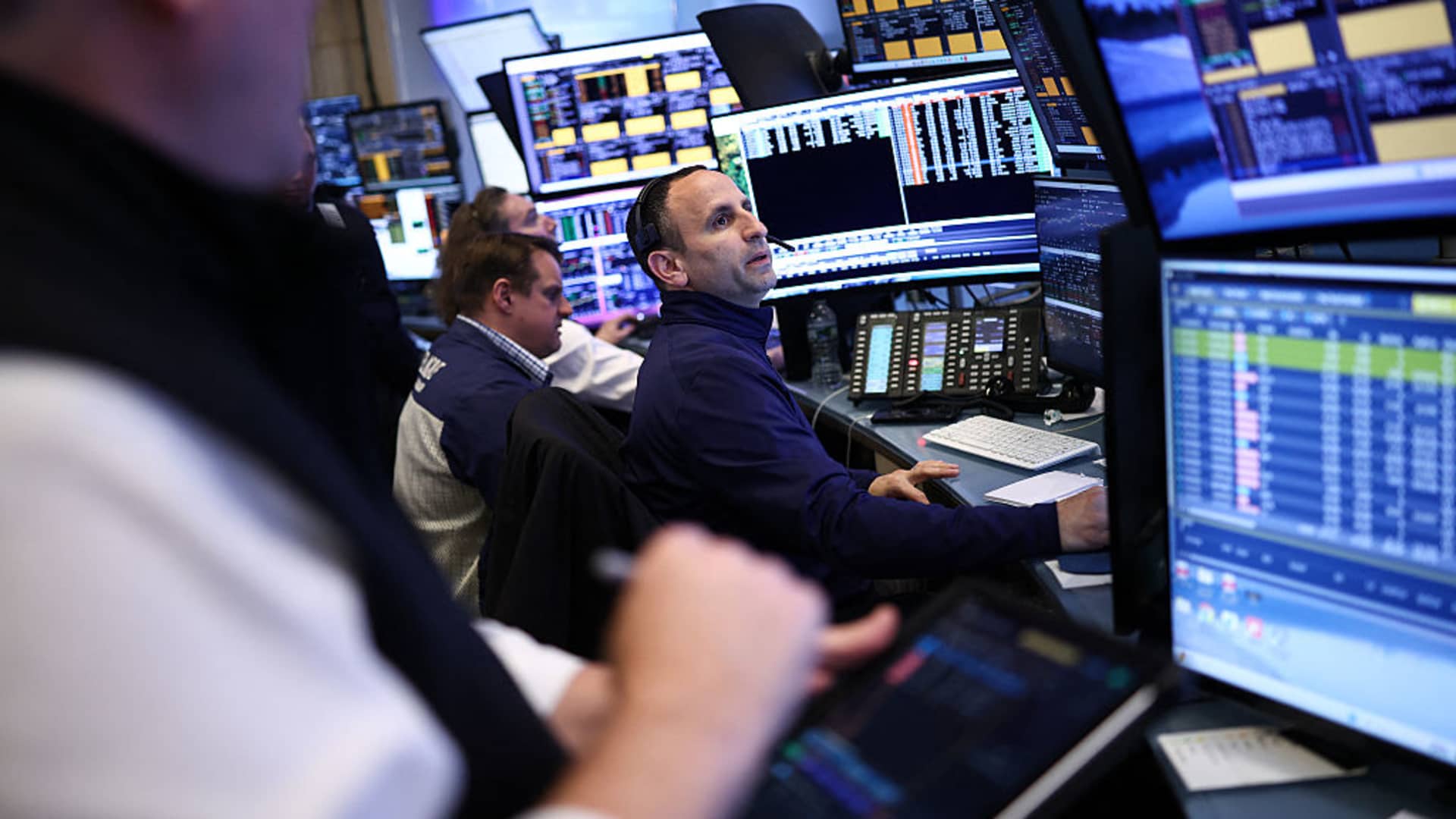
- Market Rebound: The S&P 500 and Nasdaq Composite reached all-time highs this week, with the S&P 500 surpassing 7,100 for the first time, reflecting strong investor confidence in economic recovery and suggesting further upward momentum for equities.
- Earnings Expectations: According to FactSet, the S&P 500 is projected to have a blended growth rate of 12.5% in Q1, with 78% of reporting companies exceeding expectations, providing a positive backdrop for the upcoming earnings season that could further bolster market confidence.
- Oil Price Volatility: While oil prices have fallen to around $80 per barrel, significantly below the $110 peak during the conflict, the market must remain vigilant regarding the potential impacts of U.S.-Iran tensions on global supply chains, particularly concerning the safety of transit through the Strait of Hormuz.
- Technical Fragility: Despite the market's strong short-term performance, analyst Craig Johnson warns that the rapid transition from oversold to overbought conditions masks underlying macroeconomic risks, urging investors to remain cautious and focus on high-quality investment opportunities.

IWD ETF 52-Week Price Fluctuation Analysis

- Price Range Analysis: The IWD ETF has a 52-week low of $171.13 and a high of $227.17, with the last trade at $227.11, indicating the ETF is trading near its high, which may influence investor buying decisions.
- Technical Analysis Tool: Comparing the current price to the 200-day moving average provides investors with a technical analysis reference, helping assess whether the current price is overvalued or undervalued, thus impacting short-term trading strategies.
- ETF Unit Trading Mechanism: ETFs trade like stocks, where investors are actually buying and selling 'units' that can be created or destroyed based on demand, affecting the liquidity and price volatility of the underlying assets.
- Inflows and Outflows Monitoring: Weekly monitoring of changes in ETF units focuses on significant inflows (new units created) or outflows (old units destroyed), which directly impacts the ETF's underlying holdings and market performance.
Philip Morris Secures FDA Renewal for Heated Tobacco Product Authorizations
- FDA Renewal Authorization: The U.S. FDA has announced the renewal of Philip Morris's Modified Risk Tobacco Product (MRTP) authorizations for the IQOS and HEETS products, allowing the company to continue sharing reduced exposure information with U.S. adults aged 21 and over, thereby promoting public health.
- Scientific Basis Support: The FDA's decision is based on scientific studies indicating that switching completely from conventional cigarettes to the IQOS system significantly reduces exposure to harmful chemicals, which is expected to improve the overall health of both smokers and non-smokers, further solidifying PMI's leadership in the heated tobacco market.
- Significant Market Potential: PMI aims to provide better smoke-free alternatives to approximately 25 million legal-age smokers in the U.S., with an estimated 43 million legal-age consumers globally using its smoke-free products by 2025, indicating strong market demand and growth potential.
- Ongoing Investment in Innovation: Since 2008, PMI has invested over $16 billion in the development of smoke-free products, focusing on scientific substantiation and commercialization of innovative products, with the goal of completely ending cigarette sales and driving the industry towards healthier alternatives.
Wall Street Earnings Season Faces Major Test
- Earnings Season Significance: Wall Street is set for a packed earnings season featuring key companies like Capital One and Boeing, with investors eager to glean insights into the economic impact of the Iran war from these reports.
- Capital One Performance Focus: Capital One is scheduled to report earnings on Tuesday, with market attention on its consumer health metrics and the progress of its acquisitions of Discover and Brex, particularly amid rising economic uncertainties.
- Boeing Earnings Outlook: Boeing is expected to release its earnings report on Wednesday, with market focus on order volumes in both its commercial and defense sectors, as well as free cash flow performance, especially after previous unexpected losses.
- GE Vernova Order Growth: GE Vernova will report alongside Boeing, with first-quarter new orders anticipated to reach $14.4 billion, reflecting a 65% year-over-year increase, indicating strong market performance amid rising electricity demand.
PHILIP MORRIS - EXTENDED APPROVAL INCLUDES IQOS 2.4, IQOS 3.0, AND HEETS AMBER, GREEN MENTHOL, BLUE MENTHOL
Renewed Authorization: The article discusses the renewed authorization for various IQOS products, specifically IQOS 2.4 and IQOS 3.0.
Product Coverage: It also covers the inclusion of Heets Amber, Green Menthol, and Blue Menthol in the authorization.
PHILIP MORRIS INTERNATIONAL RECEIVES U.S. FDA REAUTHORIZATION FOR IQOS AS A MODIFIED RISK TOBACCO PRODUCT
- FDA Authorization: The U.S. FDA has authorized the use of IQOS as a modified risk tobacco product.
- Impact on Tobacco Products: This decision allows Philip Morris International to market IQOS with reduced risk claims compared to traditional tobacco products.
Wall Street Optimism Rises Amid Ceasefire Hopes
- Market Rebound: The S&P 500 and Nasdaq Composite reached all-time highs this week, with the S&P 500 surpassing 7,100 for the first time, reflecting strong investor confidence in economic recovery and suggesting further upward momentum for equities.
- Earnings Expectations: According to FactSet, the S&P 500 is projected to have a blended growth rate of 12.5% in Q1, with 78% of reporting companies exceeding expectations, providing a positive backdrop for the upcoming earnings season that could further bolster market confidence.
- Oil Price Volatility: While oil prices have fallen to around $80 per barrel, significantly below the $110 peak during the conflict, the market must remain vigilant regarding the potential impacts of U.S.-Iran tensions on global supply chains, particularly concerning the safety of transit through the Strait of Hormuz.
- Technical Fragility: Despite the market's strong short-term performance, analyst Craig Johnson warns that the rapid transition from oversold to overbought conditions masks underlying macroeconomic risks, urging investors to remain cautious and focus on high-quality investment opportunities.
IWD ETF 52-Week Price Fluctuation Analysis
- Price Range Analysis: The IWD ETF has a 52-week low of $171.13 and a high of $227.17, with the last trade at $227.11, indicating the ETF is trading near its high, which may influence investor buying decisions.
- Technical Analysis Tool: Comparing the current price to the 200-day moving average provides investors with a technical analysis reference, helping assess whether the current price is overvalued or undervalued, thus impacting short-term trading strategies.
- ETF Unit Trading Mechanism: ETFs trade like stocks, where investors are actually buying and selling 'units' that can be created or destroyed based on demand, affecting the liquidity and price volatility of the underlying assets.
- Inflows and Outflows Monitoring: Weekly monitoring of changes in ETF units focuses on significant inflows (new units created) or outflows (old units destroyed), which directly impacts the ETF's underlying holdings and market performance.