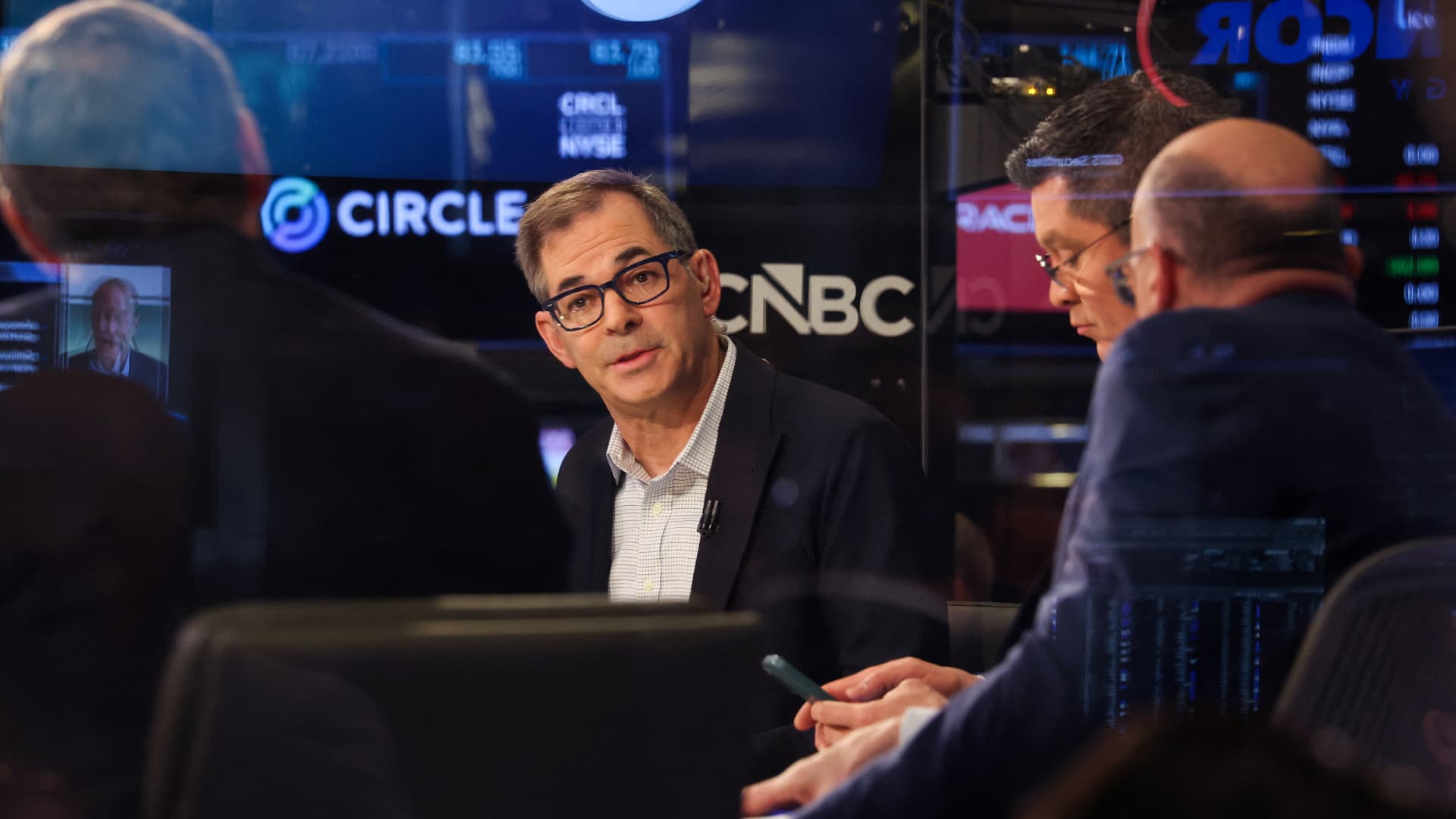
Palo Alto CEO Nikesh Arora confronts Wall Street skeptics after company’s biggest bet yet
Written by Emily J. Thompson, Senior Investment Analyst
Updated: Aug 05 2025
0mins

Should l Buy GOOGL?
Source: CNBC
Palo Alto Networks Acquisition: CEO Nikesh Arora has led Palo Alto Networks to a sixfold increase in market cap since 2018, culminating in a $25 billion acquisition of CyberArk, marking the company's largest deal and positioning it against major competitors like Microsoft and Okta in the identity management space.
Market Reaction and Future Challenges: Despite ambitious growth plans, Wall Street's response has been negative, with stock downgrades following the announcement; analysts express concerns over integration challenges and potential lack of synergies from the acquisition.
Trade with 70% Backtested Accuracy
Stop guessing "Should I Buy GOOGL?" and start using high-conviction signals backed by rigorous historical data.
Sign up today to access powerful investing tools and make smarter, data-driven decisions.
Analyst Views on GOOGL
Wall Street analysts forecast GOOGL stock price to rise
33 Analyst Rating
26 Buy
7 Hold
0 Sell
Strong Buy
Current: 305.460

Low
305.00
Averages
374.25
High
400.00
Current: 305.460
Low
305.00
Averages
374.25
High
400.00
About GOOGL
Alphabet Inc. is a holding company. The Company's segments include Google Services, Google Cloud, and Other Bets. The Google Services segment includes products and services such as ads, Android, Chrome, devices, Google Maps, Google Play, Search, and YouTube. The Google Cloud segment includes infrastructure and platform services, collaboration tools, and other services for enterprise customers. Its Other Bets segment is engaged in the sale of healthcare-related services and Internet services. Its Google Cloud provides enterprise-ready cloud services, including Google Cloud Platform and Google Workspace. Google Cloud Platform provides access to solutions such as artificial intelligence (AI) offerings, including its AI infrastructure, Vertex AI platform, and Gemini for Google Cloud; cybersecurity, and data and analytics. Google Workspace includes cloud-based communication and collaboration tools for enterprises, such as Calendar, Gmail, Docs, Drive, and Meet.
About the author

Emily J. Thompson
Emily J. Thompson, a Chartered Financial Analyst (CFA) with 12 years in investment research, graduated with honors from the Wharton School. Specializing in industrial and technology stocks, she provides in-depth analysis for Intellectia’s earnings and market brief reports.

Alphabet Emerges as a High-Quality Cash Flow Franchise

- Market Environment Improvement: With the establishment of a ceasefire framework in Iran and a sharp decline in oil prices, Alphabet showcases its strong cash flow characteristics at a time when the macro backdrop is shifting towards quality growth, potentially attracting more investor interest in its long-term growth prospects.
- Technical Support Recovery: Alphabet's stock price has reclaimed the $310 resistance level, indicating that market risk appetite for large-cap tech stocks is improving after geopolitical volatility, which could pave the way for further upside.
- AI Full-Stack Advantage: As the only company with comprehensive AI capabilities, Alphabet's strong presence across chips, cloud computing, and research positions it as a leader in the AI market, enhancing investor confidence in its future profitability.
- Self-Funding Cash Flow: Alphabet's ability to aggressively invest in chips and cloud capabilities while generating substantial free cash flow provides it with a significant edge in the AI competition, further solidifying its market position.
See More

Moderna and Target Stocks Show Recovery


- Moderna Stock Surge: Since the beginning of the year, Moderna's stock has surged nearly 70%, driven by the launch of new vaccine products and a focus on seasonal vaccines, with expectations of up to 10% revenue growth this year, indicating a recovery that is attracting investor interest.
- Vaccine Revenue Support: After generating over $18 billion in vaccine revenue in 2022, Moderna is reshaping its revenue structure by introducing new COVID-19 and RSV vaccines, with seasonal vaccines expected to drive the development of other programs.
- Target's Strategic Transformation: Target's stock has risen over 20% since the start of the year, thanks to a $200 million investment plan by new CEO Michael Fiddelke aimed at improving product displays, refreshing the product assortment, and enhancing employee training to boost customer experience and sales growth.
- Competitive Advantage Enhancement: Despite pressure from competitors like Walmart, Target's lower forward P/E ratio of 14x compared to peers indicates greater growth potential, suggesting that its recovery story in the retail market is ongoing and attracting investor attention.
See More

Investors Shift Focus to Healthcare and Retail Stocks
- Market Shift: In an uncertain market, investors are turning to healthcare and retail stocks, perceived as 'safer' investments due to their potential for revenue stability, reflecting concerns over slowing economic growth.
- Moderna's Recovery: Moderna generated over $18 billion from its COVID-19 vaccine during the pandemic's early days, but its stock plummeted 90% as demand waned; however, investors are now returning, anticipating up to 10% revenue growth in 2023 as it focuses on seasonal vaccines, oncology, and rare diseases.
- Target's Transformation: Target benefited from digital initiatives during the pandemic but faced challenges afterward; new CEO Michael Fiddelke has launched a multi-year $2 billion investment plan to enhance product displays and employee training, resulting in a stock price increase of over 20% since the start of the year.
- Investment Opportunities: With increasing market interest in healthcare and retail stocks, the recovery narratives of Moderna and Target are attracting investors, particularly as Target's price-to-earnings ratio stands at just 14 times, significantly lower than its competitors, indicating substantial growth potential ahead.
See More
Meta Commits Additional $21 Billion to AI Infrastructure


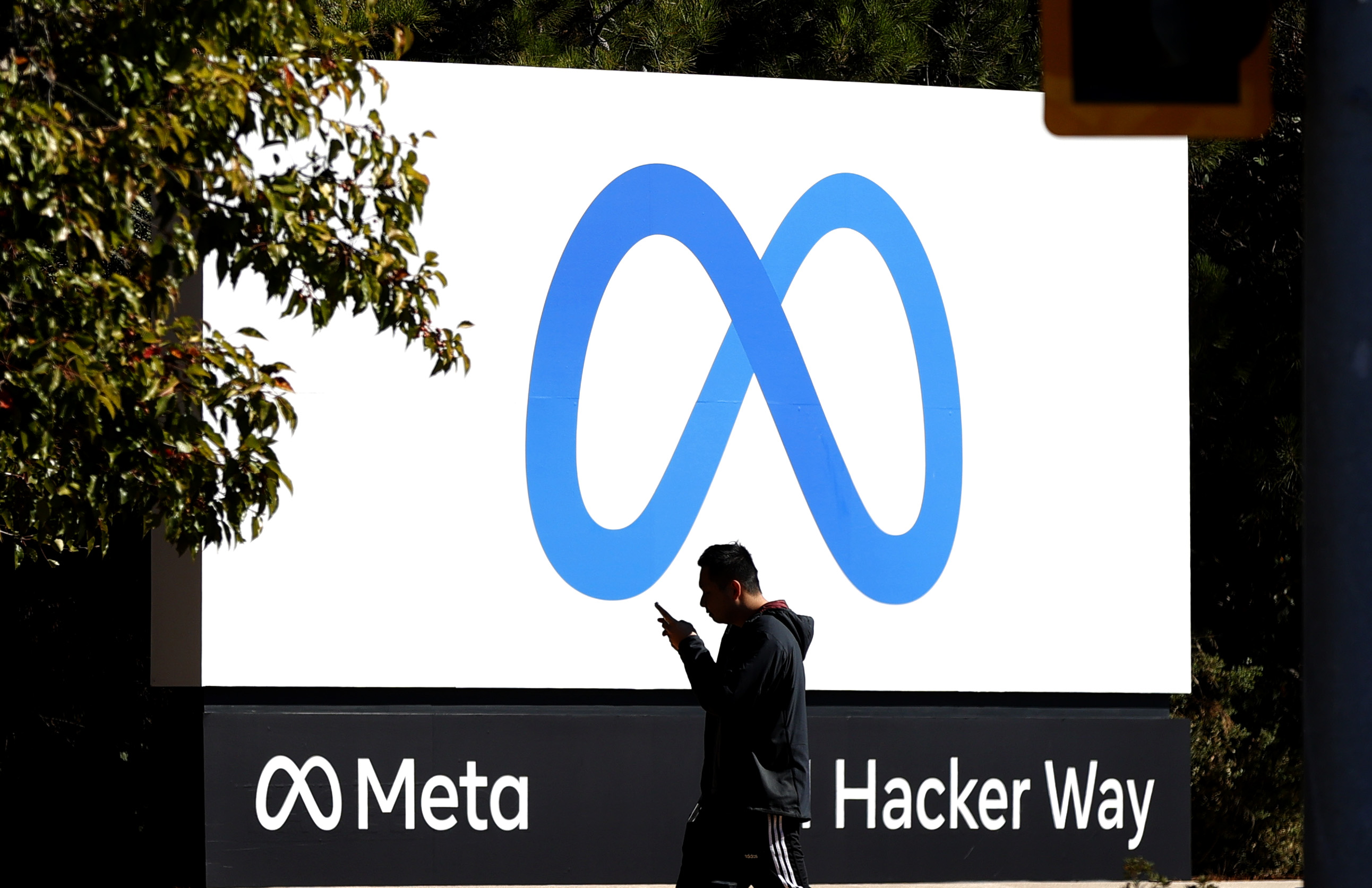
- Investment Expansion: Meta has committed an additional $21 billion to CoreWeave, following a prior agreement of $14.2 billion, highlighting its ongoing focus on AI infrastructure and enhancing its competitive edge in the AI sector.
- Infrastructure Demand: CoreWeave's data centers, equipped with hundreds of thousands of Nvidia GPUs, cater to the needs of hyperscalers like Meta for AI models, indicating Meta's reliance on external infrastructure to meet the immense market demand during rapid expansion.
- Capital Expenditure Plans: Meta plans to spend between $115 billion and $135 billion on capital expenditures in 2023, significantly exceeding Wall Street estimates, reflecting its confidence in AI technology and the potential of its core advertising business.
- Customer Diversification Strategy: CoreWeave's CEO noted that the new agreement will diversify its customer base, reducing reliance on Microsoft, and is expected to strengthen the partnership with Meta, thereby mitigating business risks and enhancing market competitiveness.
See More

Meta Commits $21 Billion to CoreWeave for AI Infrastructure
- Investment Expansion: Meta has announced an additional $21 billion commitment to AI cloud provider CoreWeave, building on a previous $14.2 billion arrangement, which underscores its ongoing focus on AI infrastructure and is expected to significantly enhance its AI capabilities.
- Extended Collaboration Timeline: The new agreement spans from 2027 to 2032, indicating that Meta will continue to rely on CoreWeave's infrastructure in the coming years to meet its growing demand for AI computing power, thereby strengthening its competitive position in the market.
- Core Business Impact: While Meta's advertising business has benefited from AI advancements, it still faces pressure from competitors like OpenAI in the AI model space, and ongoing investments are expected to help it capture a larger market share in this area.
- Financial Health: CoreWeave reported $21 billion in debt at the end of 2025 and recently borrowed $8.5 billion for infrastructure expansion; the partnership with Meta is anticipated to further diversify its customer base and reduce reliance on any single client, mitigating financial risks.
See More
Nasdaq Correction Highlights AI Infrastructure as Investment Opportunity


- Nasdaq Correction: The Nasdaq Composite officially entered correction territory in late March, falling approximately 10% due to macro uncertainties, geopolitical tensions, and rotations away from richly valued tech stocks, yet long-term investors remain optimistic about market opportunities.
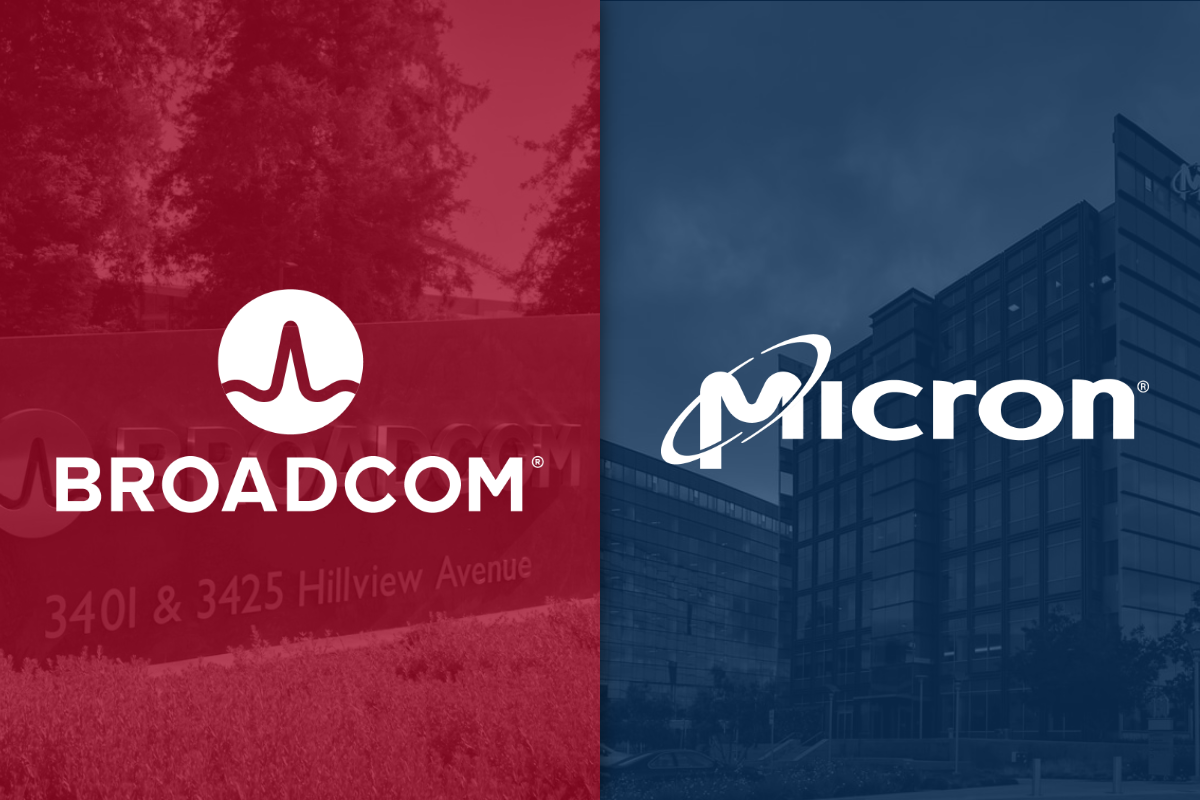
- Micron's Core Position: Micron Technology serves as the memory backbone for AI models, with its high-bandwidth memory (HBM) critical for Nvidia's GPUs, and is expected to grow revenue at triple-digit rates while earnings per share are projected to quadruple, underscoring its significance in AI infrastructure.
- Broadcom's Custom Silicon Advantage: Broadcom designs custom application-specific integrated circuits (ASICs) for major tech firms, establishing long-term customer relationships, and its unique positioning in the AI landscape allows for substantial growth as infrastructure spending accelerates.
- Investment Valuation Assessment: Despite Micron and Broadcom trading at forward P/E ratios of 6 and 28 respectively, indicating relative cheapness, their core roles in AI infrastructure and sustainable growth potential make them attractive options for long-term investors.
See More
Alphabet Emerges as a High-Quality Cash Flow Franchise
- Market Environment Improvement: With the establishment of a ceasefire framework in Iran and a sharp decline in oil prices, Alphabet showcases its strong cash flow characteristics at a time when the macro backdrop is shifting towards quality growth, potentially attracting more investor interest in its long-term growth prospects.
- Technical Support Recovery: Alphabet's stock price has reclaimed the $310 resistance level, indicating that market risk appetite for large-cap tech stocks is improving after geopolitical volatility, which could pave the way for further upside.
- AI Full-Stack Advantage: As the only company with comprehensive AI capabilities, Alphabet's strong presence across chips, cloud computing, and research positions it as a leader in the AI market, enhancing investor confidence in its future profitability.
- Self-Funding Cash Flow: Alphabet's ability to aggressively invest in chips and cloud capabilities while generating substantial free cash flow provides it with a significant edge in the AI competition, further solidifying its market position.
See More
Moderna and Target Stocks Show Recovery
- Moderna Stock Surge: Since the beginning of the year, Moderna's stock has surged nearly 70%, driven by the launch of new vaccine products and a focus on seasonal vaccines, with expectations of up to 10% revenue growth this year, indicating a recovery that is attracting investor interest.
- Vaccine Revenue Support: After generating over $18 billion in vaccine revenue in 2022, Moderna is reshaping its revenue structure by introducing new COVID-19 and RSV vaccines, with seasonal vaccines expected to drive the development of other programs.
- Target's Strategic Transformation: Target's stock has risen over 20% since the start of the year, thanks to a $200 million investment plan by new CEO Michael Fiddelke aimed at improving product displays, refreshing the product assortment, and enhancing employee training to boost customer experience and sales growth.
- Competitive Advantage Enhancement: Despite pressure from competitors like Walmart, Target's lower forward P/E ratio of 14x compared to peers indicates greater growth potential, suggesting that its recovery story in the retail market is ongoing and attracting investor attention.
See More
Investors Shift Focus to Healthcare and Retail Stocks
- Market Shift: In an uncertain market, investors are turning to healthcare and retail stocks, perceived as 'safer' investments due to their potential for revenue stability, reflecting concerns over slowing economic growth.
- Moderna's Recovery: Moderna generated over $18 billion from its COVID-19 vaccine during the pandemic's early days, but its stock plummeted 90% as demand waned; however, investors are now returning, anticipating up to 10% revenue growth in 2023 as it focuses on seasonal vaccines, oncology, and rare diseases.
- Target's Transformation: Target benefited from digital initiatives during the pandemic but faced challenges afterward; new CEO Michael Fiddelke has launched a multi-year $2 billion investment plan to enhance product displays and employee training, resulting in a stock price increase of over 20% since the start of the year.
- Investment Opportunities: With increasing market interest in healthcare and retail stocks, the recovery narratives of Moderna and Target are attracting investors, particularly as Target's price-to-earnings ratio stands at just 14 times, significantly lower than its competitors, indicating substantial growth potential ahead.
See More
Meta Commits Additional $21 Billion to AI Infrastructure
- Investment Expansion: Meta has committed an additional $21 billion to CoreWeave, following a prior agreement of $14.2 billion, highlighting its ongoing focus on AI infrastructure and enhancing its competitive edge in the AI sector.
- Infrastructure Demand: CoreWeave's data centers, equipped with hundreds of thousands of Nvidia GPUs, cater to the needs of hyperscalers like Meta for AI models, indicating Meta's reliance on external infrastructure to meet the immense market demand during rapid expansion.
- Capital Expenditure Plans: Meta plans to spend between $115 billion and $135 billion on capital expenditures in 2023, significantly exceeding Wall Street estimates, reflecting its confidence in AI technology and the potential of its core advertising business.
- Customer Diversification Strategy: CoreWeave's CEO noted that the new agreement will diversify its customer base, reducing reliance on Microsoft, and is expected to strengthen the partnership with Meta, thereby mitigating business risks and enhancing market competitiveness.
See More
Meta Commits $21 Billion to CoreWeave for AI Infrastructure
- Investment Expansion: Meta has announced an additional $21 billion commitment to AI cloud provider CoreWeave, building on a previous $14.2 billion arrangement, which underscores its ongoing focus on AI infrastructure and is expected to significantly enhance its AI capabilities.
- Extended Collaboration Timeline: The new agreement spans from 2027 to 2032, indicating that Meta will continue to rely on CoreWeave's infrastructure in the coming years to meet its growing demand for AI computing power, thereby strengthening its competitive position in the market.
- Core Business Impact: While Meta's advertising business has benefited from AI advancements, it still faces pressure from competitors like OpenAI in the AI model space, and ongoing investments are expected to help it capture a larger market share in this area.
- Financial Health: CoreWeave reported $21 billion in debt at the end of 2025 and recently borrowed $8.5 billion for infrastructure expansion; the partnership with Meta is anticipated to further diversify its customer base and reduce reliance on any single client, mitigating financial risks.
See More
Nasdaq Correction Highlights AI Infrastructure as Investment Opportunity
- Nasdaq Correction: The Nasdaq Composite officially entered correction territory in late March, falling approximately 10% due to macro uncertainties, geopolitical tensions, and rotations away from richly valued tech stocks, yet long-term investors remain optimistic about market opportunities.
- Micron's Core Position: Micron Technology serves as the memory backbone for AI models, with its high-bandwidth memory (HBM) critical for Nvidia's GPUs, and is expected to grow revenue at triple-digit rates while earnings per share are projected to quadruple, underscoring its significance in AI infrastructure.
- Broadcom's Custom Silicon Advantage: Broadcom designs custom application-specific integrated circuits (ASICs) for major tech firms, establishing long-term customer relationships, and its unique positioning in the AI landscape allows for substantial growth as infrastructure spending accelerates.
- Investment Valuation Assessment: Despite Micron and Broadcom trading at forward P/E ratios of 6 and 28 respectively, indicating relative cheapness, their core roles in AI infrastructure and sustainable growth potential make them attractive options for long-term investors.
See More