Oracle Stock Declines Amid AI Investment Pressures
Written by Emily J. Thompson, Senior Investment Analyst
Updated: Feb 23 2026
0mins

Source: Fool
- Stock Price Decline: Oracle's shares fell by 5.8% today, bringing the year-to-date decline to over 28%, primarily due to pressures in the bond and equity markets affecting its ability to fund AI-related expenditures, raising concerns about future revenue.
- Dependence on OpenAI: Oracle's reliance on the loss-making OpenAI has heightened market anxiety, particularly as both Oracle and Microsoft, which have significant exposure to OpenAI, have faced severe stock declines, while Alphabet has outperformed due to its limited exposure.
- Cash Flow vs. Capital Expenditure: The stark contrast between Oracle's free cash flow and capital spending has intensified worries about its financial health, especially following Nvidia's commitment of only $30 billion to OpenAI, far below the anticipated $100 billion.
- Stalled Stargate Project: The Stargate project, a joint venture involving Oracle, OpenAI, and Softbank, has stalled due to ongoing disputes over its structure, further pressuring Oracle's stock as market confidence in its ability to secure funding diminishes, suggesting continued stock pressure ahead.
Trade with 70% Backtested Accuracy
Stop guessing "Should I Buy GOOGL?" and start using high-conviction signals backed by rigorous historical data.
Sign up today to access powerful investing tools and make smarter, data-driven decisions.
Analyst Views on GOOGL
Wall Street analysts forecast GOOGL stock price to rise
33 Analyst Rating
26 Buy
7 Hold
0 Sell
Strong Buy
Current: 337.390

Low
305.00
Averages
374.25
High
400.00
Current: 337.390
Low
305.00
Averages
374.25
High
400.00
About GOOGL
Alphabet Inc. is a holding company. The Company's segments include Google Services, Google Cloud, and Other Bets. The Google Services segment includes products and services such as ads, Android, Chrome, devices, Google Maps, Google Play, Search, and YouTube. The Google Cloud segment includes infrastructure and platform services, collaboration tools, and other services for enterprise customers. Its Other Bets segment is engaged in the sale of healthcare-related services and Internet services. Its Google Cloud provides enterprise-ready cloud services, including Google Cloud Platform and Google Workspace. Google Cloud Platform provides access to solutions such as artificial intelligence (AI) offerings, including its AI infrastructure, Vertex AI platform, and Gemini for Google Cloud; cybersecurity, and data and analytics. Google Workspace includes cloud-based communication and collaboration tools for enterprises, such as Calendar, Gmail, Docs, Drive, and Meet.
About the author

Emily J. Thompson
Emily J. Thompson, a Chartered Financial Analyst (CFA) with 12 years in investment research, graduated with honors from the Wharton School. Specializing in industrial and technology stocks, she provides in-depth analysis for Intellectia’s earnings and market brief reports.
Google Launches Personalized AI Image Generation in Gemini App


- Personalized Image Generation: Google has rolled out a personalized AI image generation feature in its Gemini app, available for free to all eligible users in the U.S., marking a significant innovation in the AI space.
- Smart Connectivity: This new feature integrates Gemini's Personal Intelligence capabilities with Google Photos and the Nano Banana image generation model, allowing users to create images using context from connected Google apps like Gmail and YouTube, enhancing user experience.
- Streamlined Process: Users can generate personalized images using simpler prompts, as Gemini can automatically access relevant photos from Google Photos, eliminating the need for manual uploads and improving convenience.
- Optional Connectivity Settings: Google emphasizes that connecting Google apps to Gemini is optional, and users can change these settings at any time, thereby enhancing user control over privacy and data usage.
See More

Alphabet Soars 4% on Dow Debut, Adding $168 Billion Market Cap

- Dow Debut Performance: Alphabet's stock rose 4% on its first day in the Dow, adding $168 billion in market cap and leading all major indexes, reflecting strong market confidence in its future growth prospects.
- Tesla Collaboration Deepens: Tesla's shares increased by 4.5%, adding $66 billion in market cap due to reports of deepening collaboration with SpaceX, which is expected to positively impact its upcoming second-quarter delivery data and reinforce its leadership in the electric vehicle market.
- Amazon Sales Surge: Amazon's stock gained 4.7% as U.S. shoppers spent $26.4 billion during Prime Day from June 23 to 26, marking a 9.3% increase from last year, indicating robust consumer demand and solidifying its significant contribution to the S&P 500 and Nasdaq Composite.
- Applied Materials Analyst Optimism: Applied Materials surged 9.8% after KeyBanc analysts expressed optimism about its prospects, which could drive further growth in the semiconductor equipment market and enhance investor confidence.
See More

Nasdaq Recovers as Google Market Cap Soars
- Google Market Cap Surge: Alphabet's stock rose 4% during its Dow debut, adding $168 billion in market cap, which highlights its strong market performance and replaces the declining Verizon, indicating a robust recovery in tech stocks.
- Amazon Sales Growth: Amazon reported $26.4 billion in sales during Prime Day, a 9.3% increase year-over-year, with discounts on electronics and toys averaging 20% to 24%, making it the second-largest contributor to the S&P 500 and Nasdaq, showcasing strong consumer spending momentum.
- Tesla Collaboration Deepens: Tesla's stock increased by 4.5%, adding $66 billion in market cap due to deepening collaboration with SpaceX, with upcoming second-quarter delivery data expected to have significant market implications, further solidifying its leadership in the electric vehicle market.
- Applied Materials Strong Performance: Applied Materials surged 9.8% after KeyBanc analysts expressed optimism about its prospects, becoming a significant driver for the stock indexes, reflecting increased market confidence in semiconductor equipment manufacturers.
See More
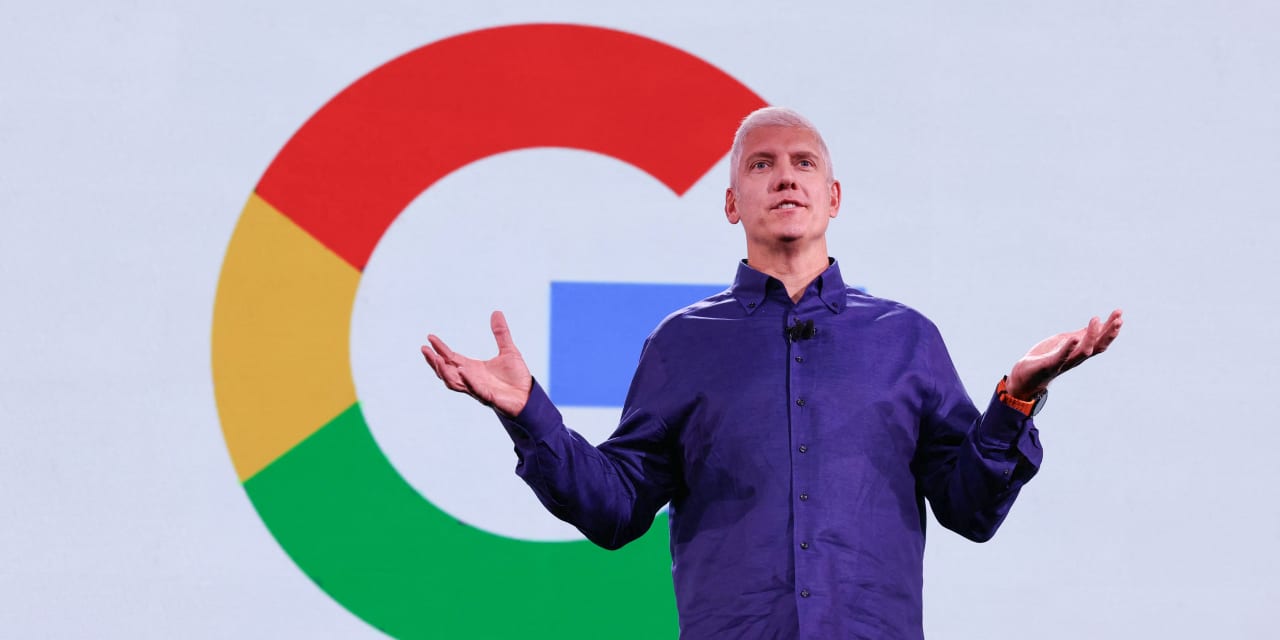
Tech Giants Continue to Drive Market Momentum

- Google's Financial Growth: Alphabet (GOOGL) has achieved a 19% year-over-year increase in search revenue to $60.4 billion by integrating Gemini models into its core search and services, showcasing significant returns on its AI investments and boosting long-term investor confidence.
- Cloud Computing Engine: Google Cloud revenue surged 63% year-over-year to $20 billion, with operating income tripling to $6.6 billion, indicating the company's pivotal role in the shift of enterprise workloads to AI, further solidifying its market position.
- Meta's Ad Optimization: Meta Platforms (META) projects capital expenditures between $125 billion and $145 billion in 2026, leveraging advanced AI and machine learning to optimize ad targeting, resulting in a 33% year-over-year revenue increase to $56.3 billion and a 61% rise in net income to $26.8 billion, highlighting the strength of its advertising engine.
- Microsoft's Market Lock-in: Microsoft (MSFT) has established strong market lock-in through its Windows, Office, and Azure ecosystem, with total revenue growing 18.3% year-over-year to $82.9 billion, and Azure revenue increasing by 40%, reflecting robust demand for AI computing and storage, thereby enhancing the company's profitability.
See More

US Stocks Rise, Led by Technology Sector Gains

- Tech Sector Surge: Major US stock indices rose today, with the Nasdaq 100 up 1.08%, primarily driven by gains in the Magnificent Seven tech stocks, indicating strong market confidence in the technology sector that may attract further investor interest.
- Geopolitical Easing: The US and Iran reached a temporary ceasefire agreement, easing tensions in the Strait of Hormuz, which positively impacted the market as crude oil prices rose over 1%, while reducing demand for safe-haven assets, thus boosting stock prices.
- Economic Confidence Rise: The Eurozone's June economic confidence indicator increased to 95.0, surpassing expectations of 94.3, signaling signs of economic recovery that could influence future monetary policy decisions and further support market sentiment.
- Mixed Stock Performance: Stocks like Amazon and Tesla rose over 4%, while Apple saw a decline of 0.56%, reflecting varied market reactions to different companies, prompting investors to pay attention to individual stock fundamentals.
See More
US Stocks Rebound as Oil Prices Stabilize


- Market Rebound: The S&P 500 rose on Monday, bouncing back from last week's pullback, indicating resilience in the market and a recovery in investor confidence for future performance.
- Oil Price Dynamics: West Texas Intermediate crude advanced to about $70 per barrel after Iran and the U.S. agreed to a ceasefire, allowing commercial vessels to pass freely through the Strait of Hormuz, which helps stabilize oil prices and may influence bond yields.
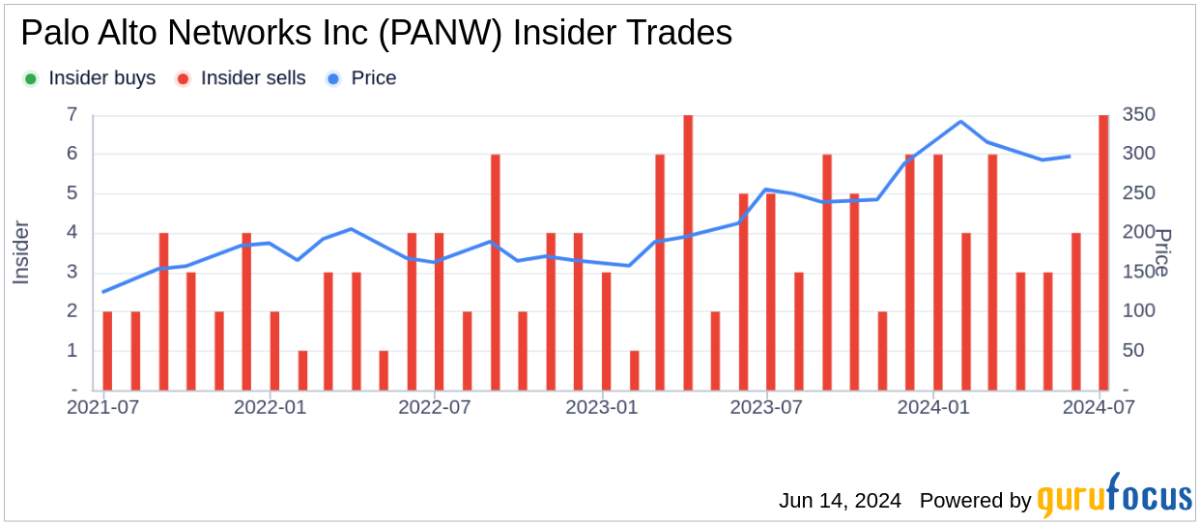
- Cybersecurity Stock Performance: Shares of Palo Alto Networks rose approximately 7.5%, while CrowdStrike jumped over 6%, driven by increased demand for cybersecurity as Chinese AI systems can now identify vulnerabilities, enhancing the urgency for robust cybersecurity measures.
- Investor Strategy: Jim Cramer noted that despite challenges faced by megacap tech stocks due to shifting market dynamics, there remains an opportunity to regain market trust through strategic adjustments, urging investors to stay informed on these developments to optimize their portfolios.
See More
Google Launches Personalized AI Image Generation in Gemini App
- Personalized Image Generation: Google has rolled out a personalized AI image generation feature in its Gemini app, available for free to all eligible users in the U.S., marking a significant innovation in the AI space.
- Smart Connectivity: This new feature integrates Gemini's Personal Intelligence capabilities with Google Photos and the Nano Banana image generation model, allowing users to create images using context from connected Google apps like Gmail and YouTube, enhancing user experience.
- Streamlined Process: Users can generate personalized images using simpler prompts, as Gemini can automatically access relevant photos from Google Photos, eliminating the need for manual uploads and improving convenience.
- Optional Connectivity Settings: Google emphasizes that connecting Google apps to Gemini is optional, and users can change these settings at any time, thereby enhancing user control over privacy and data usage.
See More
Alphabet Soars 4% on Dow Debut, Adding $168 Billion Market Cap
- Dow Debut Performance: Alphabet's stock rose 4% on its first day in the Dow, adding $168 billion in market cap and leading all major indexes, reflecting strong market confidence in its future growth prospects.
- Tesla Collaboration Deepens: Tesla's shares increased by 4.5%, adding $66 billion in market cap due to reports of deepening collaboration with SpaceX, which is expected to positively impact its upcoming second-quarter delivery data and reinforce its leadership in the electric vehicle market.
- Amazon Sales Surge: Amazon's stock gained 4.7% as U.S. shoppers spent $26.4 billion during Prime Day from June 23 to 26, marking a 9.3% increase from last year, indicating robust consumer demand and solidifying its significant contribution to the S&P 500 and Nasdaq Composite.
- Applied Materials Analyst Optimism: Applied Materials surged 9.8% after KeyBanc analysts expressed optimism about its prospects, which could drive further growth in the semiconductor equipment market and enhance investor confidence.
See More
Nasdaq Recovers as Google Market Cap Soars
- Google Market Cap Surge: Alphabet's stock rose 4% during its Dow debut, adding $168 billion in market cap, which highlights its strong market performance and replaces the declining Verizon, indicating a robust recovery in tech stocks.
- Amazon Sales Growth: Amazon reported $26.4 billion in sales during Prime Day, a 9.3% increase year-over-year, with discounts on electronics and toys averaging 20% to 24%, making it the second-largest contributor to the S&P 500 and Nasdaq, showcasing strong consumer spending momentum.
- Tesla Collaboration Deepens: Tesla's stock increased by 4.5%, adding $66 billion in market cap due to deepening collaboration with SpaceX, with upcoming second-quarter delivery data expected to have significant market implications, further solidifying its leadership in the electric vehicle market.
- Applied Materials Strong Performance: Applied Materials surged 9.8% after KeyBanc analysts expressed optimism about its prospects, becoming a significant driver for the stock indexes, reflecting increased market confidence in semiconductor equipment manufacturers.
See More
Tech Giants Continue to Drive Market Momentum
- Google's Financial Growth: Alphabet (GOOGL) has achieved a 19% year-over-year increase in search revenue to $60.4 billion by integrating Gemini models into its core search and services, showcasing significant returns on its AI investments and boosting long-term investor confidence.
- Cloud Computing Engine: Google Cloud revenue surged 63% year-over-year to $20 billion, with operating income tripling to $6.6 billion, indicating the company's pivotal role in the shift of enterprise workloads to AI, further solidifying its market position.
- Meta's Ad Optimization: Meta Platforms (META) projects capital expenditures between $125 billion and $145 billion in 2026, leveraging advanced AI and machine learning to optimize ad targeting, resulting in a 33% year-over-year revenue increase to $56.3 billion and a 61% rise in net income to $26.8 billion, highlighting the strength of its advertising engine.
- Microsoft's Market Lock-in: Microsoft (MSFT) has established strong market lock-in through its Windows, Office, and Azure ecosystem, with total revenue growing 18.3% year-over-year to $82.9 billion, and Azure revenue increasing by 40%, reflecting robust demand for AI computing and storage, thereby enhancing the company's profitability.
See More
US Stocks Rise, Led by Technology Sector Gains
- Tech Sector Surge: Major US stock indices rose today, with the Nasdaq 100 up 1.08%, primarily driven by gains in the Magnificent Seven tech stocks, indicating strong market confidence in the technology sector that may attract further investor interest.
- Geopolitical Easing: The US and Iran reached a temporary ceasefire agreement, easing tensions in the Strait of Hormuz, which positively impacted the market as crude oil prices rose over 1%, while reducing demand for safe-haven assets, thus boosting stock prices.
- Economic Confidence Rise: The Eurozone's June economic confidence indicator increased to 95.0, surpassing expectations of 94.3, signaling signs of economic recovery that could influence future monetary policy decisions and further support market sentiment.
- Mixed Stock Performance: Stocks like Amazon and Tesla rose over 4%, while Apple saw a decline of 0.56%, reflecting varied market reactions to different companies, prompting investors to pay attention to individual stock fundamentals.
See More
US Stocks Rebound as Oil Prices Stabilize
- Market Rebound: The S&P 500 rose on Monday, bouncing back from last week's pullback, indicating resilience in the market and a recovery in investor confidence for future performance.
- Oil Price Dynamics: West Texas Intermediate crude advanced to about $70 per barrel after Iran and the U.S. agreed to a ceasefire, allowing commercial vessels to pass freely through the Strait of Hormuz, which helps stabilize oil prices and may influence bond yields.
- Cybersecurity Stock Performance: Shares of Palo Alto Networks rose approximately 7.5%, while CrowdStrike jumped over 6%, driven by increased demand for cybersecurity as Chinese AI systems can now identify vulnerabilities, enhancing the urgency for robust cybersecurity measures.
- Investor Strategy: Jim Cramer noted that despite challenges faced by megacap tech stocks due to shifting market dynamics, there remains an opportunity to regain market trust through strategic adjustments, urging investors to stay informed on these developments to optimize their portfolios.
See More