

Trump's Tariff Moves Shake Global Trade
Supreme Court Ruling and New Tariff Policy
The U.S. Supreme Court ruled against the Trump administration’s use of the International Emergency Economic Powers Act (IEEPA) to impose sweeping tariffs, declaring the move an overreach of executive authority. The 6-3 decision invalidated a key component of Trump's second-term trade strategy, which had heavily relied on the IEEPA to levy duties on various imports. This ruling has left a significant gap in the administration's trade policy framework.
In response, President Trump announced a new 15% global tariff under Section 122 of the Trade Act of 1974. This statute allows the president to impose temporary tariffs for up to 150 days to address trade deficits, provided that Congress approves any extensions beyond this period. The policy shift, effective February 24, aims to maintain leverage in global trade discussions while circumventing the Supreme Court’s restrictions. However, legal experts have raised questions about whether the new tariffs could also face legal challenges.
Impact on Global Trade and Partners
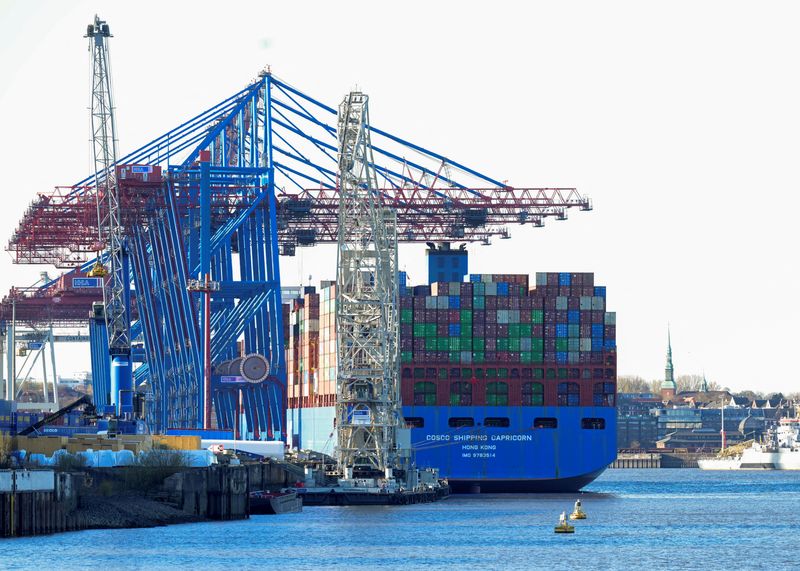
The European Union delayed ratification of its trade deal with the U.S., citing the need for clarity on the new tariff measures. This postponement highlights the uncertainty introduced by the latest developments, particularly as the Trump administration has indicated plans to use the 15% tariff as a blanket measure for all trading partners. EU officials have expressed concerns about the stability of trade agreements under the new regime, with some members urging a reevaluation of the bloc's approach to U.S. trade policy.
China, on the other hand, is poised to capitalize on the situation. The Supreme Court’s decision has provided Beijing with additional leverage ahead of scheduled trade negotiations with President Trump in late March. Analysts predict that China will use this opportunity to push for more favorable terms, especially as the U.S. seeks to stabilize its trade framework. These developments underscore the shifting dynamics in global trade as countries reassess their strategies in light of U.S. tariff policies.
Economic and Market Reactions
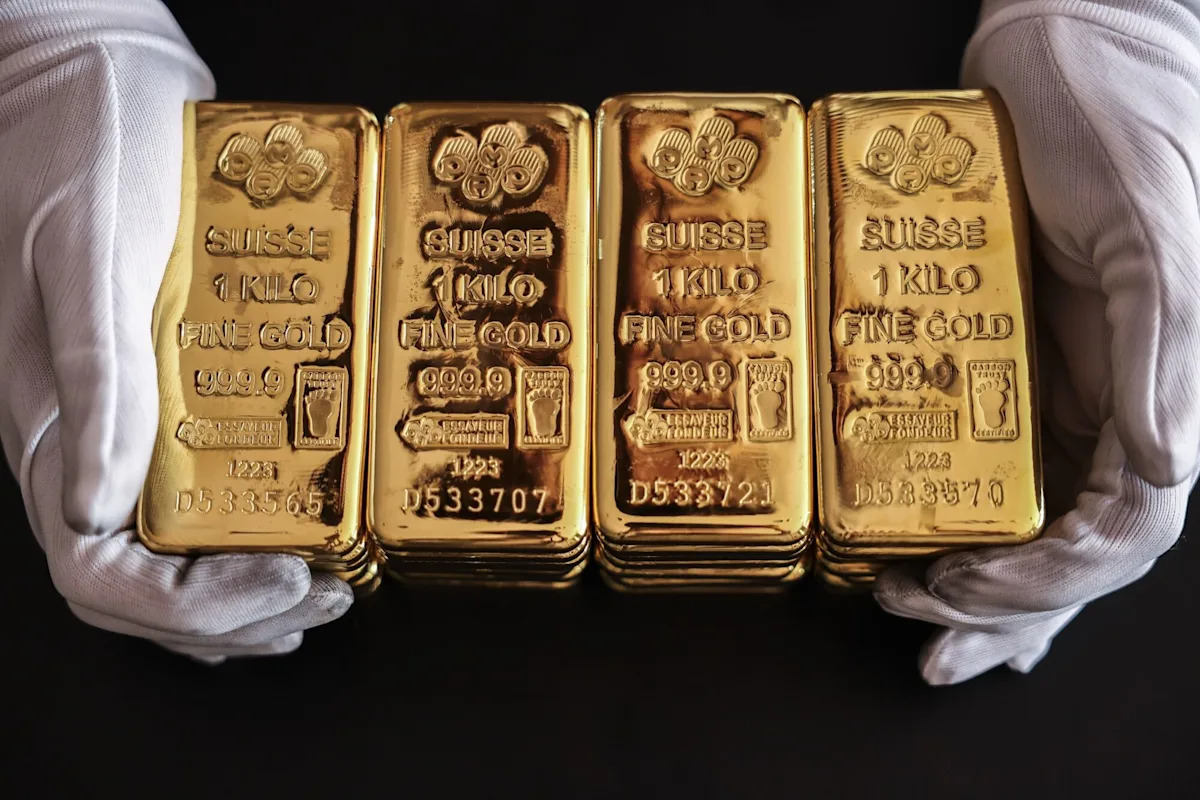
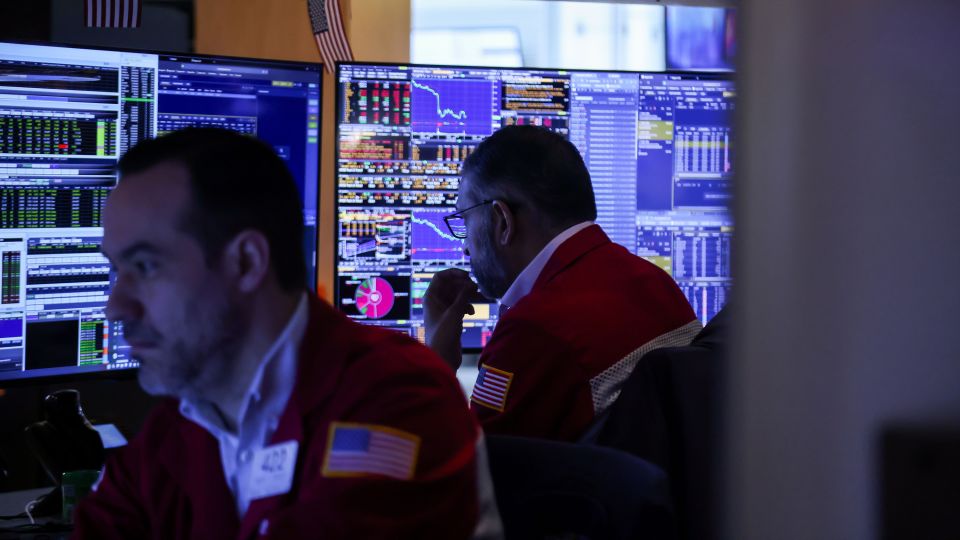
The announcement of the 15% global tariff has triggered significant volatility across financial markets. U.S. stock futures fell, with the Dow Jones Industrial Average and S&P 500 both down 0.3%, while the Nasdaq 100 dropped 0.4%. Commodities also reacted, with gold prices rising 1% as investors sought safe-haven assets, while oil prices slipped by 0.7%. The U.S. dollar weakened slightly, trading 0.1% lower.
Businesses are grappling with the implications of the new tariff policy, particularly the lack of clarity on refunds for importers who paid duties under the now-invalidated IEEPA tariffs. Estimates suggest that up to $100 billion in tariffs collected under the old regime could be subject to refund claims, adding further uncertainty to an already complex trade environment. Economists warn that these developments could dampen consumer spending and exacerbate inflationary pressures, further straining the U.S. economy.
 Sources

About the author







- Trump tariffs live updates: Trump raises 'global' tariff 15%; stop collecting duties deemed illegal
 yahoo
yahoo - Trump vows higher tariffs countries 'play games' existing trade deals
 bbc
bbc - Trump tariffs live updates: Trump raises 'global' tariff 15%; EU postpones vote dealyahoo
- Veteran CEO: President Trump's chaotic tariff policy workingyahoo