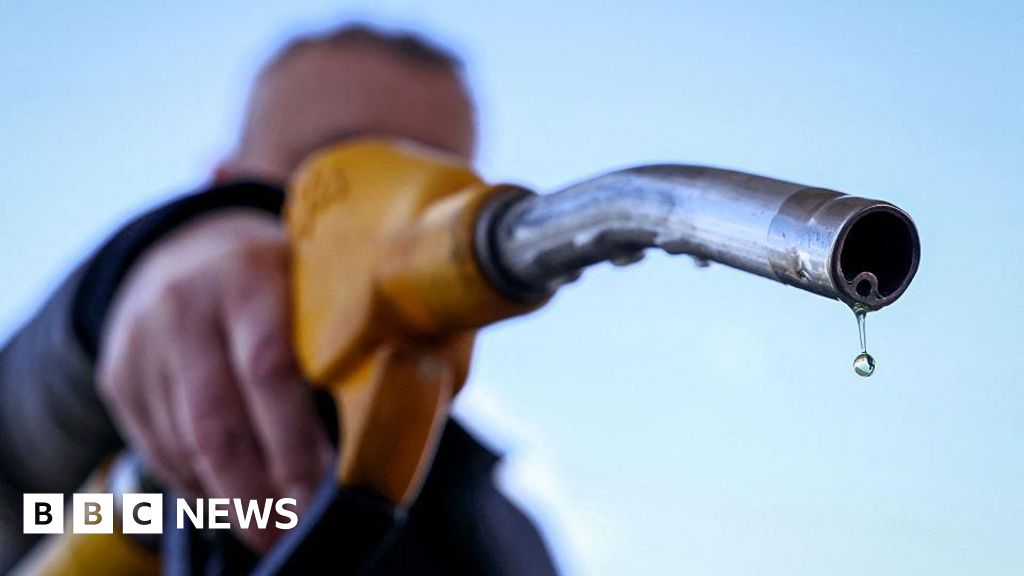
Oil Prices Surpass $90, Gasoline Prices Surge
Written by Emily J. Thompson, Senior Investment Analyst
Updated: 4 days ago
0mins


Should l Buy CVX?
Source: Benzinga
- Oil Price Milestone: As of October 2023, West Texas Intermediate crude has surged above $90 per barrel for the first time, directly influencing rising gasoline prices in the U.S. and reflecting a sharp increase in global crude benchmarks due to escalating tensions in Iran.
- Gasoline Price Surge: According to the American Automobile Association (AAA), the national average gasoline price reached $3.320 per gallon on March 6, marking an 11.3% increase from $2.982 just a week earlier, representing one of the sharpest price hikes in recent years.
- Diesel Price Spike: Diesel, essential for freight transport and agriculture, saw a 15.3% increase in just one week, reaching $4.330 per gallon, indicating a rapid rise in crude input costs for refiners amid the ongoing crisis.
- California's High Prices: As of March 6, California's average gasoline price stands at $4.905 per gallon, significantly above the national average, with some cities like San Rafael exceeding the $5 mark, which historically correlates with reduced driving demand.
Trade with 70% Backtested Accuracy
Stop guessing "Should I Buy CVX?" and start using high-conviction signals backed by rigorous historical data.
Sign up today to access powerful investing tools and make smarter, data-driven decisions.
Analyst Views on CVX
Wall Street analysts forecast CVX stock price to fall
19 Analyst Rating
15 Buy
4 Hold
0 Sell
Strong Buy
Current: 186.290

Low
158.00
Averages
176.95
High
206.00
Current: 186.290
Low
158.00
Averages
176.95
High
206.00
About CVX
Chevron Corporation is an integrated energy company. The Company produces crude oil and natural gas; manufactures transportation fuels, lubricants, petrochemicals and additives; and develops technologies that enhance its business and industry. The Company’s segments include Upstream and Downstream. Upstream operations consist primarily of exploring for, developing, producing and transporting crude oil and natural gas; liquefaction, transportation and regasification associated with LNG; transporting crude oil by major international oil export pipelines; processing, transporting, storage and marketing of natural gas; carbon capture and storage; and a gas-to-liquids plant. Downstream operations consist primarily of the refining of crude oil into petroleum products; marketing crude oil, refined products, and lubricants; manufacturing and marketing of renewable fuels, and transporting of crude oil and refined products by pipeline, marine vessel, motor equipment and rail car.
About the author

Emily J. Thompson
Emily J. Thompson, a Chartered Financial Analyst (CFA) with 12 years in investment research, graduated with honors from the Wharton School. Specializing in industrial and technology stocks, she provides in-depth analysis for Intellectia’s earnings and market brief reports.
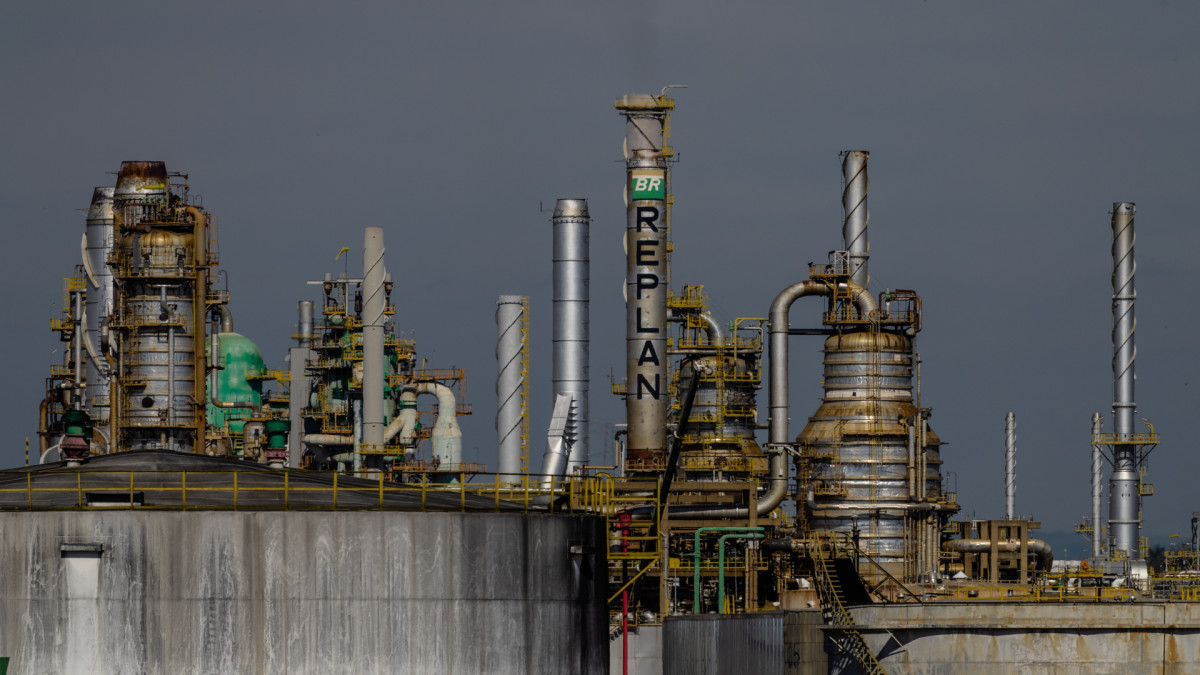
Venezuela Resumes Oil Exports Amid Geopolitical Tensions

- Oil Export Resumption: Venezuela has resumed exports of diluted crude oil (DCO) for the first time in 15 months, with Chevron shipping 500,000 barrels to the U.S. Gulf Coast this month, a small volume but significant given the current geopolitical tensions.
- Shifting Market Demand: DCO is essential for specific refineries, and with the Iran conflict disrupting shipping through the Strait of Hormuz, Venezuela's oil exports have become a crucial alternative supply, ensuring stability in the U.S. market.
- Strategic Advantage Emerges: Venezuela's oil exports bypass the Strait of Hormuz entirely, mitigating current supply risks, with output expected to rise to 1.1 to 1.2 million barrels per day by year-end if sanctions are lifted, significantly impacting the global supply outlook.
- Policy Changes Drive Production: A shift in U.S. sanctions policy has allowed Chevron to operate under an indefinite license, and the new Hydrocarbon Law enhances foreign investment, boosting Venezuela's oil production capabilities.
See More

ITOT ETF 52-Week Price Analysis

- Price Range Analysis: The ITOT ETF has a 52-week low of $105 per share and a high of $152.71, with the latest trade at $147.50, indicating a relatively strong performance in the current market.
- Technical Analysis Tool: Comparing the latest share price to the 200-day moving average provides valuable insights for investors, helping to assess market trends and potential buying opportunities.
- ETF Unit Trading Mechanism: ETFs trade similarly to stocks, where investors buy and sell 'units' that can be created or destroyed based on investor demand, impacting liquidity and market performance.
- Inflows and Outflows Monitoring: Weekly monitoring of changes in ETF units focuses on significant inflows (new units created) or outflows (old units destroyed), which directly affects the underlying holdings of the ETF and market dynamics.
See More
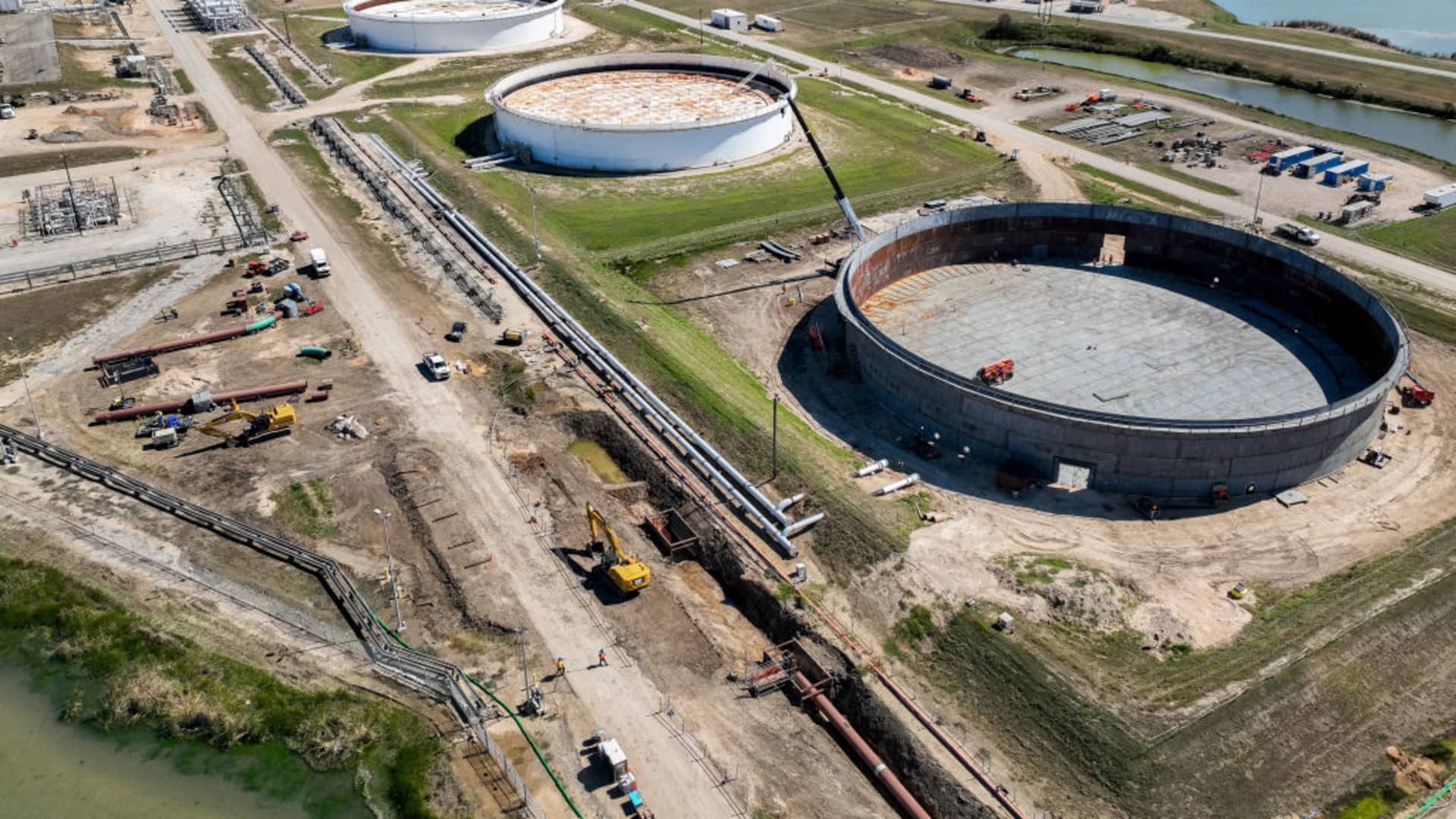
IEA Announces Historic Release of Oil Reserves

- Historic Release: The International Energy Agency (IEA) has decided to release 400 million barrels of oil to address supply disruptions caused by the Iran war, marking the largest emergency oil stock release in the agency's history, aimed at alleviating the global energy security crisis.
- Market Impact: IEA Executive Director Fatih Birol emphasized that while the release is designed to address the immediate impacts of supply disruption, the resumption of tanker traffic through the Strait of Hormuz is crucial for stabilizing global markets, as approximately 20% of global oil and gas typically transits through this corridor.
- Price Volatility: Since the outbreak of the Iran war on February 28, global benchmark Brent crude prices have experienced extreme volatility, peaking near $120 per barrel before falling back below $90, indicating the market's sensitivity to supply disruptions.
- Japan's Initiative: Japanese Prime Minister Sanae Takaichi announced plans to release oil from national reserves as early as the 16th of this month to address the country's high dependence on the Middle East, reflecting the urgency and proactive measures taken by nations in response to the energy crisis.
See More

Inflation Report Impacted by U.S.-Iran War

- Inflation Data Overview: The Bureau of Labor Statistics reported a 0.3% increase in the consumer price index for February from January and a 2.4% year-over-year rise, which, while aligning with economists' forecasts, is considered outdated in the context of the ongoing war.
- Energy Price Volatility: Following U.S. and Israeli strikes on Iran, West Texas Intermediate crude oil prices surged above $100 earlier this week but have since fallen to around $86 per barrel, with national gasoline prices exceeding $3.50 per gallon, indicating significant market uncertainty.
- Fed Policy Outlook: The Federal Reserve is grappling with the dilemma of balancing inflation control and labor market support, with analysts predicting that CPI readings could rise above 3% in the next 12 months, significantly higher than the current 2.4% rate.
- Market Reaction Expectations: Analysts generally view the inflation report as superficially positive, but due to the volatility in energy prices, they anticipate muted reactions in financial markets, reflecting a
See More

Market Update: Oil Price Surge and Corporate Earnings

- Oil Price Volatility: U.S. crude prices surged 4% due to reports of cargo ship attacks off Iran's coast, putting pressure on stocks and indicating ongoing geopolitical risks affecting market sentiment as the S&P 500 is set for a slightly lower open.
- Oracle's Strong Earnings: Oracle's quarterly results exceeded expectations, leading to a stock price increase of over 9%, with smooth AI buildout and remaining performance obligations exceeding $500 billion, highlighting the company's robust market position and growth potential.
- Kohl's Price Target Cut: Goldman Sachs lowered its price target for Kohl's from $15 to $13 while maintaining a sell rating, citing mixed quarterly results and decelerating same-store sales, reflecting challenges in the retail sector.
- Nike Upgrade: Barclays upgraded Nike from hold to buy, raising the price target from $64 to $73, arguing that tariff risks have eased, and management's progress in inventory management and margin stabilization provides a solid foundation for investment.
See More

U.S. Interior Secretary Calls for Oil Reserve Release Amid Iran War Disruption

- Supply Disruption Response: U.S. Interior Secretary Doug Burgum stated that the International Energy Agency should release oil reserves to address the supply disruption caused by the Iran war, emphasizing that there is not a global energy shortage but rather a transit issue.
- Historic Reserve Release: The IEA has proposed releasing 400 million barrels of oil, which would mark the largest reserve release in the organization's history, aimed at alleviating pressure on global oil prices.
- Japan's Independent Action: Japanese Prime Minister Takaichi Sanae announced that Tokyo plans to independently release stockpiled oil as early as Monday, demonstrating proactive measures by countries to address the supply crisis.
- Strait Security Risks: The Iran war has jeopardized the safety of transit through the Strait of Hormuz, leading to the largest oil supply disruption in history, with approximately 20% of global petroleum consumption passing through this critical passage, highlighting the urgency of the current situation.
See More
Venezuela Resumes Oil Exports Amid Geopolitical Tensions
- Oil Export Resumption: Venezuela has resumed exports of diluted crude oil (DCO) for the first time in 15 months, with Chevron shipping 500,000 barrels to the U.S. Gulf Coast this month, a small volume but significant given the current geopolitical tensions.
- Shifting Market Demand: DCO is essential for specific refineries, and with the Iran conflict disrupting shipping through the Strait of Hormuz, Venezuela's oil exports have become a crucial alternative supply, ensuring stability in the U.S. market.
- Strategic Advantage Emerges: Venezuela's oil exports bypass the Strait of Hormuz entirely, mitigating current supply risks, with output expected to rise to 1.1 to 1.2 million barrels per day by year-end if sanctions are lifted, significantly impacting the global supply outlook.
- Policy Changes Drive Production: A shift in U.S. sanctions policy has allowed Chevron to operate under an indefinite license, and the new Hydrocarbon Law enhances foreign investment, boosting Venezuela's oil production capabilities.
See More
ITOT ETF 52-Week Price Analysis
- Price Range Analysis: The ITOT ETF has a 52-week low of $105 per share and a high of $152.71, with the latest trade at $147.50, indicating a relatively strong performance in the current market.
- Technical Analysis Tool: Comparing the latest share price to the 200-day moving average provides valuable insights for investors, helping to assess market trends and potential buying opportunities.
- ETF Unit Trading Mechanism: ETFs trade similarly to stocks, where investors buy and sell 'units' that can be created or destroyed based on investor demand, impacting liquidity and market performance.
- Inflows and Outflows Monitoring: Weekly monitoring of changes in ETF units focuses on significant inflows (new units created) or outflows (old units destroyed), which directly affects the underlying holdings of the ETF and market dynamics.
See More
IEA Announces Historic Release of Oil Reserves
- Historic Release: The International Energy Agency (IEA) has decided to release 400 million barrels of oil to address supply disruptions caused by the Iran war, marking the largest emergency oil stock release in the agency's history, aimed at alleviating the global energy security crisis.
- Market Impact: IEA Executive Director Fatih Birol emphasized that while the release is designed to address the immediate impacts of supply disruption, the resumption of tanker traffic through the Strait of Hormuz is crucial for stabilizing global markets, as approximately 20% of global oil and gas typically transits through this corridor.
- Price Volatility: Since the outbreak of the Iran war on February 28, global benchmark Brent crude prices have experienced extreme volatility, peaking near $120 per barrel before falling back below $90, indicating the market's sensitivity to supply disruptions.
- Japan's Initiative: Japanese Prime Minister Sanae Takaichi announced plans to release oil from national reserves as early as the 16th of this month to address the country's high dependence on the Middle East, reflecting the urgency and proactive measures taken by nations in response to the energy crisis.
See More
Inflation Report Impacted by U.S.-Iran War
- Inflation Data Overview: The Bureau of Labor Statistics reported a 0.3% increase in the consumer price index for February from January and a 2.4% year-over-year rise, which, while aligning with economists' forecasts, is considered outdated in the context of the ongoing war.
- Energy Price Volatility: Following U.S. and Israeli strikes on Iran, West Texas Intermediate crude oil prices surged above $100 earlier this week but have since fallen to around $86 per barrel, with national gasoline prices exceeding $3.50 per gallon, indicating significant market uncertainty.
- Fed Policy Outlook: The Federal Reserve is grappling with the dilemma of balancing inflation control and labor market support, with analysts predicting that CPI readings could rise above 3% in the next 12 months, significantly higher than the current 2.4% rate.
- Market Reaction Expectations: Analysts generally view the inflation report as superficially positive, but due to the volatility in energy prices, they anticipate muted reactions in financial markets, reflecting a
See More
Market Update: Oil Price Surge and Corporate Earnings
- Oil Price Volatility: U.S. crude prices surged 4% due to reports of cargo ship attacks off Iran's coast, putting pressure on stocks and indicating ongoing geopolitical risks affecting market sentiment as the S&P 500 is set for a slightly lower open.
- Oracle's Strong Earnings: Oracle's quarterly results exceeded expectations, leading to a stock price increase of over 9%, with smooth AI buildout and remaining performance obligations exceeding $500 billion, highlighting the company's robust market position and growth potential.
- Kohl's Price Target Cut: Goldman Sachs lowered its price target for Kohl's from $15 to $13 while maintaining a sell rating, citing mixed quarterly results and decelerating same-store sales, reflecting challenges in the retail sector.
- Nike Upgrade: Barclays upgraded Nike from hold to buy, raising the price target from $64 to $73, arguing that tariff risks have eased, and management's progress in inventory management and margin stabilization provides a solid foundation for investment.
See More
U.S. Interior Secretary Calls for Oil Reserve Release Amid Iran War Disruption
- Supply Disruption Response: U.S. Interior Secretary Doug Burgum stated that the International Energy Agency should release oil reserves to address the supply disruption caused by the Iran war, emphasizing that there is not a global energy shortage but rather a transit issue.
- Historic Reserve Release: The IEA has proposed releasing 400 million barrels of oil, which would mark the largest reserve release in the organization's history, aimed at alleviating pressure on global oil prices.
- Japan's Independent Action: Japanese Prime Minister Takaichi Sanae announced that Tokyo plans to independently release stockpiled oil as early as Monday, demonstrating proactive measures by countries to address the supply crisis.
- Strait Security Risks: The Iran war has jeopardized the safety of transit through the Strait of Hormuz, leading to the largest oil supply disruption in history, with approximately 20% of global petroleum consumption passing through this critical passage, highlighting the urgency of the current situation.
See More