Oil Prices Surge Amid War, Stocks Remain Flat
Written by Emily J. Thompson, Senior Investment Analyst
Updated: 2 days ago
0mins
Source: NASDAQ.COM
- Surge in Oil Prices: Since the onset of the war, Brent crude has risen over 25% to more than $93 per barrel, while WTI has surged 35% to over $91, indicating significant market impacts from geopolitical tensions.
- Supply Chain Risks: Iran produces about 3.5 million barrels of oil daily, roughly 4% of global output, and its production constraints due to the war could significantly affect global supply, particularly through the Strait of Hormuz, which handles about 20% of the world's oil supply.
- Muted Market Response: Despite soaring oil prices, major oil companies like ConocoPhillips, Chevron, and ExxonMobil have seen only modest stock price increases, reflecting a lack of investor optimism regarding sustained high oil prices and concerns over future supply recovery.
- Uncertain Future Outlook: While oil prices may continue to rise in the short term, analysts predict that if disruptions in the Strait of Hormuz persist, prices could exceed $100 per barrel; however, if the situation stabilizes, prices could quickly fall, putting downward pressure on oil stocks.
Trade with 70% Backtested Accuracy
Stop guessing "Should I Buy COP?" and start using high-conviction signals backed by rigorous historical data.
Sign up today to access powerful investing tools and make smarter, data-driven decisions.
Analyst Views on COP
Wall Street analysts forecast COP stock price to rise
19 Analyst Rating
15 Buy
3 Hold
1 Sell
Moderate Buy
Current: 114.150

Low
98.00
Averages
115.67
High
133.00
Current: 114.150
Low
98.00
Averages
115.67
High
133.00
About COP
ConocoPhillips is an exploration and production company. Its Alaska segment primarily explores for, produces, transports and markets crude oil, natural gas and NGLs. The Lower 48 segment consists of operations located in the 48 contiguous states in the United States and the Gulf of Mexico. Canadian operations consist of the Surmont oil sands development in Alberta, the liquids-rich Montney unconventional play in British Columbia and commercial operations. The Europe, Middle East and North Africa segment consists of operations principally located in the Norwegian sector of the North Sea, the Norwegian Sea, Qatar, Libya, Equatorial Guinea and commercial and terminalling operations in the United Kingdom. Asia Pacific segment has exploration and production operations in China, Malaysia, Australia and commercial operations in China, Singapore and Japan. Other International segment includes interests in Colombia as well as contingencies associated with prior operations in other countries.
About the author

Emily J. Thompson
Emily J. Thompson, a Chartered Financial Analyst (CFA) with 12 years in investment research, graduated with honors from the Wharton School. Specializing in industrial and technology stocks, she provides in-depth analysis for Intellectia’s earnings and market brief reports.
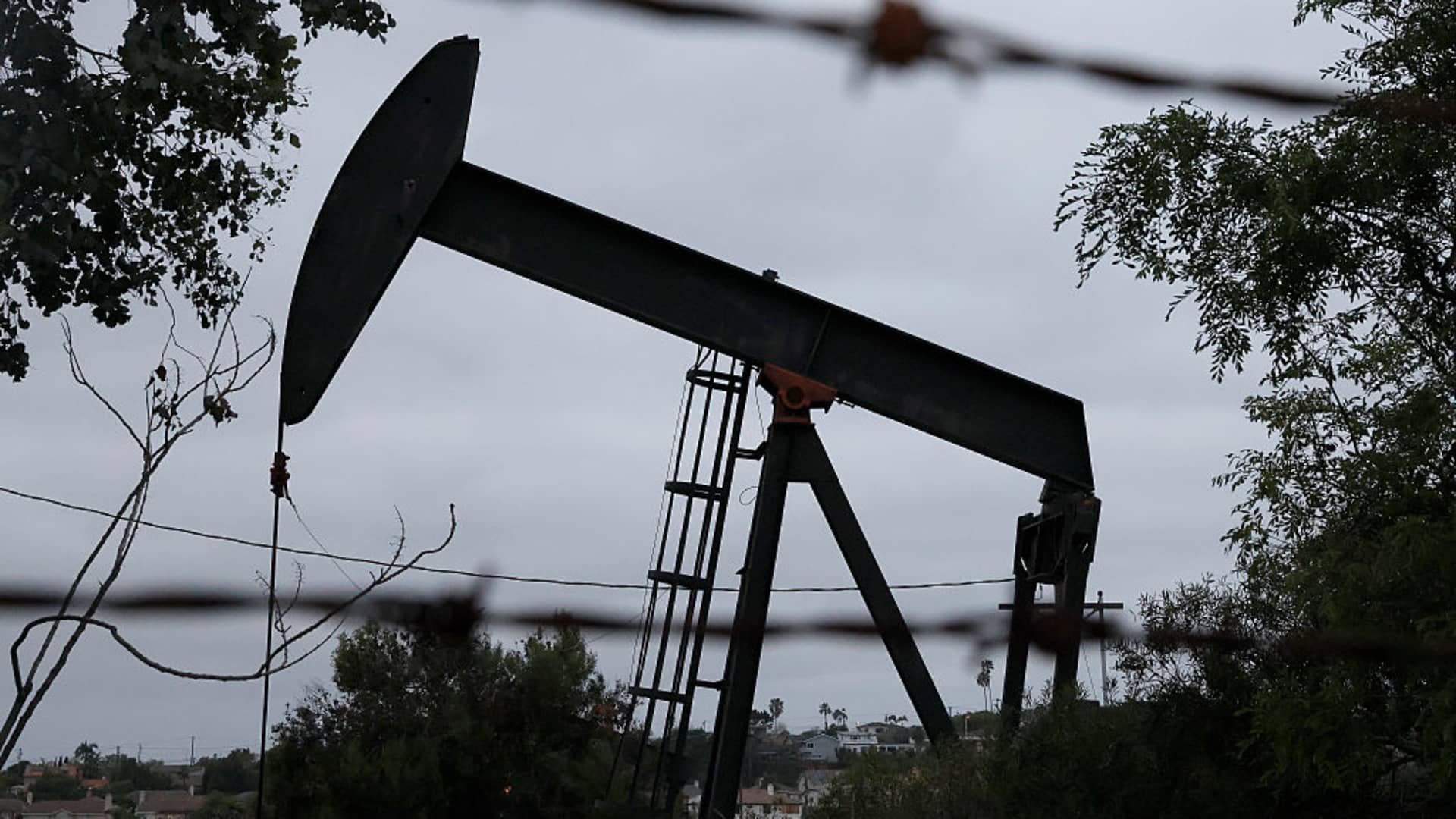
Global Oil Price Fluctuations Capture Market Attention


- Oil Price Surge: The International Energy Agency's decision to release 400 million barrels of oil to address supply disruptions from the Iran war has led to Brent crude prices rising over 8% to $100 per barrel, indicating market skepticism about the effectiveness of this strategic release in mitigating global supply shocks.
- European Market Declines: As investors monitor the Iran conflict and global oil prices, the U.K.'s FTSE index is expected to open 0.2% lower, Germany's DAX down 1%, France's CAC 40 down 0.8%, and Italy's FTSE MIB down 1.1%, reflecting growing concerns about economic outlook.
- New Trade Investigations: The Trump administration has announced new trade investigations into the European Union and over a dozen other economies under Section 301 of the Trade Act of 1974, which allows the U.S. to impose tariffs on imports deemed to engage in unfair trade practices, potentially escalating international trade tensions.
- Earnings Reports Ahead: Earnings reports from companies such as BMW, Generali, RWE, Hannover Re, Swiss Life, and Informa are due today, with the market closely watching these results for their impact on stock performance amid the current uncertain economic climate.
See More
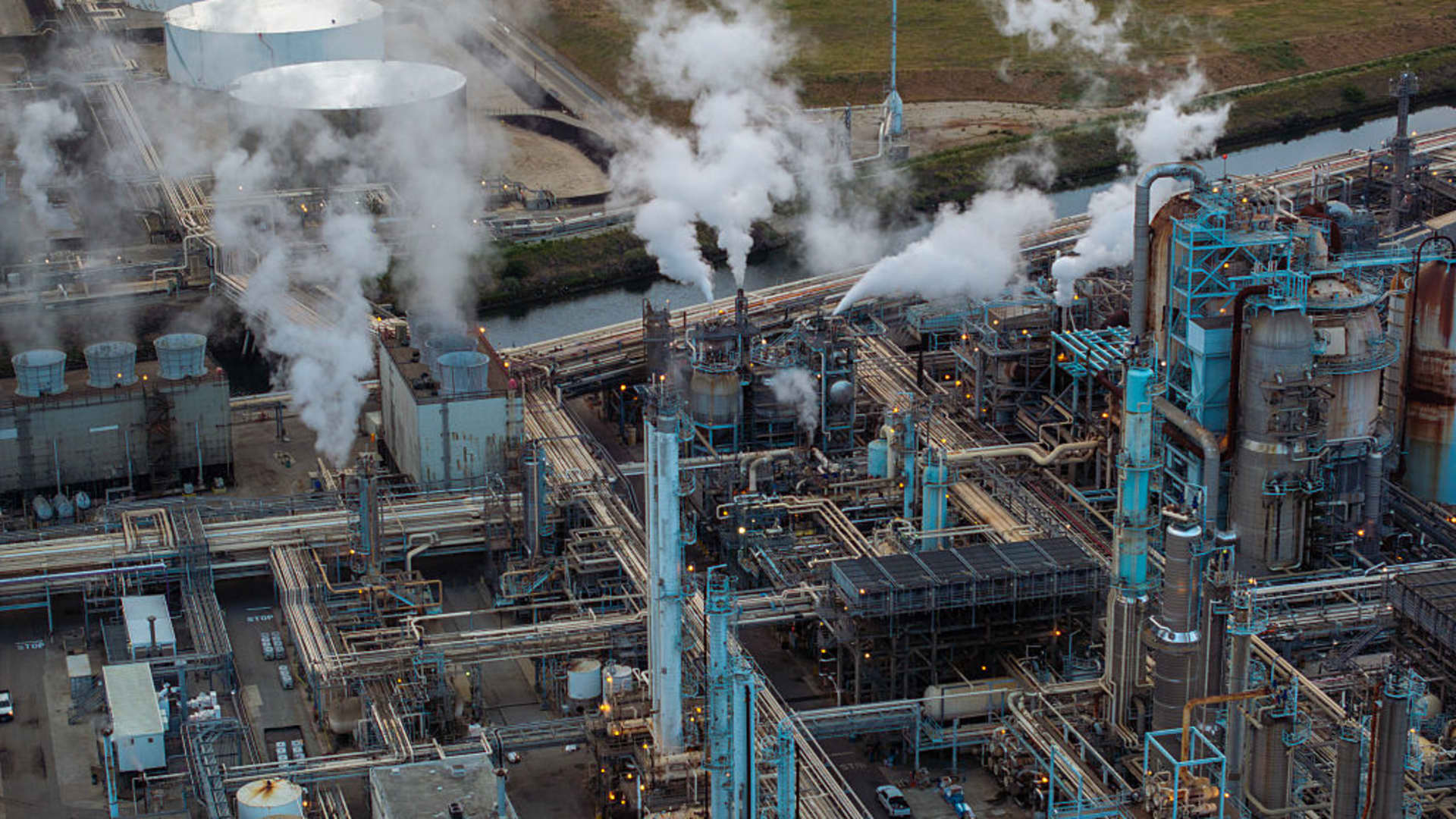
IEA Announces Historic Release of Oil Reserves Amid Middle East Conflict


- Historic Reserve Release: The International Energy Agency's decision to release 400 million barrels of crude oil marks the largest coordinated drawdown since its inception in 1974, aimed at addressing global oil supply disruptions caused by the Middle East conflict, highlighting policymakers' serious concerns over soaring oil prices.
- U.S. Strategic Reserve Involvement: The U.S. will tap 172 million barrels from its Strategic Petroleum Reserve as part of the global coordinated effort; however, oil prices surged over 8%, indicating market skepticism regarding the effectiveness of these measures in quickly alleviating supply shocks.
- Strait of Hormuz Transport Disruption: Approximately 20 million barrels of crude oil and petroleum products transit the Strait of Hormuz daily, accounting for about 20% of global oil consumption, and the conflict has severely disrupted these flows, exacerbating market fears over oil prices.
- Future Price Expectations: Analysts predict that if the conflict lasts for months, oil prices could surge to $120 to $150 per barrel to curb demand, particularly in developing economies, indicating that the market may be underestimating the potential scale and duration of the crisis.
See More

IEA Releases Record 400 Million Barrels of Oil Amid Middle East Conflict
- Historic Oil Release: The International Energy Agency's decision to release 400 million barrels of oil marks the largest reserve release in history, aimed at alleviating the pressure of rising global energy costs due to the Middle East conflict.
- U.S. Strategic Reserve Tapping: The U.S. will tap 172 million barrels from its Strategic Petroleum Reserve; however, market reactions remain negative, with crude prices rising over 4% on Wednesday, indicating concerns over supply chain security.
- Strait of Hormuz Closure Impact: The closure of the Strait of Hormuz not only disrupts oil transport but also affects over one-third of global fertilizer shipments, raising the risk of increased agricultural costs and food inflation, thereby impacting global food supply chains.
- Escalating Trade Tensions: The Trump administration has initiated trade probes into over a dozen countries to replace tariffs deemed illegal by the Supreme Court, further exacerbating global market uncertainty, particularly against the backdrop of energy volatility and tightening supply chains.
See More
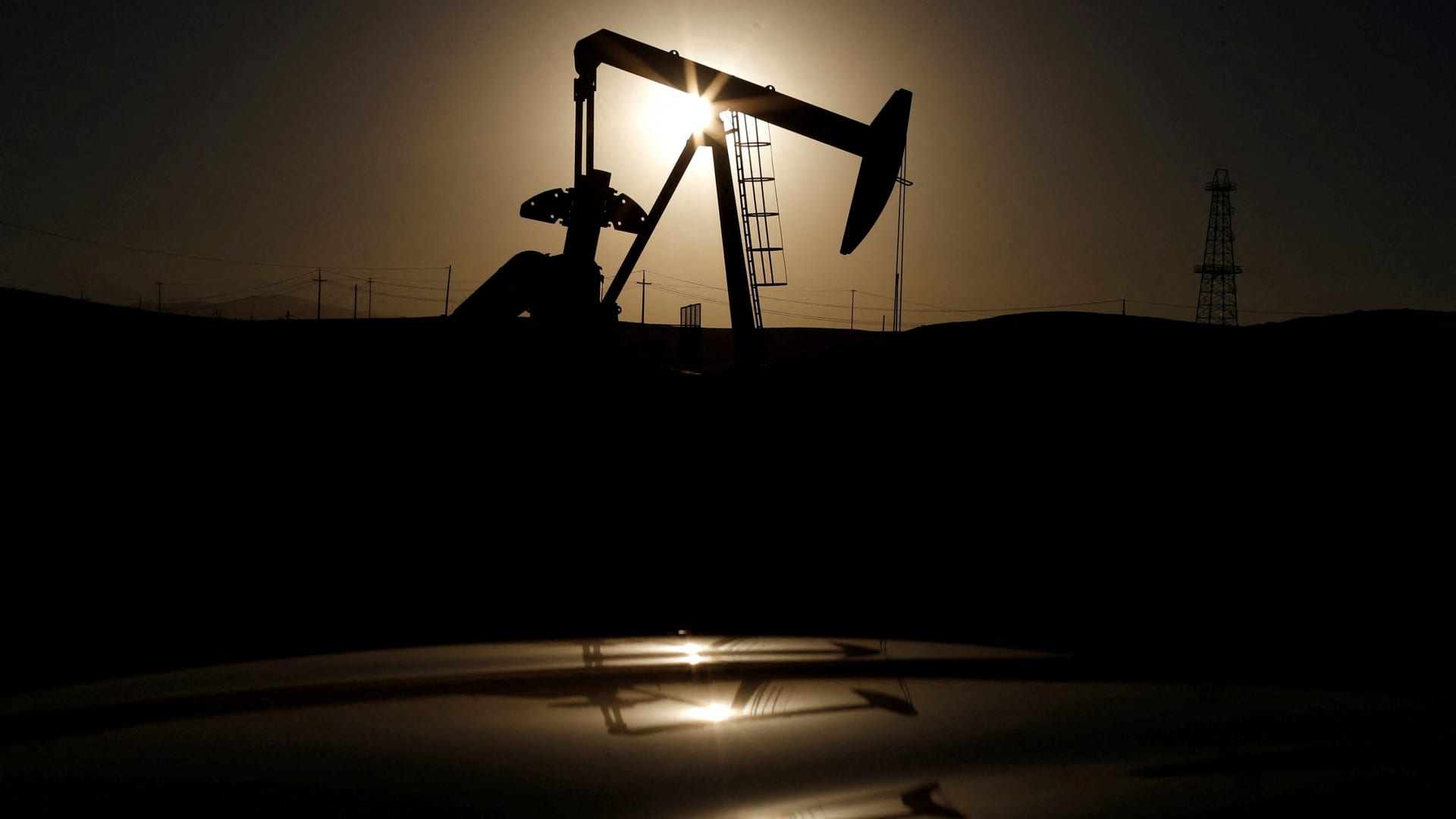
Oil Prices Surge Over 7% Amid Middle East Supply Shock
- Surge in Oil Prices: Oil prices have surged over 7% due to the supply shock from the Middle East conflict, with West Texas Intermediate rising 7.5% to $93.8 per barrel and Brent crude increasing 7.74% to $99.1, reflecting strong market reactions to supply shortages.
- Historic Reserve Release: The International Energy Agency announced the release of 400 million barrels of oil from emergency reserves across its 32 member countries, marking the largest coordinated drawdown since the 1973 oil embargo, aimed at alleviating market tensions.
- U.S. Strategic Reserve: The U.S. plans to release 172 million barrels from its Strategic Petroleum Reserve, with shipments expected to begin next week and take approximately 120 days to complete; however, this measure may not fully address the supply gap caused by disruptions in the Strait of Hormuz.
- Market Sentiment Tension: Despite the IEA's unprecedented intervention, market reactions remain fraught with panic and uncertainty, as analysts suggest that the current supply gap may take longer to resolve, indicating potential for continued price increases in the future.
See More

Rising Oil Prices Impact Market, Cramer Analyzes Investment Themes

- Oil Price Surge Impact: The ongoing Iran war has driven WTI crude oil prices above $88 per barrel, marking a year-to-date increase of over 50%, which could pressure the stock market, as evidenced by the S&P 500's slight decline amid a 5% rise in oil prices.
- Strategic Petroleum Reserve Release: President Trump announced the release of the U.S. Strategic Petroleum Reserve to alleviate energy prices, while the International Energy Agency agreed to release 400 million barrels of oil to address global supply disruptions, although these measures are seen as temporary fixes.
- Strong Data Center Infrastructure: Cramer highlighted Oracle's robust earnings as validation of the AI-driven data center infrastructure theme, indicating that its buildout is progressing better than expected, potentially offering new opportunities for investors.
- Ongoing Memory Shortage: Commentary from Hewlett Packard Enterprise suggests that the shortage of memory used in AI and computing systems may persist longer than anticipated, providing potential investment opportunities for related companies.
See More
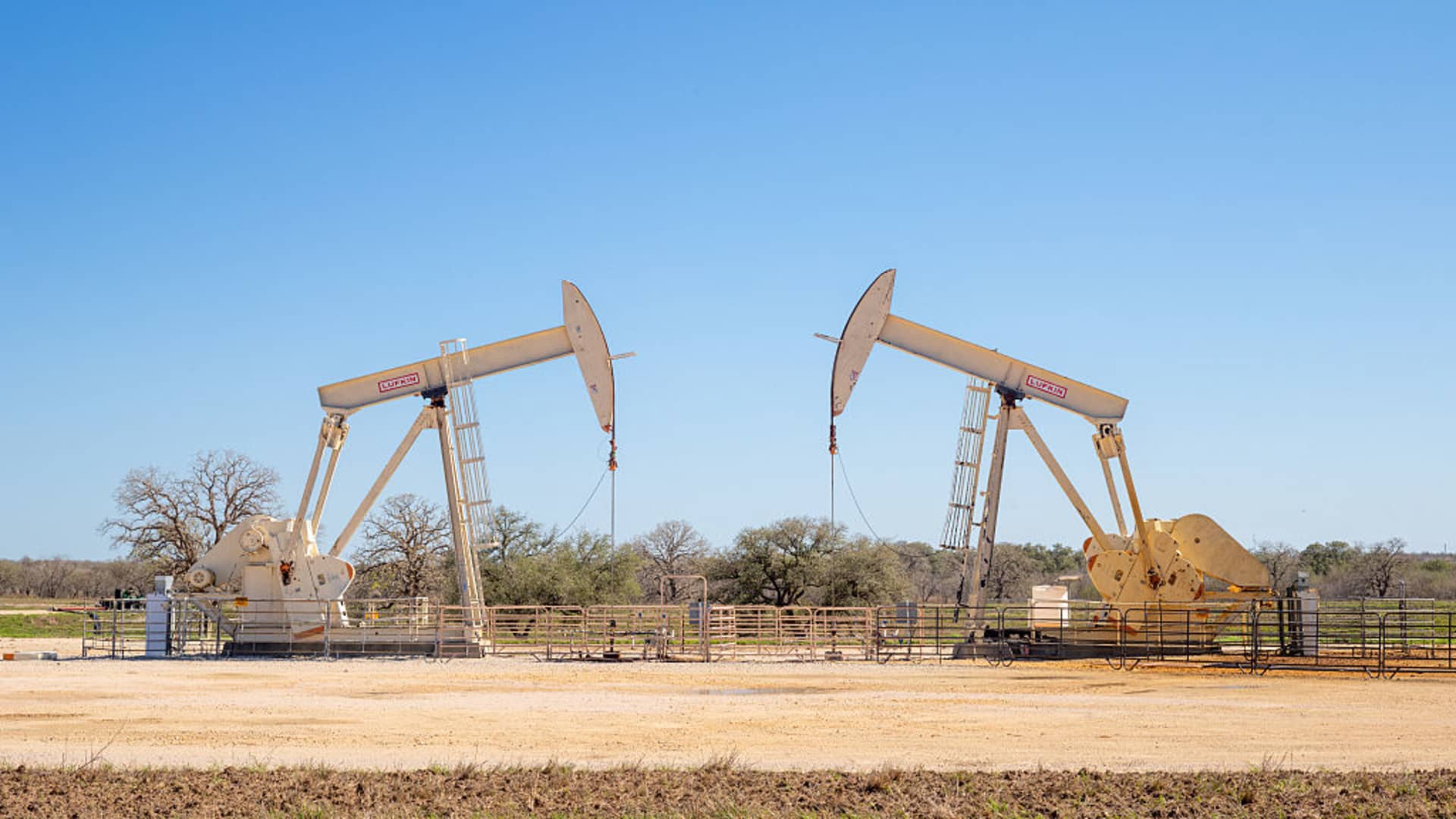
Asia-Pacific Markets Set to Fall Amid Oil Price Volatility
- Historic IEA Action: The International Energy Agency plans to release 400 million barrels of oil in response to supply disruptions caused by the Iran war, marking the largest emergency release in the agency's history aimed at stabilizing global energy markets, although no specific timeline for market entry has been set.
- U.S. Strategic Reserve Release: Energy Secretary Chris Wright announced the release of 172 million barrels from the Strategic Petroleum Reserve to lower energy costs, aligning with President Trump's strategy to mitigate domestic oil price pressures amid rising geopolitical tensions.
- Market Impact from Oil Volatility: As of 7:20 PM ET, West Texas Intermediate prices surged 5.2% to $91.8 per barrel, reflecting market sensitivity to supply disruptions, which may lead to further declines in Asia-Pacific markets as investors react to these fluctuations.
- Declining Asia-Pacific Indices: The Australian S&P/ASX 200 index fell 1.2% in early trading, while Japan's Nikkei 225 is also poised for a decline, indicating investor concerns over oil price volatility and Middle Eastern tensions, which could negatively affect overall market sentiment.
See More
Global Oil Price Fluctuations Capture Market Attention
- Oil Price Surge: The International Energy Agency's decision to release 400 million barrels of oil to address supply disruptions from the Iran war has led to Brent crude prices rising over 8% to $100 per barrel, indicating market skepticism about the effectiveness of this strategic release in mitigating global supply shocks.
- European Market Declines: As investors monitor the Iran conflict and global oil prices, the U.K.'s FTSE index is expected to open 0.2% lower, Germany's DAX down 1%, France's CAC 40 down 0.8%, and Italy's FTSE MIB down 1.1%, reflecting growing concerns about economic outlook.
- New Trade Investigations: The Trump administration has announced new trade investigations into the European Union and over a dozen other economies under Section 301 of the Trade Act of 1974, which allows the U.S. to impose tariffs on imports deemed to engage in unfair trade practices, potentially escalating international trade tensions.
- Earnings Reports Ahead: Earnings reports from companies such as BMW, Generali, RWE, Hannover Re, Swiss Life, and Informa are due today, with the market closely watching these results for their impact on stock performance amid the current uncertain economic climate.
See More
IEA Announces Historic Release of Oil Reserves Amid Middle East Conflict
- Historic Reserve Release: The International Energy Agency's decision to release 400 million barrels of crude oil marks the largest coordinated drawdown since its inception in 1974, aimed at addressing global oil supply disruptions caused by the Middle East conflict, highlighting policymakers' serious concerns over soaring oil prices.
- U.S. Strategic Reserve Involvement: The U.S. will tap 172 million barrels from its Strategic Petroleum Reserve as part of the global coordinated effort; however, oil prices surged over 8%, indicating market skepticism regarding the effectiveness of these measures in quickly alleviating supply shocks.
- Strait of Hormuz Transport Disruption: Approximately 20 million barrels of crude oil and petroleum products transit the Strait of Hormuz daily, accounting for about 20% of global oil consumption, and the conflict has severely disrupted these flows, exacerbating market fears over oil prices.
- Future Price Expectations: Analysts predict that if the conflict lasts for months, oil prices could surge to $120 to $150 per barrel to curb demand, particularly in developing economies, indicating that the market may be underestimating the potential scale and duration of the crisis.
See More
IEA Releases Record 400 Million Barrels of Oil Amid Middle East Conflict
- Historic Oil Release: The International Energy Agency's decision to release 400 million barrels of oil marks the largest reserve release in history, aimed at alleviating the pressure of rising global energy costs due to the Middle East conflict.
- U.S. Strategic Reserve Tapping: The U.S. will tap 172 million barrels from its Strategic Petroleum Reserve; however, market reactions remain negative, with crude prices rising over 4% on Wednesday, indicating concerns over supply chain security.
- Strait of Hormuz Closure Impact: The closure of the Strait of Hormuz not only disrupts oil transport but also affects over one-third of global fertilizer shipments, raising the risk of increased agricultural costs and food inflation, thereby impacting global food supply chains.
- Escalating Trade Tensions: The Trump administration has initiated trade probes into over a dozen countries to replace tariffs deemed illegal by the Supreme Court, further exacerbating global market uncertainty, particularly against the backdrop of energy volatility and tightening supply chains.
See More
Oil Prices Surge Over 7% Amid Middle East Supply Shock
- Surge in Oil Prices: Oil prices have surged over 7% due to the supply shock from the Middle East conflict, with West Texas Intermediate rising 7.5% to $93.8 per barrel and Brent crude increasing 7.74% to $99.1, reflecting strong market reactions to supply shortages.
- Historic Reserve Release: The International Energy Agency announced the release of 400 million barrels of oil from emergency reserves across its 32 member countries, marking the largest coordinated drawdown since the 1973 oil embargo, aimed at alleviating market tensions.
- U.S. Strategic Reserve: The U.S. plans to release 172 million barrels from its Strategic Petroleum Reserve, with shipments expected to begin next week and take approximately 120 days to complete; however, this measure may not fully address the supply gap caused by disruptions in the Strait of Hormuz.
- Market Sentiment Tension: Despite the IEA's unprecedented intervention, market reactions remain fraught with panic and uncertainty, as analysts suggest that the current supply gap may take longer to resolve, indicating potential for continued price increases in the future.
See More
Rising Oil Prices Impact Market, Cramer Analyzes Investment Themes
- Oil Price Surge Impact: The ongoing Iran war has driven WTI crude oil prices above $88 per barrel, marking a year-to-date increase of over 50%, which could pressure the stock market, as evidenced by the S&P 500's slight decline amid a 5% rise in oil prices.
- Strategic Petroleum Reserve Release: President Trump announced the release of the U.S. Strategic Petroleum Reserve to alleviate energy prices, while the International Energy Agency agreed to release 400 million barrels of oil to address global supply disruptions, although these measures are seen as temporary fixes.
- Strong Data Center Infrastructure: Cramer highlighted Oracle's robust earnings as validation of the AI-driven data center infrastructure theme, indicating that its buildout is progressing better than expected, potentially offering new opportunities for investors.
- Ongoing Memory Shortage: Commentary from Hewlett Packard Enterprise suggests that the shortage of memory used in AI and computing systems may persist longer than anticipated, providing potential investment opportunities for related companies.
See More
Asia-Pacific Markets Set to Fall Amid Oil Price Volatility
- Historic IEA Action: The International Energy Agency plans to release 400 million barrels of oil in response to supply disruptions caused by the Iran war, marking the largest emergency release in the agency's history aimed at stabilizing global energy markets, although no specific timeline for market entry has been set.
- U.S. Strategic Reserve Release: Energy Secretary Chris Wright announced the release of 172 million barrels from the Strategic Petroleum Reserve to lower energy costs, aligning with President Trump's strategy to mitigate domestic oil price pressures amid rising geopolitical tensions.
- Market Impact from Oil Volatility: As of 7:20 PM ET, West Texas Intermediate prices surged 5.2% to $91.8 per barrel, reflecting market sensitivity to supply disruptions, which may lead to further declines in Asia-Pacific markets as investors react to these fluctuations.
- Declining Asia-Pacific Indices: The Australian S&P/ASX 200 index fell 1.2% in early trading, while Japan's Nikkei 225 is also poised for a decline, indicating investor concerns over oil price volatility and Middle Eastern tensions, which could negatively affect overall market sentiment.
See More