Oil Prices Resurface as Key Factor for Stock Market
Written by Emily J. Thompson, Senior Investment Analyst
Updated: 22 hours ago
0mins
Source: CNBC
- Stock and Oil Relationship: Since President Trump's announcement of a fragile ceasefire with Iran on April 8, the S&P 500 has rallied 7.2% while WTI crude futures have jumped over 8%, indicating a synchronized rise in both assets.
- Market Sentiment Shift: Despite the recent stock market gains, oil prices have slid due to optimistic expectations regarding the war situation, suggesting a reversal in the relationship between the two, leaving investors confused about future market directions.
- High Oil Prices Impact: Brent crude futures are above $110 a barrel, even after a more than 2% drop on Tuesday, but elevated oil prices are starting to affect consumers, leading to an 8% year-over-year decline in gasoline consumption.
- Earnings Season Influence: Deutsche Bank Research indicates that AI beneficiaries saw a 50% year-over-year earnings growth in Q1, providing support for the stock market, yet high oil prices could pose greater risks to market stability.
Trade with 70% Backtested Accuracy
Stop guessing "Should I Buy DB?" and start using high-conviction signals backed by rigorous historical data.
Sign up today to access powerful investing tools and make smarter, data-driven decisions.
Analyst Views on DB
Wall Street analysts forecast DB stock price to rise
13 Analyst Rating
7 Buy
5 Hold
1 Sell
Moderate Buy
Current: 30.640

Low
36.55
Averages
43.20
High
47.63
Current: 30.640
Low
36.55
Averages
43.20
High
47.63
About DB
Deutsche Bank Aktiengesellschaft is a bank and holding company for its subsidiaries. The Company offers a range of services such as investment, financial and related products and services to private individuals, corporate entities, and institutional clients. It operates through four business divisions: Corporate Bank, Investment Bank, Private Bank and Asset Management. The Corporate Bank division serves corporate clients and financial institutions, offering cash management, trade finance, lending, foreign exchange, trust and agency services, correspondent banking, and securities services. The Investment Bank division includes Fixed Income & Currencies (FIC) Sales & Trading, Origination & Advisory, and Deutsche Bank Research. The Private Bank division focuses on personal and private clients, wealthy individuals, entrepreneurs and families. The Asset Management division operates under the brand DWS, and it serves a diverse client base of retail and institutional investors worldwide.
About the author

Emily J. Thompson
Emily J. Thompson, a Chartered Financial Analyst (CFA) with 12 years in investment research, graduated with honors from the Wharton School. Specializing in industrial and technology stocks, she provides in-depth analysis for Intellectia’s earnings and market brief reports.

Deutsche Bank Upgrades DaVita Stock to Buy Amid Rising Demand


- Upgraded Outlook: Deutsche Bank upgraded DaVita's rating from hold to buy and raised its price target from $126 to $220, indicating a 40% upside from Tuesday's close, reflecting strong confidence in the company's future performance.
- Earnings Beat: DaVita reported first-quarter earnings with revenue per treatment at $417.59, exceeding market expectations by $8.30 and marking a 4.4% year-over-year increase, indicating enhanced competitiveness in the treatment services sector.
- Growth Highlights: Analysts noted that the two shining stars of the quarter were revenue per treatment and treatment growth, with treatment numbers coming in 10 basis points above analysts' consensus, suggesting a rebound in market demand that could drive future performance.
- Positive Market Reaction: Following the earnings report, DaVita's shares rose nearly 6% in after-hours trading, and the stock has gained 38% year-to-date, reflecting investor optimism about the company's prospects.
See More

Global Finance Watchdog Warns of Private Credit Risks

- Regulatory Warning: The Financial Stability Board (FSB) has published a report urging national regulators to enhance scrutiny of private credit, highlighting the lack of standardized, transparent data that could lead to vulnerabilities in the nearly $2 trillion private credit market.
- Increased Risk Exposure: The FSB noted that banks, asset managers, and insurance companies are increasingly exposed to risks in private credit, particularly through interconnected bank credit lines and strategic partnerships, which could amplify market stress.
- High Leverage Risks: The report emphasizes that private credit borrowers exhibit high leverage concentrated in sectors like technology, healthcare, and services, remaining largely untested during economic downturns, which may signal deteriorating credit conditions.
- European Banks Under Scrutiny: During the current earnings season, European banks such as Barclays, Deutsche Bank, and BNP Paribas reported private credit exposures of $20 billion, $30 billion, and $25 billion respectively, raising concerns among regulators about potential systemic risks.
See More

Oil Prices Resurface as Key Factor for Stock Market
- Stock and Oil Relationship: Since President Trump's announcement of a fragile ceasefire with Iran on April 8, the S&P 500 has rallied 7.2% while WTI crude futures have jumped over 8%, indicating a synchronized rise in both assets.
- Market Sentiment Shift: Despite the recent stock market gains, oil prices have slid due to optimistic expectations regarding the war situation, suggesting a reversal in the relationship between the two, leaving investors confused about future market directions.
- High Oil Prices Impact: Brent crude futures are above $110 a barrel, even after a more than 2% drop on Tuesday, but elevated oil prices are starting to affect consumers, leading to an 8% year-over-year decline in gasoline consumption.
- Earnings Season Influence: Deutsche Bank Research indicates that AI beneficiaries saw a 50% year-over-year earnings growth in Q1, providing support for the stock market, yet high oil prices could pose greater risks to market stability.
See More

Should Investors Follow the 'Sell in May' Strategy?

- Testing Traditional Strategies: As May begins, investors are challenged by the traditional 'sell in May' strategy, despite historical data showing that the S&P 500 has averaged a 1.5% return in May and a 1.9% increase in June over the past decade.
- Strong European Market Performance: In April, Europe's STOXX 600 and Germany's DAX posted their best monthly performances since January of last year, with Italy's FTSE MIB achieving a nearly 9% rally, indicating market resilience and potential investment opportunities.
- Upcoming Earnings Reports: In the coming weeks, major European banks like Unicredit and HSBC will release earnings, and investors should closely monitor these reports to gauge market trends, as changes in corporate profitability could significantly impact stock performance in the current economic climate.
- Risk Factors Warning: Despite the strong performance of global stocks, the cautious stance of the Federal Reserve and ECB, along with ongoing inflation pressures, may pose threats to the market, prompting investors to make informed choices between traditional and unconventional strategies.
See More
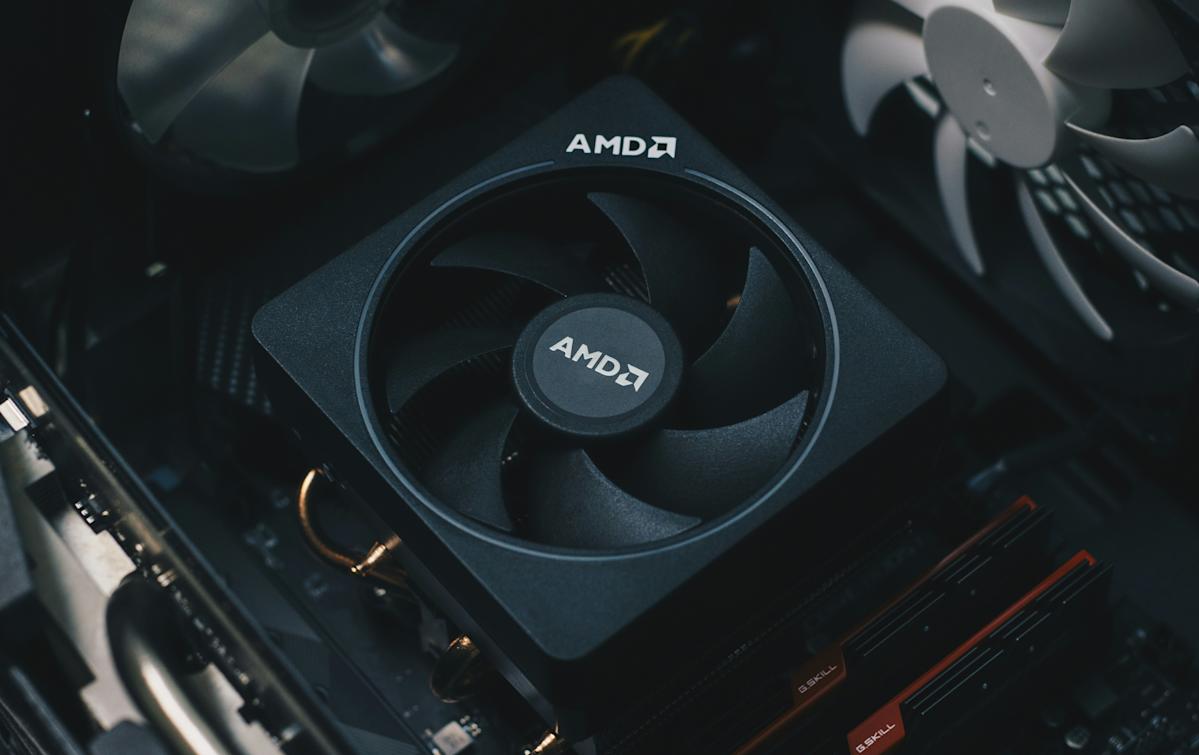
Deutsche Bank Reaffirms AMD Hold Rating Ahead of Q1 Results

- Strong Performance Expectations: Deutsche Bank anticipates that AMD will report robust results for Q1 2026 and provide solid guidance for Q2, reflecting market focus on its EPYC server CPU performance amid recent momentum in the data center compute sector.
- EPYC Business Growth: The firm forecasts a 10% quarter-over-quarter growth for AMD's EPYC segment in both Q1 and Q2, although supply constraints may limit growth in its CPU business, indicating challenges in maintaining competitiveness in a high-demand market.
- Stable Instinct GPU Performance: Deutsche Bank expects AMD's Instinct data center GPU segment to maintain steady performance in the first half of 2026, with quarterly revenues around $2.6 billion, and anticipates growth accelerating to 30% in Q3 and 75% in Q4, reflecting strong market demand.
- Margin Outlook: AMD is expected to maintain gross margins above 55% through the first three quarters, but a mix-driven decline to 54.5% in Q4 may impact overall profitability, highlighting the importance of product mix management.
See More
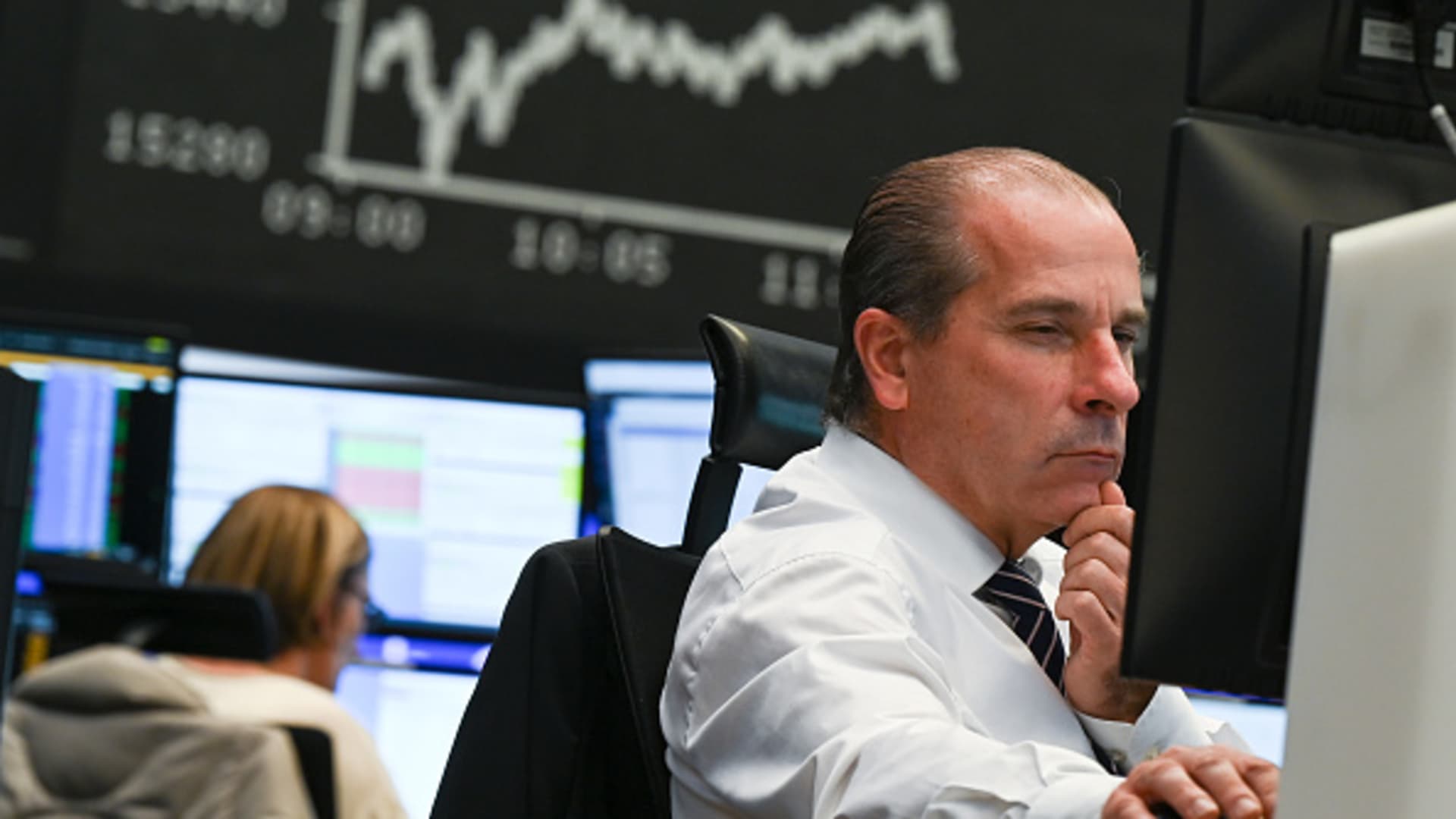
German Stock Market Hit Hard by New COVID Variant Concerns

- Market Reaction: The German stock market has faced a significant blow due to concerns over a new COVID variant emerging in South Africa, leading to a sharp decline in major indices and reflecting investor anxiety about a potential resurgence of the pandemic.
- Holiday Impact: With most global stock markets closed for Labor Day, trading volumes have plummeted, particularly in Asia where markets in Hong Kong and the mainland remained shut, exacerbating market uncertainty.
- Economic Outlook: Despite the European Central Bank and Bank of England holding rates steady, expectations for future rate hikes have risen, with traders pricing in a 75% chance of an ECB hike in June, which could impact investor confidence moving forward.
- Industry Dynamics: In the U.S., Apple has issued a better-than-expected revenue forecast, showcasing strong sales and earnings, which may positively influence global markets, particularly in the tech sector.
See More
Deutsche Bank Upgrades DaVita Stock to Buy Amid Rising Demand
- Upgraded Outlook: Deutsche Bank upgraded DaVita's rating from hold to buy and raised its price target from $126 to $220, indicating a 40% upside from Tuesday's close, reflecting strong confidence in the company's future performance.
- Earnings Beat: DaVita reported first-quarter earnings with revenue per treatment at $417.59, exceeding market expectations by $8.30 and marking a 4.4% year-over-year increase, indicating enhanced competitiveness in the treatment services sector.
- Growth Highlights: Analysts noted that the two shining stars of the quarter were revenue per treatment and treatment growth, with treatment numbers coming in 10 basis points above analysts' consensus, suggesting a rebound in market demand that could drive future performance.
- Positive Market Reaction: Following the earnings report, DaVita's shares rose nearly 6% in after-hours trading, and the stock has gained 38% year-to-date, reflecting investor optimism about the company's prospects.
See More
Global Finance Watchdog Warns of Private Credit Risks
- Regulatory Warning: The Financial Stability Board (FSB) has published a report urging national regulators to enhance scrutiny of private credit, highlighting the lack of standardized, transparent data that could lead to vulnerabilities in the nearly $2 trillion private credit market.
- Increased Risk Exposure: The FSB noted that banks, asset managers, and insurance companies are increasingly exposed to risks in private credit, particularly through interconnected bank credit lines and strategic partnerships, which could amplify market stress.
- High Leverage Risks: The report emphasizes that private credit borrowers exhibit high leverage concentrated in sectors like technology, healthcare, and services, remaining largely untested during economic downturns, which may signal deteriorating credit conditions.
- European Banks Under Scrutiny: During the current earnings season, European banks such as Barclays, Deutsche Bank, and BNP Paribas reported private credit exposures of $20 billion, $30 billion, and $25 billion respectively, raising concerns among regulators about potential systemic risks.
See More
Oil Prices Resurface as Key Factor for Stock Market
- Stock and Oil Relationship: Since President Trump's announcement of a fragile ceasefire with Iran on April 8, the S&P 500 has rallied 7.2% while WTI crude futures have jumped over 8%, indicating a synchronized rise in both assets.
- Market Sentiment Shift: Despite the recent stock market gains, oil prices have slid due to optimistic expectations regarding the war situation, suggesting a reversal in the relationship between the two, leaving investors confused about future market directions.
- High Oil Prices Impact: Brent crude futures are above $110 a barrel, even after a more than 2% drop on Tuesday, but elevated oil prices are starting to affect consumers, leading to an 8% year-over-year decline in gasoline consumption.
- Earnings Season Influence: Deutsche Bank Research indicates that AI beneficiaries saw a 50% year-over-year earnings growth in Q1, providing support for the stock market, yet high oil prices could pose greater risks to market stability.
See More
Should Investors Follow the 'Sell in May' Strategy?
- Testing Traditional Strategies: As May begins, investors are challenged by the traditional 'sell in May' strategy, despite historical data showing that the S&P 500 has averaged a 1.5% return in May and a 1.9% increase in June over the past decade.
- Strong European Market Performance: In April, Europe's STOXX 600 and Germany's DAX posted their best monthly performances since January of last year, with Italy's FTSE MIB achieving a nearly 9% rally, indicating market resilience and potential investment opportunities.
- Upcoming Earnings Reports: In the coming weeks, major European banks like Unicredit and HSBC will release earnings, and investors should closely monitor these reports to gauge market trends, as changes in corporate profitability could significantly impact stock performance in the current economic climate.
- Risk Factors Warning: Despite the strong performance of global stocks, the cautious stance of the Federal Reserve and ECB, along with ongoing inflation pressures, may pose threats to the market, prompting investors to make informed choices between traditional and unconventional strategies.
See More
Deutsche Bank Reaffirms AMD Hold Rating Ahead of Q1 Results
- Strong Performance Expectations: Deutsche Bank anticipates that AMD will report robust results for Q1 2026 and provide solid guidance for Q2, reflecting market focus on its EPYC server CPU performance amid recent momentum in the data center compute sector.
- EPYC Business Growth: The firm forecasts a 10% quarter-over-quarter growth for AMD's EPYC segment in both Q1 and Q2, although supply constraints may limit growth in its CPU business, indicating challenges in maintaining competitiveness in a high-demand market.
- Stable Instinct GPU Performance: Deutsche Bank expects AMD's Instinct data center GPU segment to maintain steady performance in the first half of 2026, with quarterly revenues around $2.6 billion, and anticipates growth accelerating to 30% in Q3 and 75% in Q4, reflecting strong market demand.
- Margin Outlook: AMD is expected to maintain gross margins above 55% through the first three quarters, but a mix-driven decline to 54.5% in Q4 may impact overall profitability, highlighting the importance of product mix management.
See More
German Stock Market Hit Hard by New COVID Variant Concerns
- Market Reaction: The German stock market has faced a significant blow due to concerns over a new COVID variant emerging in South Africa, leading to a sharp decline in major indices and reflecting investor anxiety about a potential resurgence of the pandemic.
- Holiday Impact: With most global stock markets closed for Labor Day, trading volumes have plummeted, particularly in Asia where markets in Hong Kong and the mainland remained shut, exacerbating market uncertainty.
- Economic Outlook: Despite the European Central Bank and Bank of England holding rates steady, expectations for future rate hikes have risen, with traders pricing in a 75% chance of an ECB hike in June, which could impact investor confidence moving forward.
- Industry Dynamics: In the U.S., Apple has issued a better-than-expected revenue forecast, showcasing strong sales and earnings, which may positively influence global markets, particularly in the tech sector.
See More